
Quick answers
Does Bani have a fire station?
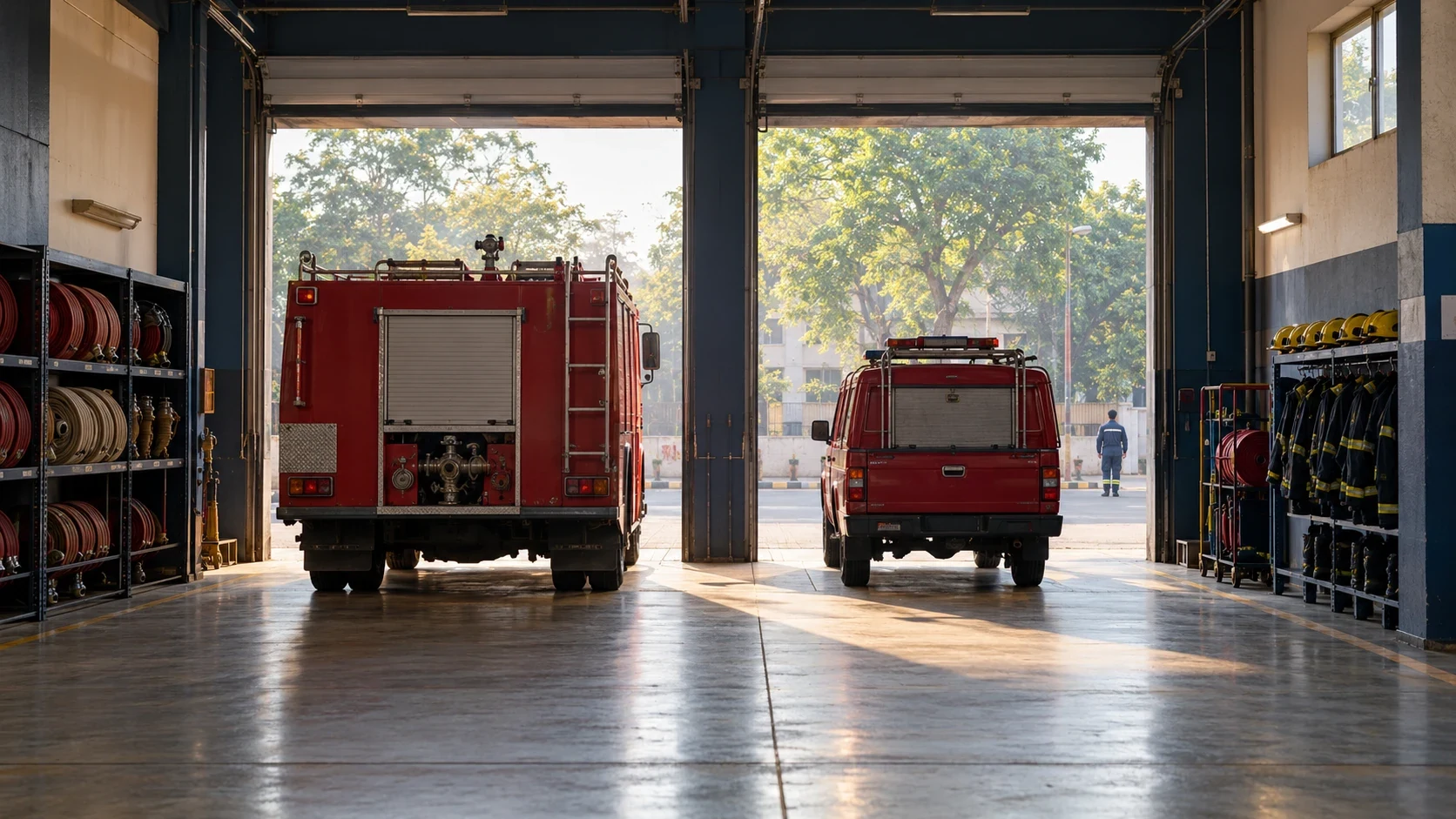
According to an RTI reply dated 7 October 2026, as reported by Greater Kashmir and Gulistan News, no. No station is established in Bani tehsil and no fire tender is stationed or deployed there. The nearest is at Kathua.
How far is the nearest fire station from Bani?
The reports say about 155 km, at Kathua. We could not check the road distance independently; a resident quoted in 2018 put it at nearly 175 km.
Was there a fire in Bani?
No recent fire in Bani is reported in the sources we read. The story is about fire cover. The reply says no tender was deputed to any fire incident in Bani from April 2021 to April 2026; it does not say whether fires occurred.
Is a fire station planned for Bani?
A proposal for 102 new J&K stations, which includes Bani, is under consideration. As at 7 October 2026 no station or tender has been sanctioned and made operational at Bani.
What do Indian norms say about fire station coverage?
The Standing Fire Advisory Council’s advisory norms aim for a first engine in 3, 5 or 7 minutes in urban areas by risk category and 20 minutes in rural areas, with one station per 10 sq km urban and per 50 sq km rural. They are advisory; states decide how far to adopt them.
What can a village do if the fire station is far away?
Stop fires starting, keep water and sand buckets and extinguishers ready, store water, keep one lane open, plan two ways out, form a volunteer team and give a clear location when calling 112 or 101.
How do I ask for a fire station in my area?
File an RTI to the fire service asking which stations, tenders and crew serve your tehsil, the distance and response times, and the status of any proposed station, then share the reply with your gram panchayat, Deputy Commissioner and elected representative.
What if someone is burnt?
Cool the burn under cool, clean running water for 20 minutes. No ice, toothpaste, oil or butter. Call 108 for anything more than a small burn.
Which numbers should I call?
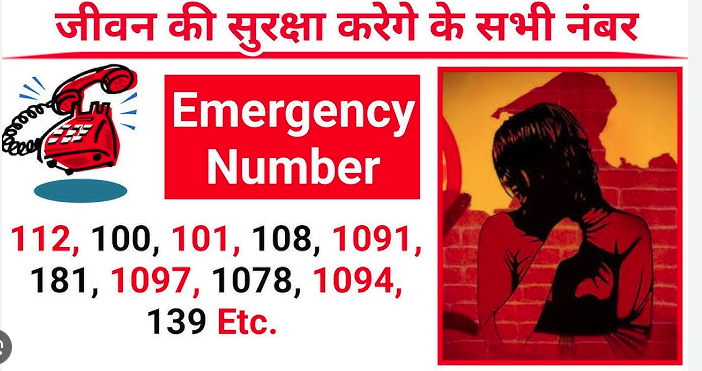
112 for any emergency, 101 for the fire brigade and 108 for an ambulance. Phone signal is patchy in hills, so keep a written list.
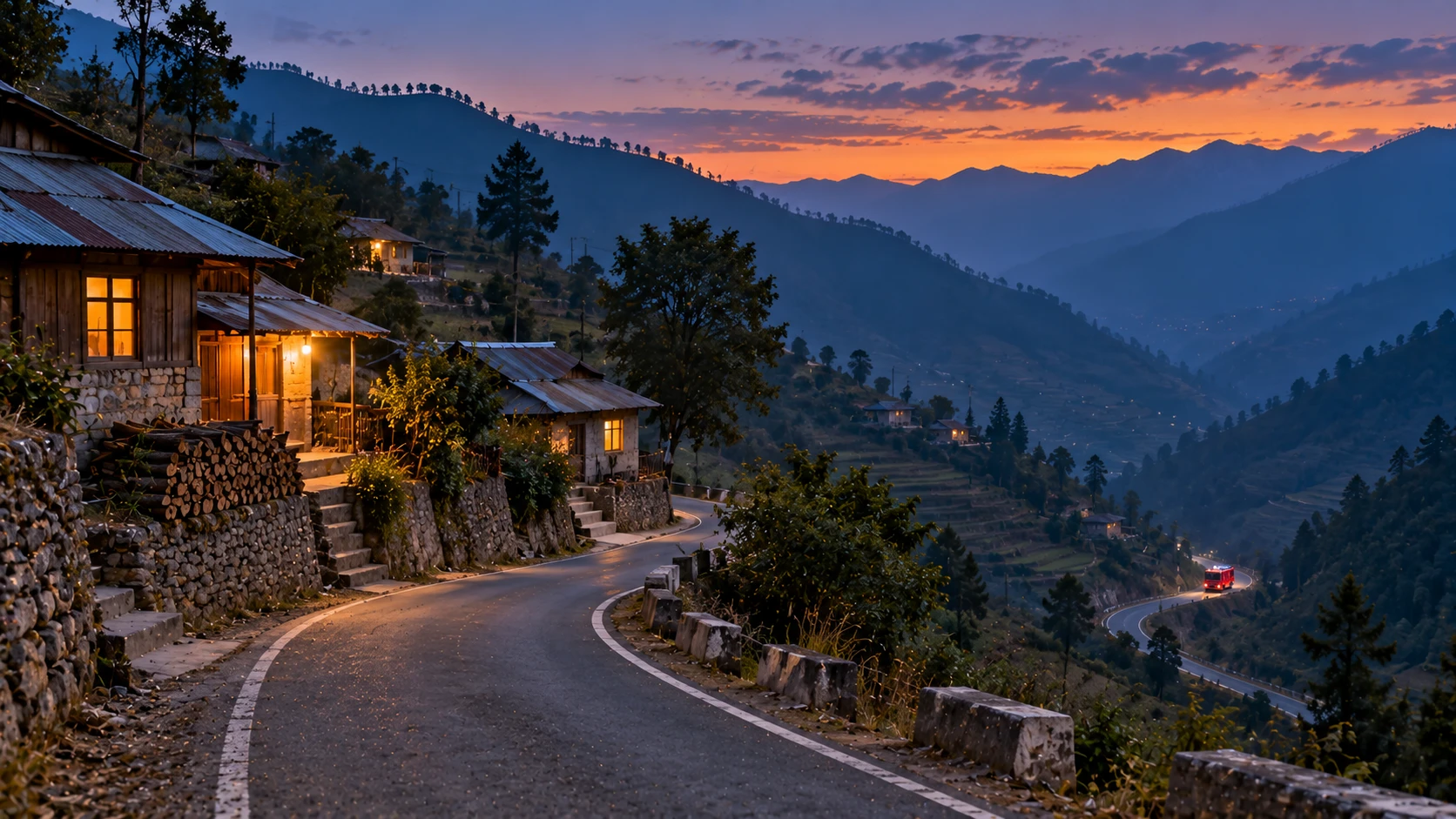
A newspaper report this week says that Bani, a hill tehsil in Kathua district of Jammu and Kashmir, has no fire station and no fire tender of its own, and that the nearest station is at Kathua, about 155 km away. The report rests on a Right to Information (RTI) reply from the Directorate of Fire and Emergency Services. It is not the story of a particular fire; no recent blaze in Bani is reported in it. It is a story about distance, and distance is something every family in a remote or hill village should think about, because the fire engine you are waiting for may be hours away. This page sets out what the reply and the reports actually say, what national norms say about response time, what you can do at home and as a village, and how to find out your own area’s fire cover. Last checked: 21 October 2026.
In short
- An RTI reply dated 7 October 2026 from the Director, Fire and Emergency Services, J&K, says no fire station is established in Bani and no fire tender is stationed or deployed there (Greater Kashmir, 20 October 2026).
- The same reply says that, going by Kathua station records, no fire tender was deputed to any fire incident in Bani between April 2021 and April 2026. It does not say whether any fires happened in that time (Gulistan News).
- The nearest station, at Kathua, is put at about 155 km. We could not check that against a reliable road-distance source, so treat it as the reported figure.
- A proposal for 102 new fire stations across J&K, which includes one at Bani, is under consideration. The reply says none has been sanctioned and made operational at Bani as of 7 October 2026.
- National norms (advisory, not binding) aim for a first fire engine within about 20 minutes in rural areas. A 155 km road cannot be driven in 20 minutes at any speed a hill road allows.
What the RTI reply and the reports say
Greater Kashmir (GK News Service, published 20 October 2026, datelined Jammu, 19 October) and Gulistan News both report on one RTI reply. The application was filed by a social activist from Bani tehsil and registered on 31 August 2026. The reply, dated 7 October 2026, came from the Director of Fire and Emergency Services, J&K, and, according to Gulistan News, draws on the records of the Kathua fire station. We have not seen the reply itself; we are relying on how these two outlets describe it, and their accounts agree. Here is what they say it contains.
- No Fire and Emergency Services station is established in Bani tehsil, and no fire tender of the department is presently stationed or deployed there.
- For fire incidents from 2021-22 to 2025-26 (April 2021 to April 2026), no fire tender was deputed to any fire incident in Bani. The Kathua station has attended fire-safety deployments in Bani from time to time as needed.
- The nearest station is Kathua, about 155 km away. GK adds, for comparison, that Warwan in Kishtwar district is served from a station in Kokernag, which it puts at over 80 km.
- A proposal for 102 new stations across J&K, including one at Bani, is under consideration. As of 7 October 2026 no station or tender has been sanctioned and made operational at Bani.
- A Deputy Director-level command officer at Samba-Kathua is the designated authority for arranging and coordinating firefighting in Kathua district, Bani included.
What the reply does not say. A social-media infographic that circulated first said that no fire tender was “sent” to Bani in five years, and that wording has been repeated. The reply, as reported, says no tender was deputed to any fire incident. That is not the same as saying fires happened and nobody came, and neither outlet says whether any fire was reported in Bani in that period. Neither gives a specific recent fire in Bani. GK’s examples of recent blazes are from Warwan, not Bani. The infographic was not used as a source for this page.
What local residents say. This is an old demand. In October 2018 The Tribune reported that the Billawar, Basohli and Bani subdivisions, with more than three lakh people between them, had no fire station; a resident then put the distance to the Kathua tender at nearly 175 km from Bani town. In July 2025 GK reported residents of Bani again asking for a station, asking for at least three, and saying that losses worth crores of rupees had come from fires. The same report says that more than 90 per cent of Bani’s houses are built of wood and tin sheets, which it says makes them highly vulnerable to fire, and describes Bani as a snow-bound hilly tehsil with more than 33 villages. These are the reports’ statements and residents’ claims; we could not independently check the loss figures or the house-material figure.
The distance. The 155 km figure appears in both 2026 reports and is attributed to the department’s reply and to the article, not to a measured road survey. The 2018 resident’s estimate (nearly 175 km) is different, and the automated route-distance pages we looked at gave inconsistent results, so we do not give our own number. If you want to check, use an online map and look at the hill road via Billawar or Basohli. The point stands either way: the road is long and narrow, and in winter it may be closed.
Other stations in Kathua district. We could not open the J&K Fire and Emergency Services website’s district-wise list of stations from here, so we cannot say which stations Kathua district has today (for example at Billawar, Basohli or Hiranagar), or whether the 2018 position at Billawar and Basohli has changed. Please check the department’s list or ask under RTI (see below).
Why distance matters more than people think
This is our own reasoning, not a quoted finding. A fire in a house built of wood and tin can take over the building in minutes, and it can pass from one wooden house to the next faster than a tender can drive over hill roads. The first fire engine is only the beginning. It needs a road it can use, enough water at the site, and a crew that knows where you are. In winter, snow, landslides and ice can slow or stop a tender, and a crew that has to come from far away may find the road closed. Distance, road condition and weather all add to the time you must manage on your own.
Our earlier post on fire risks in cities and villages shows how India’s fire data count rural and urban deaths, and why you should not plan on the engine arriving in minutes.
What the national norms say
Fire services are a state and municipal responsibility in India. The Standing Fire Advisory Council (SFAC), set up by the Union Home Ministry with representatives of every state, recommends norms. As we reported in our post on the RMSI 2012 fire services report, after reading the report and the Home Ministry’s Lok Sabha reply of 22 November 2016, the norm for the first fire engine to reach a call is 3, 5 or 7 minutes in urban areas, depending on the risk category, and 20 minutes in rural areas. The same norms say one fire station for every 10 square km in urban areas and every 50 square km in rural areas. The Home Ministry has described these norms as advisory, so each state decides how far to adopt them. We have not seen a J&K-specific norm or a J&K fire service law provision on coverage, and we are not claiming one exists.
Two cautions. First, we have not opened the SFAC document itself; we rely on the RMSI report and the Lok Sabha reply as read for our earlier post, and secondary reports give slightly different urban figures. Second, norms are targets, not rights you can enforce in court. What they give you is a yardstick to ask with: a village that is hours from the nearest engine is far outside a 20-minute target, whatever the exact wording. Our posts on how many fire stations India needs and on fire service gaps in India cover the national numbers.
What residents of remote and hill villages can do
None of this replaces a fire station. It is advice from us, based on standard fire-safety practice, to buy time and to stop small fires becoming house fires.
- Stop fires starting. Wood, thatch, tin and cloth burn and spread fire fast. Keep heaters, stoves and open flames well away from walls, bedding and stored wood. Never leave a fire, stove or heater burning overnight in a sleeping room. Our guide on small electrical faults and big fires explains old wiring, overloaded sockets and heaters.
- LPG with care. Keep the cylinder upright, outside the sleeping area where possible, turn the regulator off at night, and check the rubber tube for cracks. If you smell gas, do not switch anything on or off, open the doors and windows, and take the cylinder outside if it is safe.
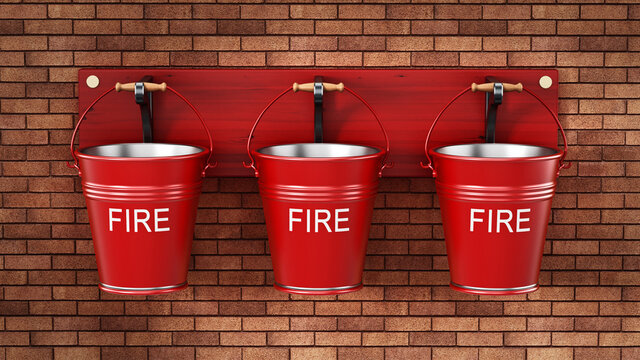
- Keep first-aid firefighting ready. A filled water bucket, a sand bucket for small oil fires, and a serviced extinguisher in a visible place. Read fire buckets: when to use water or sand and how to use an extinguisher (PASS). These work only in the first minute on a small fire. If it is bigger than a waste-paper basket, get out.
- Store water. A tank, drum or pond that a hand pump or buckets can reach is the village’s only water supply until an engine arrives. Keep it filled and keep the path to it clear.
- Make a village volunteer team. Agree who raises the alarm, who calls 112 and 101, who clears the lane, who takes children and the elderly out and who checks everyone is outside. Practise it once before winter. Ask your gram panchayat, block office or district disaster management authority about training for volunteers; we have not verified a J&K scheme for this.
- Keep the lane open. A tender cannot enter a lane blocked with stacked firewood or parked vehicles. Keep one track at least wide enough for a vehicle.
- Make your house easy to leave. Two ways out wherever possible, no door locked at night without the key at hand, and a family meeting point outside.
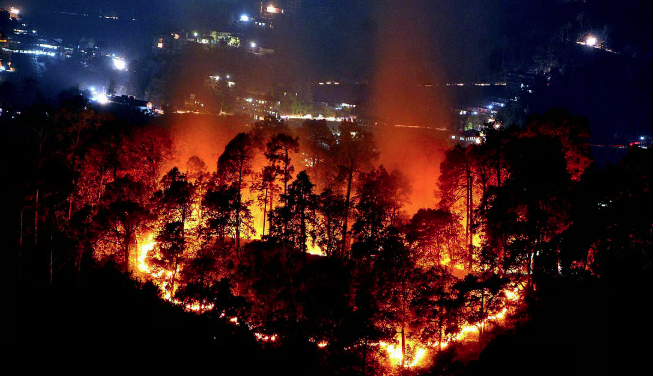
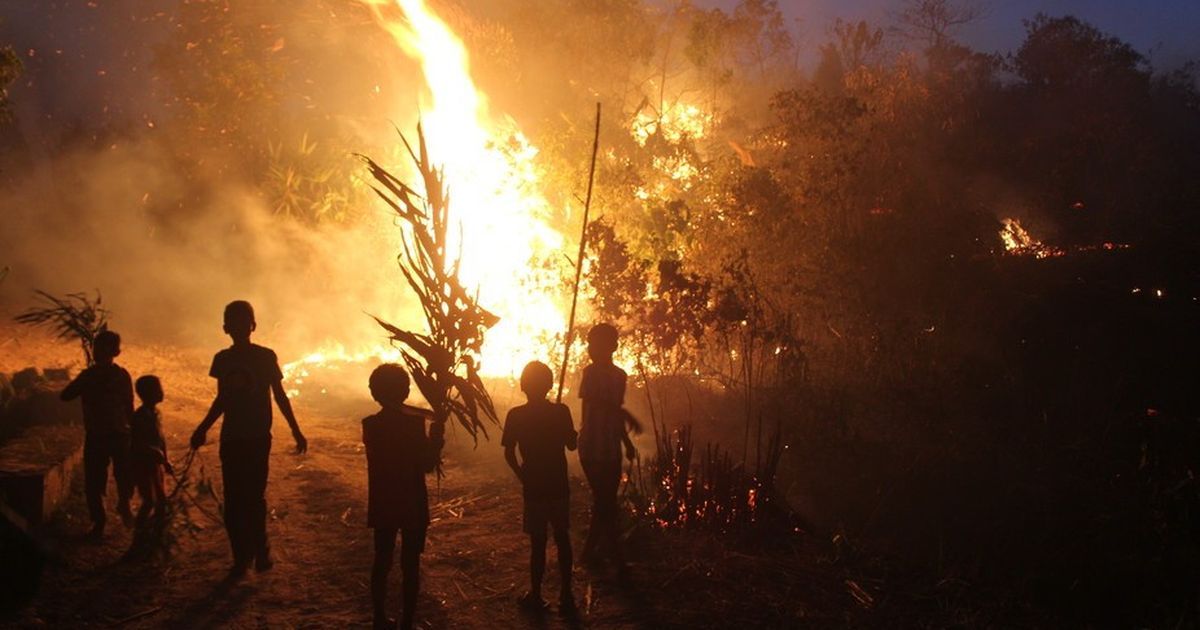
- Think about forest fire too. In dry months, keep dry grass and leaves cleared from around houses and do not burn rubbish. Our guide on forest and hill fires in India has the steps, and the NDMA video below covers what to do.
- Give a good location when you call. The village, ward, nearest landmark and the road you will be standing on. Send someone to the road end to guide the engine in.
If a person’s clothes are on fire, stop, drop to the ground and roll, and smother the flames with a thick cloth or blanket. If someone is burnt: Cool the burn under cool, clean running water for 20 minutes. No ice, toothpaste, oil or butter.
Who to call
112 is the national emergency number and 101 is the national fire number; our guide on how to call 112, 101 or 108 explains what to say. Mobile coverage in hill areas is patchy, so check where your phone has signal and keep a written list of numbers at home. We saw a 2022 report that J&K Police launched Dial 112 in Kashmir, covering police, fire and ambulance, but we could not confirm how 112 and 101 calls are handled in the Kathua district hills, and we are not giving any local number we could not verify. Save your nearest fire station’s number from the department’s official list or from your tehsil office, and test it once.
How to find out your area’s fire cover, and ask for a station
Right to Information is a legitimate, ordinary tool for this, and any resident can use it. The central RTI Act, 2005 was extended to Jammu and Kashmir on 31 October 2019, after the J&K RTI Act, 2009 was repealed (The Leaflet). The steps below are general; check the current portal and fee before you file.
- Choose the public authority. For a state fire service this is the department’s Public Information Officer (PIO), usually at the Directorate or at your district’s fire office. If you apply to the wrong office, the PIO has to transfer your application within five days (Section 6(3)).
- File it. In writing or online. Greater Kashmir has reported that J&K’s online RTI portal is at rtionline.jk.gov.in, but guide websites list other addresses, so confirm the portal on an official government page. A small fee applies (guide sites say Rs 10, with exemption for below-poverty-line applicants; we could not confirm this from an official page).
- Ask precise questions. Examples: Which fire stations and sub-stations exist in my district and tehsil, with their addresses? How many fire tenders, water tenders and trained firefighters does each have? Which station is nearest to my village, and what are the road distance and usual travel time? How many fire calls did each station attend in each of the last five years, and what was the response time? Which stations are sanctioned but not yet operational? What is the status of any proposal for a station in my tehsil, and where is it pending? What norms does the department use for station coverage?
- Keep the dates. The department has 30 days to reply in most cases. If you get no answer, or an unclear one, you can file a first appeal with a senior officer within 30 days (Section 19(1)).
- Use the answer. Share it with your gram panchayat, block development office, Deputy Commissioner and elected representative, and ask for a written reply on what will be done and by when.
An RTI reply gives facts. Whether a station is sanctioned is a government decision; neither a reply nor this page can promise one.
What is still not known
- The text of the RTI reply itself; we have only the two news reports of it.
- Whether any fires were reported in Bani between 2021 and 2026, how large they were, and how they were put out. We found no report of a specific fire in Bani in 2026.
- The road distance between Kathua and Bani. 155 km is the reported figure; a 2018 resident’s estimate was nearly 175 km.
- Which stations Kathua district has today, and whether stations exist at Billawar, Basohli or Hiranagar.
- When, or whether, the proposed 102 stations will be sanctioned, and where Bani stands in that list.
- Whether a J&K-specific coverage norm exists and how 112 and 101 calls are routed in the Kathua district hills.
We will update this page if the department or the government responds. Last checked: 21 October 2026.
What needs attention
- Bani has no fire station or tender of its own, according to the department’s RTI reply as reported; the nearest station is reported to be at Kathua, about 155 km away.
- The reply says no tender was deputed to any fire incident in Bani between April 2021 and April 2026. It does not say whether fires occurred, so it should not be read as proof that fires went unattended.
- No specific recent fire in Bani is reported; the story is about coverage, not an incident.
- A 102-station proposal that includes Bani is under consideration, but nothing is sanctioned for Bani as at 7 October 2026.
- The SFAC response-time norm for rural areas is 20 minutes and is advisory; a 155 km hill road cannot be driven in that time.
- Houses of wood and tin (over 90 per cent of Bani’s houses, per Greater Kashmir) burn and spread fire fast, so first response by neighbours and household readiness matter.
Controls that reduce risk
- Household: keep heat sources away from wood and bedding, switch off the LPG regulator at night, and keep water and sand buckets and a checked extinguisher in a visible place.
- Household: plan two ways out, a family meeting point outside, and the village landmark to give when you call 112 or 101.
- Village: store water where buckets or a hand pump can reach it, keep one lane open for a vehicle, and agree a volunteer team and an alarm.
- Anyone: save the nearest station’s number from the official list and keep a written list of emergency numbers at home.
- Resident: file an RTI to the fire service asking which stations, tenders and crew serve your tehsil, the distance and response times, and the status of any proposed station.
- Resident: share the reply with your gram panchayat, block office, Deputy Commissioner and elected representative, and ask for a written answer.
- Anyone: clear dry grass around houses before the dry season and never burn rubbish in dry months.
Common unsafe practices
- Assuming a fire engine will arrive in minutes in a remote area.
- Repeating that ‘no fire tender was sent’ when the reply says none was deputed to any incident and does not say fires happened.
- Quoting a distance figure as a measured road distance when it is a reported one.
- Leaving heaters, stoves or open flames burning near wood, thatch or bedding.
- Blocking the village lane with stacked firewood or vehicles so a tender cannot enter.
- Keeping a water bucket or extinguisher but not checking it or knowing how to use it.
- Going back into a burning house for belongings.
- Waiting for the fire service before the village does anything.
Leave a comment