
What happened here
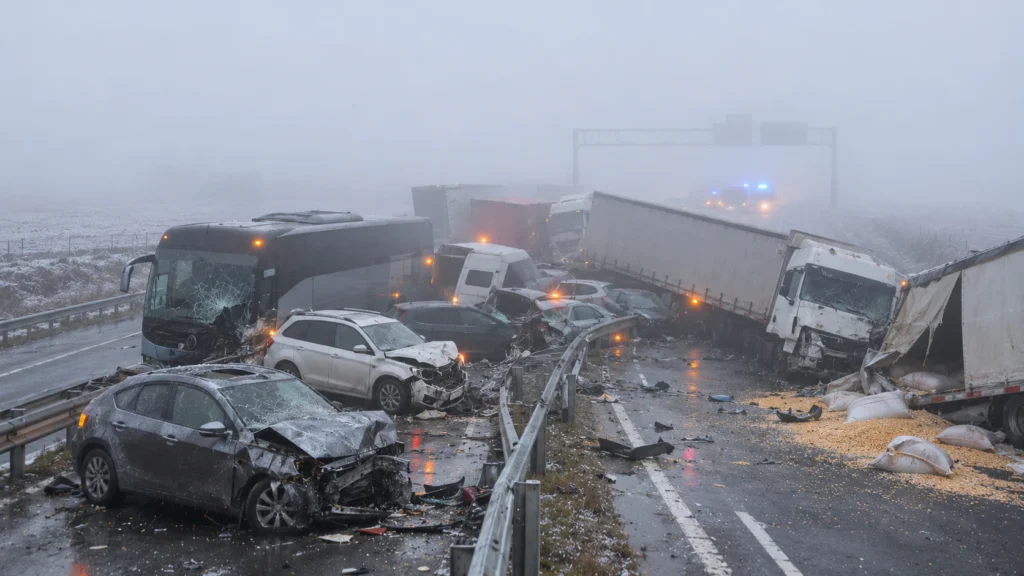
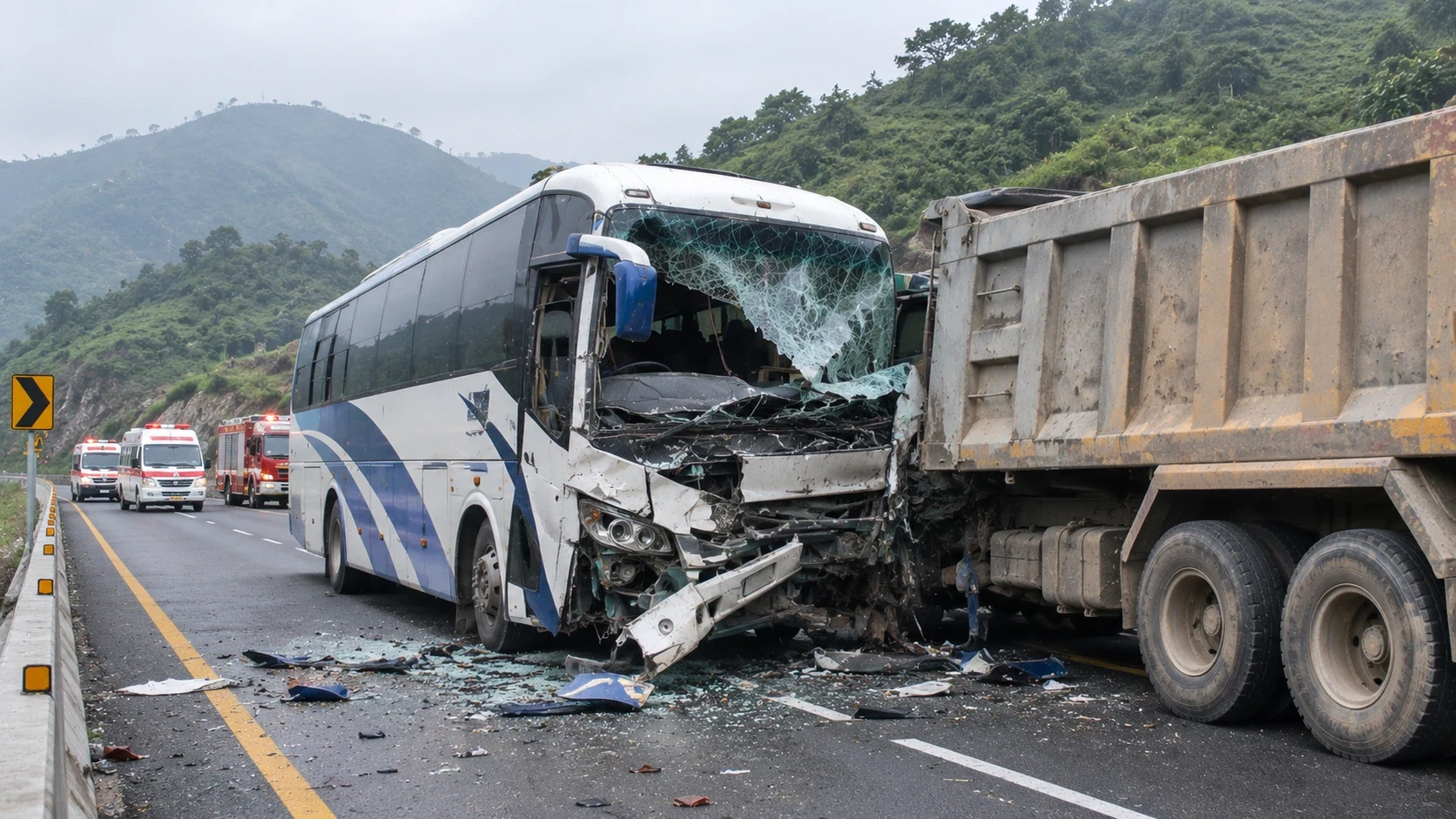
Cause not yet established; officials say dense fog was the likely trigger and the National Investigation Service is also examining speed, the wet road, the asphalt and the road markings. On the morning of Tuesday 10 November 2026, two chain-reaction crashes on the Trakia Motorway near the Zimnitsa junction, Yambol region, Bulgaria, involved 86 vehicles per the Interior Ministry, 63 on the Burgas-bound carriageway and 23 on the Sofia-bound side; the regional governor had first estimated about 50. Ministers gave 12 dead and about 50 hurt, while BTA's Health Ministry count at 5 pm said 11 dead and 51 hospitalised. All deaths were on the Burgas-bound side, where a lorry blocked a passenger bus. Investigators believe drivers on the opposite carriageway slowed to look and a second pile-up followed. The prime minister declared 11 November a day of national mourning.
Quick answers
What happened on the Trakia Motorway?
On the morning of Tuesday 10 November 2026, two chain-reaction crashes in dense fog on both carriageways near the Zimnitsa junction in the Yambol region involved 86 vehicles, according to the Interior Ministry.
How many people died?
Ministers gave 12 dead. BTA's report of the Health Ministry's 5 pm count says 11, ten at the scene and one in hospital. We use 12 and show 11 beside it.
How many were hurt?
About 50. Reports give 46, 48, 50 and 51, and 13 were seriously hurt at 5 pm according to BTA.
How many vehicles were involved?
The Interior Ministry says 86, 63 on the Burgas-bound side and 23 on the Sofia-bound side. The regional governor had first estimated about 50.
What caused it?
Not established. Officials say sudden dense fog was the likely trigger and are examining speed, the wet road, the asphalt and the road markings. Two pre-trial proceedings are open.
Why was there a second crash on the other side?
Investigators believe drivers on the opposite carriageway slowed down to look at the first crash, and a second chain of collisions followed.
What should I do if fog comes down on a motorway?
Slow down early, use dipped headlights and fog lamps, leave a long gap, do not slow to look at crashes, and if you must stop get out away from traffic and behind the barrier. Our guide to driving in fog on Indian highways has the steps.
What happened
On the morning of Tuesday 10 November 2026, two chain-reaction crashes in dense fog closed the Trakia Motorway (A1) in both directions near the Zimnitsa junction in the Yambol region of south-east Bulgaria. The road links Sofia with Burgas. BNR puts the first emergency call at about 7.10 am. The Interior Ministry counts 86 vehicles in all, 63 on the Burgas-bound carriageway and 23 on the Sofia-bound side. Yambol’s regional governor had estimated about 50. Every death was on the Burgas-bound side, where, as the Interior Ministry describes it, a lorry blocked a passenger bus and other vehicles followed into the pile.
Ministers have given the toll as 12 dead and about 50 hurt, but BTA’s report of the Health Ministry’s 5 pm figures says 11 dead (10 at the scene and one in hospital) and 51 hospitalised, 13 of them seriously. The prime minister declared Wednesday 11 November a day of national mourning. The National Investigation Service has opened two pre-trial proceedings, one for each pile-up. No cause has been established. Officials say fog was the likely trigger and are also looking at speed, the wet road, the asphalt and the road markings.
What the reports say
- Deaths: 12 per ministers (the Health Minister, as carried by ABC News Australia, Al Jazeera and News On AIR, split it as 10 at the scene and two in transit or 11 and one). BTA’s report of the Health Ministry’s 5 pm count says 11, 10 at the scene and one in hospital. Xinhua’s report also said 11. All deaths were on the Burgas-bound carriageway (Interior Ministry, per BTA).
- Injured: About 50 hospitalised: 51 (BTA, Health Ministry), 50 (Xinhua, ABC), 48 (Prime Minister’s early figure, Euronews) or 46 (Health Minister, News On AIR). Thirteen were in serious condition (BTA). At 5 pm: 33 in Sliven, 11 in Yambol and seven in Burgas. A BTA headline of 11 November says 26 remained in hospital in Sliven and Yambol.
- Vehicles: 86 in two pile-ups, 63 Burgas-bound and 23 Sofia-bound (Interior Ministry, BTA, BNR). The Yambol regional governor estimated about 50 (BTA via ABC News Australia).
- How it began: On the Burgas-bound side, a lorry blocked a passenger bus, then a lorry carrying wheat and a car were involved (Acting Secretary General of the Interior Ministry, via BTA). Investigators believe drivers on the opposite carriageway slowed down to look and a second chain of collisions followed (BTA).
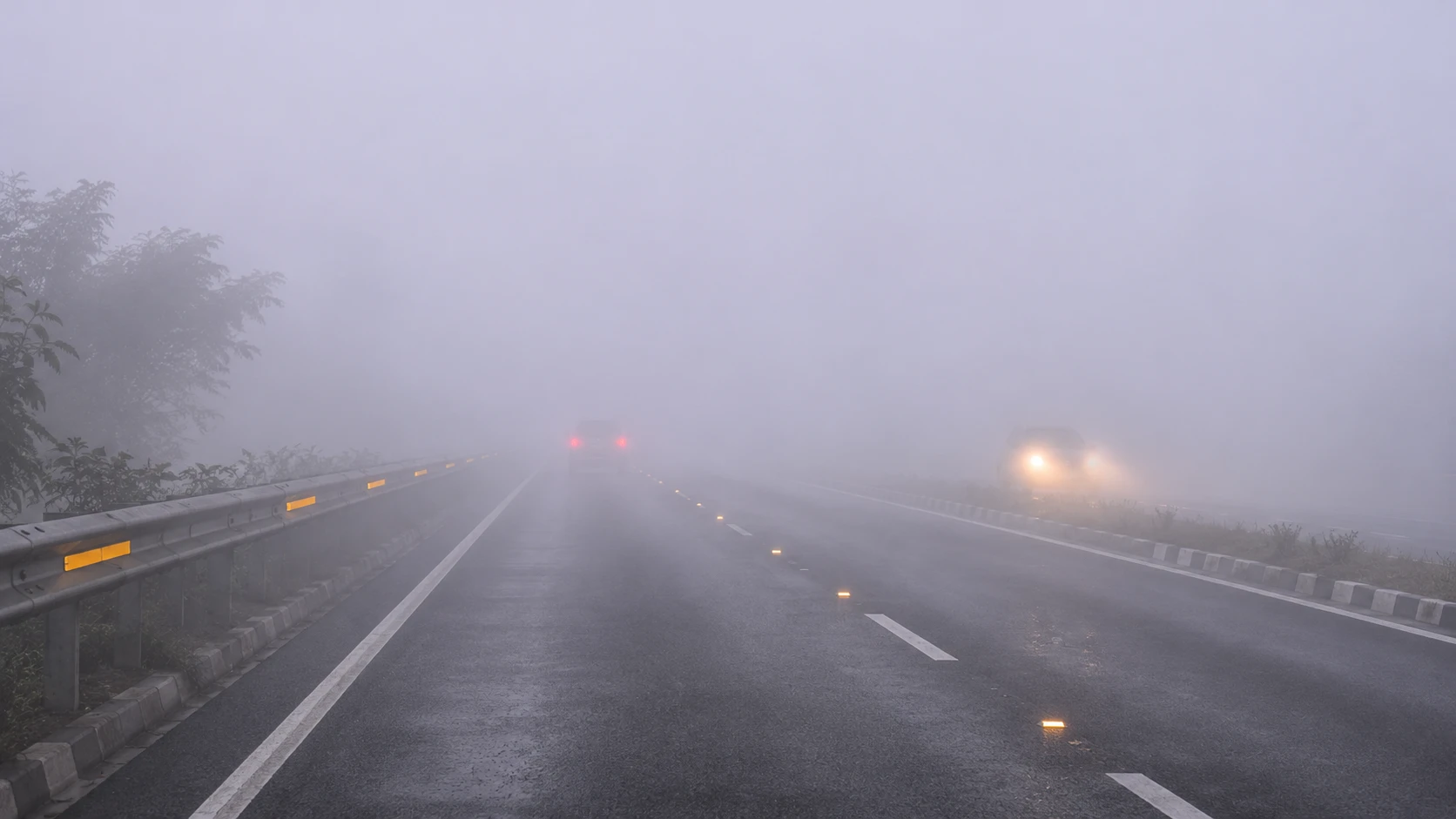
- Fog: The Interior Minister said visibility fell to about 70 to 80 metres and thickened fast (BTA). He also said it fell to a critical 10 metres within minutes (BTA, from his post); a witness estimated about 30 metres (Novinite via Euronews). The road was wet.
- Response: 17 fire and rescue teams (BTA) or 15 fire engines (Euro Weekly News). Fog kept a medical helicopter from landing at first. Police and medics carried injured people out on stretchers because vehicles blocked ambulances. Government and military aircraft carried seriously hurt patients to Sofia. The BG-ALERT system was activated in three districts. The motorway stayed shut both ways with traffic diverted via Karnobat and Sliven.
- Investigation: Two pre-trial proceedings, one per pile-up (Yambol District Prosecutor, via BTA). A National Investigation Service team of ten investigators with a mobile forensic laboratory (BTA); Novinite says nine. No charge is reported. On 11 November BTA reported that a truck driver was detained in connection with one of the two pile-ups and would be questioned; the Yambol police chief said the truck was most likely moving very slowly or may have been joining from the shoulder, and that this is not confirmed. The Road Infrastructure Agency took asphalt samples, and its board member said laboratory results were needed before any conclusion (BTA).
Where reports differ and what we do not know
- Deaths: 11 (BTA, Health Ministry 5 pm; Xinhua report) against 12 (ministers as reported by ABC News Australia, Al Jazeera, Ynet, News On AIR and BNR). The 12th death, reported as a hospital death or a death in transit, is not in BTA’s count. We use 12 as the latest ministers’ figure and keep 11 beside it.
- Vehicles: About 50 (Yambol governor, early) against 86 (Interior Ministry and BNR) against more than 50 (Euronews). 86 is the later official count and includes both carriageways. BNR does not split them; BTA does (63 and 23).
- Injured: 46, 48, 50 and 51 all appear. Counting changed through the day, and some outlets count those taken to hospital, others those admitted.
- Visibility: 70 to 80 metres before it thickened, against a drop to about 10 metres, against about 30 metres from a witness. These may describe different moments and places on the road.
- Fire teams: 17 teams (BTA) or 15 fire engines (Euro Weekly News): teams and engines are not the same thing.
- Not known: The exact time of each crash, the kilometre mark, the speed of the vehicles, who was at fault, what the asphalt tests show, and whether the missing fog warning sign becomes part of the inquiry. The National Investigation Service director said the missing sign is outside the inquiry for now.
What this case teaches
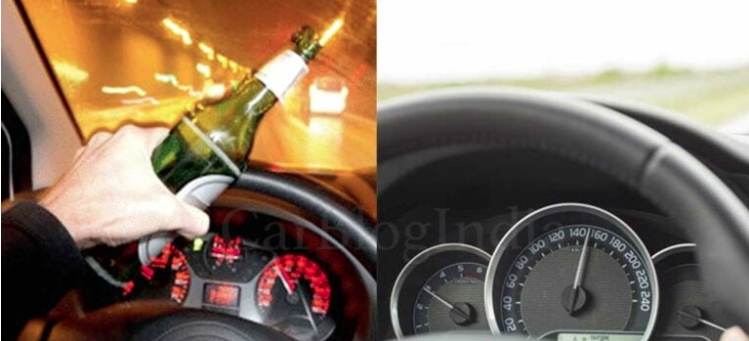
Fog on a motorway is dangerous because the gap you leave is judged on what you can see, and the next driver’s view is as short as yours. Here, officials describe visibility falling fast, a wet road and speeds unsuited to the conditions. The investigators’ account of the second crash is the part most drivers can act on: slowing down to look at a crash on the other carriageway can set off another one.
What the officials say about the road itself is a separate matter. The Interior Minister said the Road Infrastructure Agency’s cameras are not linked to the traffic police and that electronic information boards that could warn drivers on the toll gantries have not been installed yet; the prime minister has announced plans for such boards and a national road information centre. These are statements from officials, not findings of the inquiry, and the inquiry has said it is not examining the missing sign for now.
For drivers in India, where winter fog on expressways is a regular hazard, our guide to driving in fog on Indian highways covers speed, lights and distance, what to do if your vehicle breaks down on a highway covers how to stop safely, and the over-speeding trend explains the risk of speed unsuited to conditions. A recent motorway case on the site is the Croatia A3 coach rollover. We read the reports during 11 November 2026. BTA reports that a truck driver was detained over one of the pile-ups, but no charge and no finding on the cause has been announced.
- First emergency call on 112 about a crash on the Trakia Motorway near Yambol (BNR)
- Dense fog thickens and visibility falls fast; on the Burgas-bound side a lorry blocks a passenger bus and more vehicles pile in
- Drivers on the Sofia-bound side slow down; a second pile-up follows (investigators, via BTA)
- Fog keeps a medical helicopter from landing; police and medics carry the injured out on stretchers; BG-ALERT is activated in Yambol, Sliven and Burgas districts
- Health Ministry figure: at least 11 dead, 10 at the scene and one in hospital, and nearly 50 injured (BTA)
- Prime Minister visits the scene; the Cabinet meeting is cancelled; the National Investigation Service opens its inquiry
- Health Ministry count: 11 dead, 51 hospitalised, 13 serious; 33 in Sliven, 11 in Yambol, seven in Burgas (BTA)
- The Cabinet declares Wednesday 11 November a national day of mourning; the Yambol governor declares a partial emergency in three municipalities
- BTA headline says 26 injured remain in hospital in Sliven and Yambol; ABC News Australia and others give 12 dead; a truck driver is detained over one of the pile-ups (BTA)
Why consequences escalated
- Two chain-reaction crashes on both carriageways of the Trakia Motorway near Yambol on 10 November 2026 involved 86 vehicles per the Interior Ministry.
- Ministers give 12 dead and about 50 hurt; BTA's Health Ministry count says 11 dead and 51 hospitalised.
- All deaths were on the Burgas-bound carriageway, where a lorry blocked a passenger bus.
- Officials say sudden dense fog was the likely trigger and are also examining speed, the wet road, the asphalt and the road markings.
- Investigators believe drivers on the opposite carriageway slowed to look, which led to the second pile-up.
- The Interior Minister said the road agency's cameras are not linked to the traffic police and that electronic warning boards are not installed.
- The inquiry has said the missing fog warning sign is not part of it for now.
Failures and risk multipliers
- No official finding exists yet. What the reports raise as questions:
- How fast the vehicles were going once visibility fell to a few tens of metres.
- Why a second pile-up followed on the opposite carriageway when drivers slowed to look at the first.
- Whether the asphalt and the road markings played any part; samples have been taken and the results are awaited.
- Whether a fog warning sign or an electronic board could have slowed traffic earlier; officials say none was in place, and the inquiry says this is not part of it for now.
- These are open questions, not findings of fault.
Actions that reduce risk
- Drivers: slow down early when fog thickens, use dipped headlights and fog lamps, never high beam, and leave a much longer gap than you would in clear weather.
- Do not slow down to look at a crash on the other carriageway; keep your eyes and your speed steady.
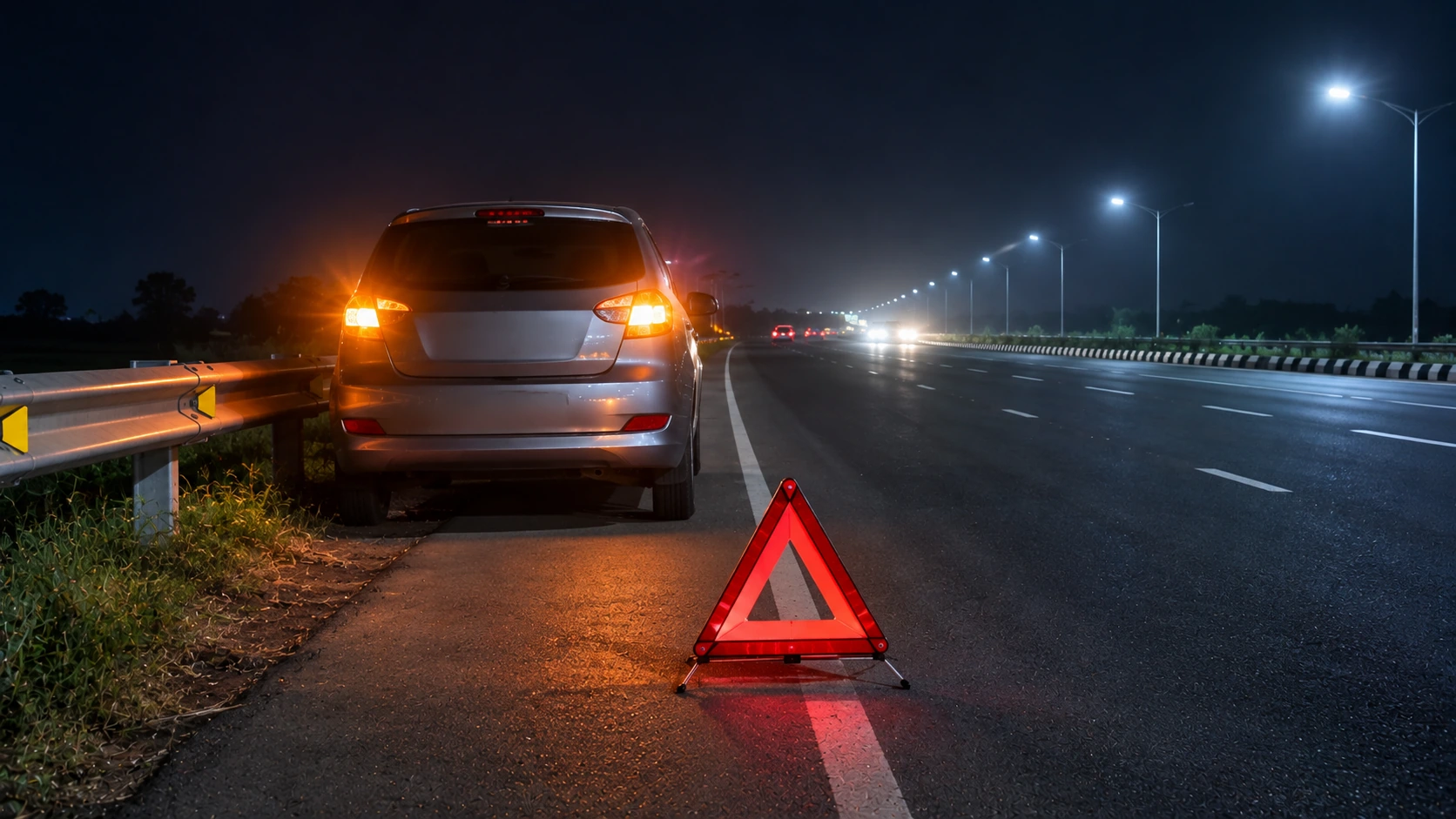
- If you must stop, leave the carriageway if you can; otherwise put hazard lights on and, once it is safe, get out on the side away from traffic and move behind the barrier.
- Call 112 and give the road, the direction and the nearest junction.
- Authorities: publish the cause, the speeds and the asphalt results, and say when warning boards and a camera link to the traffic police will be in place.
Leave a comment