
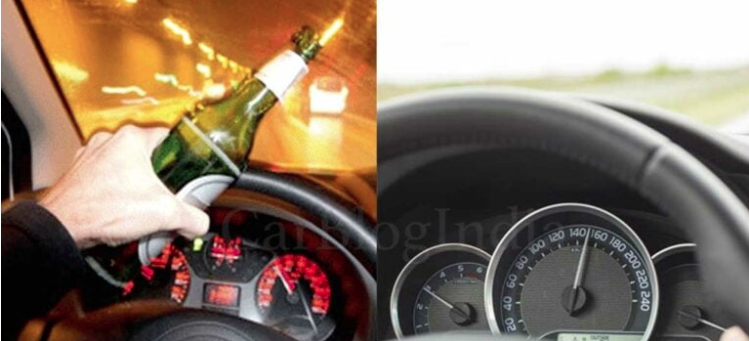
Quick answers
Is it safe to drive after just one drink?
No. Even one drink slows your reactions and dulls your judgement. Plan a cab or a sober driver before the party starts.
What should I do if a friend wants to drive drunk?
Do not let them. Take the keys, call a cab or drop them yourself. Stopping them protects their life and everyone else on the road.
Why is over-speeding so dangerous?
WHO says every 1% rise in average speed raises the risk of a fatal crash by about 4%. On unlit or uneven roads, high speed leaves no room for error.
Why do people still drink and drive or speed?
False confidence, weak enforcement outside big cities, peer pressure at parties and dhabas, and not knowing that alcohol stays in the blood for hours.
About 20 people die on India’s roads every hour. Most of those deaths are linked to one habit: driving too fast.
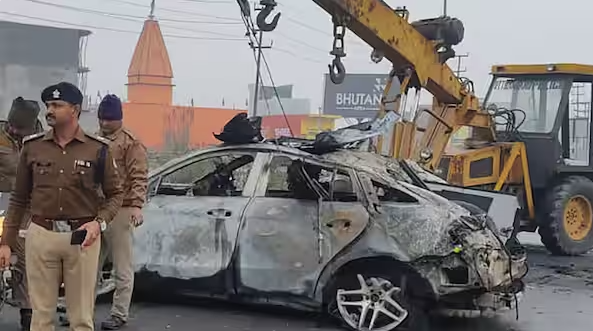
Between 2020 and 2024, India lost 8,10,911 lives in road accidents (MoRTH). About 70% of those deaths were linked to over-speeding, and about 2% to drunken driving or drugs. These were not bad luck. They were choices that went wrong.
Two thoughts that kill
Behind most of these crashes is one of two thoughts: “I can handle it” or “just this once”. Someone who speeds or drives after drinking is not only risking their own life. They are risking every rider, pedestrian and family on that road. On roads that are already badly lit and badly designed, the risk is far higher.
The five-year picture, 2020 to 2024
| Year | Total road deaths | Linked to over-speeding | Linked to alcohol or drugs | Both together, % of all deaths |
|---|---|---|---|---|
| 2020 | 1,38,383 | 97,139 | 3,339 | 72.6% |
| 2021 | 1,53,972 | 1,07,236 | 3,314 | 71.8% |
| 2022 | 1,68,491 | 1,19,904 | 4,201 | 73.7% |
| 2023 | 1,72,890 | 1,17,682 | 3,674 | 70.2% |
| 2024 | 1,77,175 | 1,24,522 | 3,204 | 72.1% |
Source: MoRTH data for 2020 to 2024 given to the Rajya Sabha on 11 March 2026.
What the table tells us:
- Deaths linked to over-speeding rose by 28% in five years, from 97,139 in 2020 to 1,24,522 in 2024.
- Recorded drunk-driving deaths stayed between about 3,200 and 4,200 a year. Police do not test every driver after a crash, so the real number is very likely higher.
- Together, these two causes are linked to about seven out of every ten road deaths.
Why it keeps happening
- False confidence. “I drive fast every day.” “I have driven after a couple of drinks before.”
- Weak enforcement. Breath tests are rare outside big cities and festival nights, and highways are thinly policed.
- It is treated as normal. Late-night parties, drinks at the highway dhaba, friends egging you on.
- Not knowing how long alcohol lasts. Alcohol stays in the blood for hours. A night’s sleep may not be enough after heavy drinking.
- Bad roads. Speeding on unlit, uneven highways leaves no room for error.
The numbers at a glance
- 1,24,522 deaths linked to over-speeding in 2024, 70.3% of all road deaths.
- 3,204 deaths linked to drunken driving or drugs in 2024.
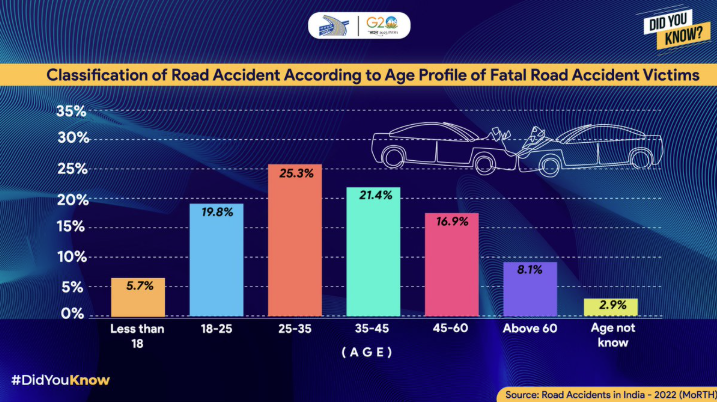
- 66.4% of people killed on the road in 2023 were aged 18 to 45.
- The World Health Organization says crash risk rises sharply once a driver’s blood alcohol reaches 0.04 g/dl.
- WHO also says that every 1% rise in average speed raises the risk of a fatal crash by about 4%.
What you can do
- Never drive after drinking. Even one drink slows your reactions and dulls your judgement.
- Do not let a friend drive drunk. Take the keys, call a cab or drop them yourself. You are not spoiling the party. You may be saving a life.
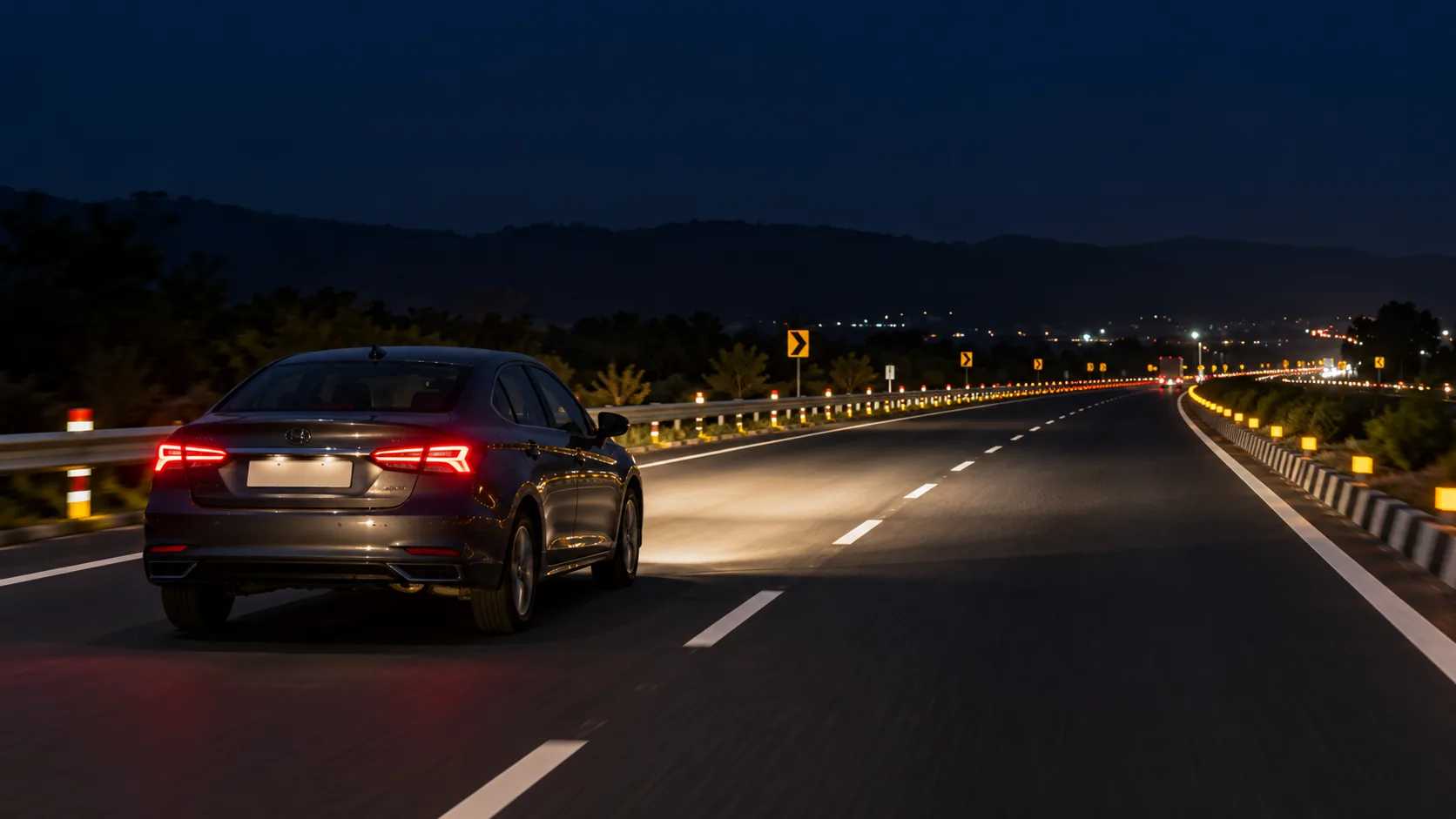
- Slow down on highways, and slow down even more at night, in rain and near villages.
- Plan the ride home before the party starts, whether that is a cab, a sober driver or a place to stay.
- Say no to racing and late-night speed challenges. No thrill is worth a life.
What needs to change
- Regular breath-test checkpoints, not only on festival nights.
- Speed cameras and automatic e-challans on highways and city roads.
- Alcohol interlocks in buses, trucks and other commercial vehicles.
- Strict enforcement of the Supreme Court’s orders restricting liquor sales along highways.
- Awareness campaigns for young people that link safe driving with pride, not fear.
The next time you see someone pick up the car keys after drinking, be the one who stops them. Save 112 on your phone, and if you see a crash, call at once.
What needs attention
- Over-speeding was linked to about 70% of all road deaths from 2020 to 2024
- Deaths linked to over-speeding rose 28% in five years
- Recorded drunk-driving deaths are about 2% of the total, but police likely under-record them
- Small increases in speed bring large increases in the risk of death
- Weak enforcement outside big cities lets both habits continue
- Most of the people killed are young adults
Controls that reduce risk
- Agree a family rule: nobody drives after drinking
- Plan a cab or sober driver before any party
- Keep to speed limits, and lower in rain, fog and at night
- Speak up when a friend tries to drive drunk
- Support breath-test checks and speed cameras in your area
Common unsafe practices
- Believing you can "handle" high speed
- Driving after "just one drink"
- Assuming a night's sleep clears all the alcohol
- Letting a drunk friend take the wheel
- Racing or speeding on empty highways at night
- Driving fast on unlit or uneven roads
Leave a comment