
Quick answers
What details should a 112 emergency information card include?
Include the building name, street, locality, city, floor or unit and a nearby landmark, the entrance you mean, what you can actually see or hear, any person needing help, and your name and callback number.
Should I call 112 to test my emergency information card?
No. Do not dial 112 for a rehearsal. Read your address aloud to a household member with the phone disconnected from any call and ask them to repeat it back.
What should I do first in an emergency, escape or call for help?
Get to safety first, then contact emergency services and follow the operator's instructions. Do not delay escape to collect the card.
How to keep an emergency information card private?
Store a short copy where household members can find it, but do not publish residents' phone numbers or private medical information on a public noticeboard. Keep additional assistance needs in a separate private note.
Prepare information while there is time
India’s Ministry of Home Affairs identifies 112 as the unified emergency number, with actionable incident information passed to the relevant service. MHA description of ERSS. Delhi Fire Service advises escaping first and then calling for help. Delhi Fire Service guidance.
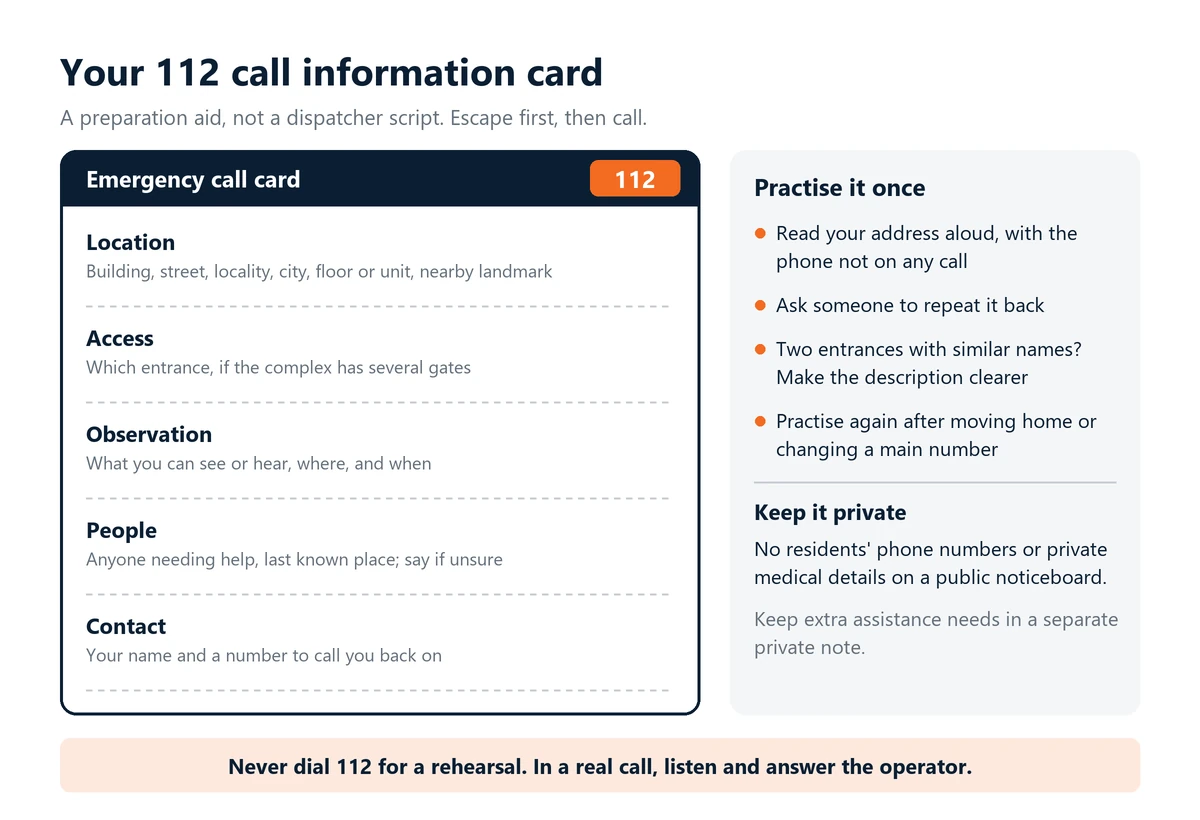
The card below is a HowToSurvive editorial preparation aid. It is not a mandatory dispatcher script. In a real call, listen to the operator and answer their questions.
Your private information card
- Location: building name, street, locality, city, floor or unit and a recognisable nearby landmark.
- Access description: the entrance you mean, particularly where a complex has several gates.
- Observation: what you can actually see or hear, where it is, and when you observed it.
- People: any known person needing assistance and their last known location; state when you are uncertain.
- Contact: your name and a number on which the operator can reach you again.
Practise with a fictional situation
Read your address aloud to another household member with the phone disconnected from any call. Ask them to repeat it back. If two entrances have similar names, improve the description on the card. Repeat the exercise after moving home or changing a main contact number.
Example for practice: “I am safely outside [building and full address]. I can see smoke near [location]. I last saw [person or number, if known] at [place and time]. I do not know whether anyone else is inside.” Use only facts that fit the real situation; never read a fictional detail to an operator.
Keep the card useful and private
Store a short copy where household members can find it. Do not publish residents’ phone numbers or private medical information on a public noticeboard. A designated adult can keep additional assistance needs in a separate private note. A card supports communication; it does not guarantee a response time or replace instructions from emergency services.
A ten-minute household task
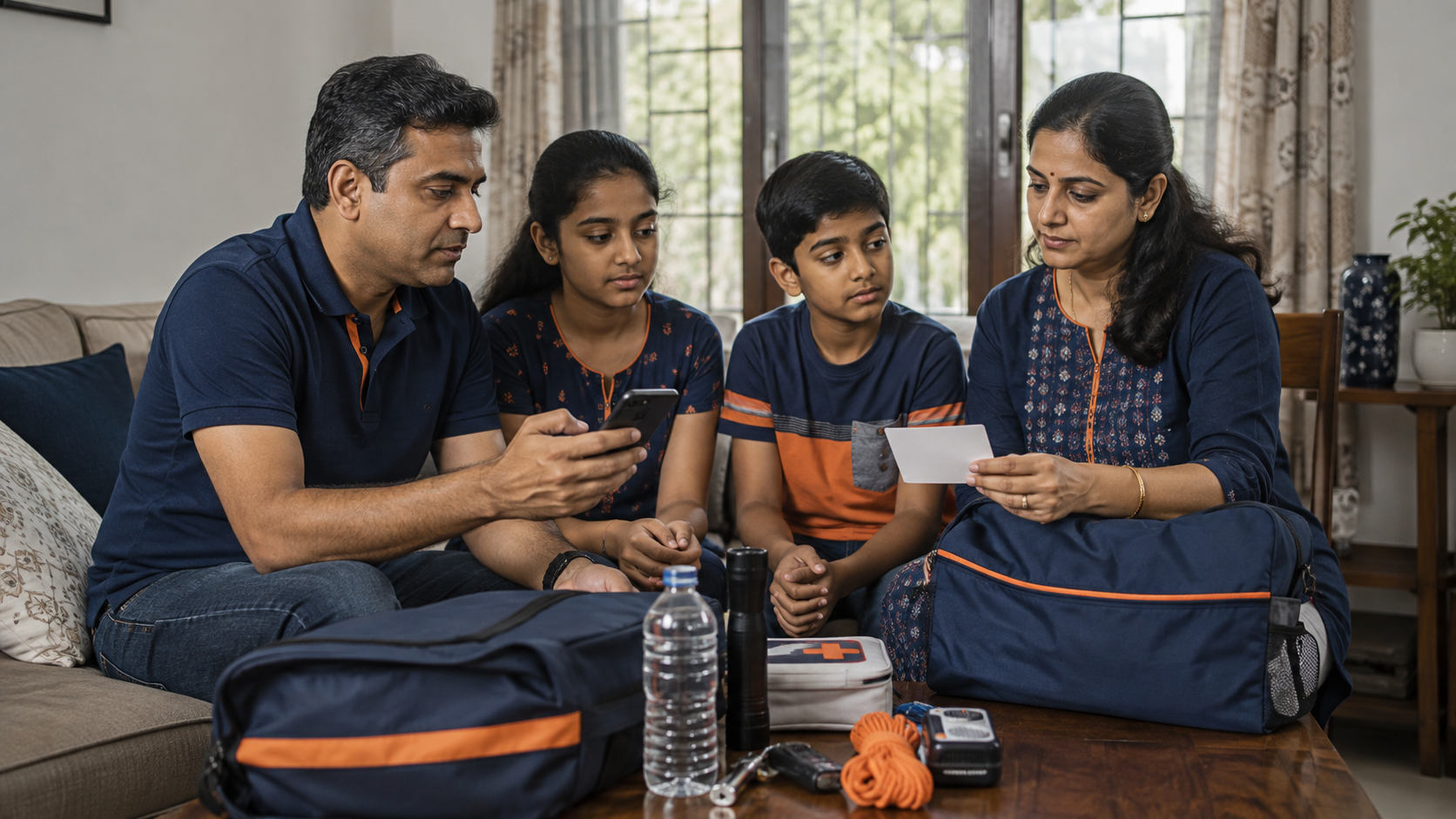
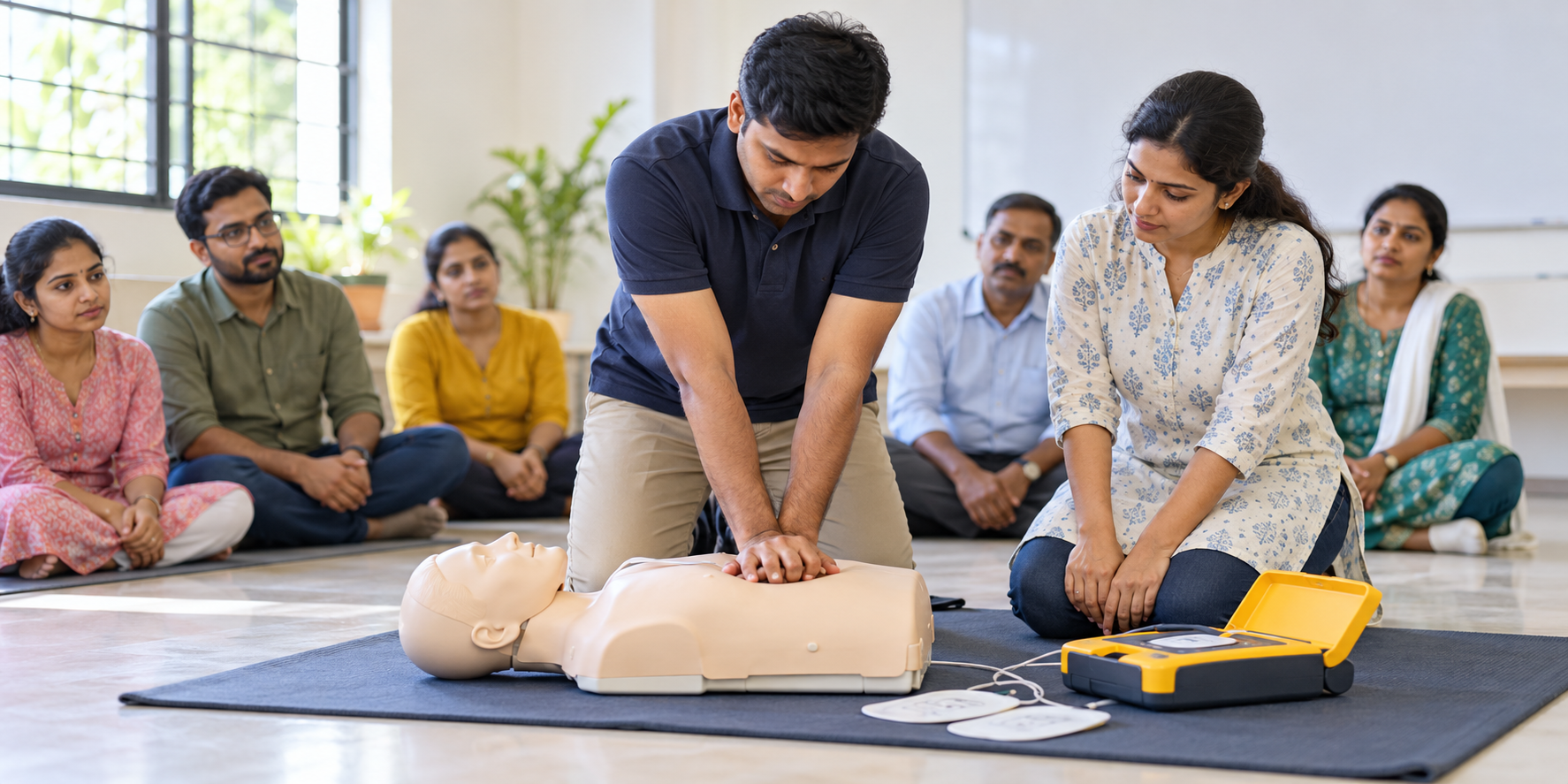
Draft the card, check the address, choose a review date and practise the spoken location once. Do not dial 112 for a rehearsal. The supplied photograph-style image is AI-generated and depicts a fictional practice session.
What needs attention
- A written address reduces reliance on memory during a stressful conversation. This is a practical rationale, not a measured effectiveness claim.
- A useful card distinguishes observations from assumptions.
Controls that reduce risk
- Write and verify your full address.
- Add an entrance description and callback number.
- Practise answering location questions.
- Review after a move or contact change.
Common unsafe practices
- Calling the emergency number to test the card.
- Copying a fictional example as though it were a real observation.
- Sharing household private information publicly.
Leave a comment