
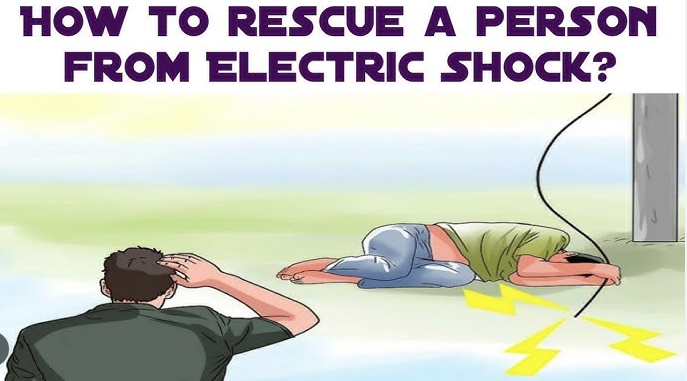
Someone is lying on the bathroom floor next to a geyser, or a worker has collapsed holding a drill on a wet terrace. Your first instinct is to grab them and pull. Don’t. If they are still in contact with live electricity, the current can pass into you as well, and then there are two people down instead of one.
Electrocution killed 15,861 people in India in 2024, in 15,805 cases, according to figures that the States and Union Territories gave the National Crime Records Bureau (NCRB, Accidental Deaths & Suicides in India 2024, Table 1.10). That is about 3.4% of all accidental deaths that year.
How people get shocked
- Touching a switch or plug with wet hands, or standing on a wet floor.
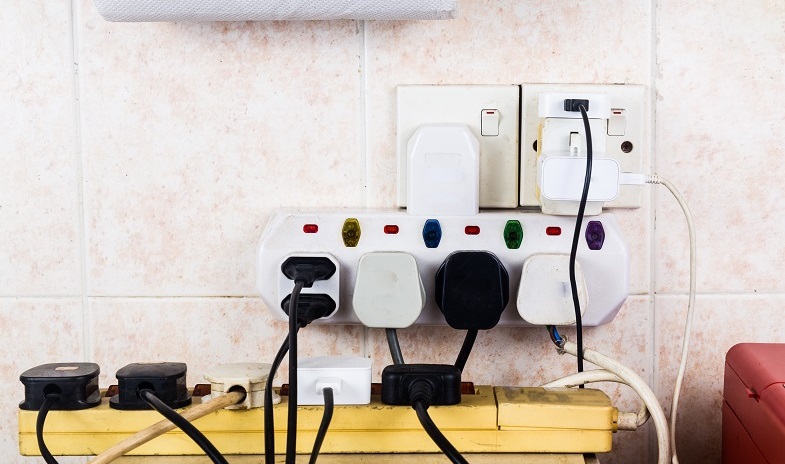
- Damaged cables, loose wires and exposed joints, especially on extension boards.
- Faulty geysers, coolers, motors, irons and other appliances.
- Fallen or sagging overhead lines after a storm.
- Carrying metal rods, pipes or ladders near overhead lines.
- Working outdoors in rain with power tools and no protection.
An electric shock can stop the heart and cause burns and other injuries. Anyone who has had a shock should see a doctor, even if they seem fine.
The first rule: do not touch the person until the power is off
Electricity can pass through the person’s body, through metal and through a wet floor. Your first job is to cut the power, not to pull the person away.
What to do, step by step
1. Keep yourself safe
- Do not touch the person, or anything they are touching, until you are sure the power is off.
- Call 112 straight away, or ask someone else to call.
- If you cannot switch the power off, keep yourself and everyone else back.
2. Switch off the supply
- Switch off at the plug or switch, or turn off the main switch or MCB at the distribution board. This is the safe way to break the contact.
- Never try to deal with overhead, fallen or high-voltage lines yourself. Stay more than 8 to 10 metres away, keep others back, and call 112 and the electricity company to cut the supply.
- Do not use metal tools, and do not go near with wet hands or bare feet.
3. Once the power is off
- Do not move the person unless they are still in danger.
- Follow what the 112 call handler tells you.
4. Check response and breathing
- Tap their shoulders and call out to them loudly.
- If they are unresponsive and not breathing normally (gasping is not normal breathing), start CPR straight away and use an AED as soon as one arrives. Do not waste time feeling for a pulse.
- If they are breathing normally, turn them on their side in the recovery position and keep checking their breathing.
5. Look after burns
- Electrical burns are often small on the skin but deep underneath. Look for a burn where the current went in and another where it came out.
- Once the power is off and CPR is not needed, treat any burns. Cool the burn under cool, clean running water for 20 minutes. Even 10 minutes helps if that’s all you can manage. No ice, toothpaste, oil or butter. Never delay CPR or the 112 call to cool a burn.
- Do not burst blisters or put creams, toothpaste or oil on the burn.
- Cover it loosely with a sterile dressing or clean cloth.
6. Keep help informed
- If nobody has called yet, call 112 now and say clearly that it is an electric shock.
- At a workplace, tell the supervisor, safety officer or electrical engineer so the faulty supply is isolated.
- If you are doing CPR, keep going until the AED tells you to pause, professional help takes over, or the person starts breathing normally.
Always get a medical check
Take the person to hospital even if they look all right. A shock can affect the heart’s rhythm, and burns can go deeper than they look. Get urgent help if you notice any of these:
- Unconsciousness, even for a moment
- Difficulty breathing
- A weak, irregular or racing heartbeat, or chest pain
- Burns, especially where the current went in and came out
- Numbness, weakness, tingling or muscle pain
- Confusion or memory problems
Prevention at home and work
- Switch off the main supply before any repair, however small.
- Keep switchboards away from sinks, taps and the gas stove.
- Never touch switches or plugs with wet hands.
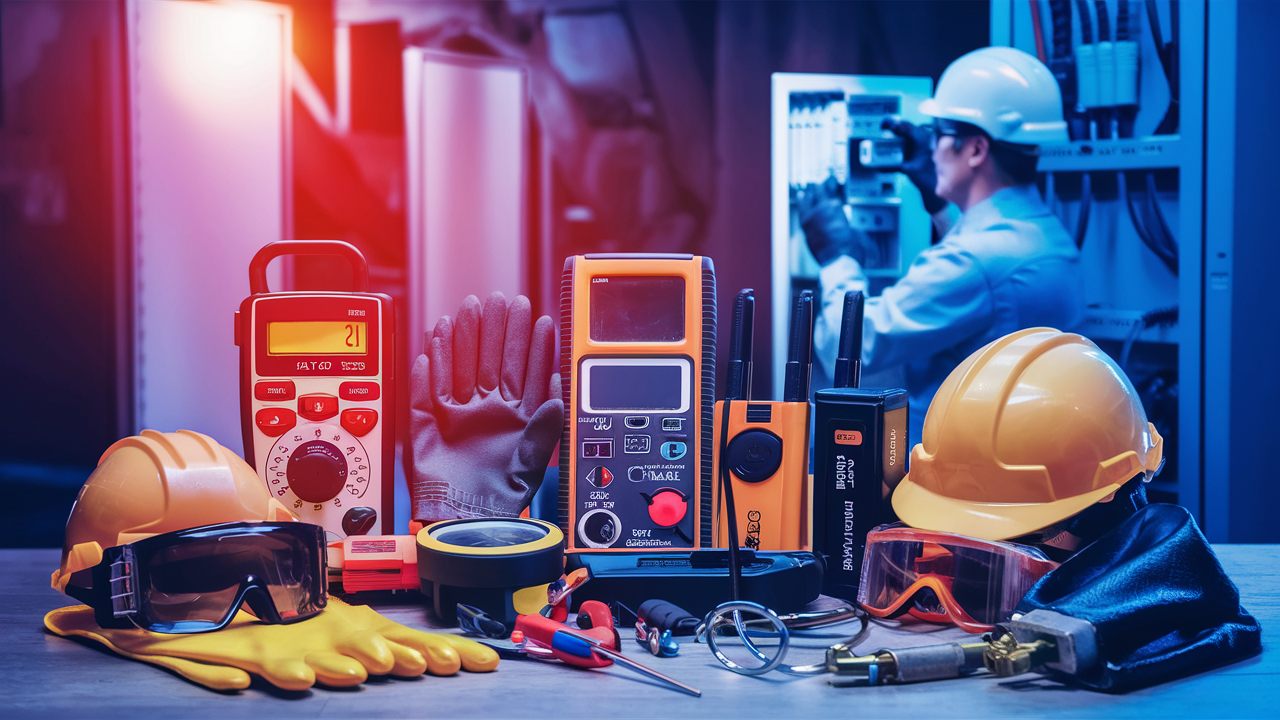
- Replace damaged wires, plugs and switches, and use insulated tools.
- Teach children never to poke anything into sockets or touch loose wires.
- Ask a licensed electrician to fit an RCCB (residual current circuit breaker). It cuts the supply when current leaks to earth.
- Do not run heavy appliances such as heaters, irons or motors on extension boards.
Outdoors, in storms and floods
- Treat every fallen line as live. Stay more than 8 to 10 metres away.
- Warn others loudly: “Stay back, live wire!”
- In floodwater, do not touch metal fences, electric poles or switches that are under water.
- Wait for the electricity company to switch off the line.
Myths and facts
| Myth | Fact |
|---|---|
| “Rubber chappals will protect me.” | Not reliably. Wet or worn soles can still conduct. Switch off the supply first. |
| “A wooden stick is safe to use.” | Wet wood conducts, and even dry wood is no guarantee. Switching off the supply is the safe way. |
| “They look fine, so no need for hospital.” | Wrong. The heart and deeper tissues can be affected. Always get a medical check. |
| “Electrical burns are easy to see.” | Many deep burns hide under a small mark on the skin. |
What needs to change
- RCCBs and proper earthing checks in homes, shops and factories.
- Electric shock rescue and CPR in school, college and workplace training.
- Faster emergency shut-off by electricity companies when a line falls.
- Warning signs at construction sites and public works near live lines.
Do this today
Show everyone at home where the main switch and the MCB board are, and make sure an adult can reach them in the dark. Save 112 and your electricity company’s complaint number on your phone. Then remember the order: switch off, stay back from live wires, call 112, and start CPR if the person is not breathing normally.
References
- National Crime Records Bureau, Ministry of Home Affairs: ADSI 2024 Table 1.10 (State & UT-wise other causes)
- St John Ambulance: Electric shock (low-voltage)
- Better Health Channel, Victoria State Government: Electric shock
- Resuscitation Council UK: Adult basic life support guidelines (2025)
- St John Ambulance: Burns and scalds
What needs attention
- Touching a person still in contact with electricity puts the rescuer at risk
- Switching off the supply is the safe way to break contact
- Fallen and high-voltage lines need the electricity utility, not a bystander
- CPR starts on unresponsiveness and abnormal breathing, not a pulse check
- Even an apparently mild shock needs medical assessment
- NCRB recorded 15,861 electrocution deaths in India in 2024
Controls that reduce risk
- Show every adult at home where the main switch and MCB board are
- Get a licensed electrician to fit an RCCB and check the earthing
- Replace damaged cables, plugs, switches and extension boards
- Keep switchboards away from sinks, taps and the gas stove
- Stop running heaters, irons and motors on extension boards
- Learn CPR and how to use an AED
- At work, make sure supplies are isolated before any repair
Common unsafe practices
- Touching the person before the power is off
- Approaching fallen or overhead lines
- Relying on household objects as insulation
- Delaying the 112 call
- Checking for a pulse instead of starting CPR
- Skipping medical assessment because the person looks fine
Leave a comment