
Quick answers
What are the warning signs that home wiring needs urgent checking?
Lights that flicker or dim, a burning smell from a socket, an MCB that keeps tripping or a fuse that keeps blowing, warm switches or a buzzing sound, sparks when you plug in, or a tingle when you touch an appliance or tap.
What is the difference between an MCB and an RCCB?
An MCB trips on overload or short circuit and protects the wiring from overheating and fire. An RCCB cuts the power when current leaks to earth, which protects people from shock. Fit both.
How can I prevent electrical fires at home?
Use ISI-marked wires, switches and appliances, never overload a socket or extension board, fit MCBs and an RCCB, replace damaged plugs and cords instead of taping them, keep curtains and papers away from sockets and the meter box, and unplug irons and heaters after use.
How can children and elderly people be protected from electrical hazards?
Use socket guards on low sockets, keep switchboards at a comfortable height for elderly family members, keep extension cords off wet floors, and teach children never to touch switches with wet hands.
In 2024, the National Crime Records Bureau (NCRB) recorded 1,042 fires caused by electrical short circuits, which killed 1,012 people. That is about one in six of all fire accidents. Another 15,861 people died of electrocution.
(Source: NCRB, Accidental Deaths & Suicides in India 2024.)
Our homes now run far more than a few bulbs and a fan. Think of the AC, the geyser, the induction cooktop, the microwave, two-wheeler and phone chargers, and the inverter. Much of the wiring behind our walls was never meant for that load. Add cheap extension boards, missing earthing and a few loose connections, and you have the conditions for a shock or a fire.
Electrical fires and electrocution (NCRB, 2023 and 2024)
| Indicator | 2023 | 2024 |
|---|---|---|
| Fires from electrical short circuits (cases) | 1,780 | 1,042 |
| Deaths in these fires | 1,673 | 1,012 |
| Deaths from electrocution | 13,835 | 15,861 |
(Source: NCRB, Accidental Deaths & Suicides in India 2023 and 2024, as reported by States/UTs.)
What the data shows:
- Short-circuit fires were about one in six (17.5%) of all fire accidents NCRB recorded in 2024.
- Electrocution deaths rose by about 15% from 2023 to 2024. Electricity killed far more people by shock than by fire.
- NCRB does not separate homes from other places for these causes, so the figures cover all settings.
Common causes of electrical fires and shocks
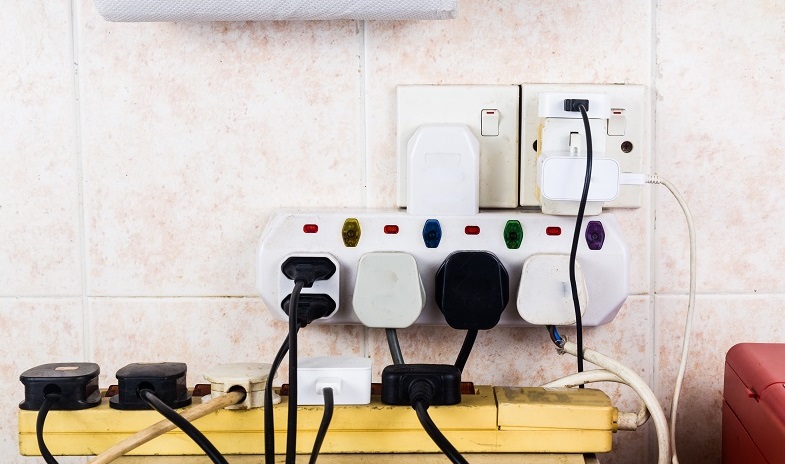
- Overloaded plug points. Too many appliances on one board or one socket.
- Loose or old wiring. Connections that heat up and spark inside the wall.
- Cheap, non-ISI switches, cables and extension boards. They heat up quickly and melt.
- No earthing. A fault in a geyser, washing machine or iron can make its metal body live.
- No RCCB. Without a residual current device, nothing cuts the power when current leaks through a person.
Case study: meter box fire, Jogeshwari, Mumbai (2026)
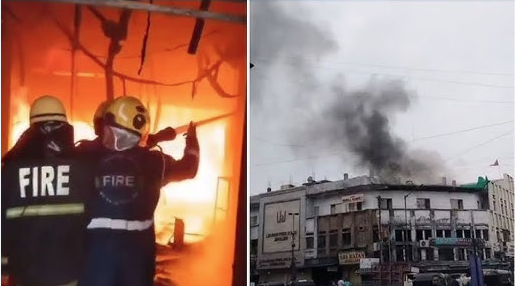
- What happened: a fire broke out in the electric meter box of a chawl in Jogeshwari East, Mumbai, early on 3 July 2026, and thick smoke spread through the premises.
- Result: an elderly couple, aged 75 and 67, died of suffocation.
- Lesson: a meter box or distribution board is a fire point. Keep it closed, clean and checked, and never store anything around it.
Signs your wiring needs checking now
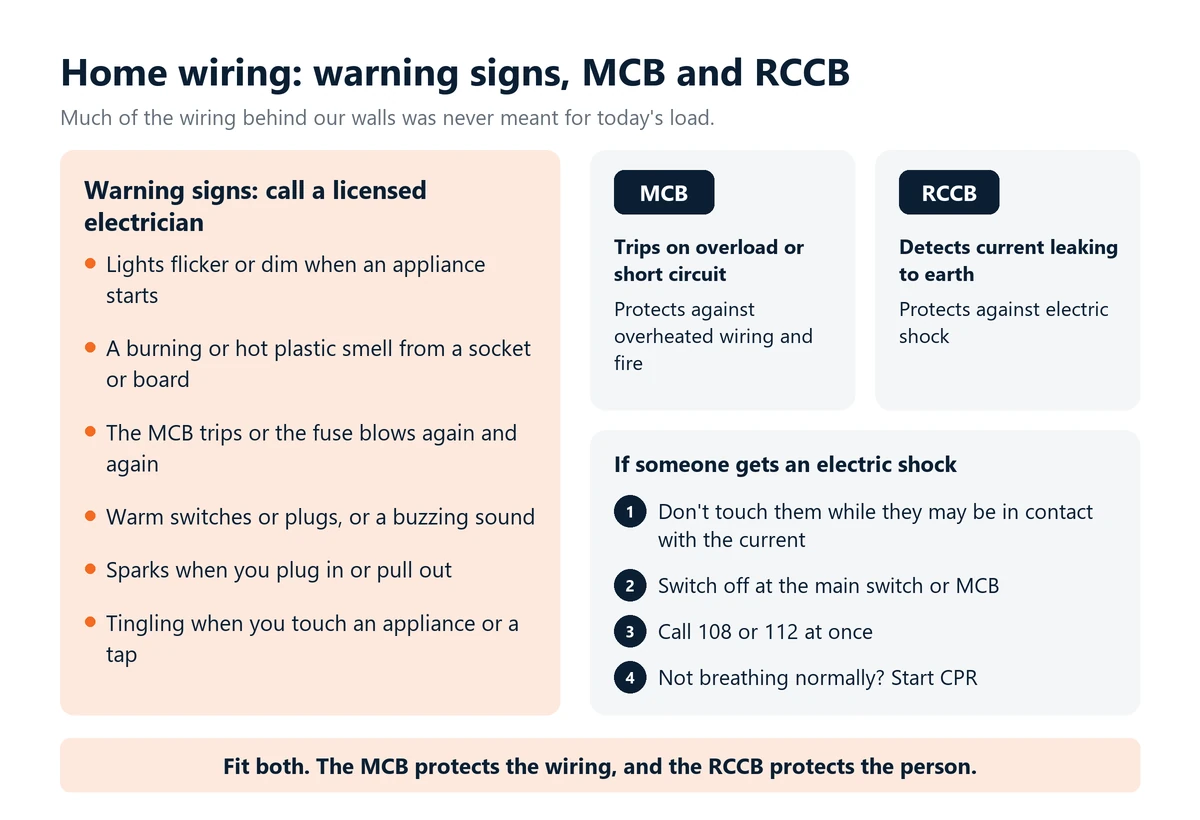
- Lights that flicker or dim when an appliance starts
- A burning or hot plastic smell from a socket or switchboard
- The MCB tripping or the fuse blowing again and again
- Switches or plugs that feel warm, or a buzzing sound
- Sparks when you plug in or pull out
- A tingling feeling when you touch an appliance or a tap
If you notice any of these, call a licensed electrician. Do not wait for the smell to turn into smoke.
Prevention steps for every home
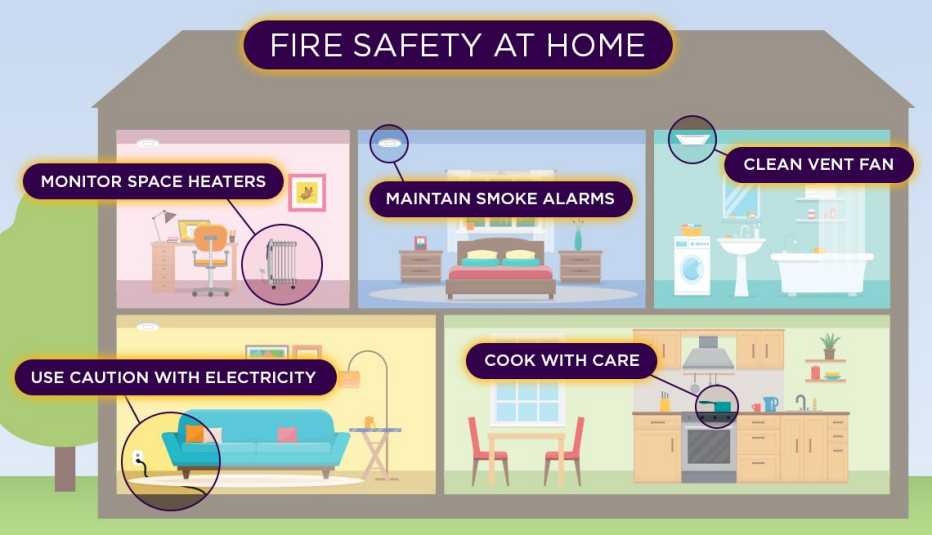
- Use only ISI-marked wires, switches, plugs and appliances.
- Never overload a socket or extension board. Heavy appliances such as ACs, geysers and heaters need their own proper socket.
- Have MCBs and an RCCB fitted in the main distribution board, and press the RCCB’s test button regularly.
- Make sure your home is properly earthed.
- Get the wiring checked by a licensed electrician when you move into an older house, before adding heavy appliances and whenever you notice warning signs.
- Replace damaged plugs and cords at once. Do not tape them up.
- Keep curtains, papers and clothes away from sockets, the meter box and the distribution board.
- Switch off and unplug irons, heaters and immersion rods after use.
MCB or RCCB: what is the difference?
| Device | What it does | Protects against |
|---|---|---|
| MCB | Trips on overload or short circuit | Overheated wiring and fire |
| RCCB | Detects current leaking to earth | Electric shock |
Fit both. The MCB protects the wiring, and the RCCB protects the person.
Children and elderly people
- Use socket guards on low sockets where small children can reach them.
- Keep switchboards at a comfortable height for elderly family members, so they do not have to stretch or climb.
- Keep extension cords off wet floors and away from bathrooms.
- Teach children never to touch switches with wet hands or pull a plug by its cord.
If someone gets an electric shock
- Do not touch them while they may still be in contact with the current.
- Switch off the power at the main switch or MCB. If you cannot, push the source away with something dry and non-metallic, such as a wooden broom handle, while standing on something dry.
- Call 108 or 112 at once.
- If the person is not breathing normally, start CPR and keep going until help arrives. If you are not trained, push hard and fast in the centre of the chest.
- Anyone who has had a serious shock should see a doctor, even if they seem fine.
If there is an electrical fire
Switch off the power at the main if you can do it safely. Never throw water on an electrical fire. A small fire can be tackled with a CO2 or ABC dry powder extinguisher. If it is spreading, get everyone out and call 101 or 112.
What should change
- New homes should get an electrical safety check and certificate before people move in.
- Building approvals should require proper earthing, MCBs and RCCBs.
- Electricity distribution companies should run regular public awareness on safe wiring.
- Sale of non-ISI electrical products should be strictly penalised.
- Electricians should be trained and licensed under a proper national scheme.
Do this tonight
Look at the extension board behind your TV or fridge. If it is crowded, warm or cracked, unplug something. Then open the distribution board and check whether you have an RCCB. If you do not, call an electrician this week.
Wondering whether too many appliances share one socket? Our appliance load checker lets you pick what runs together and tells you in plain words whether the socket or MCB can take it. It is a guide only, so ask a qualified electrician for a proper check.
References
- NCRB, Accidental Deaths & Suicides in India 2024, Chapter 1 and Tables 1.7, 1.8 and 1.12 (ncrb.gov.in)
- NCRB, Accidental Deaths & Suicides in India 2023, Table 1.7
- Bureau of Indian Standards, National Building Code of India 2016, Part 8, Building Services (electrical installations)
What needs attention
- Electricity killed far more people by shock than by fire in 2024
- Electrocution deaths rose by about 15% from 2023 to 2024
- Short circuits caused about one in six fire accidents in 2024
- Modern appliance loads often exceed what older home wiring was built for
- Missing earthing and RCCBs leave people unprotected from shock
- Meter boxes and distribution boards surrounded by clutter can start deadly fires
Controls that reduce risk
- Fit MCBs and an RCCB in the main distribution board
- Make sure the home is properly earthed
- Use only ISI-marked wires, switches and appliances
- Get wiring checked by a licensed electrician when moving into an older home or adding heavy appliances
- Give heavy appliances their own proper sockets
- Fit socket guards where small children can reach
Common unsafe practices
- Running many appliances off one extension board
- Using cheap, non-ISI switches, wires and extension boards
- Taping up damaged cords instead of replacing them
- Living without earthing or an RCCB
- Storing things around the meter box
- Touching a person who is still in contact with live current
- Throwing water on an electrical fire

Leave a comment