
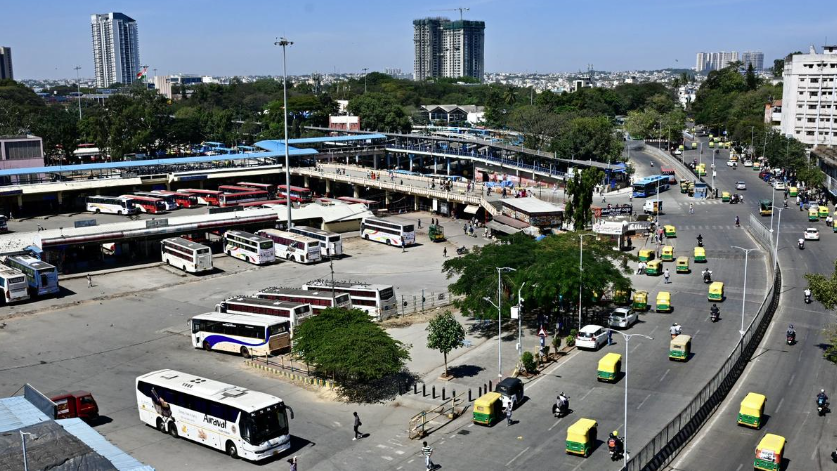
📍 What We Found (During Regular Travel)
In the last few weeks, we observed shocking fire safety failures in India’s busiest public spaces. These are not small gaps — they are life-threatening system breakdowns. These are our own first-hand observations and photographs; they have not been independently verified or confirmed by the bus-station, railway or metro operators.
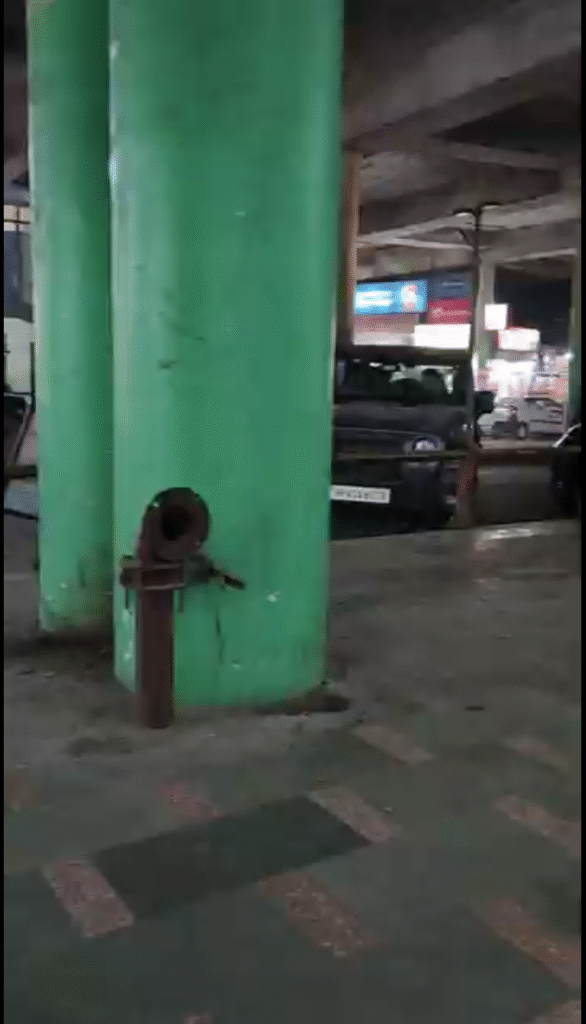
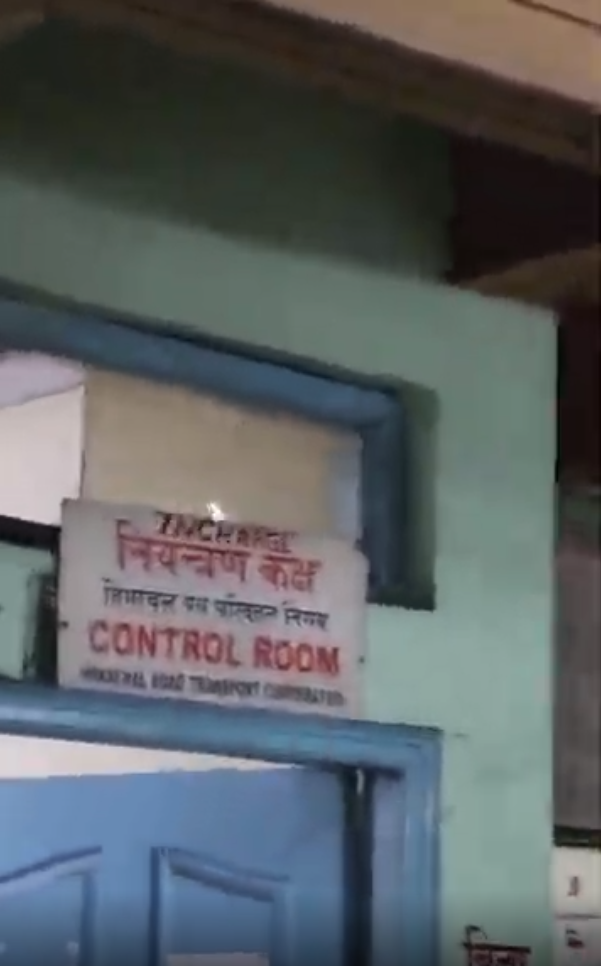
- Bus Station (Shimla) – Fire hydrant not functional 🚫
➝ Visible open flange where hydrant should be.
➝ Either missing, stolen, or never installed.
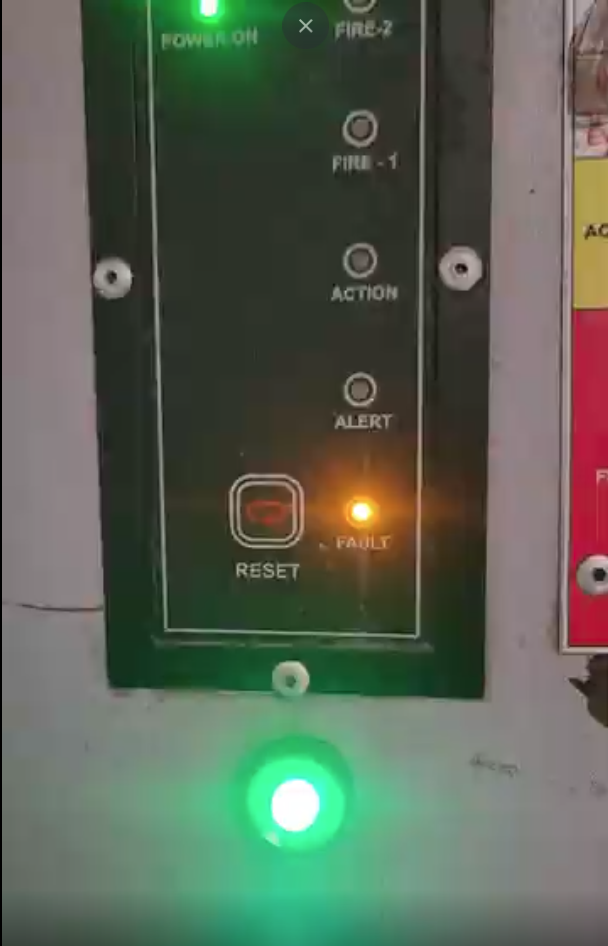
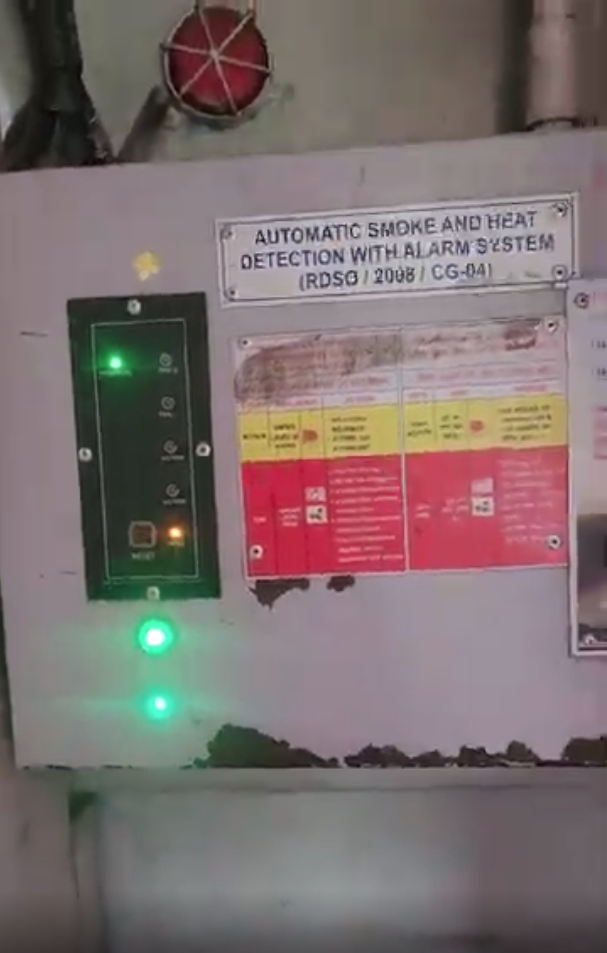
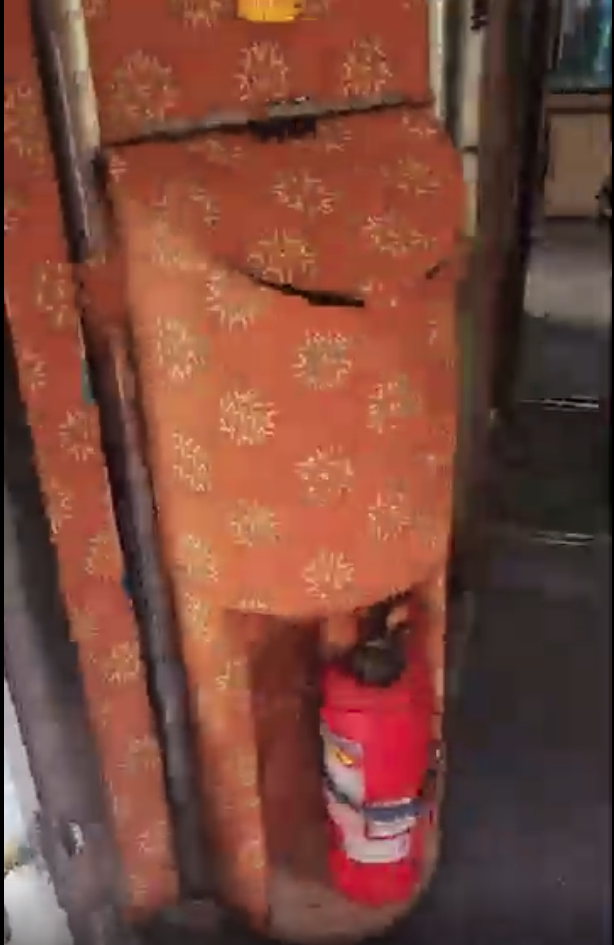
- Train (Shatabdi Express) – Fire alarm faulty 🚫
➝ Indicator light clearly malfunctioning in coach.
➝ If fire starts, passengers will never get an early warning.
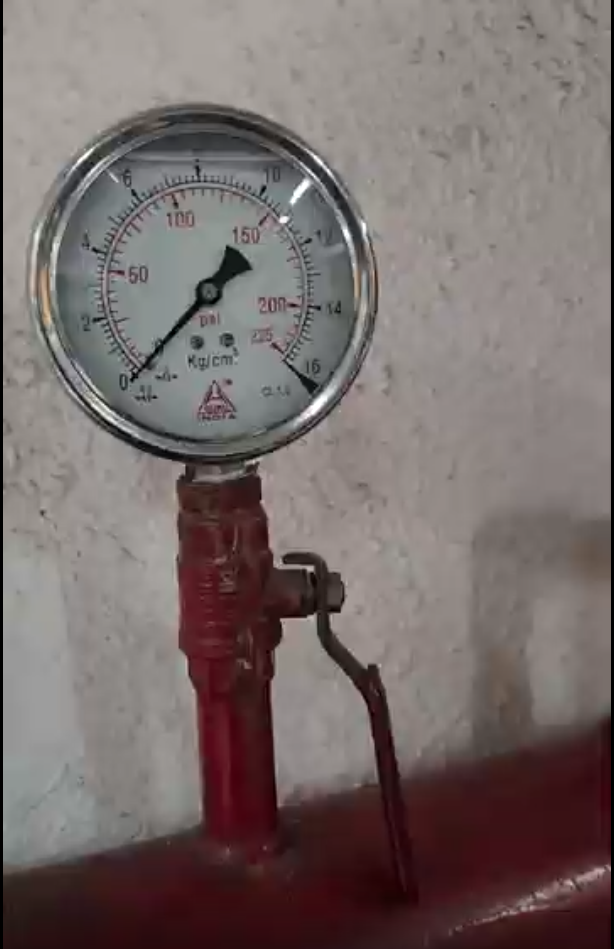
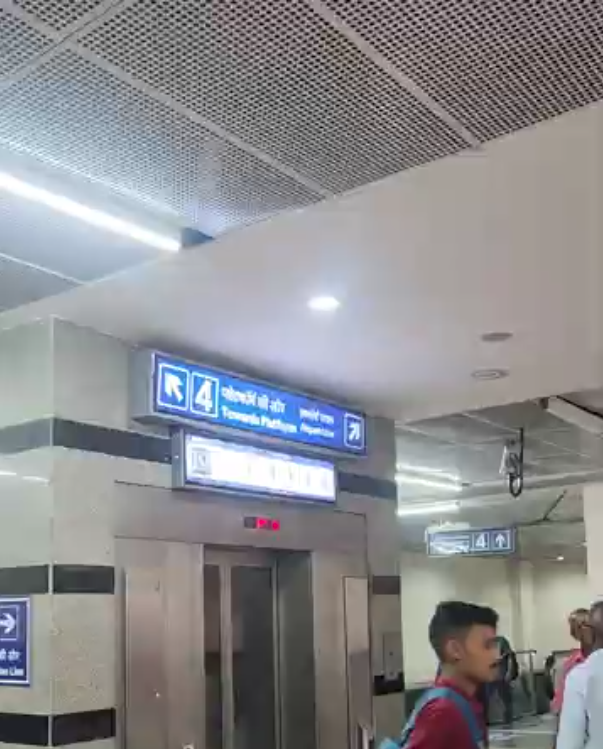
- Metro Station (Dwarka, Delhi) – Fire hydrant not charged 🚫
➝ Pressure gauge showed ZERO — system dry, useless in emergency.
➝ No one checking daily.
🔍 Why This Matters
Public spaces like bus stations, trains, and metros handle lakhs of passengers every single day.
In case of fire:
- 🚫 Hydrant without water = no suppression
- 🚫 Alarm without sound = no evacuation
- 🚫 Exit without access = mass panic
This is how a small accident becomes a national disaster.
⚠️ The Core Problem
👉 Safety systems exist only on paper, not in function.
👉 Maintenance ignored — public trusts what they see, not what works.
👉 No citizen reporting system — failures continue hidden.
🛡 How You Can Survive & Help
✅ Notice – Check hydrants, extinguishers, alarms when in public spaces
✅ Inform – Report immediately to station/metro/train authorities
✅ Document – Take photo/video (if safe)
✅ Share – Send to HowToSurvive.in or tag relevant authorities
✅ Teach family – Don’t ignore safety gaps; one report = many lives saved
📢 Public Call to Action
Don’t do this for others.
Do it for your family, your children, your loved ones.
🚨 If you notice a fire safety gap:
- Report it.
- Record it.
- Raise it.
👉 Your voice can prevent the next disaster.
📌 Tags
#PublicSafety #FireSystems #IndiaTransportSafety #HowToSurvive #VFFIndia #DisasterPrevention
🔚 Closing Line
Public spaces are meant for travel, not for tragedy.
But without working fire systems, every passenger is at risk.
This is why we started HowToSurvive.in — to awaken awareness, before disaster awakens us.
What needs attention
- A hydrant without water pressure gives no firefighting capability
- A faulty alarm removes the early warning passengers need to evacuate
- Bus stations, trains and metro stations carry large crowds, so failures have a high consequence
- Visible equipment is not proof that a system works; it needs routine testing
- Passenger reports help operators find and fix defects
Controls that reduce risk
- Check hydrant pressure gauges daily and act at once on a zero reading
- Replace missing hydrant valves, hoses and fittings and secure them against theft
- Test coach fire-alarm and detection indicators before each trip
- Keep a written log of every defect and the date it was fixed
- Give passengers an easy, published way to report a safety fault
- Run evacuation drills at busy stations with staff on every shift
Common unsafe practices
- Leaving a hydrant point with an open flange and no valve or hose
- Running a train coach with a faulty fire-alarm indicator
- Leaving a hydrant uncharged, with the gauge at zero, and nobody noticing
- Trusting equipment because it is visible, without testing it
- Passengers noticing a fault and not reporting it
Leave a comment