

Quick answers
What does a fire NOC actually prove?
A fire NOC records an authority decision at a particular stage under the local process. It does not freeze the building in that condition, guarantee future maintenance or remove the owner and occupier duties.
How can residents check if building fire systems really work?
Ask for the latest functional-test evidence and the open-defect register, not just the certificate at reception. Inspection reports, maintenance records, fire-door checks, clear exits and drills show current readiness.
When should a building fire safety be reassessed after getting an NOC?
Reassess after renovation, change of use, increased occupancy, new storage or electrical or utility alterations, and record and fix any system impairment immediately.
What should I do during a building fire instead of checking certificates?
Follow the alarm and evacuation plan without waiting to inspect documents or systems, use stairs and safe exits, help others within your training and report blocked exits or impaired systems to responders.
Fire NOC: a paper shield against a real fire
Walk into almost any mall, hospital, office tower or big housing society and somewhere there is a framed Fire NOC (No Objection Certificate). It gives everyone a sense of security. But ask a simple question: when did the fire pump last run? Often nobody knows.
In India, many buildings need a Fire NOC, depending on their height, use and the state’s rules. For example, the Supreme Court noted in September 2025 that, under the National Building Code 2016, an educational building below 15 metres does not need one. The worry is simple. A certificate shows that a building was approved at one point. It does not prove that its fire protection system works today.
A system built on paper, not safety
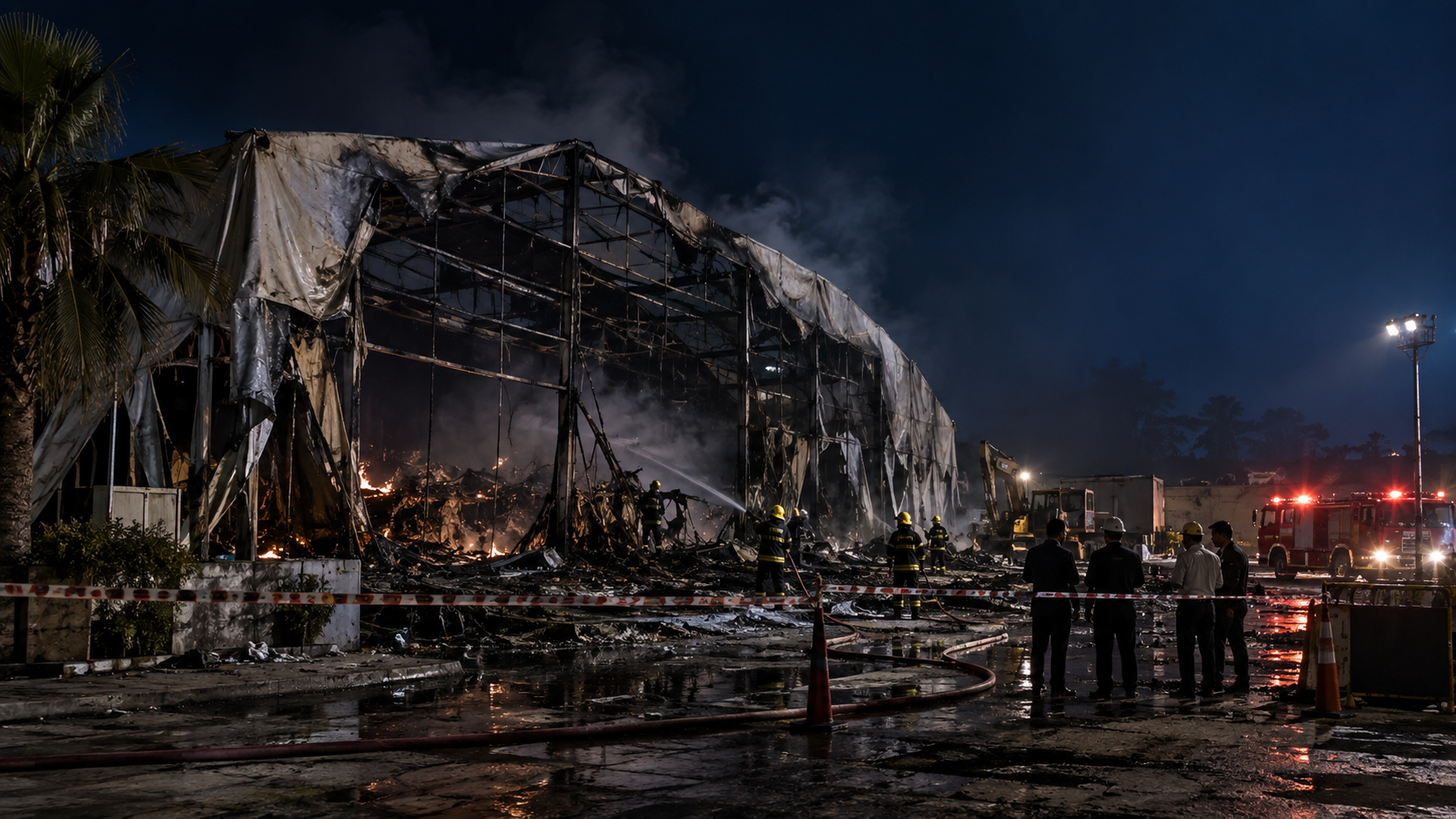
In our work we keep seeing the same pattern. Commercial complexes and housing societies display their NOC, but the sprinkler valve is shut, the hydrant hose is missing, the pump is on manual or the alarm panel is showing faults that nobody has cleared. Lakhs of rupees go into installing these systems, and then the maintenance budget is cut. The equipment was put in to tick a box, and nobody owns the job of keeping it alive.
This is not only an Indian problem. In the United States, the National Fire Protection Association’s 2017 report U.S. Experience with Sprinklers found that in three-fifths of the fires where sprinklers failed to operate, the system had been shut off. Maintenance and management, not the paperwork, decide whether a system works.
A working system rarely makes the news
When a working system controls a fire, nothing dramatic happens, so nobody hears about it. The same NFPA report found that in US fires large enough to set them off, sprinklers operated 92% of the time and were effective in 96% of the fires where they operated. A system that is switched off, blocked or broken gives none of that protection. That is why an NOC must be backed by systems that are kept in working order.
Government buildings should set the example, but we often find fire safety neglected there too: no system at all, or one in such poor shape that it might as well not be there. It has become so common that nobody reacts until a fire breaks out, and by then it is too late.
The illusion of compliance
Too often the NOC becomes a shield against responsibility. It is obtained to satisfy the rule on paper, and after that the owner, the developer and the occupants each assume someone else is looking after safety.
There is also the question of what is checked in the first place. Fire load, electrical load and the real evacuation route for the people who will actually use the building matter as much as the list of equipment. If the use of a building changes, for example a godown becomes an office or a residential floor becomes a coaching centre, the old approval may no longer fit at all.
Why are we blind to the real risk?
We have got used to it. After every big fire there is anger for a week, and then the focus goes back to cutting costs and ticking boxes. Money is spent on buying equipment, but very little on keeping it working. That is the gap where lives are lost.
What you can ask for
- Not just the certificate, but the test reports. Ask your society or building manager for the latest dated test of the fire pump, alarm and sprinklers.
- The defect list. Which faults are open, who is fixing them and by when?
- A review after changes. Any renovation, change of use, new storage or extra electrical load should trigger a fresh fire safety check.
- Drills. When did residents or staff last practise getting out?
- Evidence for complaints. If you suspect a false certificate or a bribe, report it to the fire authority or your state’s anti-corruption body with photos, dates and documents.
Time to demand accountability
A Fire NOC has to be more than a bureaucratic exercise. Governments, fire services, building owners and developers must all answer for whether fire safety measures actually work, not only whether they were installed. That means regular inspections, real penalties for switching systems off, and owners who budget for maintenance every year.
Tonight, look at the fire equipment in your own building. Is the extinguisher tag current? Is the hose reel there? Is the staircase door free? If not, raise it tomorrow.
फायर NOC: असली आग के सामने एक कागज़ की ढाल
किसी भी मॉल, अस्पताल, दफ़्तर या बड़ी सोसायटी में जाइए, कहीं न कहीं फ्रेम में लगा फायर NOC (नो ऑब्जेक्शन सर्टिफिकेट) दिख जाएगा। इसे देखकर सबको लगता है कि इमारत सुरक्षित है। लेकिन एक सीधा सवाल पूछिए: फायर पंप आखिरी बार कब चलाकर देखा गया? अक्सर किसी को पता नहीं होता।
भारत में कई इमारतों को फायर NOC की ज़रूरत होती है; यह इमारत की ऊँचाई, उपयोग और राज्य के नियमों पर निर्भर करता है। उदाहरण के लिए, सितंबर 2025 में सुप्रीम कोर्ट ने नोट किया कि राष्ट्रीय भवन संहिता 2016 के तहत 15 मीटर से कम ऊँची शैक्षणिक इमारत को फायर NOC की ज़रूरत नहीं है। चिंता सीधी है: प्रमाणपत्र यह दिखाता है कि इमारत को किसी एक समय पर मंज़ूरी मिली थी। इससे यह साबित नहीं होता कि उसकी अग्नि सुरक्षा प्रणाली आज काम कर रही है।
कागज़ पर टिकी व्यवस्था, सुरक्षा पर नहीं
अपने काम में हम बार-बार यही देखते हैं। कॉम्प्लेक्स और सोसायटी NOC दिखाती हैं, लेकिन स्प्रिंकलर का वाल्व बंद मिलता है, हाइड्रेंट की होज़ गायब होती है, पंप मैनुअल पर होता है या अलार्म पैनल पर ऐसी गड़बड़ियाँ दिखती हैं जिन्हें कोई ठीक नहीं करता। सिस्टम लगाने में लाखों रुपये खर्च होते हैं, फिर रखरखाव का बजट काट दिया जाता है।
यह सिर्फ़ भारत की समस्या नहीं है। अमेरिका की NFPA की 2017 की रिपोर्ट ‘U.S. Experience with Sprinklers’ के अनुसार, जिन आगों में स्प्रिंकलर नहीं चले, उनमें से तीन-पाँचवें मामलों में सिस्टम बंद किया हुआ था। सिस्टम काम करेगा या नहीं, यह कागज़ से नहीं, रखरखाव और प्रबंधन से तय होता है।
चालू सिस्टम खबर नहीं बनता
जो आग किसी चालू सिस्टम से काबू में आ जाती है, वह शायद ही खबर बनती है, क्योंकि कुछ बड़ा होता ही नहीं। इसी NFPA रिपोर्ट के अनुसार, अमेरिका में स्प्रिंकलर चलाने लायक बड़ी आगों में 92% बार स्प्रिंकलर चले, और जहाँ चले वहाँ 96% मामलों में कारगर रहे। बंद, रुकी हुई या खराब प्रणाली यह सुरक्षा नहीं देती। इसलिए NOC के साथ चालू हालत में रखी गई प्रणालियाँ भी ज़रूरी हैं।
सरकारी इमारतों को मिसाल बनना चाहिए, पर वहाँ भी अक्सर अग्नि सुरक्षा की अनदेखी दिखती है। या तो सिस्टम होता ही नहीं, या इतनी खराब हालत में होता है कि होना न होना बराबर है। आग लगने तक किसी को फ़र्क नहीं पड़ता, और तब तक देर हो चुकी होती है।
नियम पालन का भ्रम
कई बार NOC ज़िम्मेदारी से बचने की ढाल बन जाता है। इसे कागज़ पर नियम पूरा करने के लिए लिया जाता है, और उसके बाद मालिक, बिल्डर और रहने वाले, सब मान लेते हैं कि सुरक्षा कोई और देख रहा है।
यह भी देखना ज़रूरी है कि जाँच में क्या परखा गया। फायर लोड, बिजली का लोड और असल में इमारत इस्तेमाल करने वालों के लिए बाहर निकलने का रास्ता, ये उतने ही ज़रूरी हैं जितनी उपकरणों की सूची। अगर इमारत का उपयोग बदल जाए, जैसे गोदाम दफ़्तर बन जाए या रिहायशी मंज़िल कोचिंग सेंटर, तो पुरानी मंज़ूरी शायद लागू ही न हो।
आप क्या माँग सकते हैं
- सिर्फ़ सर्टिफिकेट नहीं, टेस्ट रिपोर्ट। सोसायटी या बिल्डिंग मैनेजर से फायर पंप, अलार्म और स्प्रिंकलर की ताज़ा, तारीख वाली टेस्ट रिपोर्ट माँगिए।
- खराबियों की सूची। कौन-सी खराबी बाकी है, कौन ठीक कर रहा है और कब तक?
- बदलाव के बाद दोबारा जाँच। मरम्मत, उपयोग में बदलाव, नया सामान रखना या बिजली का लोड बढ़ाना, हर बार अग्नि सुरक्षा की नई जाँच होनी चाहिए।
- ड्रिल। निवासियों या कर्मचारियों ने आखिरी बार बाहर निकलने का अभ्यास कब किया?
- शिकायत के साथ सबूत। अगर फर्जी सर्टिफिकेट या रिश्वत का शक हो, तो फोटो, तारीख और दस्तावेज़ों के साथ फायर विभाग या राज्य की भ्रष्टाचार-निरोधक संस्था में शिकायत कीजिए।
जवाबदेही का समय
फायर NOC सिर्फ़ एक सरकारी औपचारिकता नहीं रहना चाहिए। सरकार, फायर सेवा, भवन मालिक और बिल्डर, सबको इस बात का जवाब देना चाहिए कि सुरक्षा उपाय सच में काम करते हैं या नहीं, सिर्फ़ लगाए गए हैं या नहीं। इसके लिए नियमित निरीक्षण, सिस्टम बंद रखने पर असली सज़ा और हर साल रखरखाव का बजट ज़रूरी है।
आज रात अपनी इमारत के फायर उपकरण देखिए। क्या एक्सटिंग्विशर का टैग ताज़ा है? होज़ रील अपनी जगह है? सीढ़ी का दरवाज़ा खुला है? अगर नहीं, तो कल ही बात उठाइए।
What needs attention
- A Fire NOC records an approval at one stage; it does not keep the building in that condition or pass the owner's duty to anyone else
- India has national model codes, but states, UTs and local bodies make and enforce the actual rules, so there is no single Fire NOC system, let alone a global one
- In the US, most sprinkler failures came from systems that had been shut off, which shows that management matters more than paperwork
- Changes of use, renovation, new storage and extra electrical load can make an old approval meaningless
- The old claims in this post about UK and Beijing buildings and worldwide failure rates could not be traced and have been removed
- A complaint backed by a dated test result or a photo of a blocked exit gets action; a broad allegation does not
Controls that reduce risk
- Find out which authority, rules and renewal conditions apply to your building
- Keep the approved plans, NOC and its conditions where staff and auditors can see them
- Keep a register of alarms, pumps, hydrants, sprinklers, smoke control, emergency lights, fire doors and extinguishers
- Log every fault the day it is found, put a temporary safeguard in place and track it to closure
- Get a fresh fire review after renovation, change of use, more occupants, new storage or electrical changes
- Run drills for staff and residents and write down what went wrong
- Report suspected false certificates or bribery to the proper authority, with evidence
Common unsafe practices
- Treating the framed NOC as proof that systems work today
- Assuming every NOC is fake without any evidence
- Leaving a sprinkler valve or pump shut after maintenance
- Changing the use or layout of a floor without a fresh fire review
- Locking exits, wedging fire doors open or blocking fire-engine access
- Cutting the maintenance budget once the NOC is in hand
- Repeating foreign percentages that have no source
Leave a comment