
Quick answers
What fire safety lapses were seen in Indian public spaces?
Lapses observed included a temple hydrant with a missing valve, a restaurant with a missing smoke detector and capped sprinklers, a locked fire exit in a showroom, and metro hydrants with missing wheels, hoses or valves.
How can I check if a mall or restaurant is fire safe?
Look up to see whether smoke detectors are in place and sprinklers are open rather than capped, check that hydrants have their wheels, valves and hoses, and see whether fire exits are open or locked.
What should I do if I find a locked fire exit or broken hydrant?
Inform the authorities on site immediately, document the problem with photos or video, and speak up. A locked exit can turn a fire into panic and a stampede.
Why are public places like temples, malls and metros especially risky in a fire?
They have the highest density of people, so even a small fire, accident or collapse can quickly become a disaster if hydrants, exits, alarms or harnesses are not working.
📍 What We Found (Recent Observations in Public Spaces)
During recent travels, we documented alarming lapses in fire and life safety systems across India’s most crowded public spaces. These are not minor issues — they are death traps in waiting. These are our own first-hand observations and photographs. They have not been independently verified or confirmed by the temple, restaurant, showroom or metro operators, and conditions may have changed since.
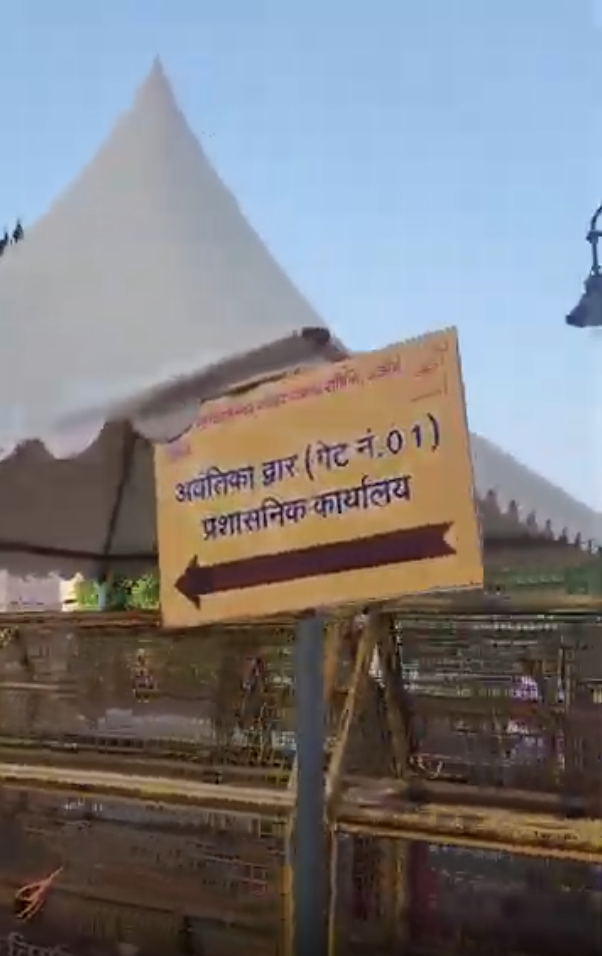
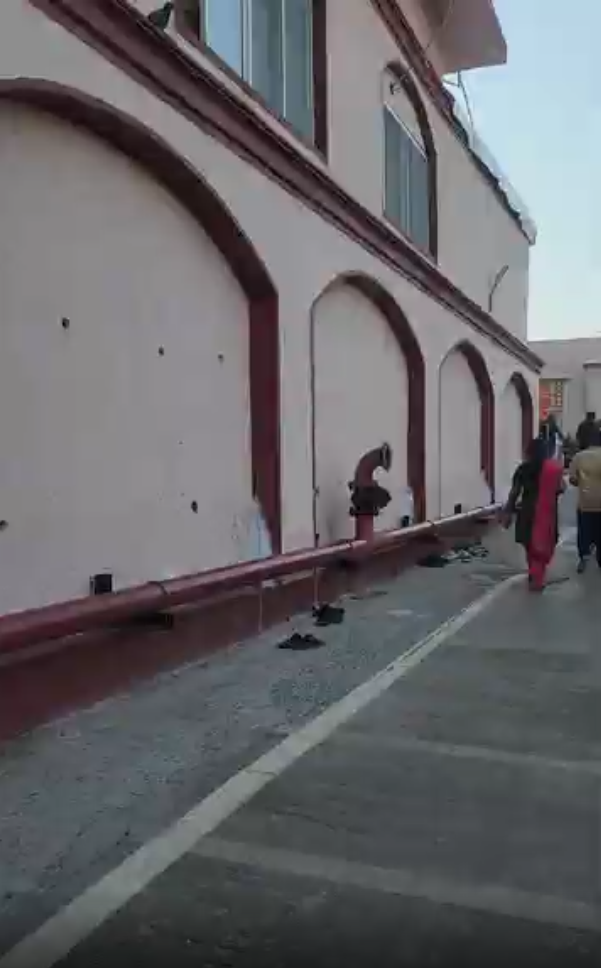
- Temple (Ujjain – Mahakal Temple Yard)
🚫 Hydrant installed but hydrant valve missing → System completely non-functional.
👉 Thousands of devotees visit daily — no protection in case of fire.
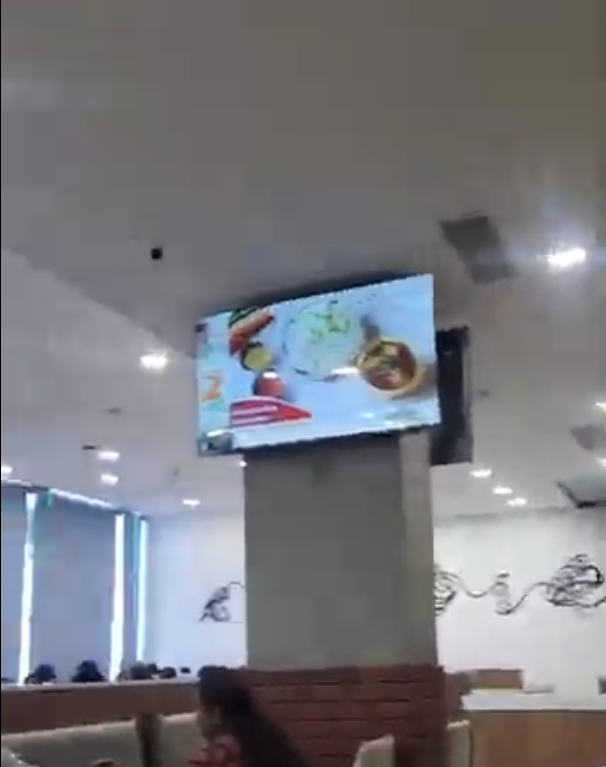
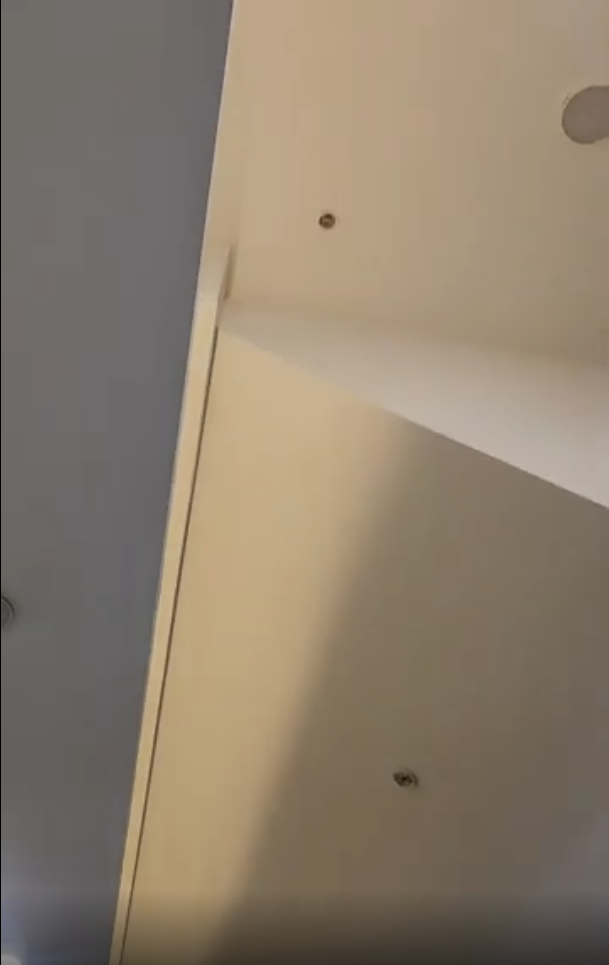
- Restaurant (Visakhapatnam)
🚫 Smoke detector missing (only base plate visible).
🚫 Sprinklers covered with caps.
👉 A packed restaurant with no detection, no suppression = instant disaster.
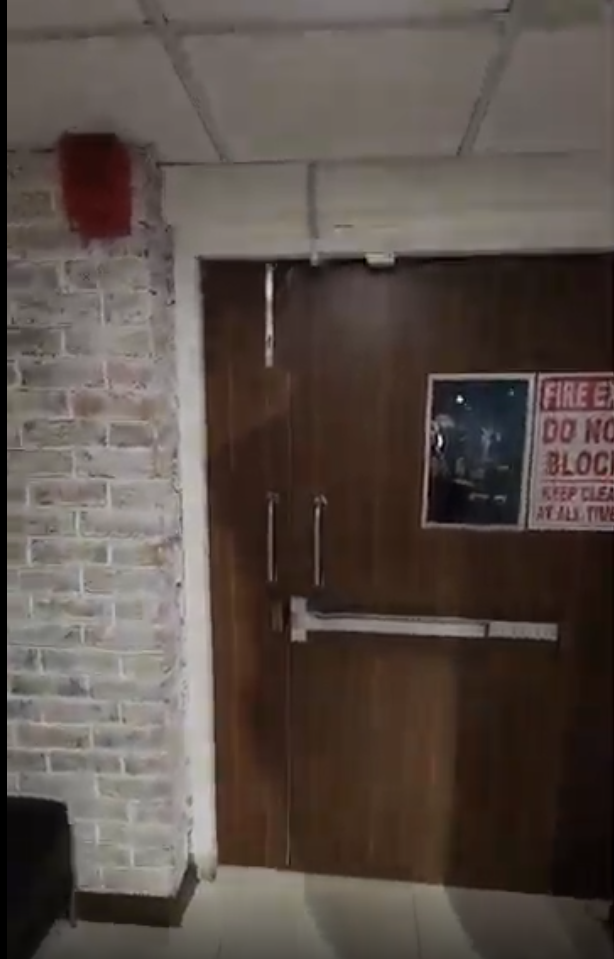
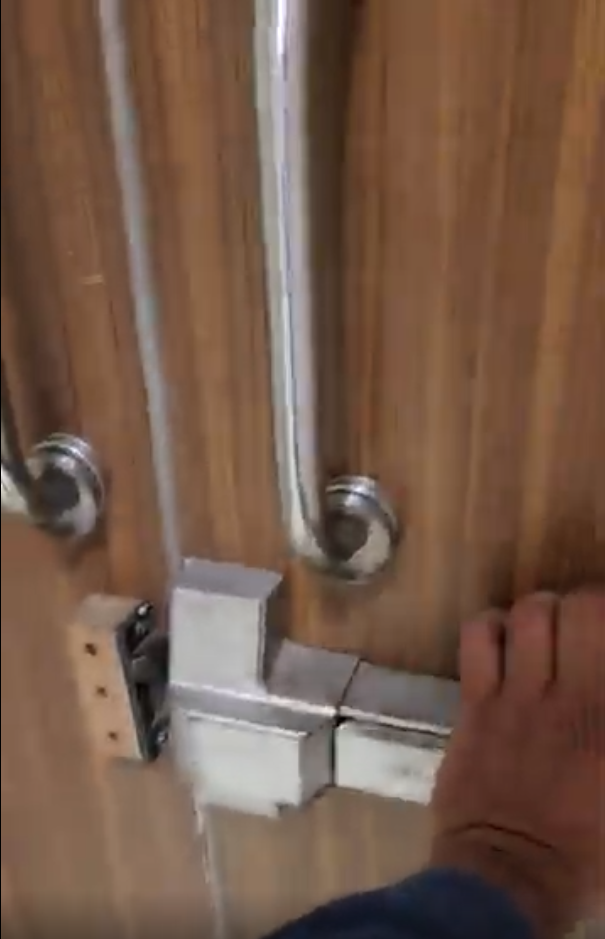
- Mall / Showroom (Lifestyle Showroom)
🚫 Fire exit locked.
👉 Locked exit = panic + stampede → maximum deaths.
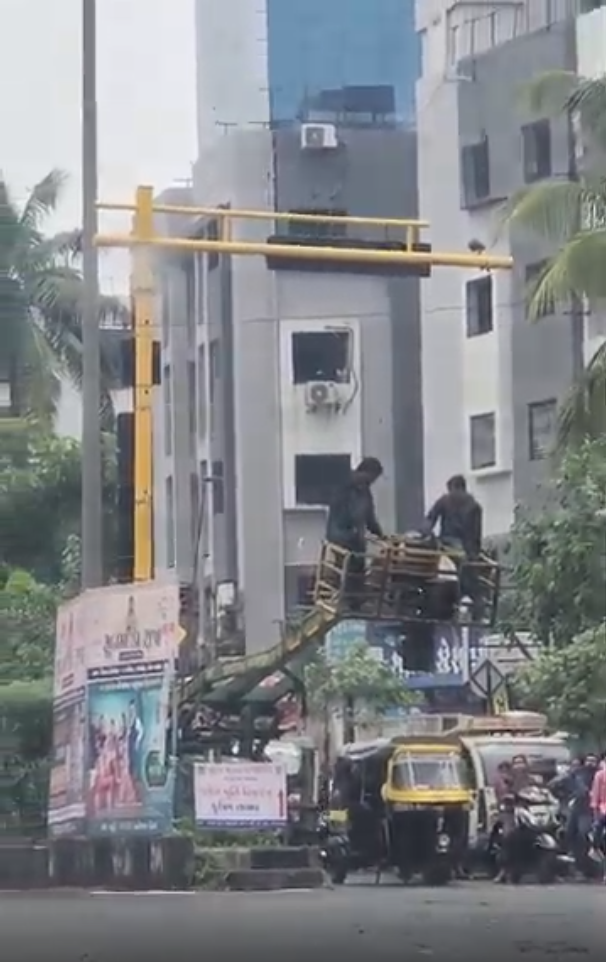
- On the Road – Worker Safety
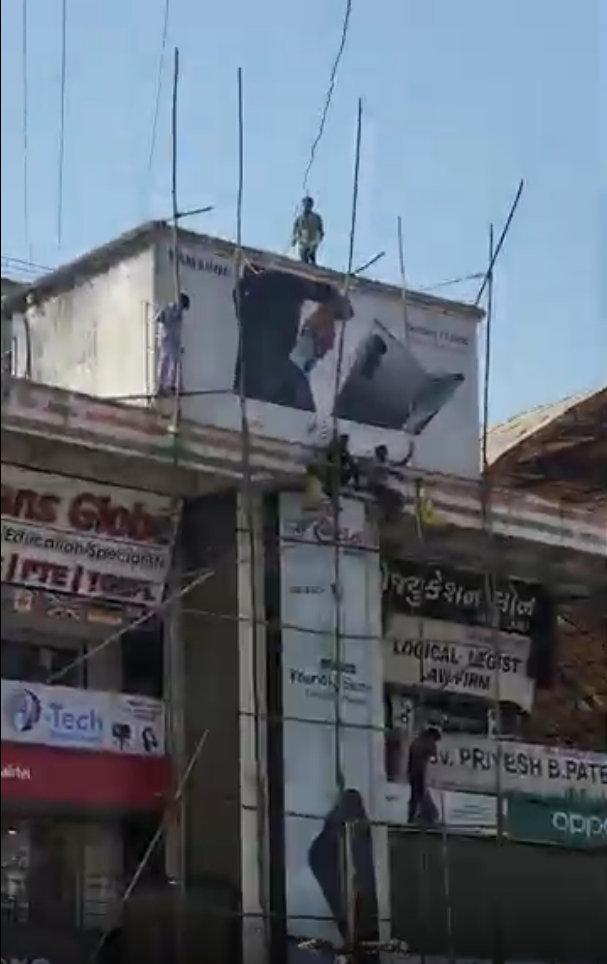
🚫 Workers on scaffolding at a commercial building — no helmets, no harness.
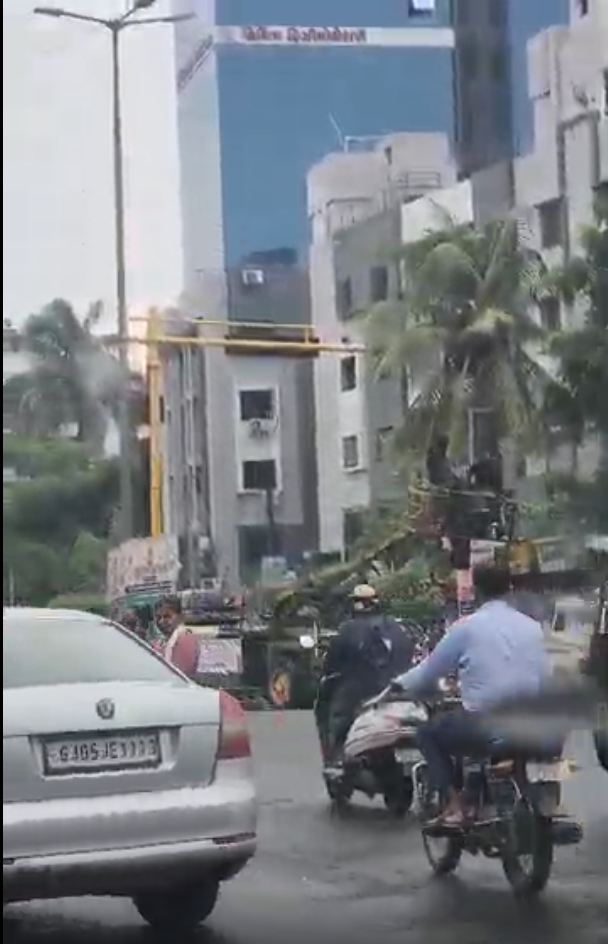
🚫 Municipal worker on busy road circle — working at height without harness.
👉 Falls in such crowded spaces = tragedy for workers and public.
- Metro Stations (Multiple Cities)
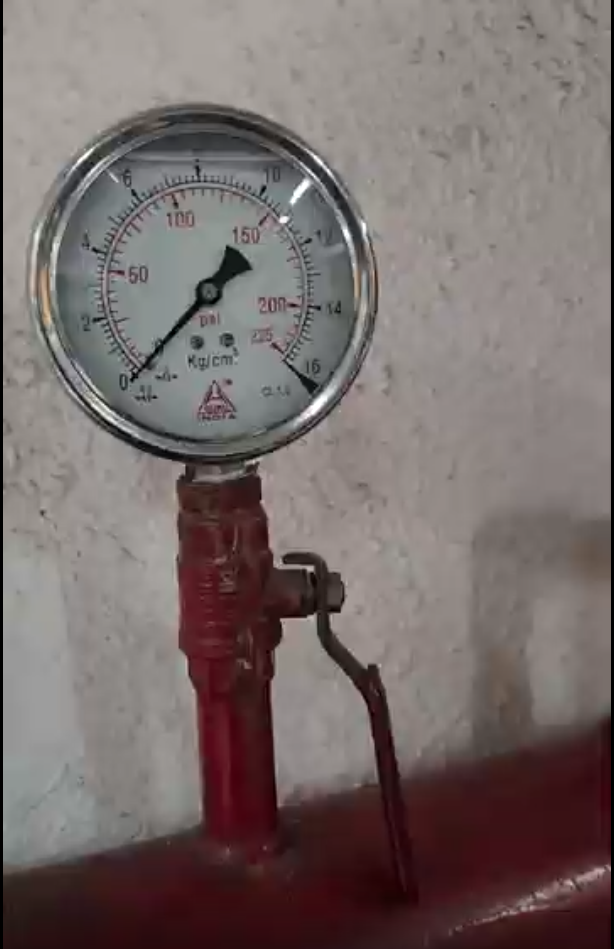
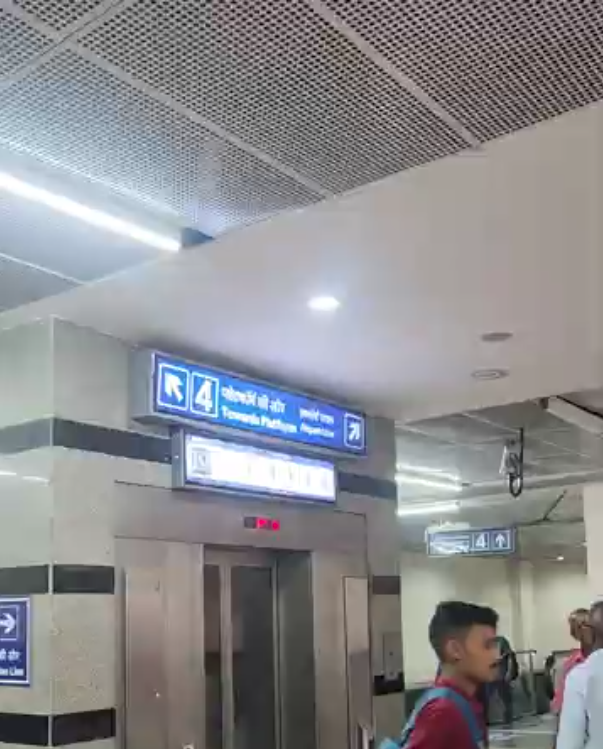
🚫 Hydrants placed at entry/exit gates — but in many cities:- Wheel theft from hydrants
- Hose pipes missing
- Hydrant valves missing
👉 These hydrants are not only for metro premises but also for public road safety nearby.
If fire breaks out at a metro station, mall, or busy junction — response = zero.
🔍 Why This Matters
Public spaces = highest human density zones.
- Temples, malls, restaurants, metros, roads → millions of citizens daily.
- Even a small fire, accident, or collapse here can kill dozens within minutes.
- Without working hydrants, exits, alarms, or safety harnesses → accidents instantly become disasters.
👉 Citizens trust that “systems are installed.”
Reality: They exist only on paper or as broken showpieces
⚠️ The Core Problem
- Fire systems = installed for compliance, ignored after inauguration.
- Maintenance = missing, theft unmonitored, no inspections.
- Worker safety = neglected in both government and private projects.
- Citizens = unaware, silent, and uninformed.
Result: Everyday negligence → future catastrophe.
📊 Data Context (India)
- In 2024, police across India recorded 5,971 fire accidents that killed 5,888 people (NCRB, Accidental Deaths & Suicides in India 2024).
- Six in ten of those deaths (3,555) happened in homes. The rest happened in shops, offices, factories, vehicles and other places, many of them buildings the public walks into every day.
🛡 How You Can Survive & Help
✅ Look up: Are smoke detectors in place? Are sprinklers open or capped?
✅ Notice hydrants: Are wheels, valves, or hoses missing?
✅ Check exits: Are they open or locked?
✅ Report: Immediately inform the authorities on site.
✅ Document: Share photo/video evidence with us at HowToSurvive.in.
✅ Educate: Talk to your family — don’t assume systems will work.
📢 Public Call to Action
This is not just about “compliance.”
This is about your safety, your family’s safety, your children’s safety.
🚨 Next time you are in a temple, mall, metro, restaurant, or office:
👉 Look around. Notice the hydrant, the exit, the alarm.
👉 If it’s missing or broken — SPEAK UP. REPORT IT. SHARE IT.
One citizen’s voice = one prevented tragedy.
📌 Tags
#PublicSafetyCheck #HowToSurvive #FireSafetyIndia #WorkplaceSafety #DisasterPrevention #VFFIndia
🔚 Closing Line
Every missing safety system = a missing chance to save a life.
Every locked exit = a locked future.
This is why we built HowToSurvive.in — to awaken citizens, before another tragedy awakens us.
What needs attention
- A hydrant with its valve missing cannot deliver any water, however well it is painted
- Capped sprinklers and a missing smoke detector leave a packed restaurant with no warning and no suppression
- A locked fire exit in a crowded shop can turn a small fire into a crush
- Hydrant wheels, hoses and valves at metro gates go missing to theft when nobody checks them
- Workers at height without helmets or harnesses put themselves and people below at risk
- Visible equipment is not proof it works; temples, malls and metros need routine checks
Controls that reduce risk
- Name one person responsible for checking hydrants, detectors and exits at each site
- Check hydrant valves, hoses and wheels every week and replace missing parts at once
- Remove sprinkler caps as soon as work in an area ends
- Keep every fire exit unlocked whenever the public is inside
- Provide helmets and harnesses for all work at height, and stop work without them
- Give visitors a simple way to report a safety fault on site
Common unsafe practices
- Installing fire systems for the approval and ignoring them afterwards
- Leaving caps on sprinklers after work is finished
- Locking fire exits to stop theft or keep out non-customers
- Not replacing stolen hydrant wheels, hoses and valves
- Letting workers climb scaffolding or work at height without a harness
- Citizens assuming 'the system is installed' means it works

Leave a comment