
Quick answers
What should I do if I smell a chemical leak at work?
Raise the alarm, report the smell or leak at once and leave the area. Move upwind or across the wind, away from the leak, and keep out of basements, drains and low ground, because gases such as chlorine are heavier than air and collect there.
How can chemical storage accidents be prevented?
Never block vents or stack drums too high, store incompatible chemicals separately, ensure good ventilation, maintain tanks and valves, and ground and bond tanks to prevent static sparks.
Why should workers learn hazard symbols and safety data sheets?
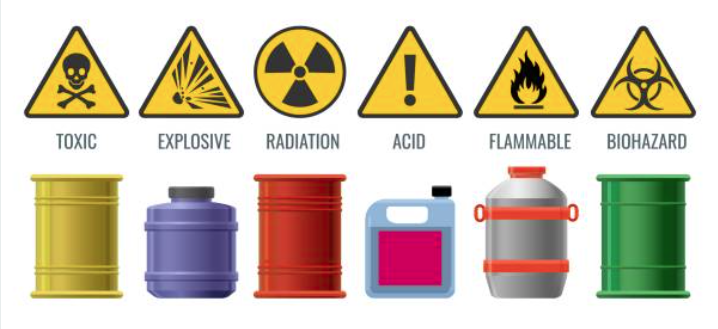
Knowing the safety data sheet, hazard symbols for flammable, corrosive and toxic materials, and evacuation maps helps workers avoid panic and respond correctly during even minor leaks.
Should workers take chemical plant sirens and drills seriously?
Yes. Participate in drills and never dismiss sirens as routine, and keep breathing masks or a wet cloth handy in high-risk units.
India is the sixth-largest chemical producer in the world and the third-largest in Asia (PIB fact sheet, September 2022). Thousands of tanks, drums and godowns hold solvents, gases and acids, often in industrial estates with homes just across the road. No public audit tells us how many of them are stored safely, and there is no public national count of chemical storage accidents.
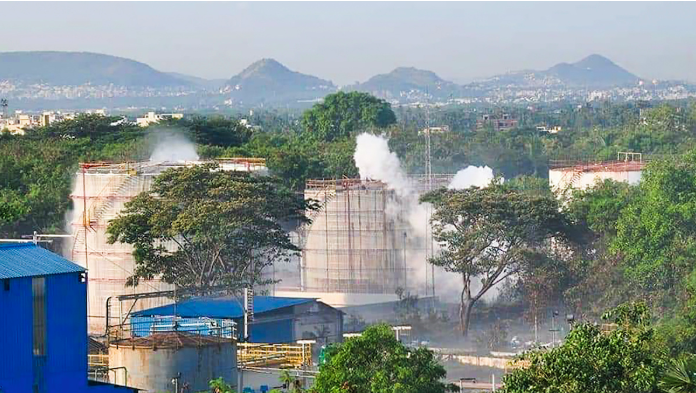
What we do have are the accidents themselves. In May 2020, styrene vapour from a storage tank at LG Polymers in Visakhapatnam killed 12 people. In May 2024, a blast at Amudan Chemicals in Dombivli had killed 11 by the next day. In August 2024, an explosion at Escientia in Anakapalli killed 17. From Bhopal in 1984 to Vizag and Dombivli, the pattern is the same: a tank or process gets out of control, the warning signs are missed, and the people living nearby pay as well as the workers.
Why this matters
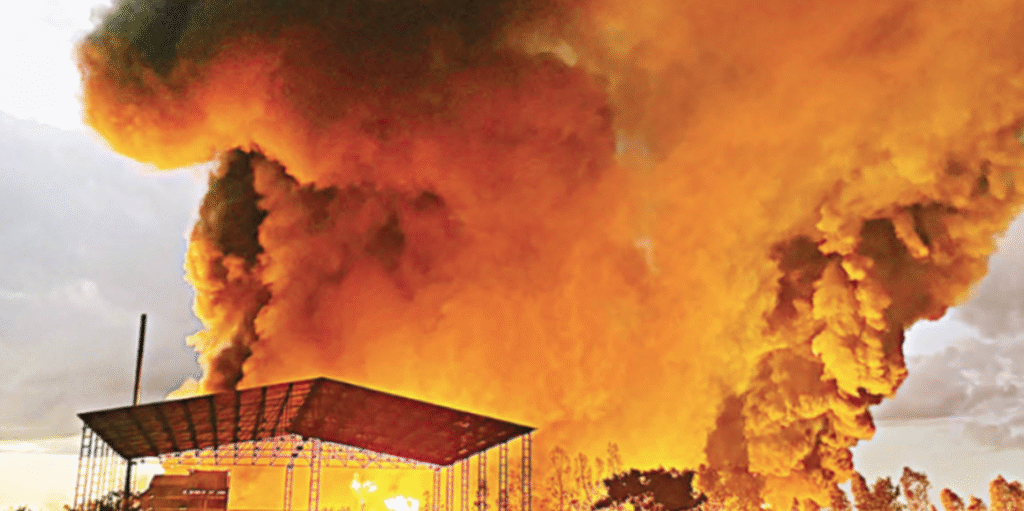
A chemical store is safe only while its temperature, pressure, valves and vents are under control. Tanks overfill, valves leak and cooling fails. The rules exist, but checks on the ground are often weak. One unnoticed rise in temperature or a power cut to a cooling system can start a leak or blast that reaches far beyond the factory wall.
Recent chemical storage and handling accidents
| Year | Place | What failed | Deaths |
|---|---|---|---|
| 2020 | LG Polymers, Visakhapatnam (Andhra Pradesh) | Styrene vapour escaped from a storage tank | 12 |
| 2022 | Sachin GIDC, Surat (Gujarat) | Chemical waste pumped from a tanker into a drain released toxic gas | 6; 20 in hospital |
| 2024 | MIDC Dombivli, Thane (Maharashtra) | Blast and fire at Amudan Chemicals | 11 as of 24 May; 64 injured |
| 2024 | Atchutapuram, Anakapalli (Andhra Pradesh) | Explosion at Escientia; police said a gas leak reached an electrical panel | 17; 34 injured |
Sources: The News Minute, 7 July 2020; Scroll, 6 January 2022; IANS, 24 May 2024; VOA, 22 August 2024. These are selected verified incidents, not a complete count.
Common hazardous chemicals and what they do
| Chemical | Where it is used | Main danger |
|---|---|---|
| Styrene, toluene | Plastics, paints | Flammable vapour; styrene can overheat and react inside the tank if not kept cool and inhibited |
| Ammonia | Cold storage, fertilisers | Toxic, corrosive gas that burns the eyes and lungs |
| Chlorine | Water treatment, bleaching | Toxic gas, heavier than air, that collects in low places and damages the lungs |
| Methanol, ethanol | Pharma, fuel blending | Fire and explosion; methanol burns with a flame that is hard to see in daylight |
| Hydrogen, LPG | Refineries, power plants, industry | Fire, and a violent explosion if a pressurised vessel is heated in a fire |
| Sulphuric acid, nitric acid | Dyes, fertilisers | Severe burns, and violent reactions with organic material and water |
| Hydrogen sulphide | Sewers, tanneries | Highly toxic gas; at high levels people can collapse within moments |
Where storage usually fails
| Weak point | What it looks like | What can happen |
|---|---|---|
| Overfilled or poorly vented tanks | No breather valve, no level or temperature alarm | Tank rupture, leak or explosion |
| Poor segregation | Incompatible chemicals stored side by side | Fire, toxic gas or a runaway reaction |
| Poor ventilation | Closed sheds, no exhaust fans | Vapour builds up until it finds a spark |
| Ageing equipment | Rusted pipelines, corroded supports | Leaks and collapse |
| No secondary containment | No bund wall or collection trench | Spills spread to drains, soil and groundwater |
| Untrained workers | Nobody has read the safety data sheet | Wrong response and panic during a small leak |
Three cases and what they teach
LG Polymers, Visakhapatnam, 2020
- What happened: on 7 May 2020, styrene vapour escaped from the M6 storage tank. The state’s High Power Committee found the temperature in the tank had risen sharply, turning liquid styrene into vapour. Refrigeration work in December 2019 had damaged the cooling system, and the temperature sensor sat at the bottom of the tank, so it could not show what was happening in the middle.
- Toll: 12 deaths, and hundreds of people affected.
- Warning failure: the committee said the siren did not work, and noted this at 36 places in its report.
- Lesson: watch tank temperature round the clock, with sensors that show the real picture, and keep the siren tested.
Sachin GIDC, Surat, 2022
- What happened: on 6 January 2022, a tanker was pumping chemical waste into a drain, and the reaction released toxic gas.
- Toll: 6 dead and 20 in hospital.
- Lesson: chemical waste has to be tracked from the plant to an authorised disposal site. Illegal dumping kills.
Amudan Chemicals, Dombivli, 2024
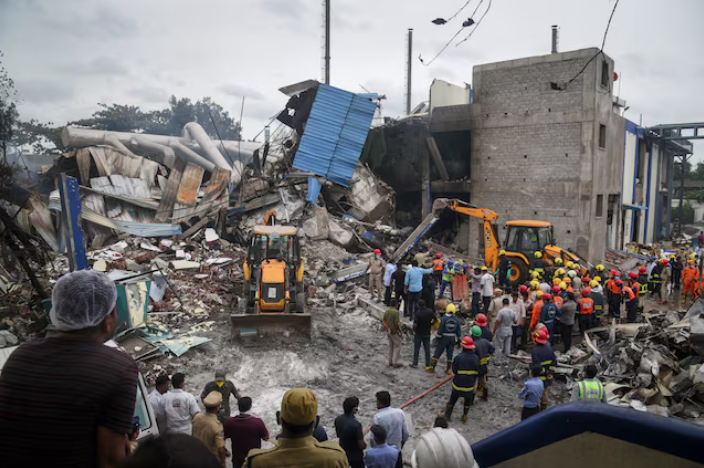
- What happened: a blast and fire at a chemical unit inside MIDC Dombivli on 23 May 2024. Ash and a chemical smell spread over about 4 km.
- Toll: 11 dead and 64 injured as of 24 May 2024.
- Lesson: hazardous units inside dense towns put neighbours at risk, not only workers.
The main laws and guidelines
| Law or guideline | What it covers |
|---|---|
| Manufacture, Storage and Import of Hazardous Chemicals (MSIHC) Rules, 1989, amended 1994 and 2000 | Safety reports, on-site and off-site emergency plans for hazardous chemical units |
| Chemical Accidents (Emergency Planning, Preparedness and Response) Rules, 1996 | Crisis groups at central, state, district and local level |
| NDMA Guidelines on Chemical Disasters (Industrial), 2007 | Roles of each agency in preventing and responding to chemical disasters |
| Occupational Safety, Health and Working Conditions Code, 2020 (in force from 21 November 2025; replaced the Factories Act, 1948) | Safety, health and working conditions of workers, including hazardous processes; existing rules and standards continue during the changeover |
| Hazardous and Other Wastes Rules, 2016 | Handling and disposal of hazardous waste |
The laws are not the main gap. The gap is in day-to-day checking, and in how well the pollution control board, fire service, factory inspectorate and disaster management authority work together.
For workers and people living nearby
- Know what is stored where you work. Read the safety data sheet, the hazard boards and the evacuation map.
- Never block vents or stack drums too high. Heat and pressure build up fast.
- Report strong smells, leaks and rusted pipelines straight away. Do not wait for the next shift.
- Learn the hazard symbols for flammable, corrosive and toxic materials.
- Take sirens and drills seriously. A siren is not “routine”.
- If there is a gas leak, move upwind or across the wind, away from the leak. Stay out of basements, drains and other low areas, because gases like chlorine are heavier than air and collect there.
- Keep a respirator where your job needs one. If you have nothing else while escaping, a wet cloth over the nose and mouth is better than nothing, but it is not protection. Getting out fast is what saves you.
- Call 112 or 101 from a safe place and tell them what chemical is involved if you know.
What needs to change
- A public register of major hazardous chemical stores, mapped so the fire brigade and district administration know what is where.
- Temperature and pressure alarms, and automatic shut-off valves, on major storage tanks.
- Proper buffer zones between hazardous storage and homes, decided at the planning stage.
- Industrial estates linked to fire control rooms so alarms reach them at once.
- Results of chemical safety audits made public.
- Regular training for everyone who handles chemicals, from tanker drivers to store staff.
One thing to do this week
If you work with chemicals, find the safety data sheet for one chemical you handle and read the first-aid and spill sections. If you live near an industrial estate, find out what the siren sounds like and which way you would go if it rang. We do not need another Bhopal or Vizag to learn the same lesson.
References
- Press Information Bureau, “Export of Chemicals and Allied Products” (AKAM fact sheet 60, 12 September 2022)
- The News Minute, “Vizag gas leak: Govt appointed panel finds LG Polymers guilty of negligence” (7 July 2020)
- The Tribune, “Report attributes Vizag gas leak to multiple lapses” (7 July 2020)
- Scroll, “Gujarat: Six people dead, 20 hospitalised after gas leaks from tanker at Surat factory” (6 January 2022)
- IANS, “Thane blast-cum-blaze toll is 11, chemical stink and ash cover a 4 km area” (24 May 2024)
- VOA, “Death toll in India factory explosion rises to 17” (22 August 2024)
- e-PG Pathshala (INFLIBNET), “Management of Chemical and Industrial Disasters in India”
What needs attention
- At LG Polymers the tank temperature rose unchecked after the cooling system was damaged, and the siren did not work
- Temperature sensors placed where they cannot read the real condition give false comfort
- Illegal dumping of chemical waste killed six people in Surat's Sachin GIDC
- Hazardous units inside dense towns put neighbours at risk, as Dombivli showed
- The rules exist; day-to-day checking and coordination between agencies are the weak link
Controls that reduce risk
- Fit level, temperature and pressure alarms on major tanks and check the sensors read the real condition
- Segregate incompatible chemicals using the safety data sheets
- Provide bund walls and spill containment around tanks and drum stores
- Keep the on-site emergency plan current and share the off-site plan with the district administration
- Test the siren regularly and tell neighbours what it means
- Train every handler, including tanker drivers and store staff, on the chemicals they move
Common unsafe practices
- Letting tank temperature or pressure go unwatched, especially during maintenance or shutdowns
- Storing incompatible chemicals together
- Running closed sheds with no ventilation where vapours collect
- Ignoring rusted pipelines, leaking valves and blocked vents
- Dumping chemical waste into drains instead of sending it for authorised disposal
- Letting the emergency siren go untested
Leave a comment