

Quick answers
What are the warning signs of a heart attack?
Chest pressure, tightness or pain, discomfort spreading to the arms, back, neck, jaw or stomach, shortness of breath, cold sweat, nausea and light-headedness can occur. Symptoms vary and may come and go.
What to do if someone may be having a heart attack?
Call 112 immediately and give the symptoms, exact location and whether the person is conscious and breathing normally. Help them rest, stay with them and follow the operator's instructions.
Should I give aspirin for a suspected heart attack?
Do not start aspirin or another medicine simply because an article suggests it. The emergency operator or treating clinician can advise whether aspirin is appropriate, and it must never delay calling.
What is the difference between a heart attack and cardiac arrest?
A person having a heart attack may still be awake and breathing. In cardiac arrest the person is unresponsive and not breathing normally; CPR and an AED are for suspected cardiac arrest, not a conscious person with chest pain.
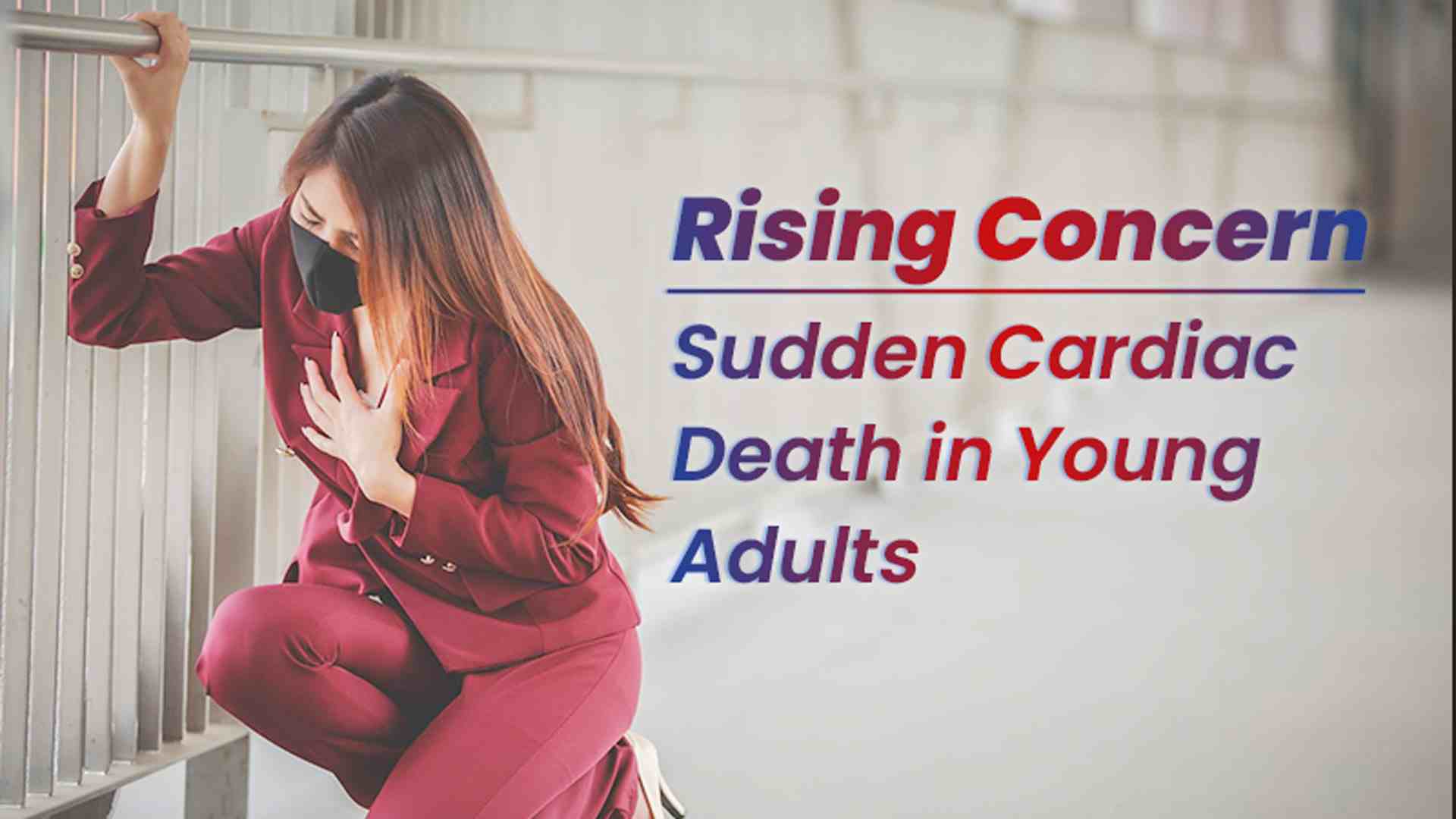
Cover image: AI-generated editorial illustration, not a photograph of a real patient.
Recognise a possible heart attack and call for help
A heart attack is a medical emergency. Chest pressure, tightness or pain may be a warning sign, but symptoms are not identical for everyone. Discomfort can spread to one or both arms, the back, neck, jaw or stomach. Shortness of breath, cold sweat, nausea and light-headedness can also occur. Some people, including women, older adults and people with diabetes, may have less typical symptoms. Do not wait for every symptom on a checklist or try to decide at home whether it is “just gas”. American Heart Association: warning signs.
What to do now
- Call 112 in India immediately if you suspect a heart attack. Tell the operator the symptoms, exact location and whether the person is conscious and breathing normally. Follow the operator’s instructions. Government of India ERSS 112.
- Stop activity. Help the person rest in a comfortable position and stay with them. If possible, use emergency medical transport rather than having the person drive themselves. Do not delay the emergency call while searching online, arranging home remedies or waiting for symptoms to pass. AHA/Red Cross first-aid guideline.
- Tell the operator about medicines, allergies and relevant medical history if known. Do not start aspirin or another medicine simply because an article suggests it. The emergency operator or treating clinician can advise whether aspirin is appropriate; it is not suitable for everyone and must never delay calling. AHA aspirin guidance.
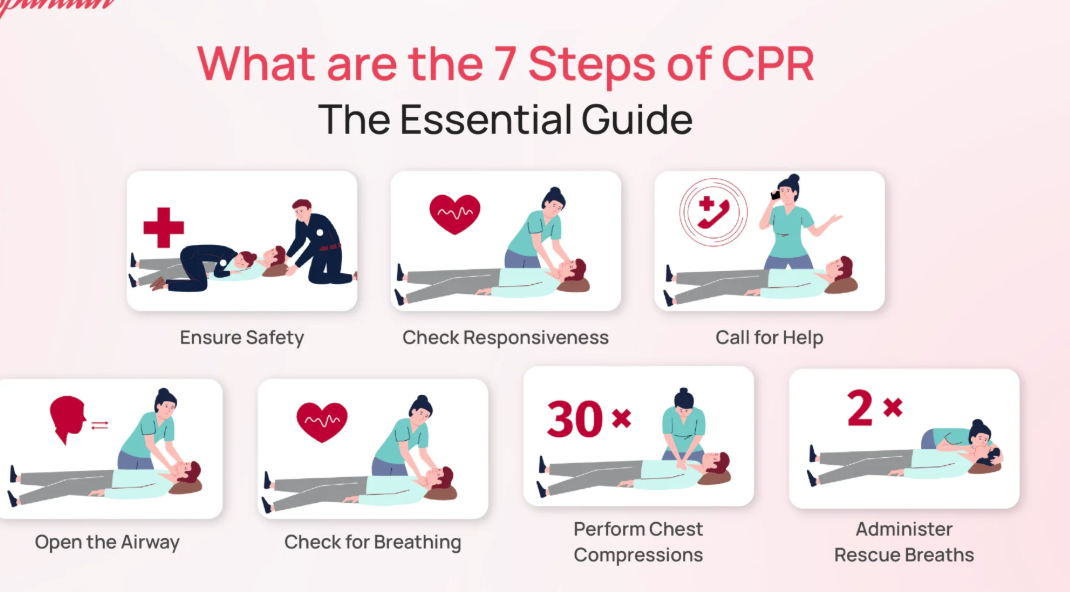
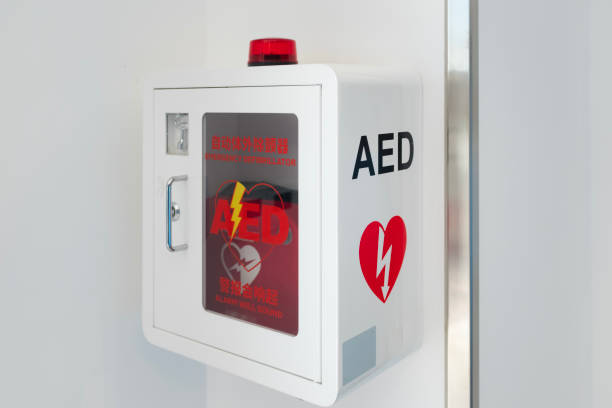
- If the person becomes unresponsive and is not breathing normally, tell the operator, begin CPR as directed and use an AED if one is available. An AED is for suspected cardiac arrest; it is not a treatment to apply to a conscious person with chest pain. AHA/Red Cross first-aid guideline.
Heart attack is not the same as cardiac arrest
A person having a heart attack may still be awake and breathing. Cardiac arrest means the heart has stopped pumping effectively; the person is unresponsive and not breathing normally. Both demand emergency help, but CPR and an AED are specifically for suspected cardiac arrest. A heart attack can lead to cardiac arrest, which is why someone should remain with the person and watch for a change in responsiveness or breathing. AHA: heart attack versus cardiac arrest.
Prepare before an emergency
Save 112, keep your address and access instructions easy to find, and learn CPR and AED use through recognised hands-on training. If you have known heart disease or risk factors, discuss your personal warning signs and treatment plan with a qualified clinician. Lifestyle changes can reduce risk over time, but they must not replace urgent assessment when new warning symptoms occur.
Scope: This public guide helps a bystander recognise warning signs and activate care. It cannot diagnose a heart attack or replace emergency-dispatch and clinical instructions. The AHA/Red Cross guidance cited here is international; the Indian emergency number is 112.
What needs attention
- Heart-attack symptoms vary and may begin mildly or come and go.
- Chest discomfort, shortness of breath, sweating, nausea or pain in the arm, back, neck or jaw can occur.
- Heart attack and cardiac arrest are related but different emergencies; CPR/AED is for cardiac arrest, not routine treatment of a conscious person.
Controls that reduce risk
- Save India's emergency number 112 and ensure family members know the full address.
- Learn recognised CPR and AED skills for an unresponsive person who is not breathing normally.
- Discuss personal cardiovascular risk and treatment with a qualified clinician rather than relying on a generic web checklist.
Common unsafe practices
- Waiting for severe pain or certainty before calling emergency services.
- Driving oneself when emergency transport is available.
- Assuming that symptoms must look the same in every person.
- Using CPR or an AED on a conscious person who is breathing normally.
- Giving medication based on a generic web article instead of dispatcher or clinician advice.

Leave a comment