
Quick answers
What to do during an earthquake if I am indoors?
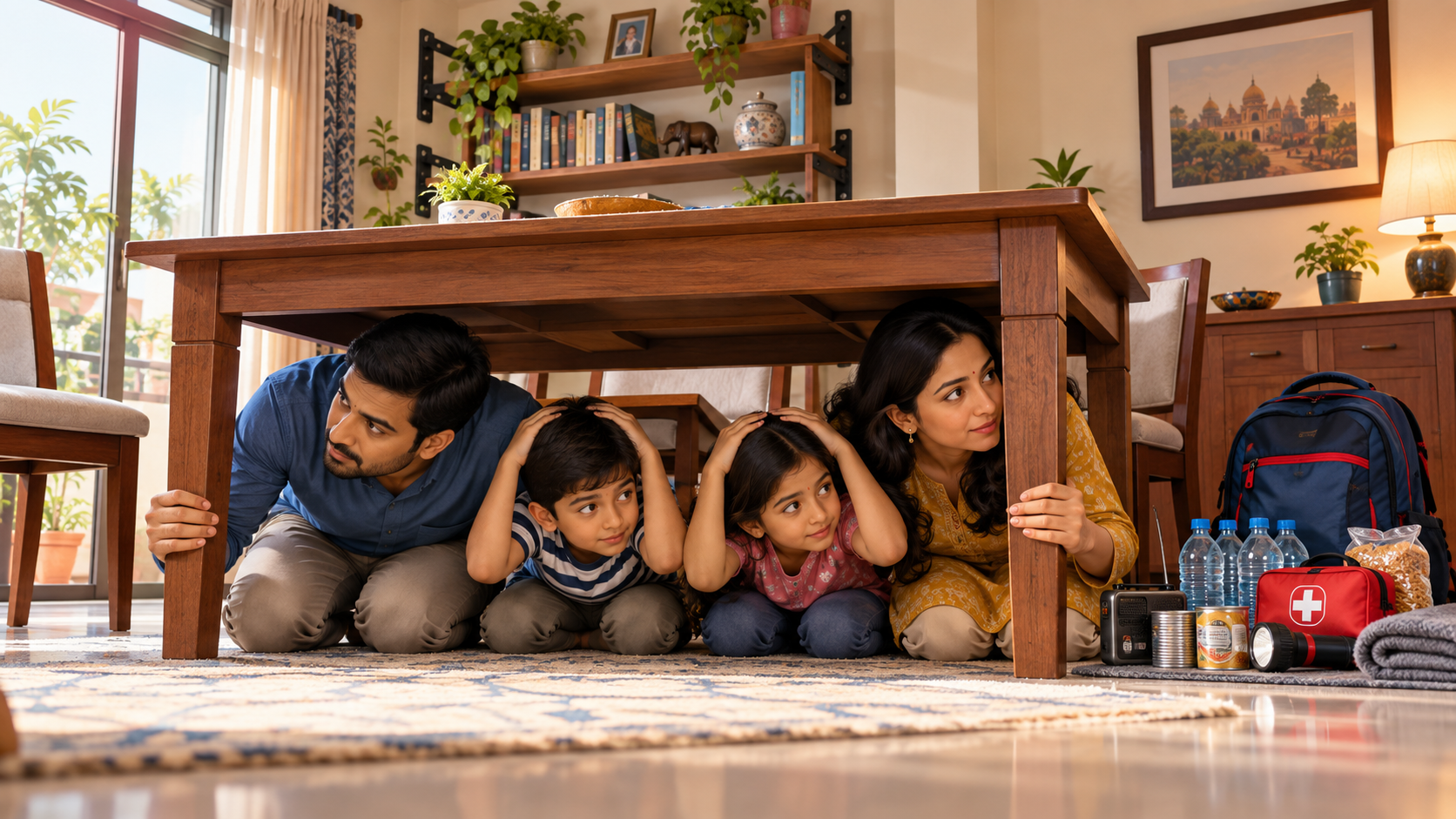
Drop, cover your head and neck under sturdy furniture where possible, and hold on until the shaking stops. Stay away from windows, shelves and objects that may fall.
Should I run out of the building during an earthquake?
Do not rush down stairs or toward an exit during strong shaking. If you are already outside, move away from buildings, walls, power lines and other falling hazards when safe.
How to prepare my home for an earthquake?
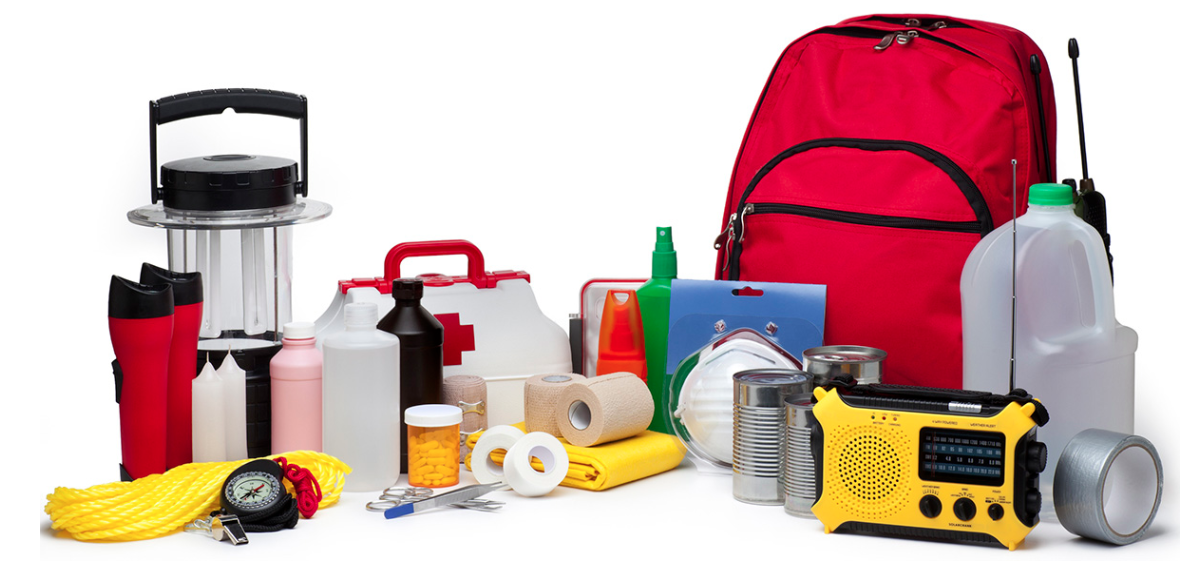
Secure heavy furniture and objects that might fall, identify safer places away from glass and unstable items, keep essentials and a contact plan ready, and practise a household plan that includes people who need assistance.
Is it safe to go back into a building after an earthquake?
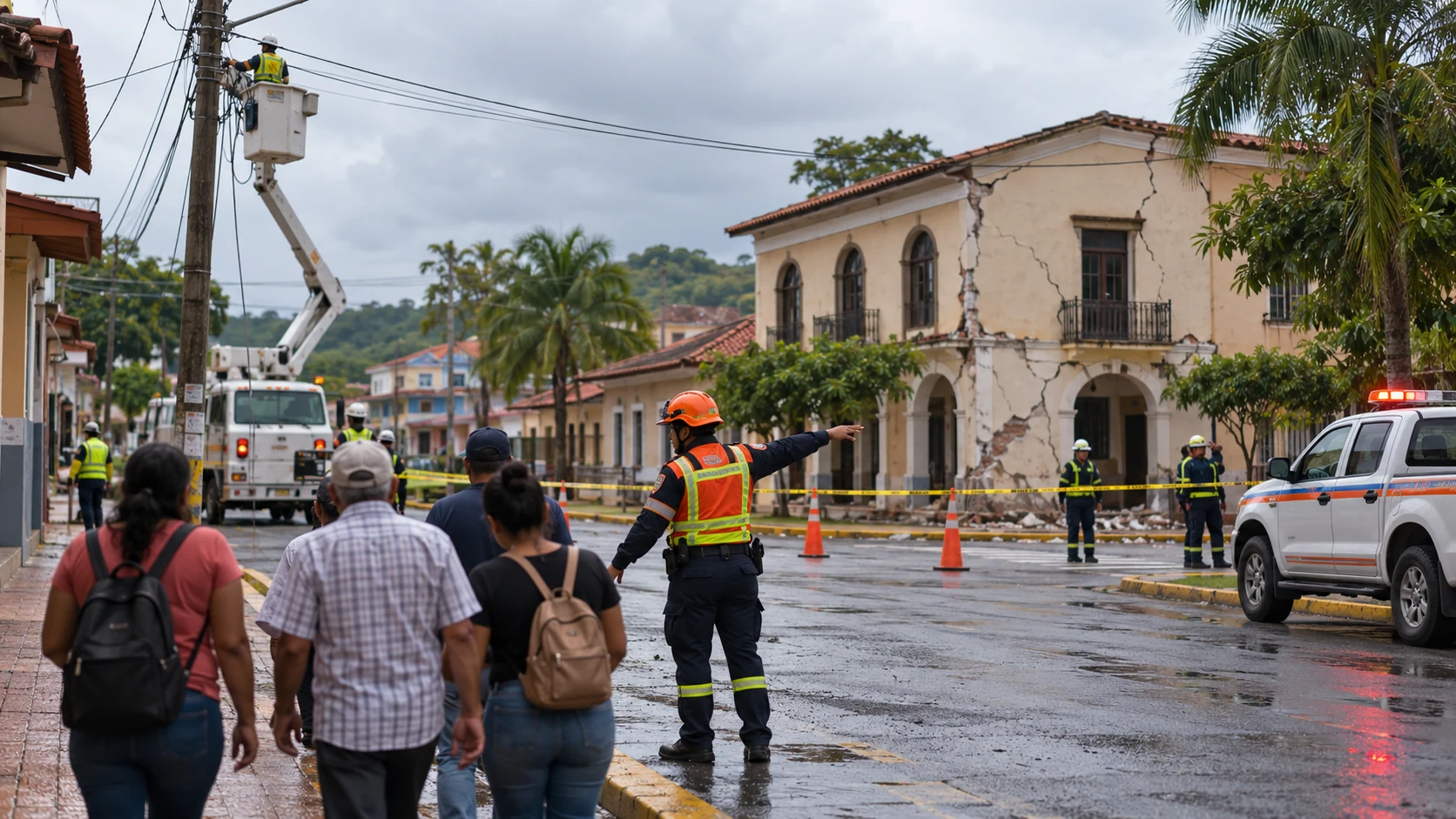
Expect aftershocks and do not re-enter a building that may be unsafe until competent officials clear it. Avoid fallen wires, unstable walls and broken glass, and follow local authority updates.
Prepare before shaking
An earthquake can begin without enough warning to leave a building. Secure heavy furniture and objects that might fall, identify safer places away from glass and unstable items, and practise a household plan that includes children and people who need assistance. Keep essentials and a contact plan ready. Follow current guidance from local disaster authorities for your building and area; a general blog cannot certify structural safety.
During the earthquake
If you are indoors, drop, cover your head and neck under sturdy furniture where possible, and hold on until the shaking stops. Do not rush down stairs or toward an exit during strong shaking. Stay away from windows, shelves and objects that may fall. If you are outside, move away from buildings, walls, power lines and other falling hazards when safe to do so. Adapt the action to your location and mobility; use a pre-agreed assistance plan where needed.
After shaking stops
Expect aftershocks and check for injuries and damaged surroundings. Leave a damaged building by a safe route if directed or if there is an immediate hazard; avoid fallen wires, unstable walls and broken glass. Follow local authority updates and do not re-enter a building that may be unsafe until competent officials clear it. Call 112 in India for immediate emergency help and give a precise location. Do not circulate unverified predictions of another earthquake.
This is a general preparedness guide, not an incident report or a building inspection.
Cover note: AI-generated editorial illustration of a fictional family practising earthquake protection, not a real incident photograph.
Source boundaries: Indian public guidance from the National Institute of Disaster Management supports drop-cover-hold and avoiding an exit rush during shaking; MHA ERSS confirms 112. This does not verify any building’s structural condition.
What needs attention
- Falling objects, damaged buildings and disrupted services are distinct risks. A heat/flood/smoke checklist is not a substitute for earthquake guidance.
Controls that reduce risk
- Secure heavy items, know safe places and exits, prepare essential supplies and a family contact plan, and monitor official alerts.
Common unsafe practices
- Rushing through stairs during shaking.
- re-entering an unassessed damaged building.

Leave a comment