
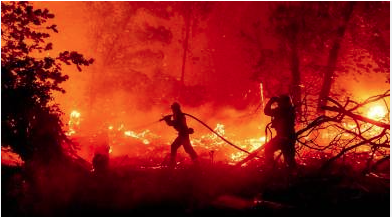
When a godown, factory or market burns, the news reports the dead and injured, and then moves on. What rarely gets reported is what happens to the air over the colony, the water in the nallah behind the factory and the soil where the ash settles.
After the May 2024 blast and fire at a chemical unit in MIDC Dombivli, ash and a chemical smell covered an area of about 4 km around the site. That is one example of how far the effects of a single industrial fire can travel.
Why this matters
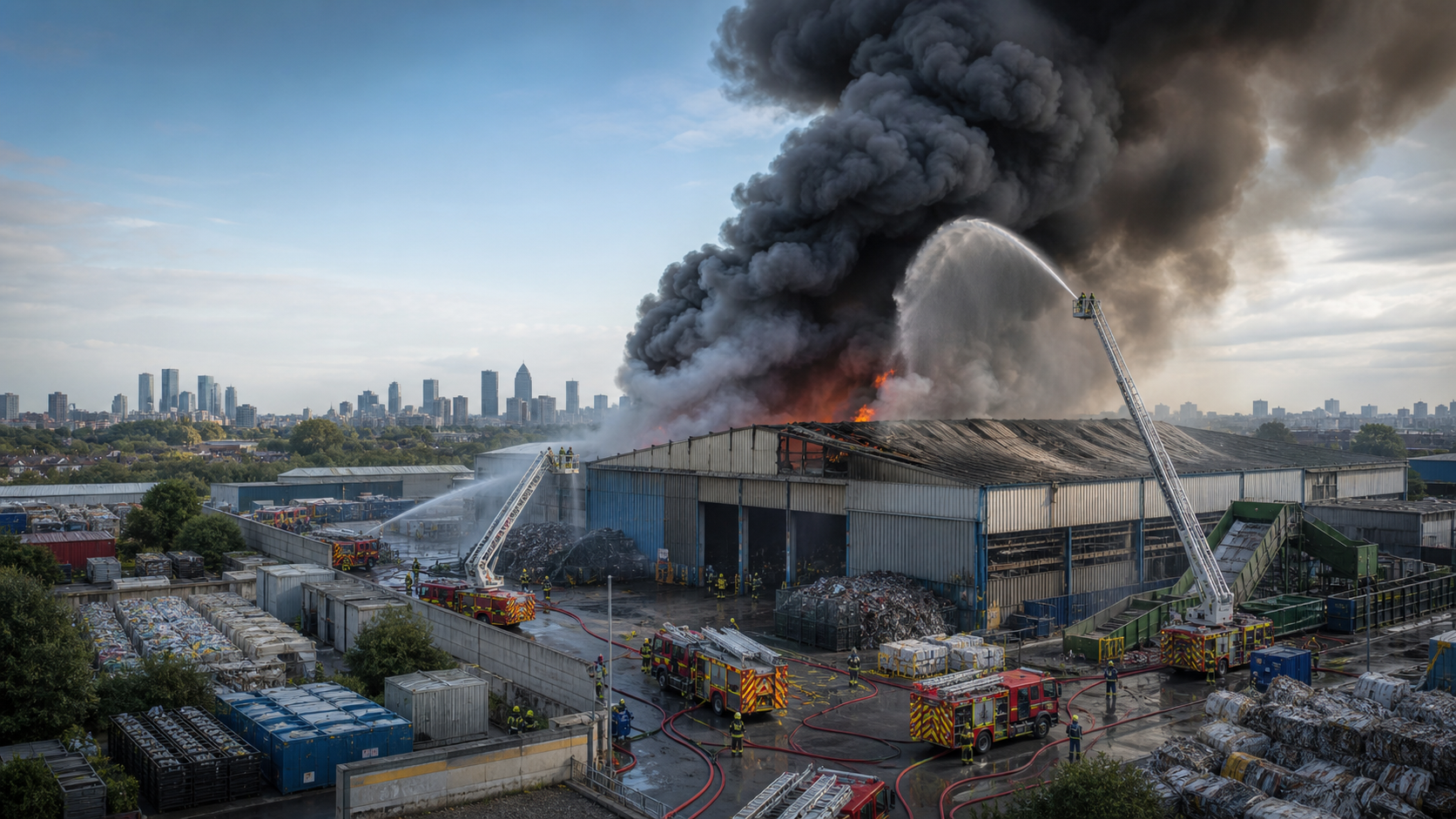
Forest fires get attention as environmental disasters. Urban and industrial fires are environmental disasters too. They burn plastics, rubber, paints, solvents and chemicals, and the smoke, ash and dirty firefighting water carry those materials into the surroundings.
Some of this damage is short-lived, like smoke that clears in a day or two. Some of it, like chemicals soaking into soil or reaching groundwater, can stay much longer and is seldom checked.
How a big fire harms the environment
Air
- Smoke carries fine particles (PM2.5 and PM10), carbon monoxide and other gases that irritate the lungs and worsen asthma and other breathing problems.
- Burning chemicals and plastics can give off toxic compounds such as benzene, styrene and dioxins, some of which are known to cause cancer with long exposure.
Water and soil
- The water used to fight a fire does not disappear. It runs off carrying oil, ash and dissolved chemicals into storm drains, nallahs and rivers.
- Ash and debris from burnt materials can leave heavy metals and other residues in the soil around the site.
- Oil films and rotting debris use up the oxygen in ponds and streams, and fish and other water life can die.
Climate
- Fires release carbon dioxide and black carbon (soot). Black carbon absorbs sunlight and adds to warming.
When firefighting adds to the pollution
Putting a fire out is always the first job. But the way it is done can make the clean-up harder:
- Water mixed with chemicals flows untreated into storm drains if nobody blocks or diverts it.
- Some firefighting foams contain fluorinated compounds (PFAS) that break down very slowly and can stay in soil and water.
- Melted plastic and burnt debris often end up dumped on open ground instead of being treated as hazardous waste.
What industries and authorities should do
- Plan for run-off. Sites storing chemicals should have bunds, drain covers or holding areas so firefighting water can be contained and tested.
- Segregate hazardous waste. Chemicals, solvents and plastics should be stored and disposed of separately, as the hazardous waste rules require, so a fire does not mix them all.
- Choose suppression systems with care. Where suitable for the hazard, water mist or inert gas systems leave less residue. Where foam is needed, use foam with fewer persistent chemicals, as approved for the risk.
- Bring in the Pollution Control Board. After a major fire, the fire service and the State Pollution Control Board should check air, water and soil together and supervise the clean-up.
- Make the polluter pay for restoration. The company responsible should pay to clean up the site and nearby land and water.
The bigger lesson
NDMA’s guidelines on chemical (industrial) disasters already ask for off-site emergency plans and coordination between agencies. What is missing in most cases is a simple habit: after every large fire, someone should check what got into the air, the drains and the soil, record it and fix it. India has no national database of pollution from fires, so the damage is rarely counted.
What you can do
- If a factory or godown near you catches fire, stay indoors with windows shut if the smoke is drifting your way, and follow the district administration’s instructions.
- Keep children, older people and anyone with asthma away from the smoke.
- Do not let children play in ash, debris or the black water draining from the site.
- If you see oily or coloured water in a nallah or pond after a fire, or dead fish, photograph it from a safe distance and report it to your State Pollution Control Board.
- Call 112 if anyone is in danger.
The fire may be out in a few hours. Ask who is checking the drain, the pond and the soil next week.
References
- NDMA, National Disaster Management Guidelines: Chemical Disasters (Industrial), 2007
- Central Pollution Control Board
- IANS, “Thane blast-cum-blaze toll is 11, chemical stink and ash cover a 4 km area”, 24 May 2024
What needs attention
- Large fires release smoke, particulates and toxic combustion products well beyond the site
- Firefighting water and foam can carry oil, ash and chemicals into drains, rivers and soil
- Chemical and plastic-rich fires pose the greatest pollution and health risk
- Post-fire environmental damage is rarely measured or reported alongside casualties
- Fire services and pollution-control boards need a joint response and clean-up plan
- Prevention remains the cheapest environmental protection
Controls that reduce risk
- Provide bunds, drain covers or holding areas to contain firefighting water at chemical sites
- Segregate and store hazardous waste as the rules require
- Choose suppression systems and foams suited to the hazard, with fewer persistent chemicals where possible
- Involve the State Pollution Control Board in inspection and clean-up after every major fire
- Recover clean-up and restoration costs from the responsible company
Common unsafe practices
- Letting firefighting water run straight into storm drains and nallahs
- Storing chemicals, solvents and plastics together without segregation
- Dumping burnt debris and melted plastic on open ground
- Counting only casualties and never testing air, water or soil after a fire
- Letting children play near ash or black run-off water
- Standing in the smoke to watch or film the fire
Leave a comment