
Quick answers
What causes explosions in firecracker factories?
Common causes include friction or impact ignition during mixing or drying, static electricity and heat, overcrowded workrooms, unlicensed units with illegal storage, and fires during transport and storage.
How can firecracker workers reduce the risk of explosions?
Use wooden or plastic tools instead of metal near powder, install anti-static flooring, keep raw, semi-processed and finished goods separate, and control humidity and temperature.
Are mobile phones and smoking allowed near firecracker production sheds?
No. Smoking and mobile phones should be kept away from production sheds, and danger symbols and emergency numbers should always be displayed.
Why is welding near fireworks storage dangerous?
Sparks from nearby welding can ignite stored fireworks. Hot work and fireworks are a fatal mix and must be kept apart.
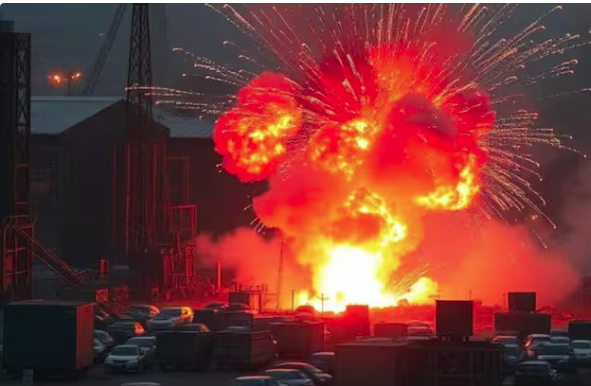
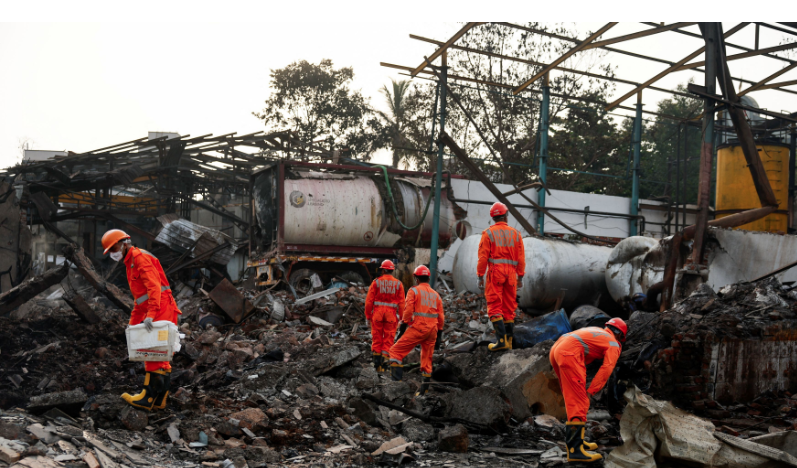
Every Diwali season the same headline comes back: a blast at a cracker unit, workers dead, a shed flattened. Most of these units are in and around Sivakasi in Virudhunagar district, Tamil Nadu, but the deadliest recent blasts have also happened in Madhya Pradesh and Gujarat.
There is no public national count of firecracker accidents in India, so we will not give you a grand total. What we can give you is four blasts that are well reported, what caused them, and what would have prevented them.
Four blasts, 67 lives
| Date | Place | Deaths | What happened |
|---|---|---|---|
| 12 Feb 2021 | Achankulam, near Sattur, Virudhunagar (Tamil Nadu) | 19 | An explosion in a working shed of a licensed unit spread to the other sheds |
| 17 Oct 2023 | Near Rengapalayam and Kichanayakkanpatti, Virudhunagar (Tamil Nadu) | 14 (13 + 1) | Sparks from crackers being tested fell into a shop full of stock; a separate friction blast at a second unit killed one more |
| 6 Feb 2024 | Harda (Madhya Pradesh) | 13 | Factory blast; more than 200 people injured |
| 1 Apr 2025 | Deesa, Banaskantha (Gujarat) | 21 | Blast and fire in a godown whose storage licence had expired |
Sources: The News Minute (21 June 2021), Organiser (18 October 2023), ETV Bharat (9 February 2024), The Hitavada (2 April 2025). These are selected verified incidents, not a national count.
Why cracker units blow up
Cracker powder does not need a flame. A knock, a scrape or a spark can be enough. In the cases above, reports point to friction while handling chemicals (Achankulam in 2021 and Kichanayakkanpatti in 2023) and to crackers being tested right next to stock (Rengapalayam in 2023).
| Cause | How it usually starts |
|---|---|
| Friction or impact | Mixing, filling or drying powder by hand, or dropping a tray |
| Static and heat | Metal tools, synthetic clothes, dry summer heat |
| Too much in one shed | More workers and more chemical in a room than the licence allows |
| Unlicensed or expired units | Backyard sheds, or godowns that carry on after the licence lapses |
| Testing near stock | Sample crackers lit close to finished goods, as at Rengapalayam |
What goes wrong inside the unit
- Overloading. More explosive material is kept in a small shed than the licence permits, so one blast becomes a chain.
- No segregation. Raw chemicals, mixed powder and finished crackers sit together.
- Heat and friction. Hot, dry months raise the chance of accidental ignition during mixing and drying.
- Untrained hands. Workers are not told about spark risks or why metal tools are banned.
- No first response. Water and sand buckets are missing or empty.
- Distance. Many units are in rural areas, far from the nearest fire station.
Three blasts in detail
Rengapalayam, near Sivakasi (17 October 2023)
Thirteen people died at this unit when sparks from a cracker being sample-tested fell into the shop and set off the stock. One more person died the same day in a separate friction blast at Kichanayakkanpatti. Crackers were reportedly being made in sheds behind the shop without permission for packing at that spot.
Lesson: Never test, light or demonstrate a cracker anywhere near stored stock. Testing belongs in a cleared area well away from the shop and sheds.
Harda, Madhya Pradesh (6 February 2024)
The factory blast killed 13 people and injured more than 200. The National Human Rights Commission issued notice to the state government and the Director General of Police.
Lesson: A cracker unit close to homes can injure hundreds of people, not only its own workers.
Deesa, Gujarat (1 April 2025)
The blast and fire at a godown killed 21 people and injured 6. The dead were from Harda and Dewas districts of Madhya Pradesh. The godown’s storage licence had expired on 31 December 2024 and was not renewed.
Lesson: When a licence expires, the stock must leave the premises. It cannot be business as usual.
If you work in or run a cracker unit
- Use only wooden, plastic or other non-sparking tools near powder and filling tables. No metal.
- Keep mixing and drying rooms clean, and use anti-static flooring where you can.
- Store raw chemicals, semi-finished and finished goods in separate sheds.
- Do not keep more material or more people in a shed than the licence allows.
- Never test crackers near the shop, sheds or godown.
- Keep filled water and sand buckets at every shed, and teach every worker when to stop and run.
- No smoking, no matches and no mobile phones near the production sheds.
- Display danger signs, the unit address and emergency numbers: 112 for all emergencies, 101 for fire.
- If a blast or fire starts, do not try to save stock. Get everyone out and away from the other sheds, because more blasts can follow.
What needs to change
- Every licensed cracker unit and godown should be mapped, with its licence status visible to inspectors.
- Regular inspections, with the reports made public.
- Fire tenders stationed close to the big cracker clusters.
- Safety training for workers in their own language.
- A firm crackdown on illegal sub-leasing and backyard sheds.
- Insurance and welfare cover for every registered worker.
Before you buy crackers this year
Buy from a licensed shop and ask where the stock was made. If you see crackers being stored in a house, a basement or a lane shop in large quantities, tell the local police or fire station. That one call can protect the people living next door.
References
- The News Minute: Two die, one injured in TN after explosion in illegal firecracker unit (21 June 2021)
- Organiser: Tamil Nadu, 14 burnt to death in separate firecracker explosions in two units near Sivakasi (18 October 2023)
- ETV Bharat: NHRC notice to MP govt, DGP over Harda factory blast (9 February 2024)
- The Hitavada: 21 killed, 6 injured after blast, blaze at firecracker godown in Banaskantha (2 April 2025)
What needs attention
- Four verified blasts between 2021 and 2025 killed 67 people
- Friction while handling chemicals was reported at Achankulam and Kichanayakkanpatti
- At Rengapalayam, sparks from crackers being tested fell into a shop full of stock
- The Deesa godown kept operating after its storage licence expired
- The Harda blast injured more than 200 people, showing the risk to neighbours
- Two of the four blasts were in Virudhunagar district, the heart of the industry
Controls that reduce risk
- Check that the unit or godown licence is valid and the stock is within its limit
- Separate raw, semi-finished and finished goods into different sheds
- Replace metal tools at mixing and filling tables with non-sparking ones
- Set up a testing area well away from all sheds and stock
- Keep water and sand buckets filled at every shed
- Train every worker on spark risks and when to run, in their own language
- Display danger signs, the full address, 112 and 101 at the gate
Common unsafe practices
- Testing crackers next to the shop or stored stock
- Using metal tools near powder and filling tables
- Keeping more material or workers in a shed than the licence allows
- Storing raw chemicals, mixed powder and finished goods together
- Carrying on storage after the licence has expired
- Running back in to save stock after the first blast

Leave a comment