
Quick answers
What fire safety problems were found in a government building?
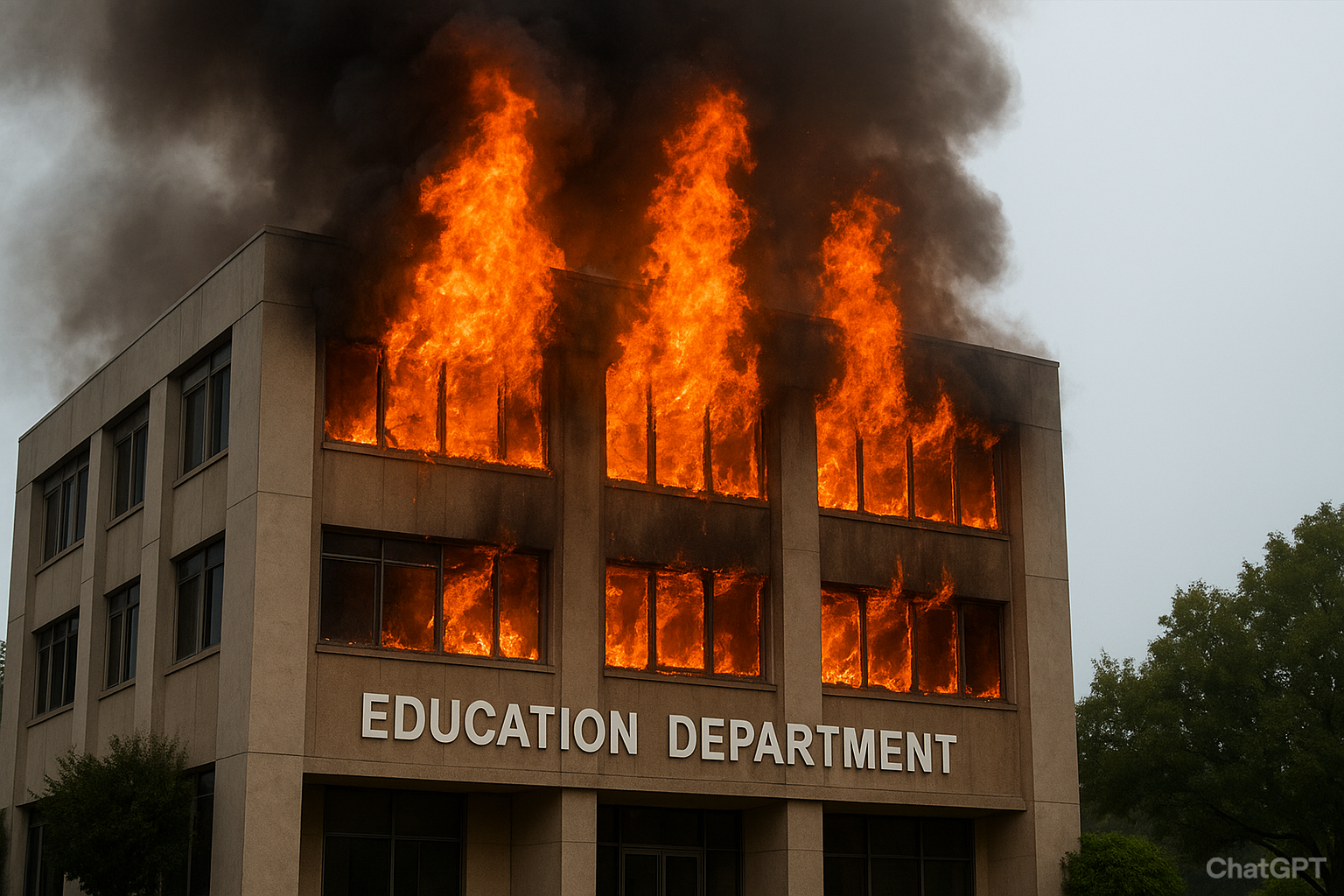
At the UP Education Department building, the entire fire protection system was reported not working, equipment was broken and unusable, and there were no regular checks or staff awareness.
What can citizens check when visiting a government office?
Notice whether hydrants are working and detectors are visible, and ask when the last fire drill was held there.
How can I report fire safety lapses in a government building?
Share the lapses with the local fire department or through an RTI request, and keep photo or video proof of what you saw.
Why does fire safety in government offices matter for everyone?
If government offices ignore their own fire systems, it sets a poor example for schools, hospitals and private institutions, and the people working in or visiting those offices remain at risk.
What we found
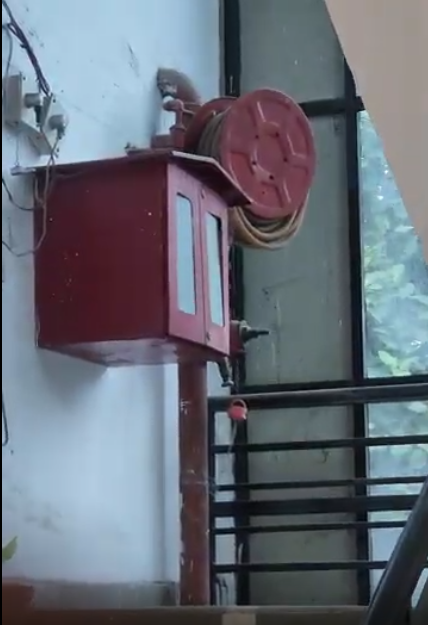
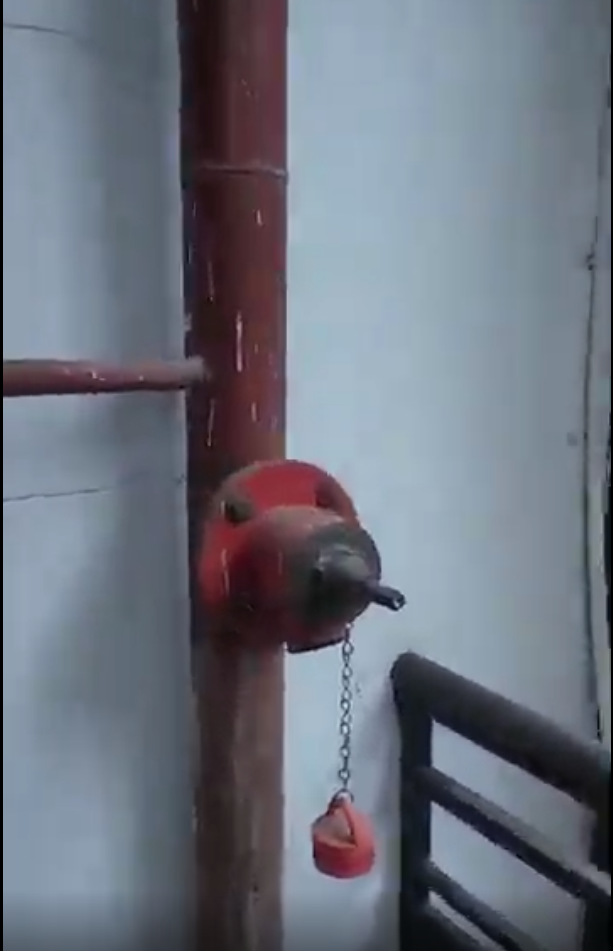
On a recent visit to the Uttar Pradesh Education Department building, our team saw that:
- the fire protection system did not appear to be working;
- the equipment we saw was broken and could not be used;
- there was no sign of regular checks, and the staff we spoke to did not know what to do in a fire.
These are our own first-hand observations and photographs from one visit. They have not been independently verified or confirmed by the department, and this was not an official inspection.
This is not a small office. It is the State Education Department headquarters, where senior officials and decision makers work every day. If the people who set the rules for schools work in a building like this, what should we expect in private schools, government schools and village schools across the state?

Why this matters
We do not think this is about one building or one state. Over the years we have seen the same pattern in many public offices, from district collectorates and municipal offices to secretariats and hospitals:
- fire systems installed to complete the project, and then forgotten;
- no one named to look after them once the building is inaugurated;
- systems that do not work on the one day lives depend on them.
If the government’s own buildings do not follow fire safety, it becomes very hard for officials to demand it from private schools, hospitals and businesses.
The core problem
- Fire safety is treated as a formality, not a responsibility.
- No one is accountable for keeping the systems working.
- Public money is wasted on equipment that is bought, installed and then left to rot.
- Inspections rarely follow once the building is in use.
Citizens pay for these buildings and visit them every day. They deserve to be safe inside them.
What the numbers show, and don’t
- The NCRB recorded 21 fires in government buildings in 2024, with 4 deaths, and 11 fires in school buildings with 9 deaths. (NCRB, Accidental Deaths & Suicides in India 2024, Table 1.12)
- Those numbers are small compared with the 5,888 fire-accident deaths recorded that year. But government offices hold large numbers of staff and visitors every day, and a low death count so far is not proof that the buildings are safe.
- India’s fire services themselves are short-staffed. In 2019 the Home Ministry told Parliament the country had 54,239 fire personnel against 5,57,123 required, a shortfall of about 90% (data as on 31 December 2018).
What you can do
Whenever you visit a government office:
- Notice: Is there a hose reel or hydrant that looks usable? Are smoke detectors and extinguishers visible, with a recent service tag?
- Ask: “When was the last fire drill here?”
- Report: Write to the local fire service about what you saw, or file an RTI asking for the building’s fire audit and maintenance records.
- Document: Take photos where it is allowed, note the date, and send them to HowToSurvive.in so we can raise the issue further.
A question of trust
This is not only about fire safety. It is about trust. If the offices where policies are made are unsafe, the system is setting an example of neglect, not protection.
So we ask every citizen: look closely at the government offices you visit, ask questions and ask for transparency. Your life matters inside a government building too.
Fire safety cannot remain a showpiece in government buildings. When leaders work in unsafe offices, it is too easy to accept unsafe schools, hospitals and homes. That is why we built HowToSurvive.in: to report what we see, ask for accountability and protect every life.
What needs attention
- In the building we visited, the fire protection system did not appear to work and equipment was broken
- Staff we spoke to did not know what to do in a fire
- Fire systems in public buildings are often installed and then left without an owner for upkeep
- NCRB records few deaths in government-building fires, but these buildings hold many staff and visitors
- When the state's own offices ignore fire safety, it weakens enforcement everywhere else
- Our observations are unverified and come from one visit; an official audit is needed
Controls that reduce risk
- Name a fire safety officer for every government building
- Carry out and publish annual fire audits of government offices
- Repair or replace non-working fire equipment and log every fix
- Hold fire drills for staff at least once a year
- Answer RTI requests on fire audits promptly
- Apply the same fire rules to government buildings as to private ones
Common unsafe practices
- Treating fire systems as a one-time purchase rather than ongoing upkeep
- Not naming an officer responsible for fire safety in each building
- Skipping fire drills for staff and visitors
- Assuming low past death counts mean a building is safe
- Making public accusations without photos, dates or records

Leave a comment