
Quick answers
Why are fire drills important?
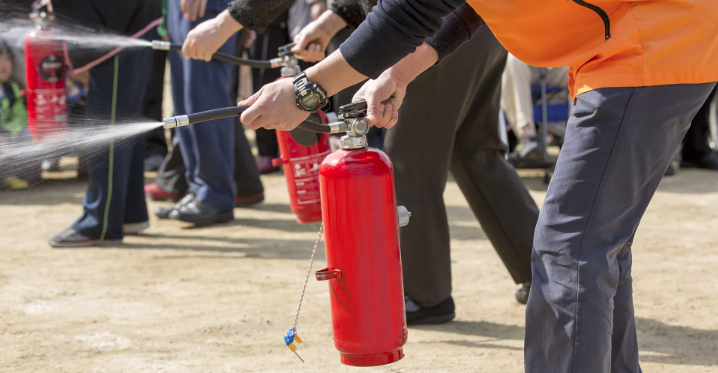
Drills train people to stay calm, teach the fastest exit routes, assign responsibilities to wardens and staff, and test alarms and equipment, which can greatly cut evacuation time.
What do people often do wrong during a fire?
Many run back for belongings, stampede at a single blocked exit, hide in bathrooms or under desks, or freeze in panic.
What should children be taught about escaping a fire?
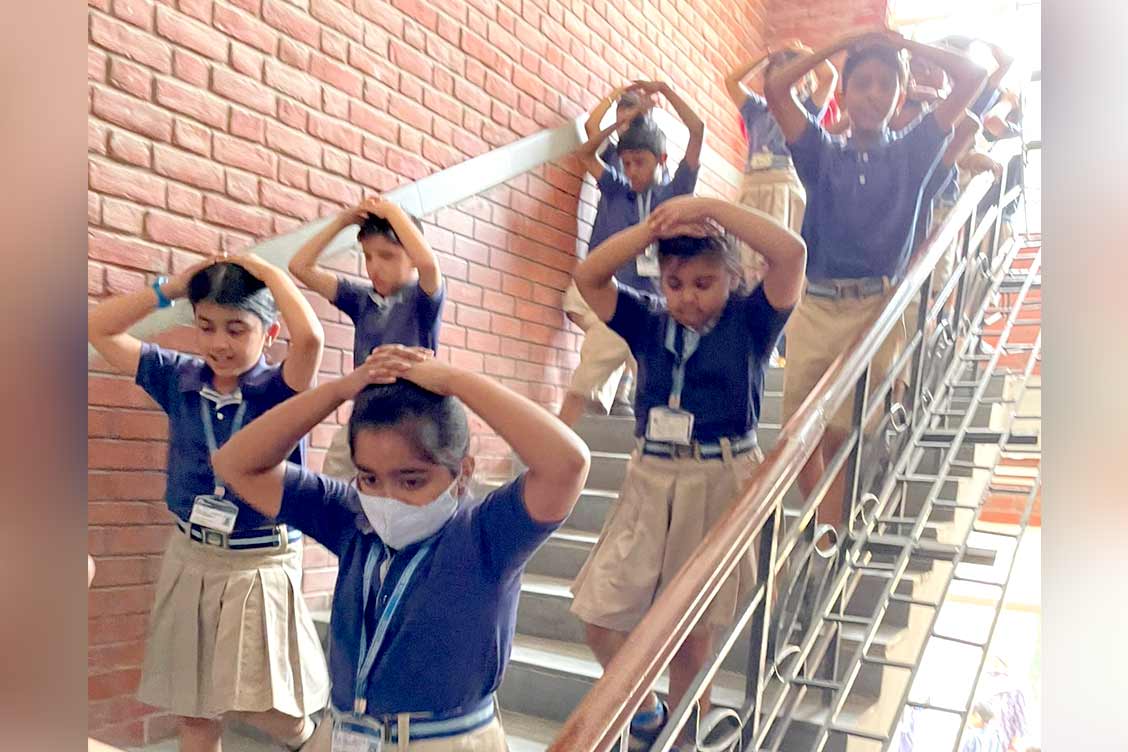
Teach them not to hide under desks or in bathrooms, to crawl low under smoke, and never to run back for belongings.
How can I prepare for a fire at home, school or work?
Ask your school or office when the last drill was held, run family evacuation drills at home twice a year, and always know two exits wherever you are.
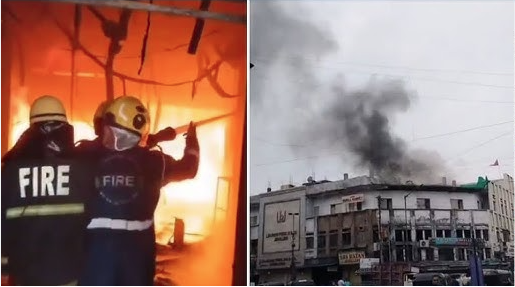
Most of us have never taken part in a proper fire drill, not at school, not at work and certainly not at home. We spend money on alarms, extinguishers and NOCs, and then never practise the one thing that saves lives in a fire: getting out quickly. In many deadly fires, people were killed by smoke and confusion long before the flames reached them.
What happens when people have never practised
When a fire starts in a school, mall, hospital or office, untrained people tend to do the wrong things:
- They run back for bags, phones and laptops.
- Everyone crowds towards the one exit they know, even if it is blocked.
- They hide in toilets or under desks, where smoke finds them.
- They freeze, or wait for someone to tell them what to do.
India has paid for this many times:
- Uphaar Cinema, Delhi (June 1997): 59 people died of suffocation during a screening of Border. Exit doors were locked or bolted, extra seats had narrowed the gangways, and the hall had no emergency lights. People were trapped in the smoke-filled balcony.
- Takshashila Arcade, Surat (May 2019): 22 students died. The class was held in a makeshift dome on the terrace, reached by a single wooden staircase that burnt.
- TRP Game Zone, Rajkot (May 2024): 27 people died, children among them, in a structure with no fire NOC and no workable evacuation plan.
A drill cannot unlock a bolted door. But a building that holds regular drills is a building where somebody notices the bolted door, the missing lights and the blocked gangway before the fire, not after.
What a fire drill actually does
- People learn to stay calm because they have done it before.
- Everyone learns the nearest exit and a second one from their floor.
- Wardens, teachers and security staff know their jobs: who sweeps which floor, who helps the elderly and disabled, who counts heads.
- Alarms, emergency lights, exit doors and hydrants get tested in real use.
- Problems come to light: a locked door, a stairwell full of cartons, an alarm nobody can hear.
- Each drill should be timed. If the next one is faster, the plan is working.
What we know, and what we don’t
India does not publish national data on how many schools, offices or residential towers hold fire drills, or how often. Earlier versions of this page quoted percentages for drill coverage and for deaths caused by panic. We could not find a source for any of them, so we have removed them. What the fire records do show, again and again, is people trapped by locked exits and smoke in buildings where nobody had practised getting out.
What you can do
- Ask your child’s school, and your office, one question: when was the last fire drill? If nobody remembers, ask for one.
- Hold a family drill at home at least twice a year. Decide who wakes whom, which way you go and where you meet outside.
- Teach children: never hide under a bed or in the bathroom, stay low under smoke, and never go back for toys or bags.
- Find two exits every time you enter a cinema, mall, hotel or hospital. It takes thirty seconds.
- In your society, ask the committee to run a drill with the security staff, and to check that the fire alarm can be heard in every flat.
What needs to change
- Regular, recorded fire drills in every school, hospital, mall and high-rise.
- Surprise checks by the fire department to confirm drills really happen.
- Evacuation practice as part of school life, like PT and assembly.
- Security staff and RWA volunteers trained as floor wardens.
- Drill records that parents, staff and residents can see.
Practise before you need it
In an emergency, people do not rise to the occasion. They fall back on what they have practised. A drill takes ten minutes. A fire can fill a staircase with smoke in less time than that.
This weekend, walk your family to both exits of your building and pick a meeting point outside. If a fire does start, get out first and call 101 or 112 from outside.
What needs attention
- In major Indian fires, people were trapped by locked exits, blocked gangways and smoke
- At Uphaar, all 59 deaths were from suffocation, not burns
- Untrained people run back for belongings, crowd one exit or hide
- Drills expose locked doors, blocked stairs and weak alarms before a real fire
- India publishes no national data on how often drills are held
- Children, elderly people and people with disabilities need named helpers in the plan
Controls that reduce risk
- Ask your school, office and society when the last fire drill was held
- Hold a timed drill and fix every problem it reveals
- Name floor wardens and helpers for elderly and disabled people
- Check that the fire alarm can be heard everywhere in the building
- Keep exits unlocked from inside and stairwells clear
- Run a family drill at home at least twice a year
Common unsafe practices
- Never holding a drill because "nothing has ever happened here"
- Running back for bags, phones or laptops
- Hiding in toilets or under desks
- Using only the main entrance and forgetting the second exit
- Locking exits for security and forgetting them in an emergency
- Holding a drill once, for the inspector, and never again
Leave a comment