How To SurviveLife-Safety Intelligence for India
Language
Automatic translation
Publication archive

2023

Case studies and safety blogs published in this period. Publication dates are not necessarily incident dates.

HowToSurvive.in case study archive
Published in 2023

Browse this archive

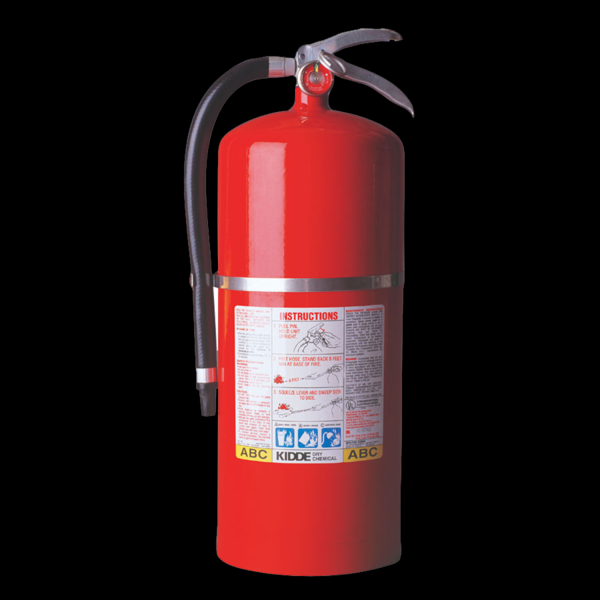
Hydrostatic Testing of Fire ExtinguishersExisting HowToSurvive.in hydrostatic-testing image
Safety Blog Fire Safety · Portable and mobile fire extinguishers installed in Indian premises

Hydrostatic Testing of Fire Extinguishers

An extinguisher is a pressure vessel. It can rust, dent, crack, thin out or be damaged by heat even if it has never been…

Read guide →

What Causes a Smoke Detector False Alarm?Existing HowToSurvive.in smoke-alarm image
Safety Blog Fire Safety · Home Safety · Homes, apartments, workplaces and monitored fire-alarm systems in India

What Causes a Smoke Detector False Alarm?

Smoke sensors react to tiny particles in the air. They cannot always tell whether those particles came from a dangerous fire or from cooking,…

Read guide →
Types of Fire DetectionExisting HowToSurvive.in fire-detection image
Safety Blog Disaster Preparedness · Fire Safety · Homes, workplaces, warehouses, data centres, industrial processes and public buildings in India

Types of Fire Detection

A developing fire can produce smoke particles, heat, flame radiation, gases, sparks or embers in different orders and quantities. Smoke detection usually gives earlier…

Read guide →
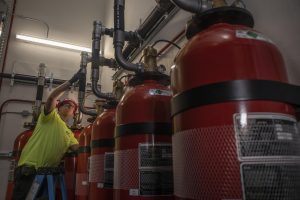
Common Types of Special Hazards Fire SuppressionExisting HowToSurvive.in special-hazard suppression image
Safety Blog Disaster Preparedness · Fire Safety · Data rooms, control rooms, archives, machinery, kitchens, fuel hazards, warehouses and process facilities in India

Common Types of Special Hazards Fire Suppression

Special-hazard suppression is used when a conventional sprinkler alone cannot meet the fire scenario or business objective. The engineer begins with the burning material…

Read guide →
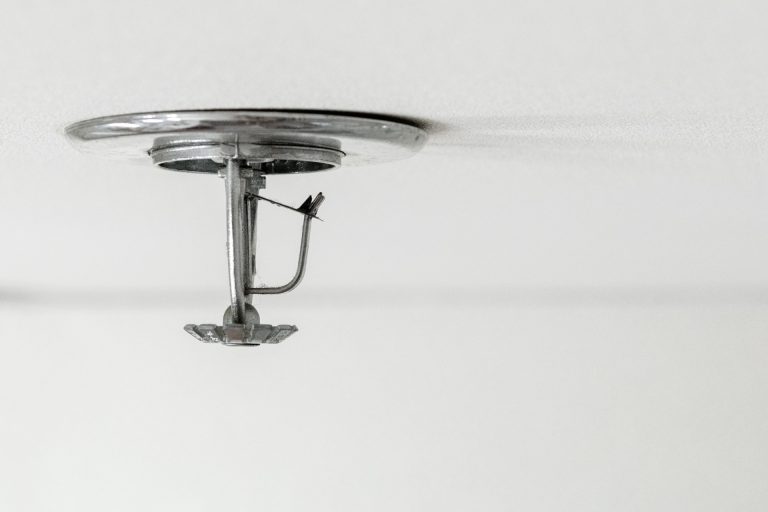
Fire Sprinklers: How They Work and Why They Sometimes FailExisting HowToSurvive.in fire-sprinkler image
Safety Blog Fire Safety · Workplace Safety · Residential, commercial, institutional, industrial and storage occupancies in India

Fire Sprinklers: How They Work and Why They Sometimes Fail

A fire sprinkler is a nozzle, fed by a designed water supply, that opens on heat. In most systems each head opens on its…

Read guide →
Fire Protection for Government BuildingsExisting HowToSurvive.in government-building fire-protection image
Safety Blog Fire Safety · Workplace Safety · Government offices, courts, libraries, museums, archives, laboratories, public counters and secure facilities in India

Fire Protection for Government Buildings

Government facilities combine life-safety responsibilities with public access, critical records, digital services, sensitive rooms and operational continuity. An office may carry a large paper…

Read guide →
Workplace Fire SafetyExisting HowToSurvive.in workplace fire-safety image
Safety Blog Disaster Preparedness · Fire Safety · Offices, shops, workshops, factories, warehouses and other workplaces in India

Workplace Fire Safety

Workplace fire safety starts before you buy any equipment. Know what can burn, what can set it alight, how fire and smoke could spread,…

Read guide →
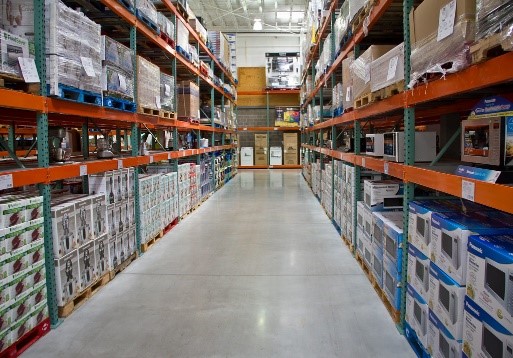
Early Suppression Fast Response SystemsExisting HowToSurvive.in ESFR warehouse-sprinkler image
Safety Blog Disaster Preparedness · Fire Safety · Warehouses and high-piled storage facilities in India

Early Suppression Fast Response Systems

ESFR, Early Suppression Fast Response, is a sprinkler design for storage. It combines a fast response to heat with a heavy, forceful spray meant…

Read guide →
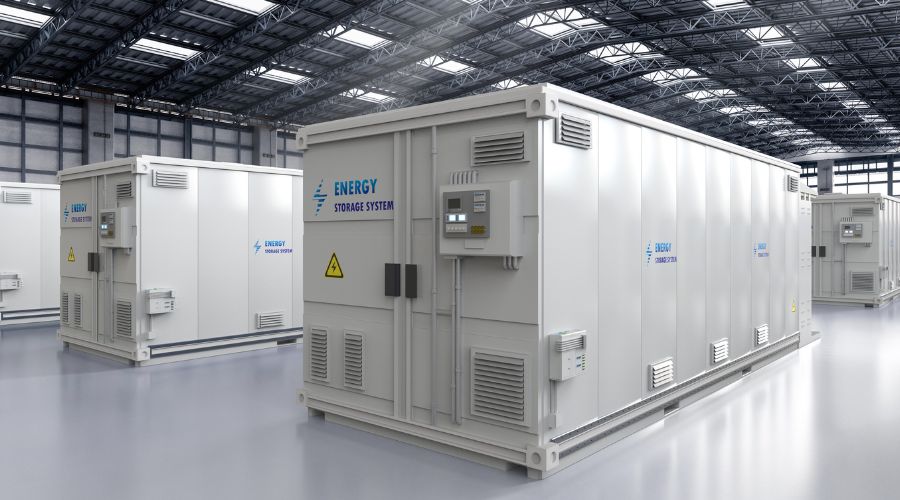
Fire Protection for Lithium-ion Battery Storage and ManufacturingExisting HowToSurvive.in battery-storage image
Safety Blog Fire Safety · Home Safety · Battery storage, manufacturing and stationary energy-storage facilities in India

Fire Protection for Lithium-ion Battery Storage and Manufacturing

Thermal runaway is a self-accelerating failure in which a lithium-ion cell generates heat faster than it can dissipate it. Internal defects, electrical abuse, external…

Read guide →