
Case Study
What happened here
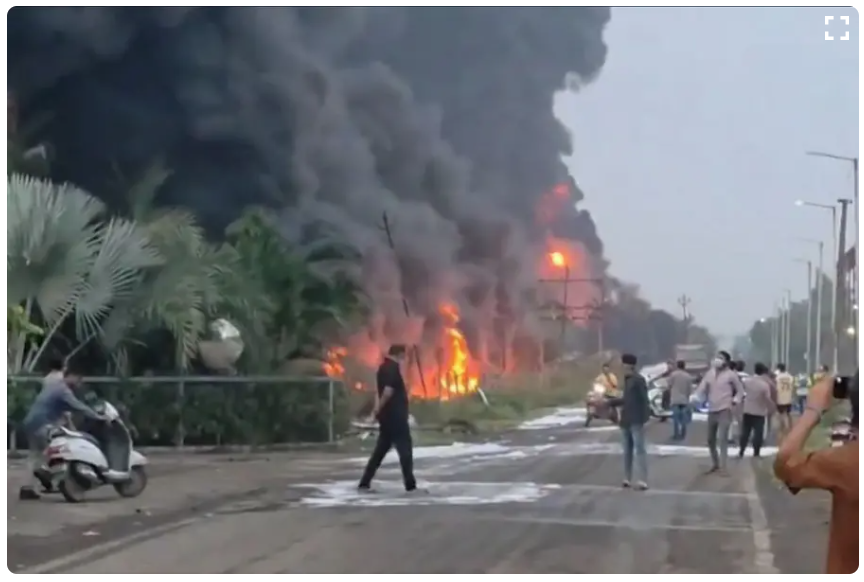
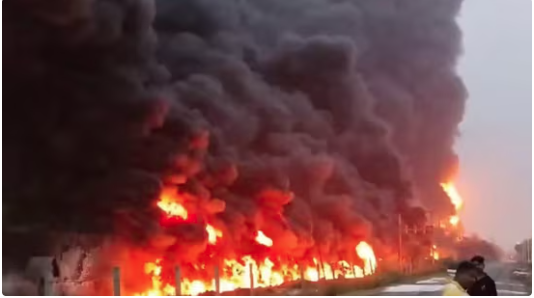
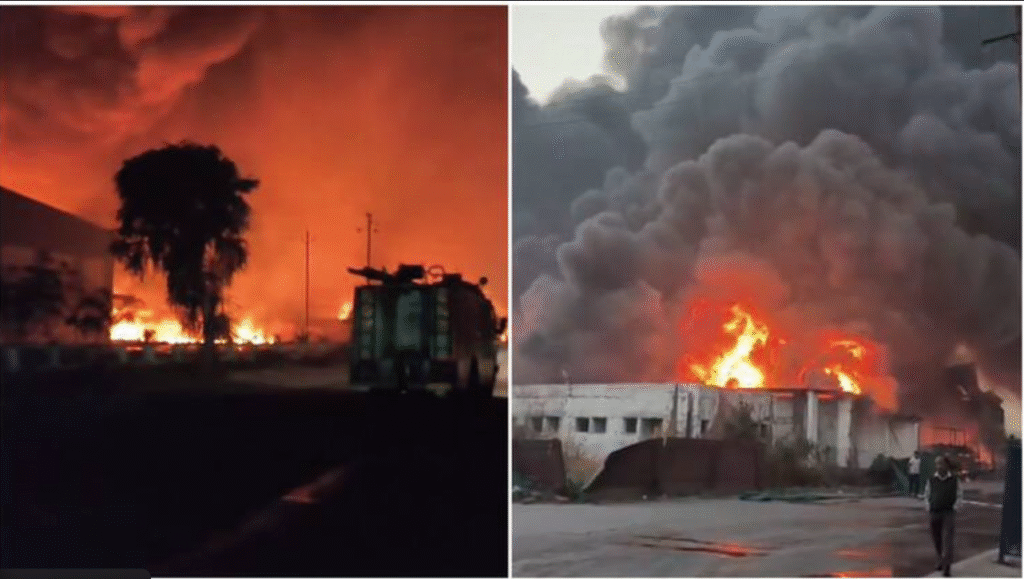
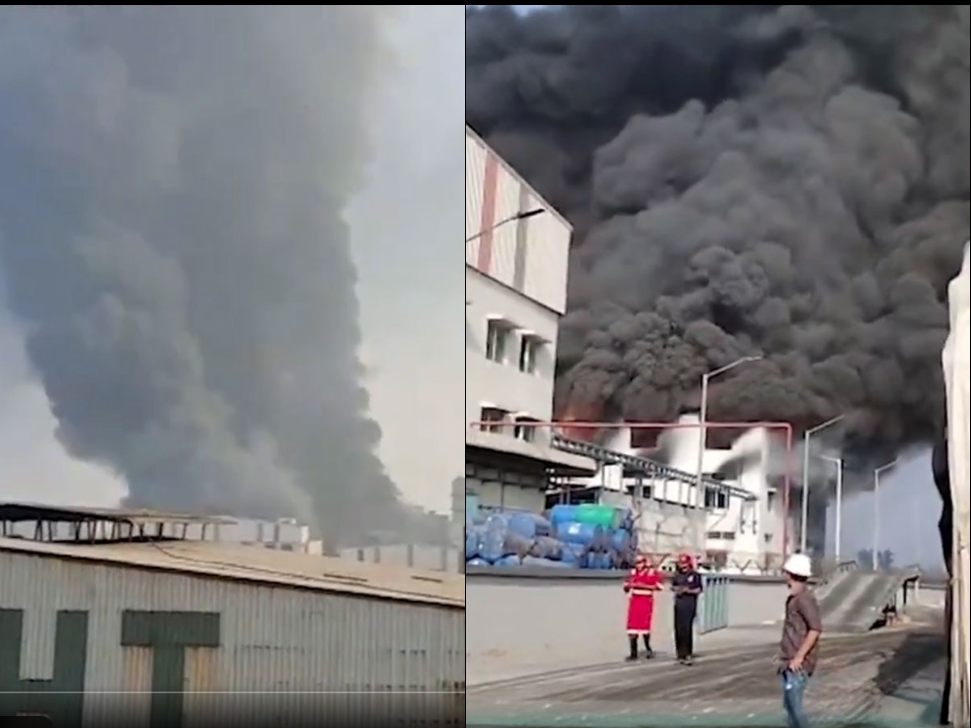
 1 / 6
1 / 6 Deaths reported2
Incident date14 September 2025
Industrial estatePanoli GIDC
DistrictBharuch
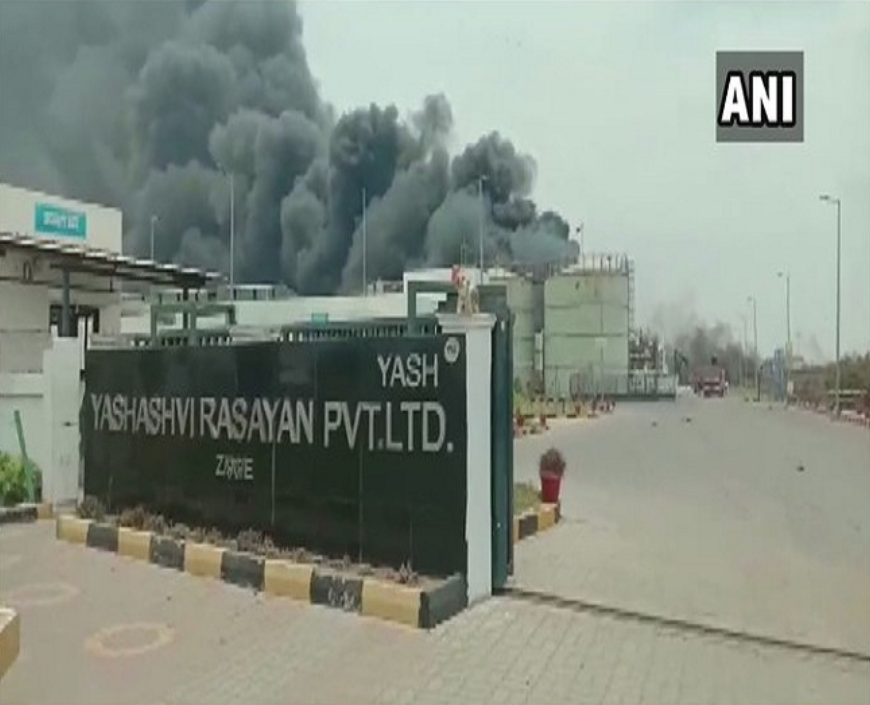
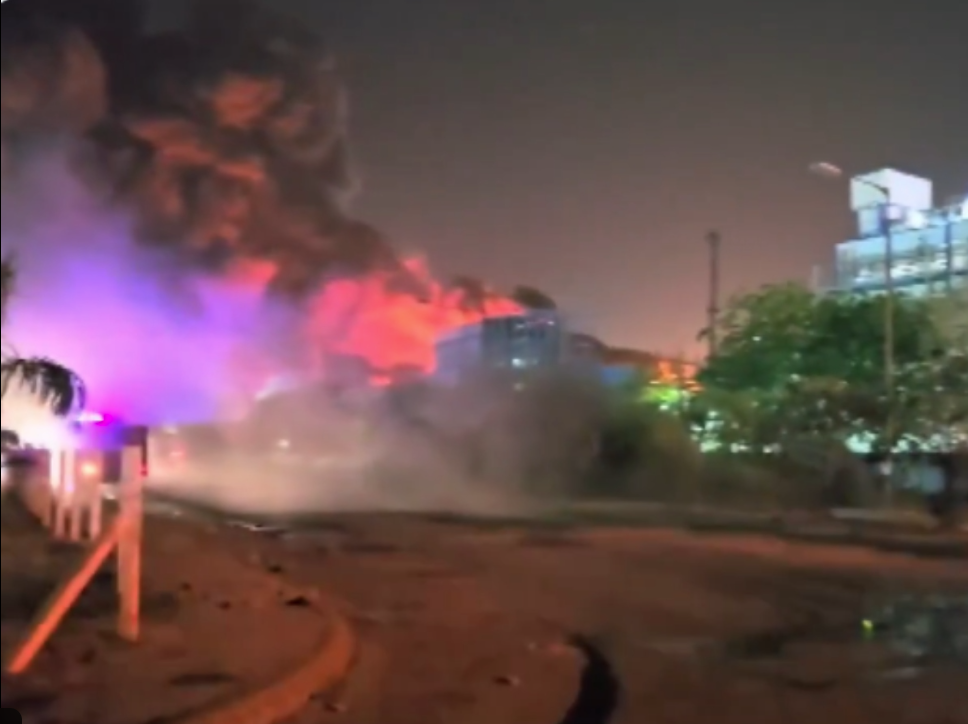
Visible hazardLarge smoke plume from factory fire
A major industrial fire at Panoli GIDC killed two people and produced a large smoke plume, reinforcing the need for chemical inventory intelligence, exclusion zones and off-site warning.
📅 Date & Location
- Date: ~ 14 September 2025 (morning)
- Location: Sanghvi Organics Pvt Ltd, GIDC Panoli area, Bharuch district, Gujarat
🕯 What Happened?
- A massive fire broke out early in the morning at the Sanghvi Organics chemical factory in Panoli, GIDC, Bharuch.
- Thick plumes of black smoke and high flames were visible from a distance, causing alarm in the industrial zone and nearby villages.
- Multiple fire tenders rushed to the site; firefighting operations were underway.
- Precautionary evacuations were done for workers and nearby residents.
- At the time of writing, no confirmed casualties or injuries have been reported.
- The cause is under investigation.
🔍 Mistakes / What Went Wrong
- Chemical factory environment: Presence of hazardous, flammable chemicals increases fire risk significantly.
- Poor containment / fire zoning: Once fire started, spread was rapid and exposed structural vulnerability.
- Inadequate early detection or suppression systems: Alarms, sprinklers, gas detectors may not have been effective or present.
- Proximity to residential / village areas: Smoke and risk to adjacent populations.
- Evacuation & escape planning may not have been fully prepared or drilled.
- Lack of information on the structural safety / fire ratings of factory building materials.
- Delay in fire control escalation: Fire grew significantly before full containment action.
⚖ Hidden / Less-mentioned Truths
- Though no casualties are reported, the potential for mass harm is very high in chemical factories — exposure to toxic smoke, chemical vapors.
- Evacuation of nearby villages suggests risk beyond factory boundary.
- Some media suggest the factory might have been operating with lax regulatory oversight.
- The fire’s scale implies possible failure in safety audits or enforcement.
🧯 How Could It Have Been Prevented?
- Installation of multiple gas / smoke detectors and automatic suppression systems (water sprinklers, inert gas).
- Strict compartmentalization of chemical zones with fire-resistant walls & barriers.
- Regular fire drills & evacuation planning practiced with workers.
- Buffer zones between factories and villages, with safe corridors.
- Use of non-combustible construction materials in infrastructure.
- Redundant safety systems: back-up power for fire alarms, multiple safe exits.
- Frequent regulatory audits, hazard review, and compliance monitoring.
- Chemical risk assessments and mitigation controls (safe storage, ventilation).
🛡 Survival Guide (If You Face a Factory Fire Situation)
- Stay calm, assess smoke direction and fire location.
- Cover nose/mouth with wet cloth (if available) to filter smoke.
- Keep low (crawl) under smoke layer.
- Move toward safe exit routes, avoid zones with heavy smoke or flames.
- Use alternate exits if primary is blocked.
- Signal for help (shout, phone, light) from safe zone.
- Avoid re-entering building under any circumstance.
- Seal doors/windows with damp cloth if trapped, wait for rescue.
- Call 101 / 112 immediately with location, nature of fire, number of people.
- After escape, seek medical attention for smoke inhalation even if no visible injury.
📊 Data / Stats Box
- Deaths / Injuries: As of now, none reported.
- Factory type: Chemical / organic chemical processing plant.
- Evacuated: Workers & nearby residents.
- Response: Multiple fire tenders deployed.
- Damage extent: Large portions of the facility engulfed, thick smoke visible.
📽 Visuals (Collected / Suggested)






🙏 Voices / Human Angle
- Local residents in nearby villages expressed fear and panic seeing thick smoke drift over homes.
- Workers described hurried evacuation and uncertainty about safety protocols.
- Some witnessed residents being asked to stay indoors or evacuate as a precaution.
📢 Systemic Lessons
- Chemical plants carry extreme fire risk — demanding higher safety standards than normal factories.
- Regulatory oversight must be robust — frequent inspections and strict penalties for noncompliance.
- Zoning policies should ensure industrial units are sufficiently distanced from residential areas.
- Disaster preparedness must include community-level response, not only factory internal protocols.
- Transparency & accountability: in investigations, public disclosure improves trust and compliance.
- Adoption of advanced safety tech: real-time sensors, IoT fire monitoring, AI anomaly alerts.
💡 What You Can Do Today
✅ If you live/work near industrial zones, know evacuation routes and safe zones.
✅ Demand safety audits in local chemical / industrial plants.
✅ Raise awareness about chemical fire risks in local communities.
✅ Volunteer or partner with HowToSurvive / VFF to run fire safety audits near industries.
✅ Share this case study with industrial associations, local governance bodies.
🔚 Closing Line
“In the heart of industry, danger hides in silence and chemicals — but vigilance, planning, and courage make the difference between destruction and survival.”
- Industrial activity is underway in Panoli GIDC
- Fire develops within the factory premises
- Flames and a large smoke plume become visible
- Fire services and estate authorities establish response operations
- Two deaths are reported and investigation follows
Why consequences escalated
- Chemical identification is essential before selecting firefighting tactics
- Smoke plume direction must guide evacuation or shelter advice
- Neighbouring units need rapid mutual-aid notification
- Fire-water containment can prevent contaminated runoff spreading off site
- Industrial-estate pre-plans must include access, hydrants and hazardous inventories
Failures and risk multipliers
- Failing to identify and control the dominant fuel or energy hazard
- Allowing detection, suppression or escape systems to remain absent or unserviceable
- Failing to isolate the public and neighbouring occupancies from escalation
- Delaying emergency notification or providing incomplete hazard information
- Treating approvals as a substitute for checking actual site conditions
People closest to the evidence
““Safety lesson””
Incident control begins before ignition: identify the hazard, limit the inventory, detect early, protect escape and give responders accurate information.
Actions that reduce risk
- Verify hazardous-material and battery inventories
- Inspect alarms, suppression, exits and emergency lighting
- Keep emergency and fire-service access unobstructed
- Confirm isolation and shutdown procedures
- Run a scenario-specific drill with every shift
- Prepare public warning and accountability procedures



Leave a comment