
What happened here
 1 / 3
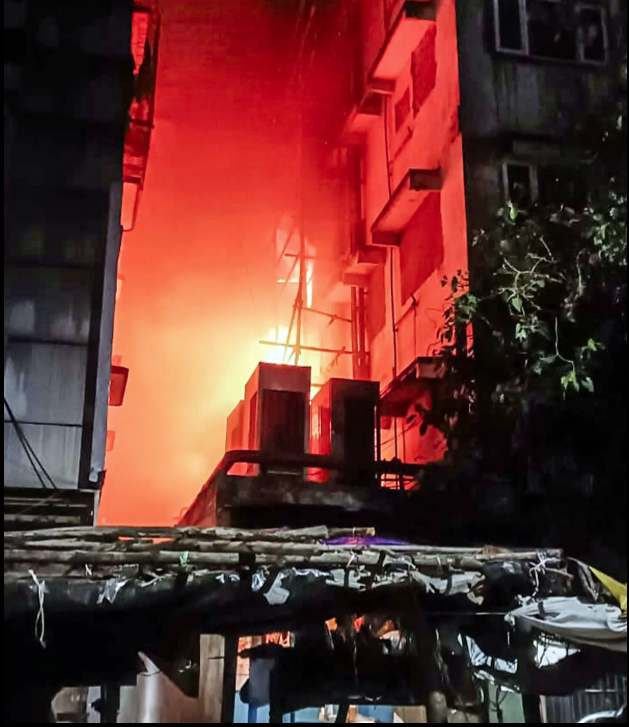
1 / 3 On the evening of 29 April 2025, a fire on the first floor of Rituraj Hotel in Burrabazar, Kolkata, killed 14 people, including two children from Tamil Nadu and their grandfather, and injured 13. Post-mortems showed most died from inhaling smoke. Residents and the fire department alleged combustible construction material inside, no fire escape and no outlet for smoke. The owner and manager were arrested. When you check into a hotel, find the nearest staircase straight away, and never use the lift in a fire.
Quick answers
What happened in the Rituraj Hotel fire in Kolkata?
On the evening of 29 April 2025, a fire broke out on the first floor of Rituraj Hotel in the Mechhua and Burrabazar area of Kolkata. 14 people were reported killed, including two children.
Why were many victims found on hotel staircases?
Smoke spread through staircases and corridors and trapped people trying to escape. Smoke can make a single stair unusable before flames reach upper floors, and many victims died from smoke inhalation rather than burns.
What should you check when you check into a hotel?
Check the escape plan and exits on arrival, and ask about sprinklers, alarms and emergency systems. Avoid staying in visibly unsafe, congested old buildings.
What should you do if trapped in a hotel room during a fire?
Seal door gaps with a wet cloth and signal with a phone light or cloth. Call 101 or 112 with the building, floor and number of people, do not jump except as a last resort, and seek medical help for smoke inhalation.
A family from Karur in Tamil Nadu was in Kolkata for the children’s summer holidays. On the evening of 29 April 2025, the parents stepped out to a nearby restaurant to buy food. When they came back, their hotel was on fire. Their two children and the children’s grandfather were among the 14 people who died.
Date and place
- Date: 29 April 2025, evening
- Place: Rituraj Hotel, a low-cost hotel in the Mechhua fruit market area of Burrabazar, central Kolkata, West Bengal
What happened
- The fire started on the first floor in the evening. Reports differ on the time: PTI said it was first spotted around 7:30 PM, and Akashvani reported around 8:15 PM.
- PTI reported 88 guests in 42 rooms at the time. The Chief Minister’s office later said police and firefighters rescued around 99 people.
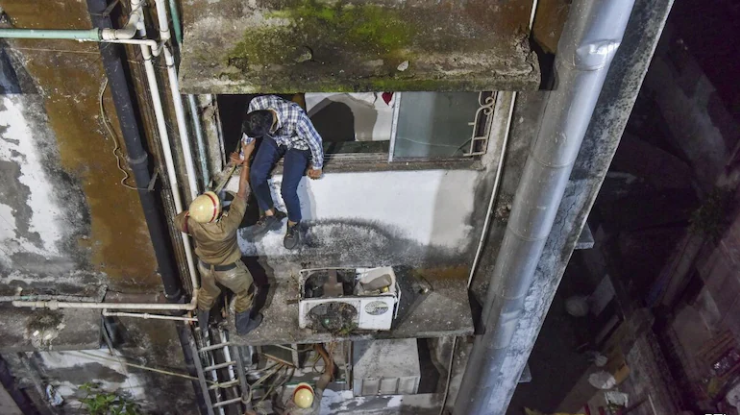
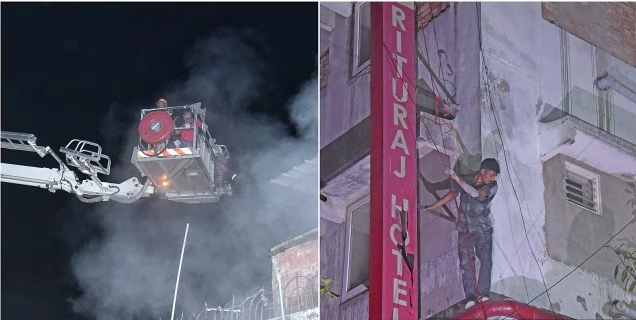
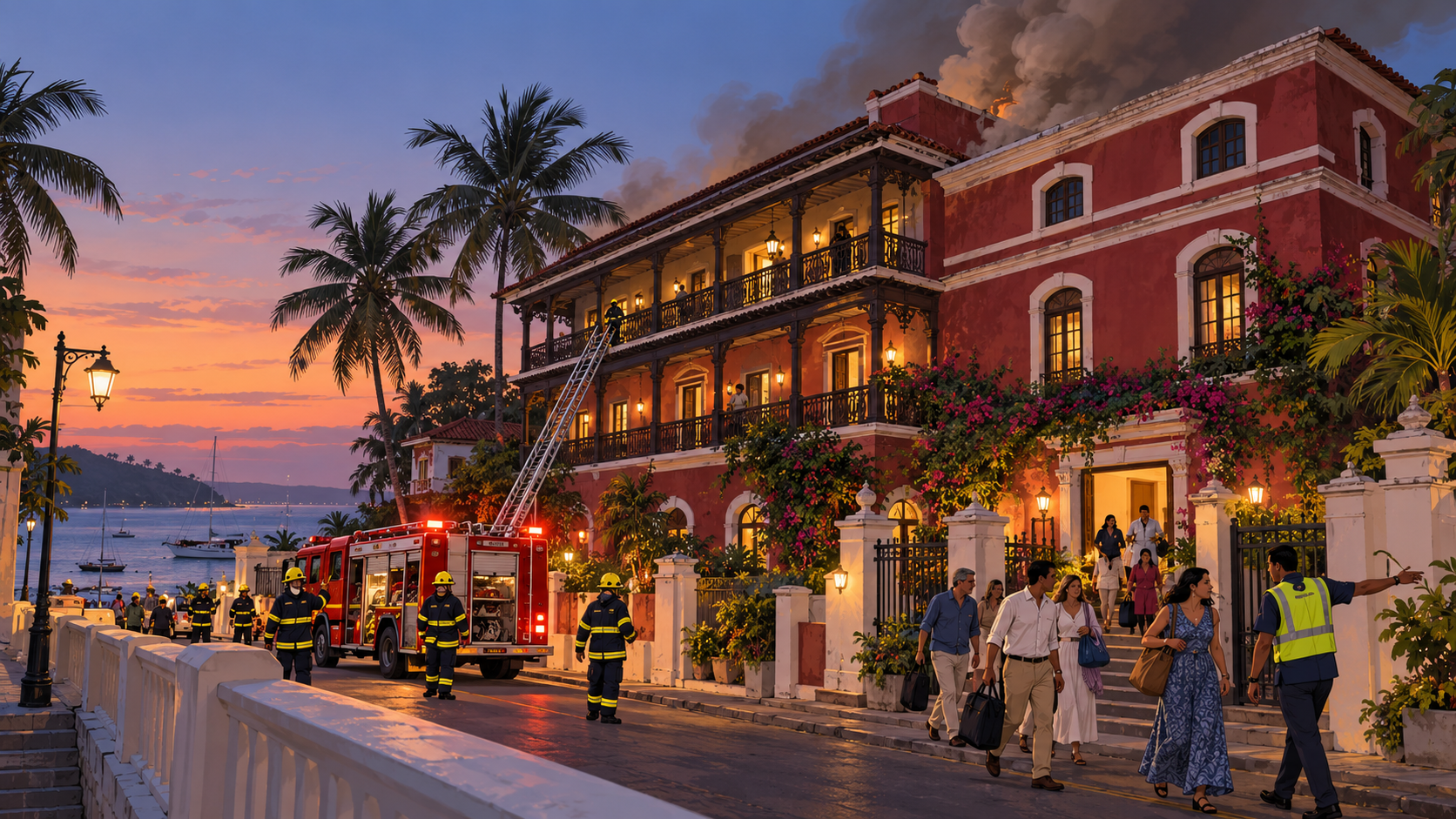
- Smoke filled the corridors and stairs. Guests and staff climbed to the roof and upper balconies, and firefighters used ladders and ropes and broke windows to get people out.
- 14 people died, including a woman and two children, and 13 were injured (PTI). Police first reported 15 deaths and later corrected the figure to 14.
- Kolkata Police said post-mortems showed the deaths were caused by asphyxia from inhaling carbon soot; burn injuries were also found. A few people may have died after jumping from upper floors in panic, and ETV Bharat reported that one staff member died after jumping.
- Ten fire tenders worked for nearly 10 hours before the fire was brought under control early the next morning (PTI).
- Police arrested the hotel owner, Akash Chawla, and manager, Gaurav Kapoor, on 1 May 2025. Kolkata Police formed a Special Investigation Team to look into the cause and the safety lapses.
What went wrong
- Combustible material inside: Residents alleged illegal construction in the building and said the fire started from combustible materials kept on the first floor for building a dance bar (Indian Express). The Chief Minister also said combustible materials stored inside caused the fast spread.
- No way out, no way for smoke to escape: The fire department and residents said there were no fire escape exits and no opening for smoke to leave, so the building turned into a gas chamber (Indian Express).
- Smoke in the stairs: With the corridors and stairs full of smoke, people were pushed upwards to the roof, ledges and windows instead of down and out.
- A crowded, old market area: Burrabazar’s narrow lanes make it hard for fire engines and ladders to get close.
The hard truths
- Most victims were killed by smoke, not flames.
- Building work and stored materials inside an occupied hotel added fuel right where people were sleeping and eating.
- Travellers have no way of knowing whether a cheap hotel has a second staircase or a working alarm unless they check for themselves.
How it could have been prevented
- No construction or storage of combustible material inside an occupied hotel without proper separation and fire approval.
- Kitchens and service areas separated from rooms and stairs by fire-resistant walls and doors.
- Smoke detectors and automatic sprinklers on every floor, with back-up power for the alarm.
- At least two protected staircases with self-closing fire doors, so smoke cannot fill them.
- Clear, lit exit signs and no locked or blocked exits.
- Trained staff who raise the alarm and guide guests out, and regular drills.
- Unannounced fire inspections of hotels and lodges, followed by action.
If you are ever in a hotel fire
- On hearing an alarm or smelling smoke, leave at once. Take only your phone and room key.
- Feel the door with the back of your hand. If it is hot, do not open it.
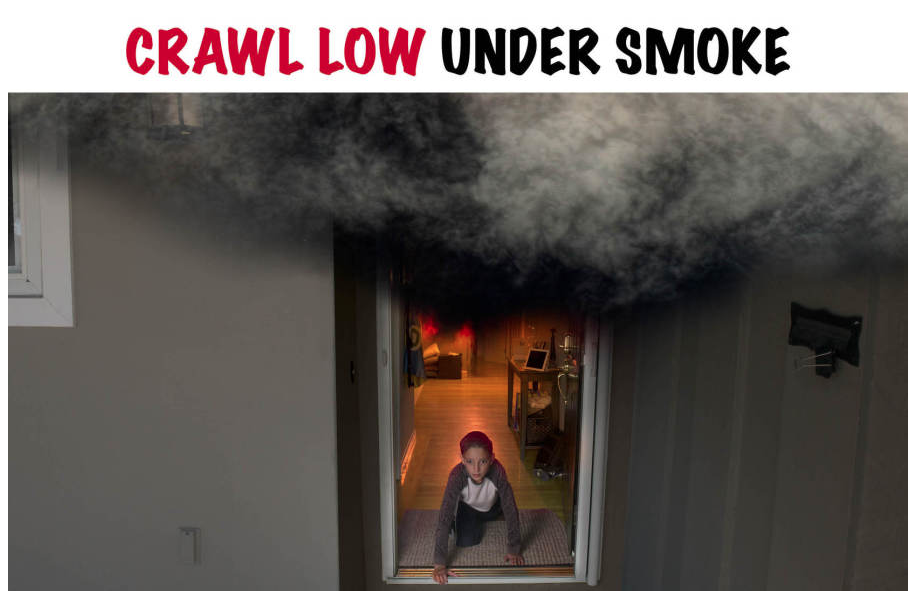
- If the corridor is clear, go to the exit you checked when you arrived. Stay low if there is smoke and cover your nose and mouth.
- Never use the lift.
- If the stairs are full of smoke, go back to your room, close the door and seal the gaps with wet towels or bedsheets.
- Call 101 or 112 and give the hotel name, floor and room number and how many people are with you.
- Signal from the window with a phone light or a bright cloth, and wait for rescue.
- Do not jump from a high floor. Jumping is a last resort only when there is no other way to survive.
- See a doctor afterwards for smoke inhalation, even if you have no burns.
Key numbers
- Deaths: 14, including two children and a woman
- Injured: 13 (PTI)
- Guests at the time: 88 in 42 rooms (PTI)
- Fire tenders: 10, working nearly 10 hours (PTI)
- Cause of death: mostly asphyxia from smoke (Kolkata Police post-mortem findings)
- Cause of fire: under investigation; combustible material stored inside is alleged



Voices
- Prabhu, who works in the export business in Karur, Tamil Nadu, lost his children Diya, 10, and Rithan, 3, and his father-in-law Muthukrishnan, 61. He and his wife had gone out to buy food when the fire broke out (ETV Bharat).
- Survivors and staff climbed to the roof and balconies as smoke filled the corridors, and waited there to be rescued.
What needs to change
- Hotels and lodges, especially in crowded old markets, must follow fire safety codes, and owners who don’t must face real penalties.
- Fire services need to inspect without notice and follow up until faults are fixed.
- Building work inside occupied hotels must stop unless it is separated and approved.
- Congested areas like Burrabazar need planned access for fire engines.
- Guests should be encouraged to check exits when they check in.
What you can do today
- Every time you check into a hotel, walk from your room to the nearest staircase and count the doors on the way.
- Ask the reception whether there is a second staircase and whether the fire alarm works.
- If the stairs are locked, blocked or used for storage, ask for another room or another hotel.
- Report fire safety violations to the local fire service.
- Share this case study, and volunteer with VFF India or HowToSurvive.in to spread survival knowledge.
In a crowded corner of a city, one spark can turn a hotel into a death trap. Two minutes spent finding the stairs when you check in can be the difference.
Latest update (16 October 2026)
Police arrested a third person on 2 May 2025: interior decorator Khurshid Alam, who was accused of flouting rules in the interior work and using flammable material (PTI). The case was registered suo motu at Jorasanko police station under sections including BNS 105 (culpable homicide not amounting to murder) and the West Bengal Fire Services Act, and the hotel was sealed.
The Wire reported that the hotel’s fire safety NOC had expired two years before the fire, and that exits and windows were blocked. The state announced Rs 2 lakh for the family of each person who died and Rs 50,000 for each injured person, in addition to PMNRF payments. We found no SIT report, chargesheet or court outcome by 16 October 2026.
More on Kolkata: see our Kolkata fire and emergency safety guide for fire brigade numbers, every fire station and the local risks to know.
- Fire is spotted on the first floor of Rituraj Hotel, Burrabazar, with 88 guests in 42 rooms
- Smoke fills corridors and stairs; guests and staff climb to the roof and balconies; firefighters use ladders and ropes
- Ten fire tenders bring the fire under control after nearly 10 hours
- Police correct the toll from 15 to 14 dead; 13 injured (PTI)
- Police arrest the hotel owner and manager; a Kolkata Police SIT investigates the cause and safety lapses
- Owner and manager remanded in police custody till 8 May; case registered suo motu at Jorasanko police station under BNS sections including 105 (PTI)
- Police arrest interior decorator Khurshid Alam, alleging rules were flouted in interior work; total arrests three (PTI)
- Reports say the hotel's fire safety NOC had expired two years earlier; state announces Rs 2 lakh ex gratia per death and Rs 50,000 per injured, besides PMNRF aid (The Wire)
- No SIT report, chargesheet or court outcome found
Why consequences escalated
- Smoke filled the corridors and stairs, so most victims died of asphyxia rather than burns
- Residents alleged combustible material for building work was stored on the first floor of an occupied hotel
- The fire department and residents said there were no fire escape exits and no opening for smoke to leave
- With the stairs blocked by smoke, guests were forced up to the roof, balconies and ledges
- Some people may have died after jumping in panic
- Narrow lanes in Burrabazar made it harder for fire engines to reach the building
Failures and risk multipliers
- Storing combustible construction material inside an occupied hotel
- No fire escape and no way for smoke to vent
- Stairs that were not protected from smoke
- Jumping from upper floors in panic
- Guests not knowing where the exits were
- Running a hotel in a congested building without effective inspection
Actions that reduce risk
- Stop building work and combustible storage inside occupied hotels unless it is separated and approved
- Provide at least two protected staircases with self-closing fire doors
- Fit smoke detectors and sprinklers on every floor, with back-up power
- Train hotel staff to raise the alarm and lead guests out
- Carry out unannounced fire inspections of hotels and lodges
- Plan fire-engine access for congested market areas
Leave a comment