
Case Study
What happened here
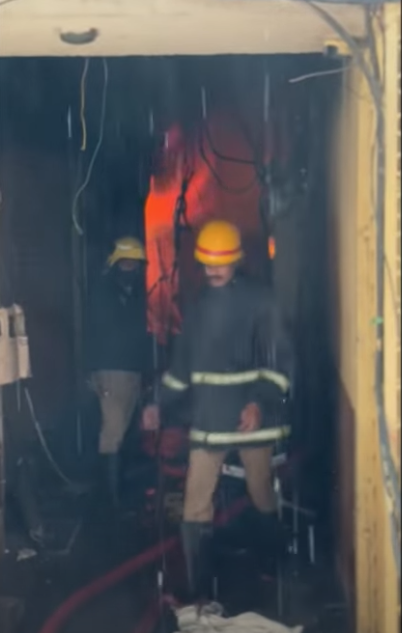
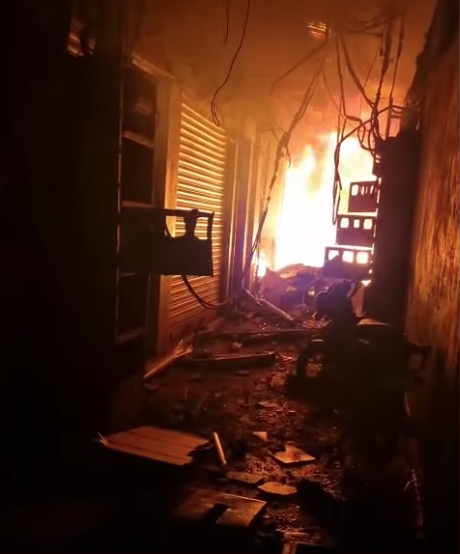
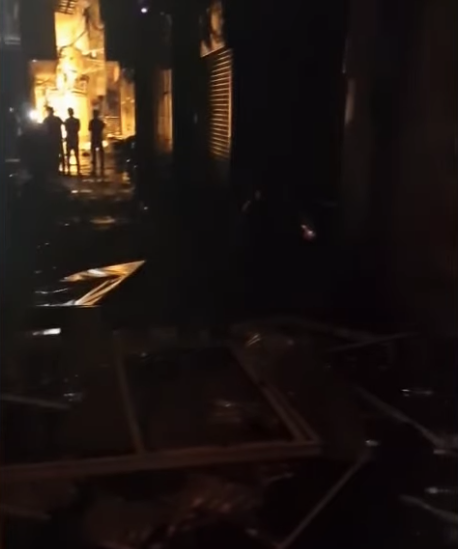
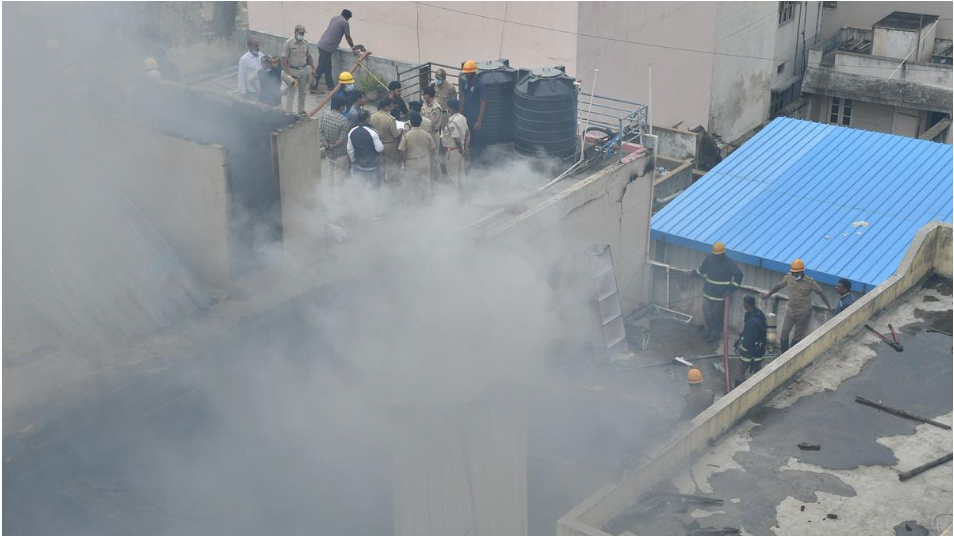
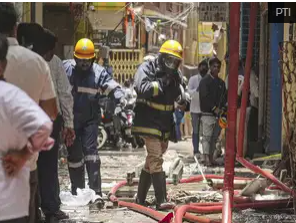
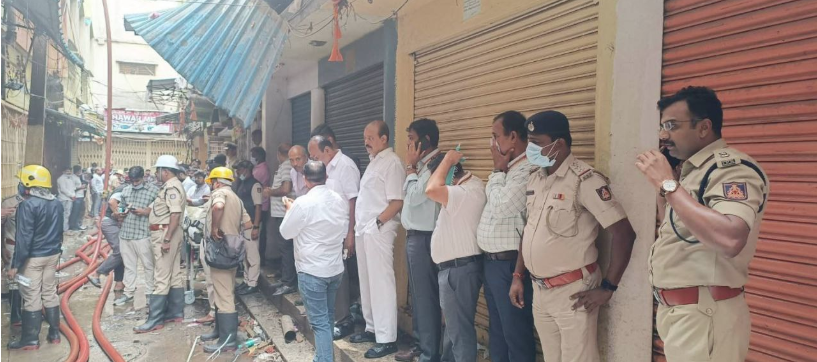
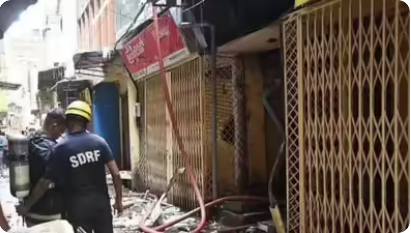
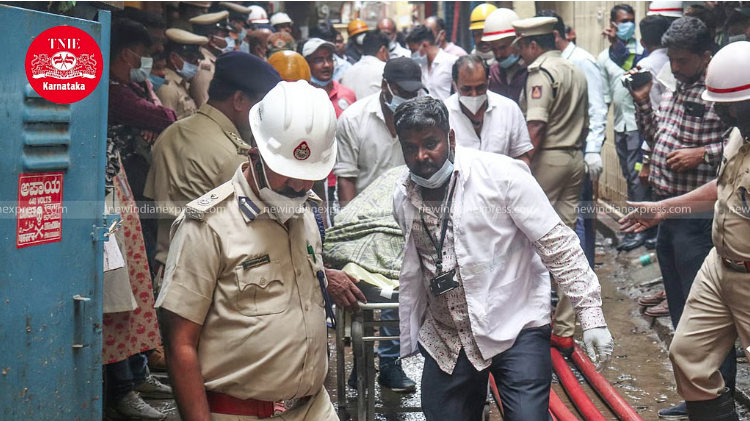 1 / 8
1 / 8 Building configurationGround plus four floors
OccupancyPlastic-article manufacturing/storage
Access conditionNarrow surrounding lanes
Open space expected for high riseMinimum 6 metres cited by fire official
Required escape provision citedTwo entry/exit points
A fire in a plastic-products unit inside a dense multi-storey commercial area tested high-rise access, water delivery and evacuation through narrow Bengaluru lanes.
📅 Date & Location
- Date: 16 August 2025 (early morning, ~3:30 AM)
- Location: Plastic mat manufacturing unit-cum-residential building, Nagarathpete, Central Bengaluru, Karnataka
🕯 What Happened?
- A major fire broke out in a plastic mat manufacturing unit operating from the ground floor of a residential building.
- Cause is suspected to be a short circuit in the factory area.
- The blaze quickly engulfed the building, trapping residents upstairs.
- Five people died, including two children from a family of four from Rajasthan. Another neighbour was also killed.
- The victims were asleep and were unable to escape due to thick smoke and blocked escape routes.
- Fire tenders rushed to the site, but by the time flames were doused, the residents had already succumbed to smoke inhalation and burns.
- Police later arrested the two building owners for safety violations and for illegally running a factory in a residential building.
🔍 Mistakes / What Went Wrong
- Illegal usage of building – commercial plastic factory inside a residential zone.
- Combustible materials (plastic mats) accelerated the fire.
- Electrical short circuit risk – inadequate wiring for industrial use.
- Blocked exits – no secondary escape route for residents trapped above.
- No fire detection or suppression systems – alarms, sprinklers absent.
- Late awareness – residents were asleep; smoke spread silently.
⚖ Hidden / Less-Mentioned Truths
- Victims didn’t die immediately of burns – smoke inhalation during sleep was the primary killer.
- Zoning violations: running plastic unit in dense, residential Nagarathpete is a systemic governance lapse.
- Arrest of owners shows negligence, but many such illegal mixed-use buildings exist across Bengaluru.
- This wasn’t just an “accident” – it was a preventable systemic failure.
🧯 How Could It Have Been Prevented?
- Strict zoning enforcement – no factories in residential spaces.
- Compulsory fire NOC for any mixed-use building.
- Installation of smoke alarms in every floor.
- Automatic fire suppression systems (sprinklers, extinguishers).
- Multiple exits / fire escape staircase mandatory in multi-storey buildings.
- Awareness of smoke survival techniques among residents.
- Regular safety audits by civic and fire authorities.
🛡 Survival Guide (If You’re in Such a Situation)
- If you smell smoke at night – crawl low, cover nose with damp cloth.
- Do not open hot doors – may lead to flash fire.
- Move to balcony/window and signal for rescue.
- Never try to run through dense smoke upright.
- Keep fire escape routes clear and known to all family members.
- Always store LSB (Life Safety Blanket), fire extinguisher, and torch in home.
- Teach children how to react calmly in case of fire.
📊 Data / Stats Box
- Deaths: 5 (including 2 children)
- Cause: Suspected electrical short circuit in plastic unit
- Building type: Plastic mat factory (ground floor) + residential (above)
- Fire fighting response: Multiple tenders, flames controlled in ~2 hours
- Legal action: Building owners arrested for violations
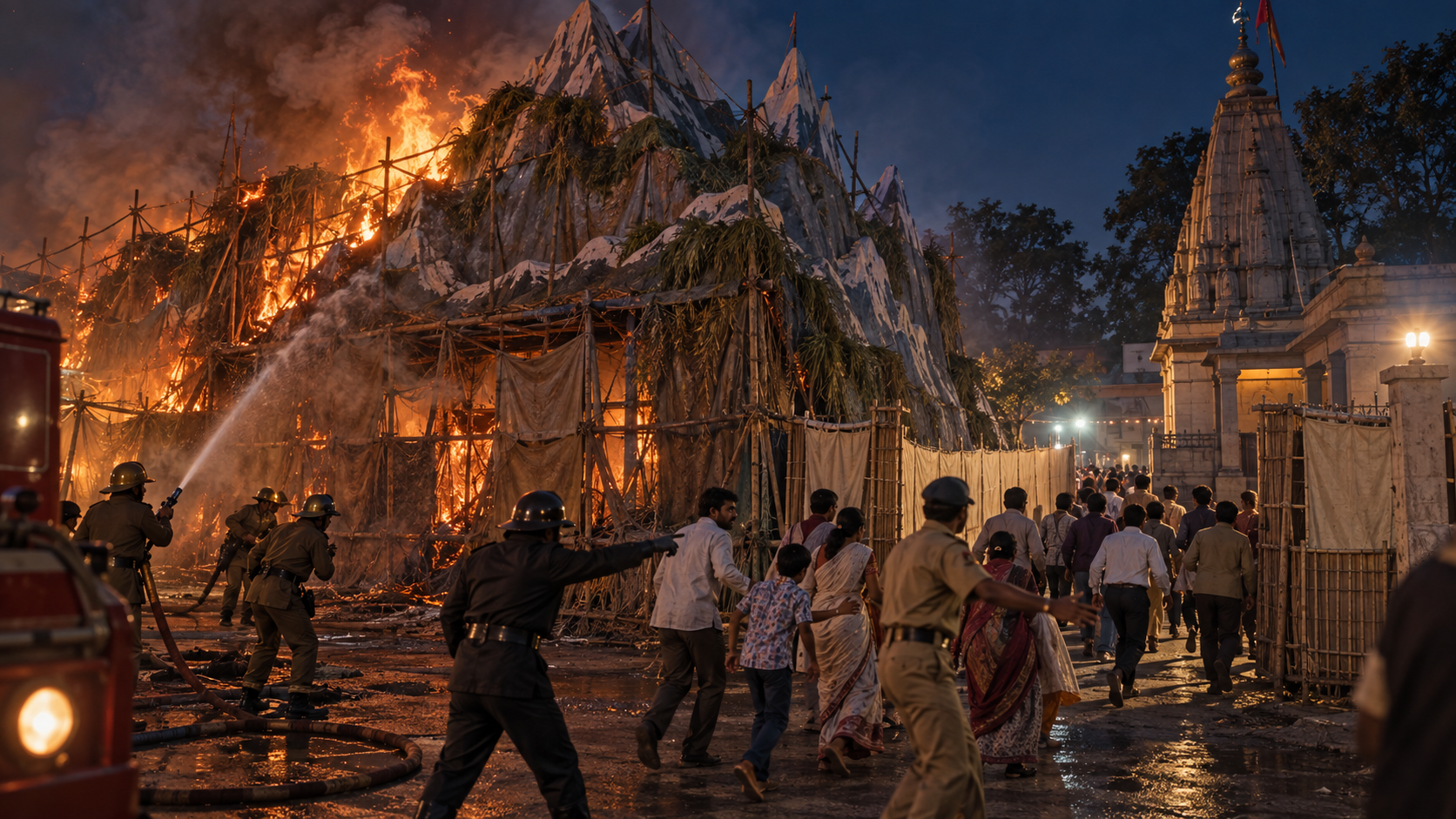
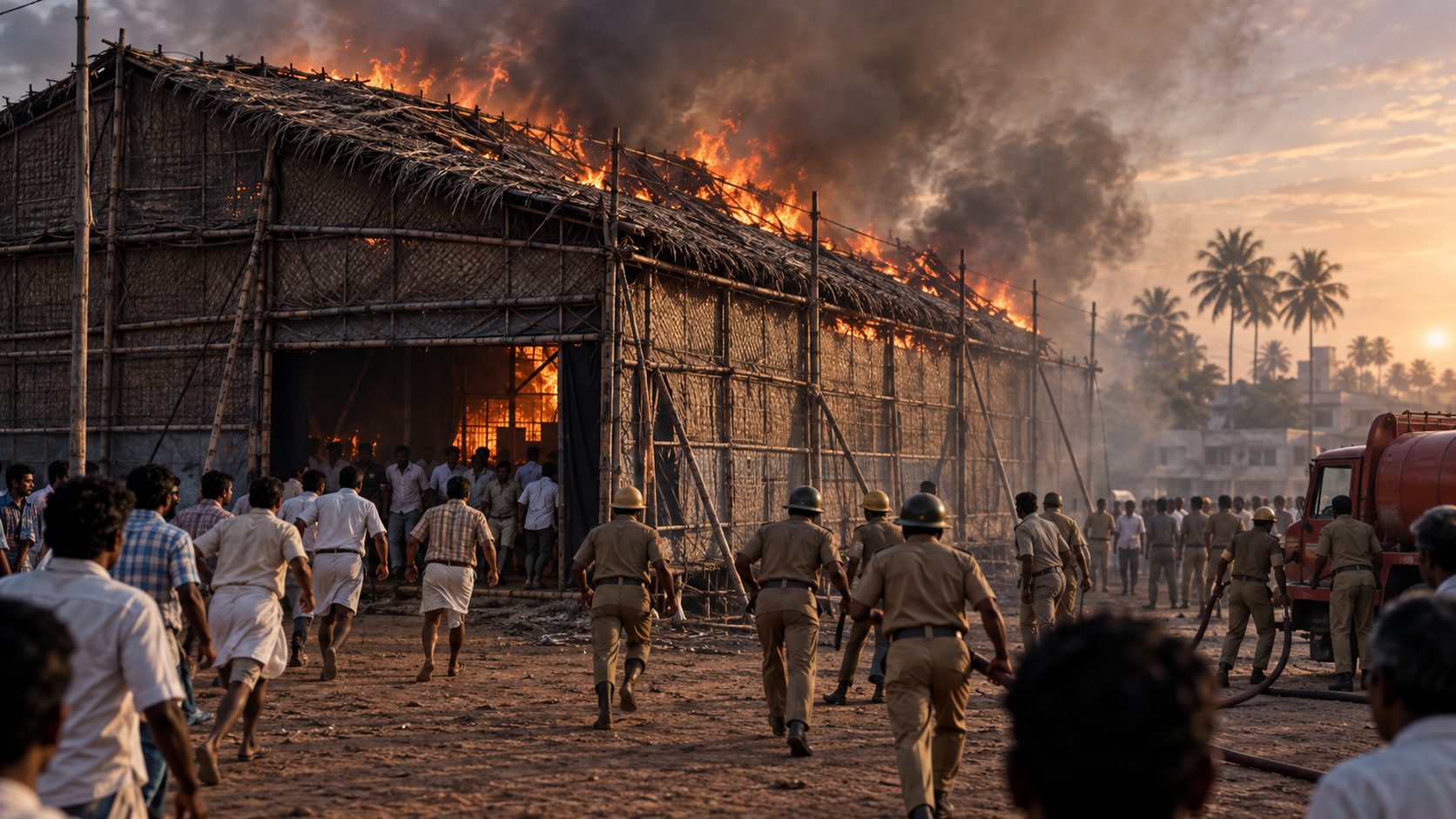
📽 Visuals (Collected / Suggested)








🙏 Voices / Human Angle
- A neighbour recalled: “We heard screams, but by the time we reached, the smoke was unbearable.”
- The Rajasthan family had moved to Bengaluru for livelihood – their lives ended due to negligence not their own.
- Survivors in the area expressed fear, demanding inspections of other similar buildings.
📢 Systemic Lessons
- Bengaluru has thousands of illegal mixed-use buildings; each is a potential death trap.
- Fire services must regularly inspect high-risk zones like Nagarathpete.
- Urban governance must strictly enforce zoning and fire compliance.
- Public awareness campaigns about smoke survival and exits are critical.
- Authorities must integrate community volunteer fire response in congested localities.
💡 What You Can Do Today
✅ Check if your building has valid fire NOC.
✅ Ensure there is at least one alternate escape route.
✅ Install basic smoke detectors in home.
✅ Educate your family about smoke survival.
✅ Report illegal factories in residential spaces.
✅ Share this case study to spread awareness.
📌 Tags
#BengaluruFire #NagarathpeteTragedy #HowToSurvive #IndiaFireCrisis #NeverForget
🔚 Closing Line
“One family’s livelihood turned into their death trap — a short circuit lit by negligence. Survival depends not on chance, but on preparedness and accountability.”
- Fire develops in the multi-storey plastic unit
- Combustible inventory produces heavy fire conditions
- Narrow bylanes restrict appliances and rescue positioning
- Firefighters and volunteers support suppression and evacuation
- Officials identify high-rise access and protection deficiencies
Why consequences escalated
- Combustible manufacturing in dense mixed-use areas needs strict separation
- A G+4 building can trigger high-rise access and system requirements
- Narrow lanes prevent reliance on external ladders and rescue
- Two protected routes and internal systems are vital
- Stored plastic produces high heat and dense toxic smoke
Failures and risk multipliers
- Failing to separate ignition hazards from vulnerable people or combustible stock
- Relying on a single escape route
- Allowing alarms, suppression or electrical protection to remain unverified
- Failing to plan for people who need assistance
- Delaying emergency notification or responder access
People closest to the evidence
““Safety lesson””
The actual occupied condition—not the approval file—determines whether people can detect, escape and survive a fire.
Actions that reduce risk
- Inspect electrical and process hazards
- Test alarms, emergency lighting and suppression
- Walk every exit to open air
- Plan assistance for children, patients and disabled occupants
- Keep fire-service access and water points clear
- Run a realistic drill and close recorded defects




Leave a comment