
What happened here
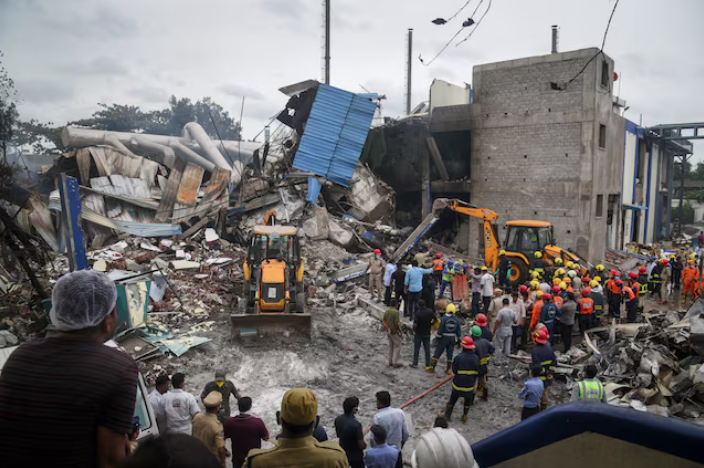
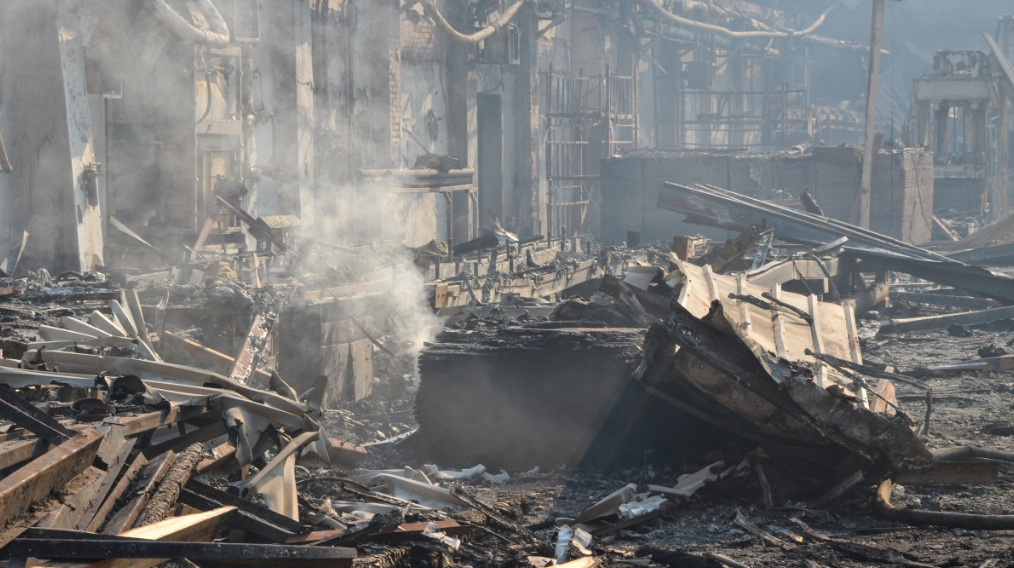
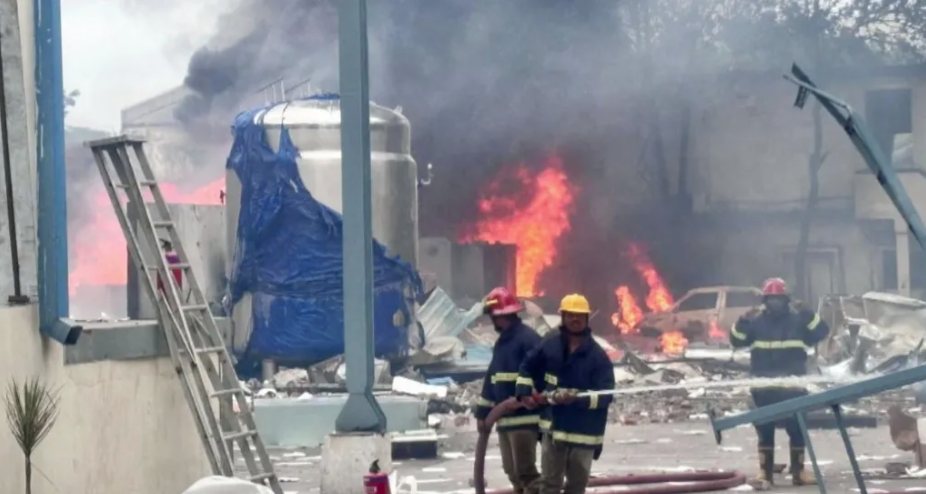 1 / 3
1 / 3 A catastrophic explosion in Sigachi Industries’ microcrystalline-cellulose process killed dozens of workers; later court reporting counted 54 lives lost including eight missing.
📅 Date & Location
- Date: 30 June 2025 (Monday, around 2:30 PM)
- Location: Sigachi Industries Limited, Daulatabad Industrial Area, Hatnoora, Sangareddy District, Hyderabad, Telangana
🕯 What Happened?
- A massive explosion followed by a fire broke out at the pharmaceutical ingredients manufacturing unit of Sigachi Industries.
- The explosion occurred during a solvent mixing process inside one of the chemical reactors.
- The blast was so powerful that it shook nearby villages; smoke and fire engulfed multiple sections of the factory.
- Initial reports confirmed 34 deaths, which later rose to 39+ workers (some reports say over 40), and more than 50 injured.
- Several workers were trapped inside due to the rapid spread of flames and dense toxic fumes.
- Nearby residents reported a loud boom, then a fireball visible from several kilometres away.
- The fire was controlled after several hours of operation involving multiple fire tenders and rescue teams.
- Sigachi Industries later declared a ₹60 crore revenue loss from the incident and reported a net loss of ₹101 crore for the quarter.
🔍 Mistakes / What Went Wrong
- Improper handling of hazardous chemicals – solvent vapours likely ignited.
- Lack of explosion-proof electrical equipment and poor grounding.
- No automatic fire suppression or gas detection system in high-risk zones.
- Emergency exits blocked or inadequate, causing workers to be trapped.
- Negligent safety culture – poor training and no emergency drills.
- Underestimation of explosion risk from solvent storage and mixing.
- Delayed evacuation after the first sign of smoke due to confusion.
- Weak enforcement of industrial safety norms by regulatory agencies.
⚖ Hidden / Less-Mentioned Truths
- Several reports revealed that the plant did not have a valid fire safety certificate at the time of the explosion.
- Safety violations were already flagged internally before the incident but no corrective action was taken.
- Employees reportedly worked long shifts in confined zones with inadequate ventilation.
- Many victims were contract workers, lacking formal training or PPE.
- The tragedy is one of the worst industrial disasters in Telangana’s recent history after the 2019 pharma plant fire in Bonthapally.
🧯 How Could It Have Been Prevented?
- Explosion-proof reactors and electrical systems for solvent processes.
- Automatic fire detection and suppression systems using gas sensors, water mist, and foam.
- Strict adherence to chemical process safety standards (NFPA, OSHA, PESO, NDMA guidelines).
- Mandatory emergency drills every 3 months for all staff.
- Proper storage and ventilation in solvent areas.
- Immediate evacuation protocols once abnormal fumes or pressure readings appear.
- Third-party audits of hazardous process industries.
- Segregation of high-risk operations from administrative and storage blocks.
🛡 Survival Guide (If You’re in a Chemical Explosion / Factory Fire)
- Move immediately away from the source of explosion – secondary blasts are common.
- Cover your nose and mouth with a wet cloth to reduce chemical fume inhalation.
- Stay upwind of smoke; avoid low areas where gases settle.
- Do not use elevators or metal staircases near chemical zones.
- Help others evacuate calmly — panic increases casualties.
- If skin contact occurs, wash with clean water for 15 minutes.
- Never re-enter the site until authorities declare it safe.
- Call 101 / 108 / 112 immediately and report chemical type if known.
- Observe for delayed symptoms (breathing issues, dizziness) – seek medical help.
- Report unsafe storage or poor safety practices to labour or fire authorities.
📊 Data / Stats Box
- Deaths: 39 confirmed (some reports 40+)
- Injured: 50+
- Explosion time: ~2:30 PM
- Type: Solvent explosion → subsequent fire
- Estimated loss: ₹60 crore property; ₹101 crore company net loss (Q1)
- Cause: Solvent vapour ignition during production process
- Firefighting units deployed: 15+ tenders; operations lasted several hours
📽 Visuals (Collected / Suggested)



🙏 Voices / Human Angle
- Survivors recalled hearing a deafening blast, then being thrown several feet by shockwaves.
- Families of contract workers struggled to identify loved ones — many bodies were charred beyond recognition.
- Local villagers reported toxic smoke drifting for hours after the blast, forcing temporary evacuations.
- One worker’s last message to his family read: “There’s smoke everywhere, we can’t see anything.”
📢 Systemic Lessons
- Industrial growth without safety is disaster in waiting.
- Telangana and other states must establish centralized chemical safety command units.
- Mandatory real-time monitoring of solvent concentrations and temperature in reactors.
- Every hazardous factory must maintain an on-site emergency plan (OSEP) and mutual aid tie-ups.
- Community awareness – nearby residents should know emergency siren codes and assembly points.
- Government must ensure transparent accident reporting and compensation for contract labourers.
💡 What You Can Do Today
✅ Report unsafe chemical storage or industrial activity in your locality.
✅ Learn basics of chemical hazard identification (GHS symbols).
✅ Encourage companies to adopt ISO 45001 & NFPA 30 compliance.
✅ Support workers’ right to safety through awareness drives.
✅ Share this story to remind industries: profit without safety is loss of humanity.
📌 Tags
#SigachiFire #HyderabadExplosion #IndustrialSafety #HowToSurvive #ChemicalFire #NeverForget
🔚 Closing Line
“In a few seconds, science turned to tragedy — the same chemicals that build life took it away. When safety is ignored, every factory becomes a ticking time bomb.”
- Microcrystalline cellulose processing is active
- Pressure/temperature or airflow control deteriorates
- Fine combustible material ignites in confinement
- Building damage traps and injures workers
- NDRF/SDRF, fire and police respond; government panels investigate
Why consequences escalated
- Fine organic powder can create a dust-explosion pentagon
- Temperature, airflow, pressure alarms and interlocks are critical safeguards
- Production increases require management of change and structural reassessment
- Housekeeping and explosion isolation limit propagation
- Worker accounting must immediately identify missing people
Failures and risk multipliers
- Failing to separate ignition hazards from vulnerable people or combustible stock
- Relying on a single escape route
- Allowing alarms, suppression or electrical protection to remain unverified
- Failing to plan for people who need assistance
- Delaying emergency notification or responder access
People closest to the evidence
““Safety lesson””
The actual occupied condition—not the approval file—determines whether people can detect, escape and survive a fire.
Actions that reduce risk
- Inspect electrical and process hazards
- Test alarms, emergency lighting and suppression
- Walk every exit to open air
- Plan assistance for children, patients and disabled occupants
- Keep fire-service access and water points clear
- Run a realistic drill and close recorded defects




Leave a comment