
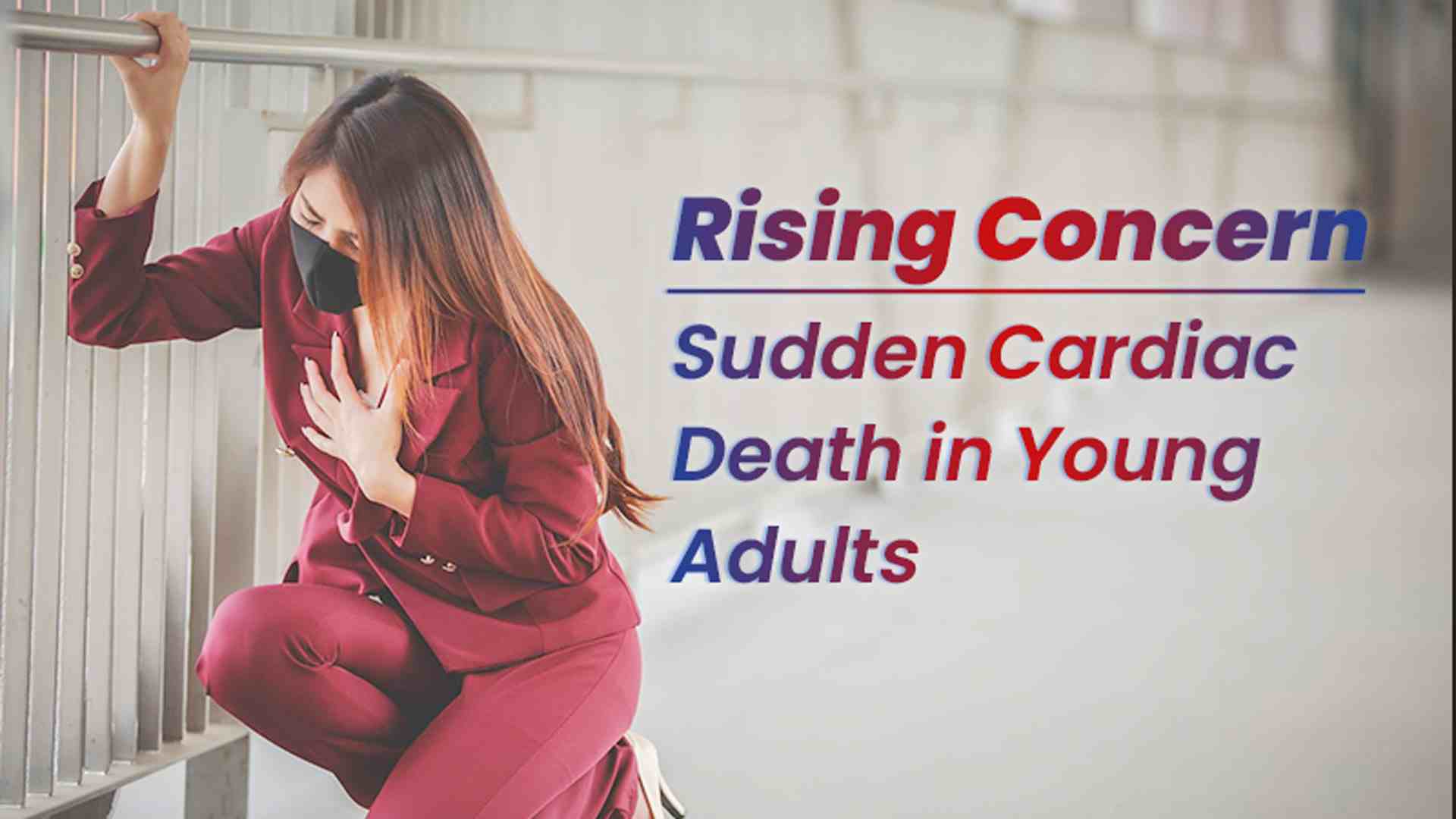
❤️ Cardiac Arrest Cases in Young Adults – Rising Trend in India
What needs attention
- The article topic must be linked to the actual occupancy and hazard
- Prevention and early warning provide more safety margin than last-second intervention
- Equipment is effective only when correctly selected, accessible and maintained
- People need short practised actions and a clear decision to stop and escape
- Children, visitors and people needing assistance require explicit planning
- Records, drills and inspections matter only when defects are corrected
Controls that reduce risk
- Complete a task- and site-specific hazard assessment
- Verify applicable Indian, state and local requirements
- Use competent inspection for installed systems and specialist hazards
- Keep alarms, exits, signs and emergency access usable
- Train intended users and practise evacuation
- Record defects with an owner and completion date
- Review the plan after changes, incidents or near misses
Understand and apply the guidance
🔴 Truth Drop
Cardiac arrest is no longer a disease of the old.
👉 Between 2019 and 2025, India has seen a 32% increase in sudden cardiac arrests among young adults aged 20–40 years.
(Source: AIIMS, ICMR, Indian Heart Association Data 2025)
The nation that once feared lifestyle diseases after 50 is now losing lives in their 20s and 30s — often, in gyms, offices, weddings, and classrooms.
📖 Why This Matters
Every week, headlines tell the same story:
- “27-year-old collapses during workout.”
- “Young IT employee dies suddenly at desk.”
- “30-year-old marathoner collapses mid-run.”
In almost all cases, death comes not because of medical complexity, but because of unawareness and delay.
👉 Cardiac arrest is reversible in the first few minutes — if CPR and AED are applied.
But in India, 95% die before help arrives.
⚠️ Understanding the Crisis
Cardiac Arrest ≠ Heart Attack
- Heart attack = blocked blood flow.
- Cardiac arrest = electrical failure → heart stops beating.
Occurs suddenly, often without warning.
Requires CPR within 2 minutes to prevent death.
📊 Data Snapshot (2019–2025)
| Year | Reported Sudden Cardiac Arrests (All Ages) | % in 20–40 Age Group | Estimated Young Deaths per Year |
|---|---|---|---|
| 2019 | 5.8 lakh | 18% | ~1.0 lakh |
| 2020 | 6.1 lakh | 20% | ~1.2 lakh |
| 2021 | 6.5 lakh | 23% | ~1.5 lakh |
| 2023 | 7.0 lakh | 28% | ~1.9 lakh |
| 2025 | 7.6 lakh | 32% | ~2.4 lakh |
(Source: ICMR Health Trends Report 2025, AIIMS Cardiology Department, WHO-SEARO 2024)
📍Alarming Insight:
Every hour, 25 young Indians die due to sudden cardiac arrest — and most deaths occur outside hospitals.
🧠 Why Young Hearts Are Failing
- Lifestyle Stress & Burnout
– Irregular sleep, high pressure jobs, no mental rest. - Unhealthy Habits
– Smoking, energy drinks, processed food, alcohol. - Silent Medical Conditions
– Undetected high BP, cholesterol, or congenital heart anomalies. - Extreme Workouts
– Gym overexertion, dehydration, or pre-workout stimulants. - Pollution & Heat Stress
– Air quality and extreme temperature affect heart rhythm. - Low Public Preparedness
– Lack of CPR training and AED devices in public spaces.
📉 India vs Global Survival
| Country | Survival Rate (Public Cardiac Arrests) | Bystander CPR Training % | AED Availability in Public Spaces |
|---|---|---|---|
| 🇮🇳 India | <5% | 2–3% | Very Low |
| 🇺🇸 USA | 55–60% | 70% | High (Airports, Malls, Offices) |
| 🇯🇵 Japan | 50% | 75% | Extensive |
| 🇸🇪 Sweden | 70% | 80% | Universal Access |
India’s heart failure crisis is not medical — it’s behavioral and systemic.
🛡 Survival Lessons for Citizens
✅ Know the Early Warning Signs:
– Chest pain, dizziness, jaw/arm pain, shortness of breath.
✅ Learn CPR – it’s easy and free.
– Hands-Only CPR can revive a stopped heart.
✅ Demand AEDs in your gym, office, mall, or housing society.
✅ Avoid extreme workouts without medical checkups.
✅ Get routine ECG & cholesterol tests — even if you’re under 35.
✅ Call 108 / 112 immediately — don’t wait for confirmation.
📢 Systemic Lessons
India must:
- Integrate CPR & first aid in schools and colleges.
- Mandate AED installation in all public buildings and gyms.
- Create a National Cardiac Emergency Response Network.
- Launch awareness campaigns under “Every Second Counts” initiative.
- Strengthen 108 ambulance services with cardiac-trained paramedics.
📣 Call to Action
🚨 Young India is dying silently — not from age, but from delay.
👉 Awareness must beat panic.
👉 CPR must become as common as a handshake.
Learn. Teach. Act.
Because your hands can be the heartbeat someone needs.
📎 References
- Indian Council of Medical Research (ICMR) Cardiac Study 2025
- AIIMS Delhi Cardiology Department Annual Report 2024
- Indian Heart Association “Young India Health Trends” 2024
- WHO-SEARO Sudden Cardiac Death Review 2023
- National Health Profile, MoHFW 2024
🔚 Closing Line
A young heart doesn’t just stop — it’s stopped by unawareness.
This is why we built HowToSurvive.in — to bring India’s youth back to awareness, action, and life.
Common unsafe practices
- Relying on equipment without a hazard assessment
- Blocking or compromising escape routes
- Delaying the alarm or emergency call
- Attempting a response beyond training or safe conditions
- Re-entering before authorised clearance
- Treating a checklist as a substitute for competent inspection