
What happened here
 1 / 7
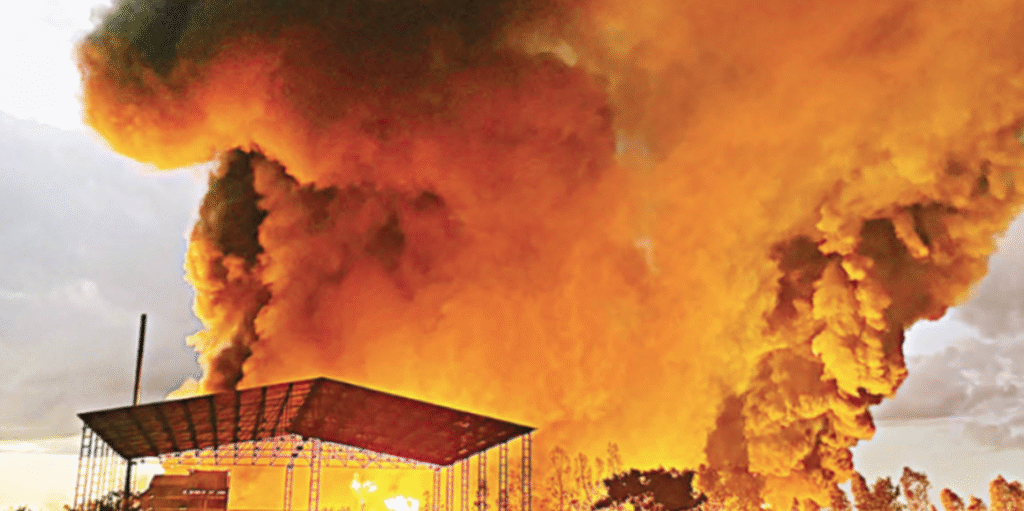
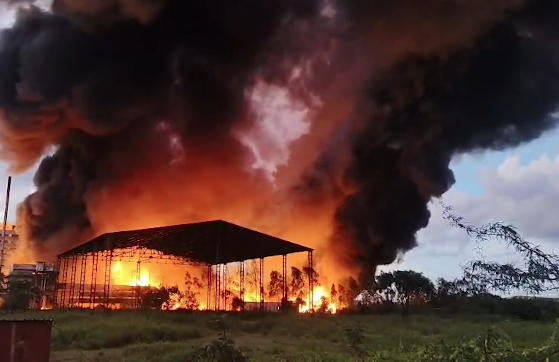
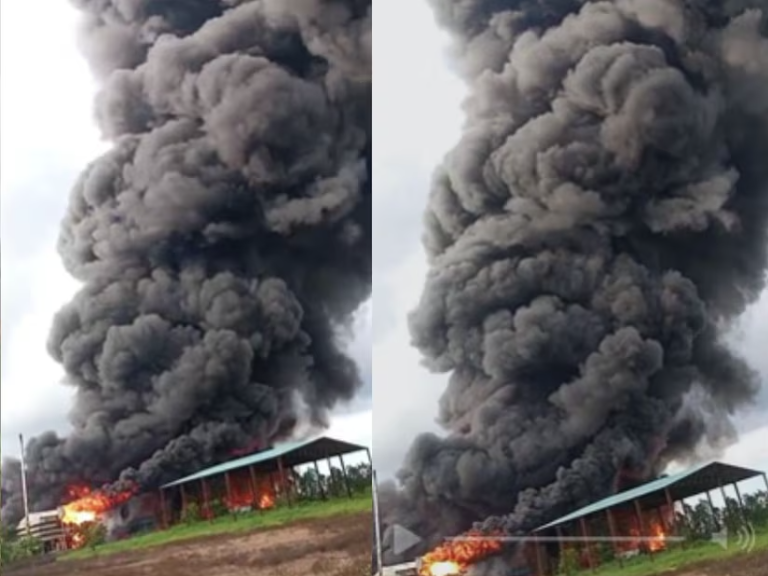
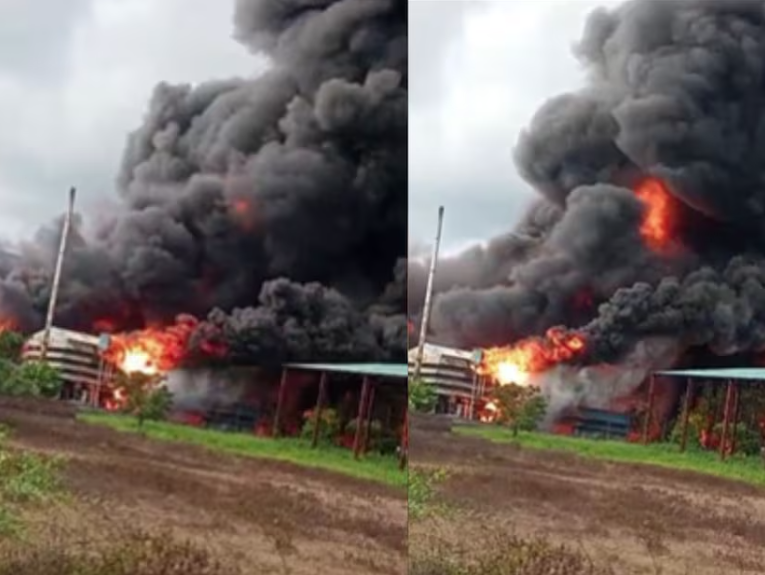
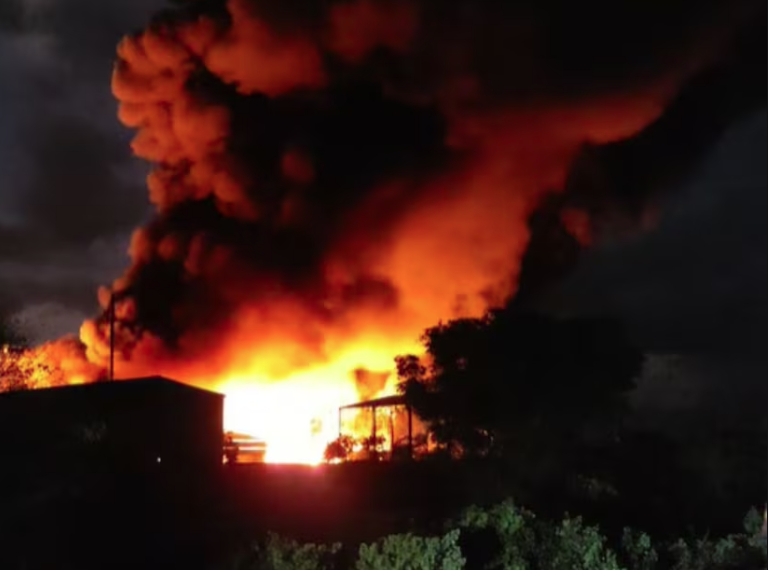
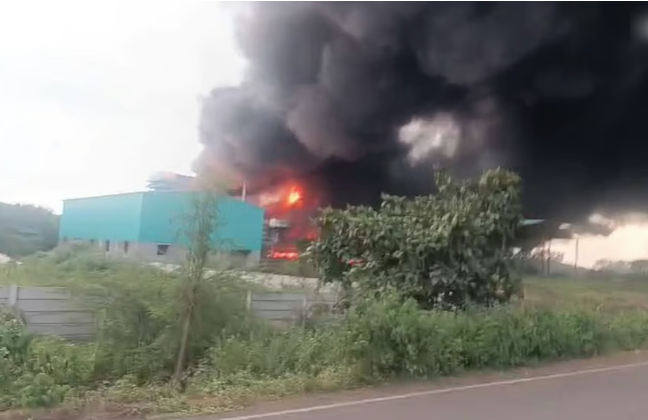
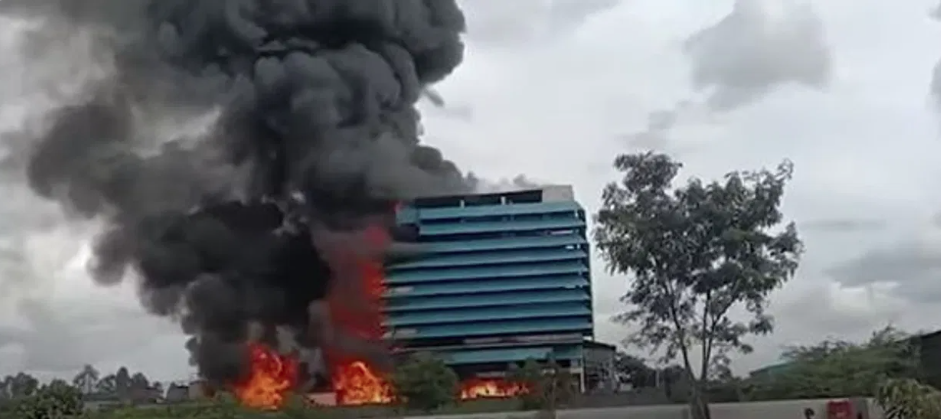
1 / 7 Welding sparks reportedly ignited a large solvent container at a chemical unit, and hundreds of filled cans drove an intense four-hour industrial fire.
📅 Date & Location of Incident
Date: 5 October 2025
Location: Tuljai Chemicals, Chincholi MIDC, Solapur District, Maharashtra, India
🕯 What Happened?
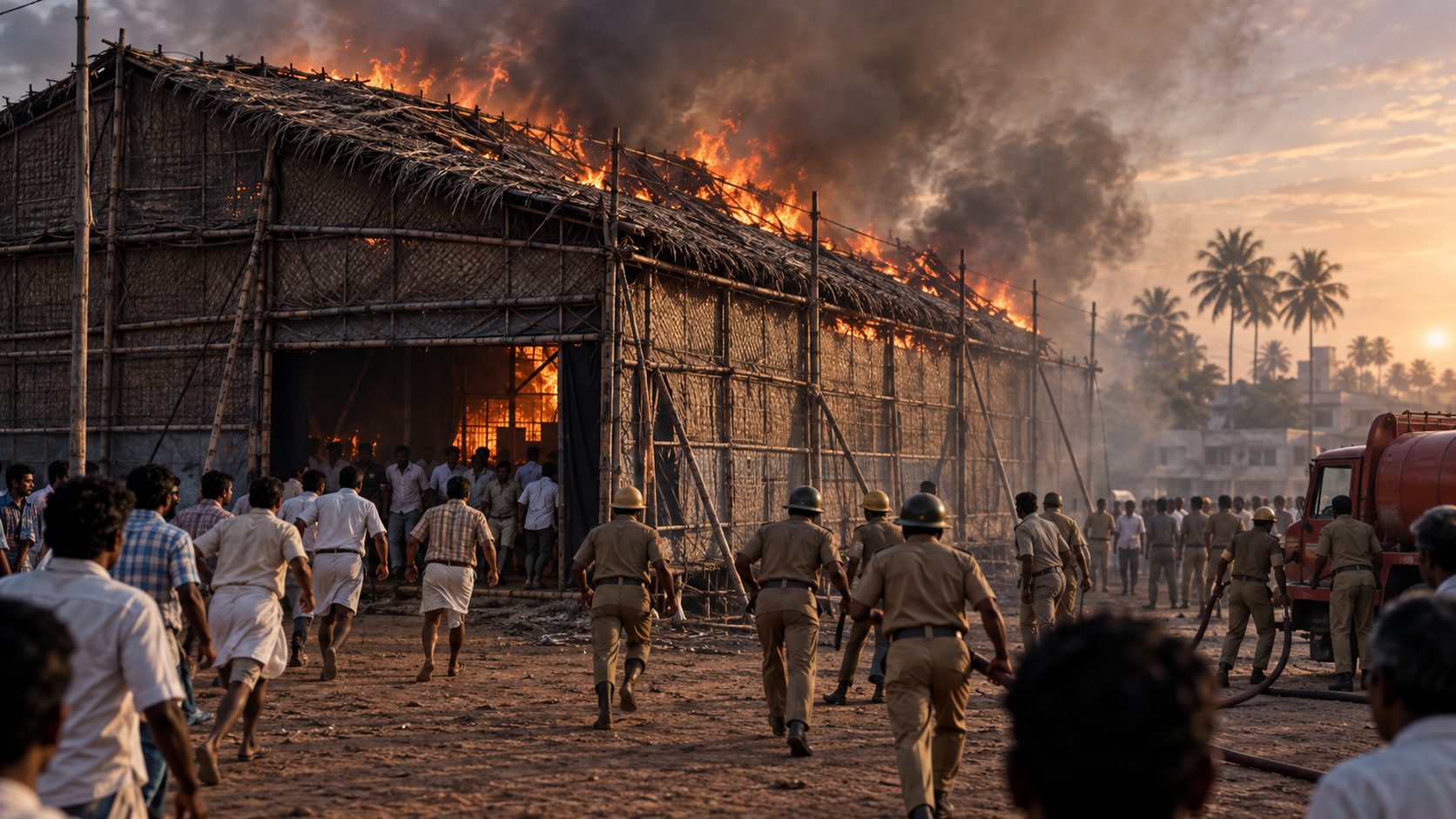
A massive fire broke out around 3:00 PM at Tuljai Chemicals, a factory located in the Chincholi MIDC industrial area of Solapur.
- The fire began during regular production hours, with workers present.
- Eyewitnesses reported a loud blast followed by rapid flames and thick black smoke billowing across the industrial zone.
- The fire was so intense that multiple explosions were heard — likely due to highly flammable solvents and chemicals.
- Over 10 fire tenders were deployed from Solapur city, MIDC, and nearby stations.
- No casualties were officially reported, but property damage is extensive, and nearby units were evacuated.
- It took over 4 hours to bring the blaze under control.
- Toxic smoke clouds spread across nearby villages, triggering fear of respiratory distress.
🔍 Core Mistakes / What Went Wrong?
- ❌ Storage of volatile chemicals without proper segregation
- ❌ No explosion-proof electrical systems in a hazardous area
- ❌ No automated suppression system like sprinklers or gas flooding
- ❌ Fire spread rapidly due to lack of fire-resistant compartment walls
- ❌ No trained internal fire response team in the factory
- ❌ Emergency exits and escape signage not visible or functional
- ❌ MIDC fire station located far from core hazard zones
⚖ Truth You Must Know
🔴 Tuljai Chemicals was dealing with solvents and flammable liquids — high-risk category, yet lacked visible external fire protection.
🔴 No official audit reports or fire NOC were immediately shown post-incident.
🔴 MIDC Solapur houses dozens of chemical units, yet has no unified safety command or response SOP for multi-unit industrial fires.
🔴 Local citizens were not alerted about the chemical fumes risk.
🔴 There’s no regional hospital plan for industrial fire inhalation or chemical burn emergencies.
🧯 How This Could Have Been Prevented
- ✅ Use of ATEX/IECEx-certified explosion-proof electricals
- ✅ Gas leak detectors and fire sensors connected to central monitoring
- ✅ Separate zones for storage vs. production
- ✅ Compulsory 6-month fire drills and mock evacuation
- ✅ Installation of foam-based suppression system for chemical fires
- ✅ Regular third-party audits and real-time NOC verification
- ✅ Community toxic release alert system for surrounding areas
🛡 How to Survive This Situation (For Workers & Nearby Residents)
🧑🏭 For factory workers:
- Know locations of fire extinguishers, blankets, and gas masks
- In case of chemical fire — do not use water; alert safety officer
- Move crosswind or upwind, not downwind
- Wear PPE gear while working with solvents or flammable stock
🏘 For nearby residents:
- Shut windows & doors immediately if you smell chemicals
- Use wet cloth over nose and mouth
- Evacuate perpendicular to wind direction, not towards fire
- Call 101 (Fire) or disaster helpline — give exact location
- Report difficulty in breathing — seek medical attention
📊 Stat/Data Box
| Metric | Data |
|---|---|
| Fire type | Chemical & solvent-based industrial fire |
| Duration of fire | 4+ hours |
| Fire brigade teams deployed | 10+ from Solapur, MIDC, and private units |
| Known casualties | 0 (as per initial reports) |
| Property loss | Estimated ₹15–20 crore |
| Number of chemical industries in Chincholi MIDC | 80+ |
| % of units with no visible fire NOC | 60%+ (unverified) |
📽 Visuals (Suggested)







🙏 Voices That Matter
“We heard a blast like a bomb — smoke was everywhere. We just ran.”
— A factory worker (name withheld)
“My family lives just 500 meters away… we didn’t get any warning about the gas or smoke.”
— Local resident near Chincholi MIDC
“This isn’t the first time. These MIDC units don’t follow any norms until tragedy strikes.”
— Firefighter at the scene
📢 Systemic Lesson
- MIDC estates are ticking time bombs without enforcement of chemical safety laws.
- Real-time digital Fire NOC status, updated on MIDC public dashboard, must be made mandatory.
- MIDC must fund dedicated industrial fire stations and joint command centers.
- Workers’ fire training and community chemical safety education must be part of every factory’s license.
- Mobile toxic smoke alert systems must be implemented for villages around chemical zones.
💡 What You Can Do Today
✅ If you work in chemical zone — demand regular fire drills and stock of LSBs & gas masks
✅ If you run a factory — get a fire audit and install sensor-based suppression systems
✅ If you live nearby — learn how to react during industrial fires
✅ Report unsafe units to fire dept or MIDC grievance cell
✅ Join VFF India’s volunteer awareness drive for industrial safety zones
🔚 Closing Line
“We can’t keep calling every chemical fire an ‘accident’ — when the system is wired to fail.”
🛡 This is why we started HowToSurvive.in — to turn ignorance into awareness and silence into safety.
- Welding is performed near solvent storage
- Flammable liquid/vapour ignites
- Hundreds of chemical cans become involved
- Fifteen reported workers leave the danger area
- Crews fight multiple burning sections for hours
Why consequences escalated
- Hot work and flammable-liquid storage require physical separation
- A permit must verify gas testing, isolation and fire watch
- Hundreds of solvent containers create pool-fire and explosion potential
- Drainage and fire-water containment protect neighbouring land
- Responders need a current chemical inventory and SDS access
Failures and risk multipliers
- Allowing ignition work near fuel or vulnerable occupants
- Failing to maintain alarms, pumps, suppression and protected exits
- Relying on one escape or external rescue
- Failing to provide responders with accurate hazard information
- Leaving defects open without an accountable owner
People closest to the evidence
““Safety lesson””
Detection, maintained systems, protected escape and accurate emergency information must work together.
Actions that reduce risk
- Test alarms, pumps and emergency lighting
- Walk every exit to open air
- Separate hot work from combustible or flammable material
- Confirm assisted-evacuation roles
- Keep responder access clear
- Record defects with owners and deadlines

Leave a comment