
What happened here
 1 / 11
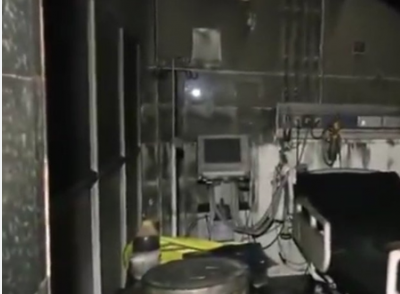
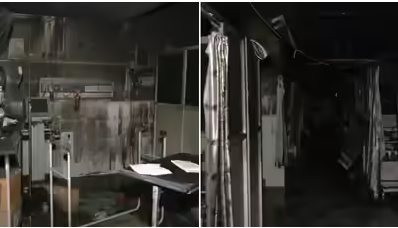
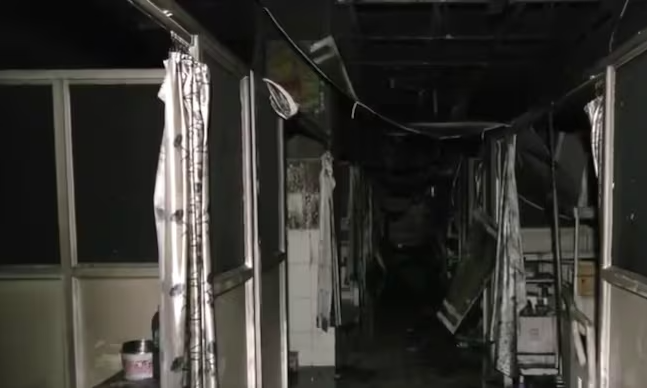
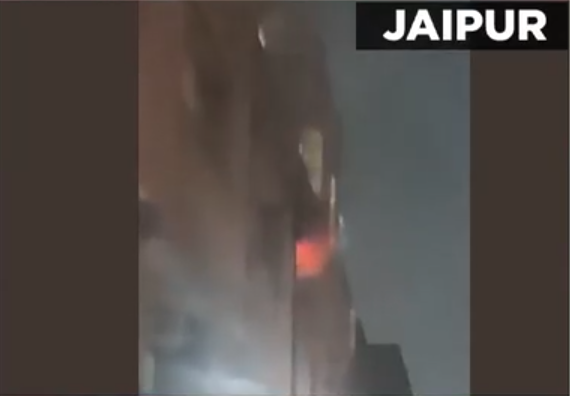
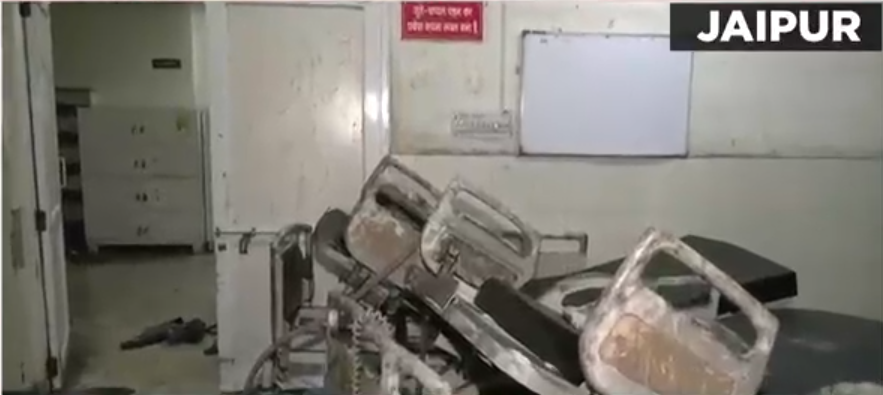
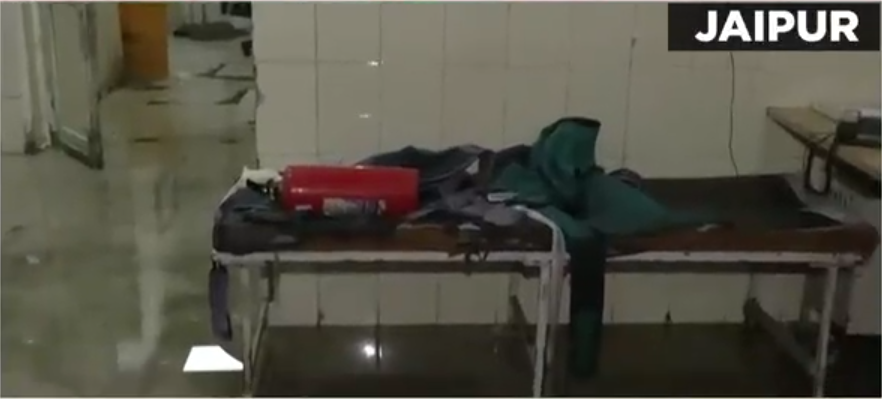
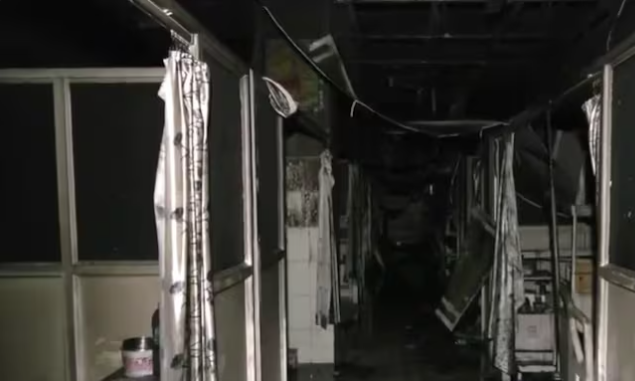
 Late on 5 October 2025, fire and smoke filled the trauma-centre ICU at SMS Hospital in Jaipur. The first state account gave six deaths, and the hospital maintains six died because of the fire. On 14 October the NHRC, citing media reports, spoke of eight deaths and three critical injuries and sought a detailed report. An inquiry report described by Aaj Tak in February 2026 reportedly found a storeroom beside ICU beds, about 30 minutes lost looking for its key and alarms that did not sound; the report itself is not public.
Quick answers
What happened in the SMS Hospital fire in Jaipur?
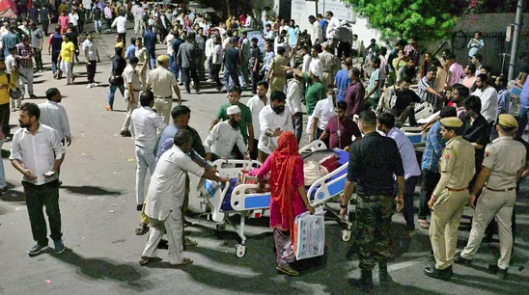
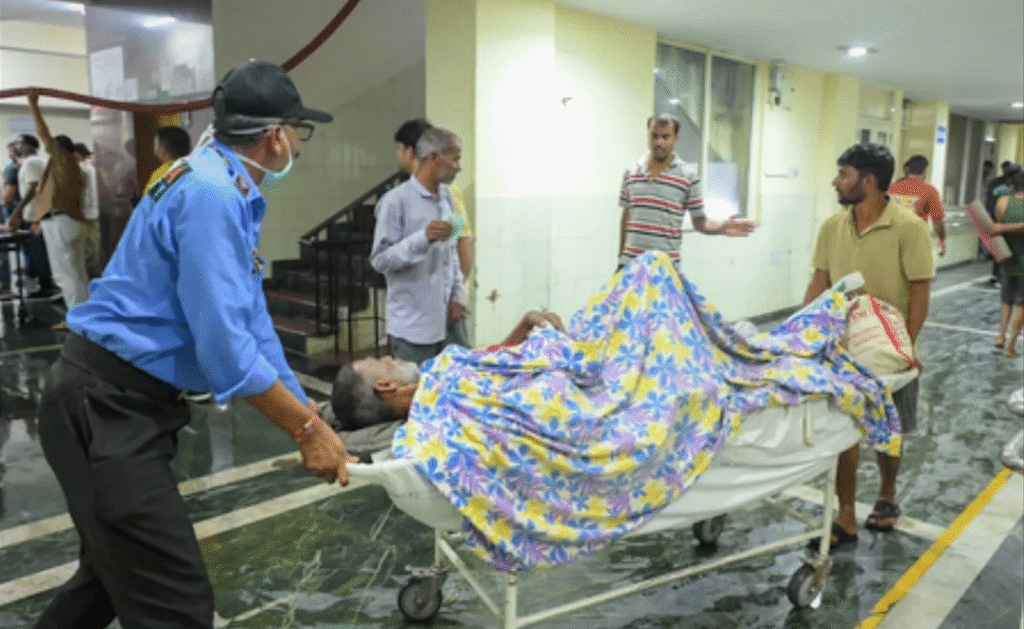
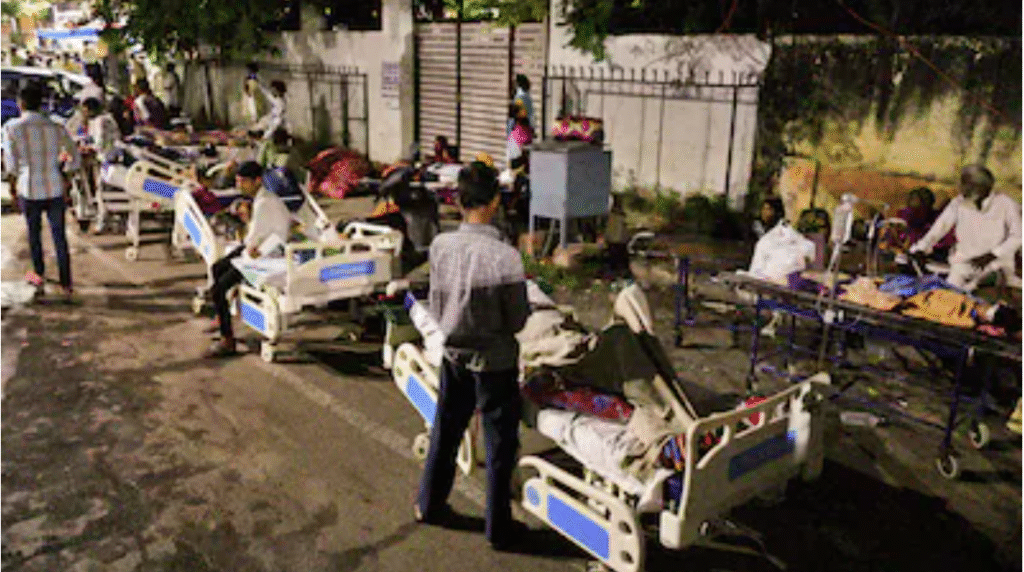
Late on 5 October 2025 and into the early hours of 6 October, fire and smoke filled the trauma-centre ICU at Sawai Man Singh Hospital in Jaipur. Eighteen patients were reported in the ICU and semi-ICU, and staff and rescuers moved them out through the smoke.
How many people died in the SMS Hospital fire?
The first Rajasthan government account said six, and the hospital maintains that six deaths were due to the fire. On 14 October 2025 the NHRC, citing media reports, spoke of eight deaths and three critical injuries and asked the state for a detailed report.
What caused the SMS Hospital fire?
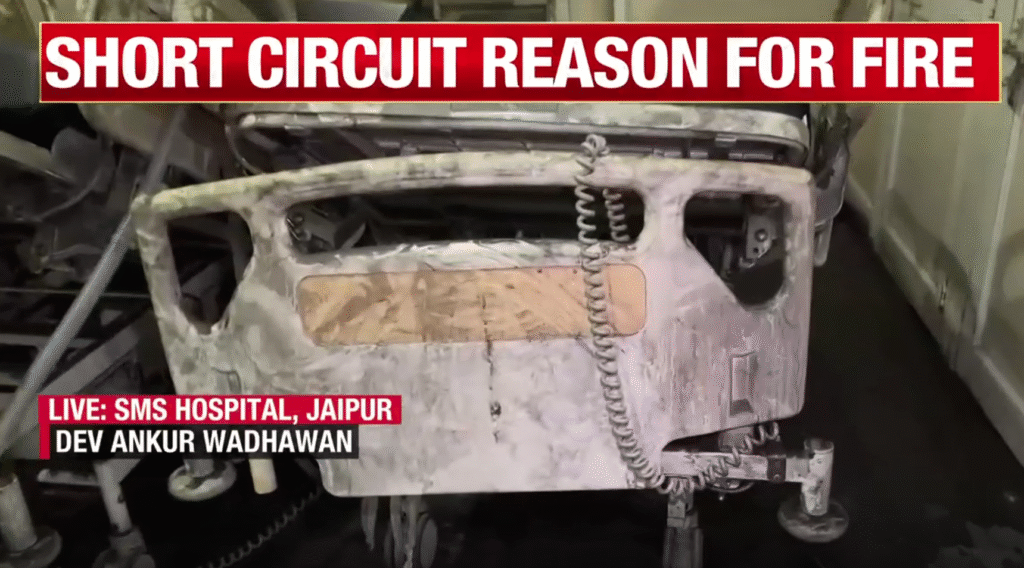
Early reports said a short circuit, but that was a first explanation. Aaj Tak's February 2026 account of the inquiry report mentions a storeroom beside the ICU beds, about 30 minutes lost searching for its key and alarms that did not sound. The report itself is not public, so the exact cause and responsibility are not settled.
What action was taken after the fire?
The superintendent and the trauma-centre nodal officer were removed, an executive engineer was suspended, and an FIR was ordered against the fire-safety agency SK Electric Company, whose tender was cancelled. The NHRC and the Rajasthan State Human Rights Commission both sought reports.
What should visitors do if a hospital ward fills with smoke?
Tell the staff at once and call 112. Follow the hospital's relocation plan, keep corridors clear and use the stairs, not the lift. Do not unplug equipment or move a patient yourself unless the staff ask you to.
Late on the night of 5 October 2025, fire and thick smoke filled the trauma-centre ICU at Sawai Man Singh (SMS) Hospital in Jaipur. Eighteen patients were reported to be in the ICU and semi-ICU. Hospital staff and rescue teams moved them out while smoke slowed every step.
How many died depends on which account you read. The first Rajasthan government account said six. On 14 October 2025, the National Human Rights Commission (NHRC), citing media reports, spoke of eight deaths and three people critically injured. We give both numbers with their dates, because no public official record has settled the toll.
What happened that night
The fire broke out in the trauma-centre ICU late on 5 October and went on into the early hours of 6 October. Patients in an ICU are on oxygen, monitors or drips, and very few can get up and walk out. Staff and rescuers had to move them through smoky corridors, and the smoke made the rescue slow and hard.
What the authorities did
The state government ordered a high-level inquiry. Akashvani reported that the hospital superintendent and the trauma-centre nodal officer were removed, that an FIR was registered involving the fire-safety contractor, and that other administrative steps were taken.
The NHRC asked the state Chief Secretary and Director General of Police for a detailed report. These are actions and allegations. They are not final findings on what caused the fire or who is legally responsible.
What is still not known
Early reports blamed a short circuit, but that was a first explanation, not a finding. We have not been able to find the inquiry committee’s report as an official public document, and we found no NHRC closure record. Until that record is public, the exact cause, the condition of each fire-safety system and who is to blame should not be treated as settled. What the report is said to contain is set out in the update below.
Latest update (16 October 2026)
Within days of the fire, an executive engineer was suspended, an FIR was ordered against the fire-safety agency SK Electric Company and its tender was cancelled (IANS). The Rajasthan State Human Rights Commission asked for a factual report. Officials said six of the 11 patients in the neuro-ICU died, and two of the 14 patients moved from another ICU on the same floor died later. The hospital maintained that six deaths were due to the fire.
On 25 February 2026, Aaj Tak reported on the inquiry committee’s report, which it said had come about four months after the fire. According to that account, a storeroom had been built beside the ICU beds, about 30 minutes were lost searching for its key, staff left the ICU, and the alarms and smoke detectors did not sound. We have not seen the report itself.
By June 2026, ETV Bharat reported, permanent fire-safety officers had been posted at the hospital and the burnt ICU was being restored, though one block still had no sprinklers.
If smoke appears in a hospital ward
Tell the nurse or ward staff the moment you smell smoke, and call 112. Then follow the hospital’s plan. Patients are often moved first to a safer area on the same floor, behind closed fire doors, rather than straight down the stairs. Keep the corridor clear for trolleys and beds.
Patients on oxygen, or who cannot walk, need trained clinical staff to move them. As a visitor, do not unplug equipment or try to shift a patient yourself unless the staff ask you to.
What every hospital should take from this
An ICU fire is mostly a smoke problem, and almost nobody inside can leave on their own. People survive when the fire is spotted early, closed doors hold the smoke back, one person is clearly in charge and the night shift has actually practised moving patients on ventilators and oxygen. If the reported inquiry findings hold, a storeroom next to ICU beds, a missing key and alarms that stayed silent are exactly the kind of small failures that eat up those first minutes.
Officials also need to publish casualty figures with dates, so that an early count is never confused with a later one.
Before your next hospital visit
If someone in your family is admitted, take two minutes on your next visit to find the two nearest exits from the ward. Ask the nursing station how they would move patients who cannot walk. If you see a sparking socket, an overloaded extension board or a smoke door wedged open with a chair, tell the staff, and put it in writing.
More on Jaipur: see our Jaipur fire and emergency safety guide for fire brigade numbers, every fire station and the local risks to know.
- Fire and smoke hit the trauma-centre ICU at SMS Hospital; staff and rescuers move patients through the smoke
- Initial Rajasthan government account reports six deaths
- State orders a high-level investigation; superintendent and trauma-centre nodal officer removed; FIR involving the safety contractor (Akashvani)
- NHRC cites media reports of eight deaths and three critical injuries and seeks a report from the Chief Secretary and DGP
- No final inquiry report or NHRC closure record located in this review
- Executive engineer suspended; FIR ordered against fire-safety agency SK Electric Company and its tender cancelled (IANS)
- Rajasthan State Human Rights Commission seeks a factual report; officials say six of 11 neuro-ICU patients died and two patients moved from another ICU died later (PTI)
- Aaj Tak reports the inquiry committee's findings: a storeroom beside ICU beds, about 30 minutes lost searching for its key, staff leaving the ICU and alarms not sounding
- ETV Bharat reports permanent fire-safety officers posted and the ICU being restored; sprinklers still missing in one block
- Official report not public; toll still reported as six or eight
Why consequences escalated
- ICU patients on oxygen, monitors and drips cannot walk out, so every one of them depended on trained staff and enough trolleys
- In an ICU fire the smoke is the main danger; closed doors and compartments matter as much as putting out the flames
- Wards packed with electrical equipment need their wiring and loads checked all the time, not once in a while
- If the reported inquiry findings hold, a storeroom beside ICU beds and a missing key cost about 30 minutes
- Alarms and smoke detectors that did not sound, as reported, point to faults and complaints that nobody was made to close
- The person in charge must be able to account for every patient straight away
- The toll is still given as six or eight depending on the source, which is why counts must be published with dates
Failures and risk multipliers
- Planning an ICU evacuation as if patients can walk out, when most are on oxygen, monitors or ventilators
- Wedging smoke doors open, so smoke travels down the corridor into the next ward
- Leaving electrical complaints in equipment-heavy wards without a named person to close them
- Visitors unplugging equipment or moving patients on their own in the confusion
- Announcing an early casualty count as final, when later figures can differ
Actions that reduce risk
- Inspect ICU wiring, sockets and equipment loads on a fixed schedule, and log who fixed each fault
- Keep smoke doors between ICU compartments self-closing and shut, never tied open
- Rehearse moving ventilated and oxygen-dependent patients with the night shift, not just the day staff
- Keep enough trolleys, portable oxygen cylinders and evacuation sheets on every critical-care floor
- Keep a live ICU patient list the person in charge can pick up in seconds
- Test smoke detection and alarms in the ICU and fix faults the same day


Leave a comment