
What happened here
 1 / 7
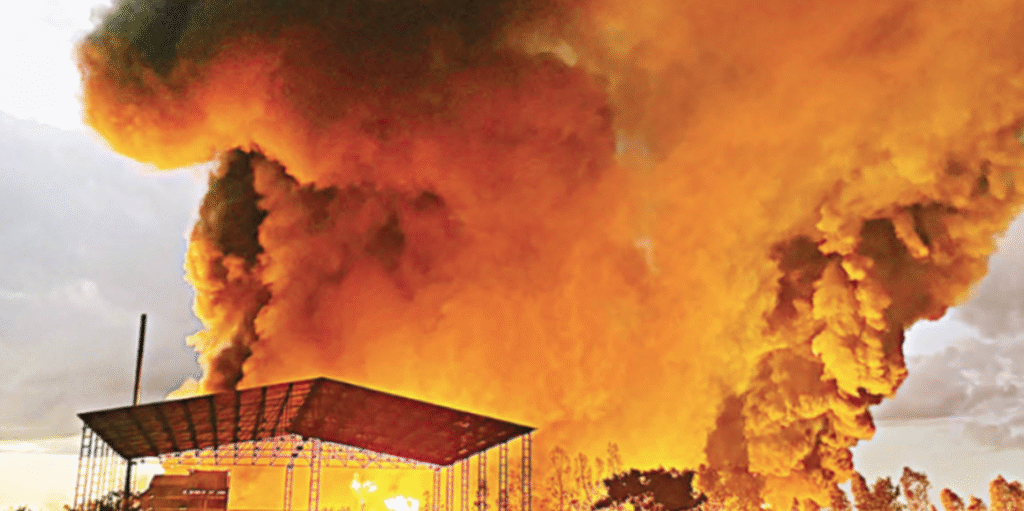
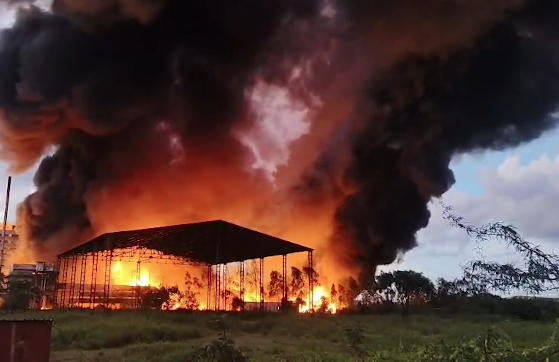
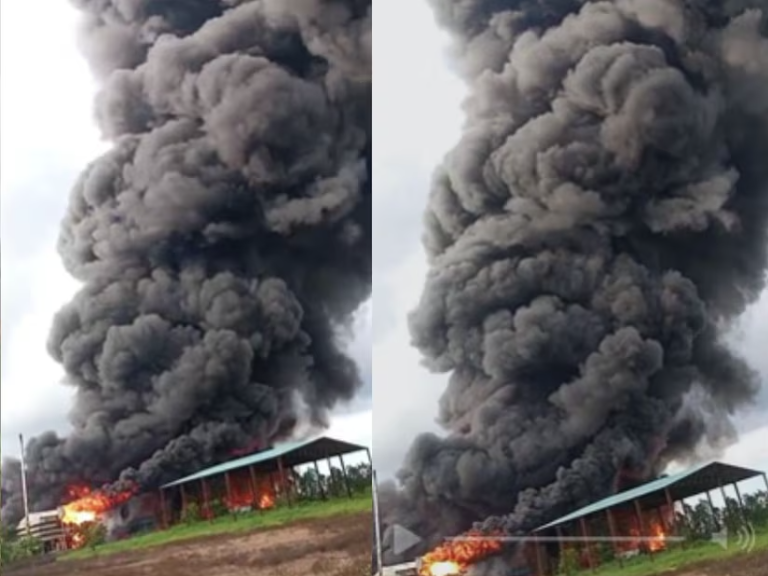
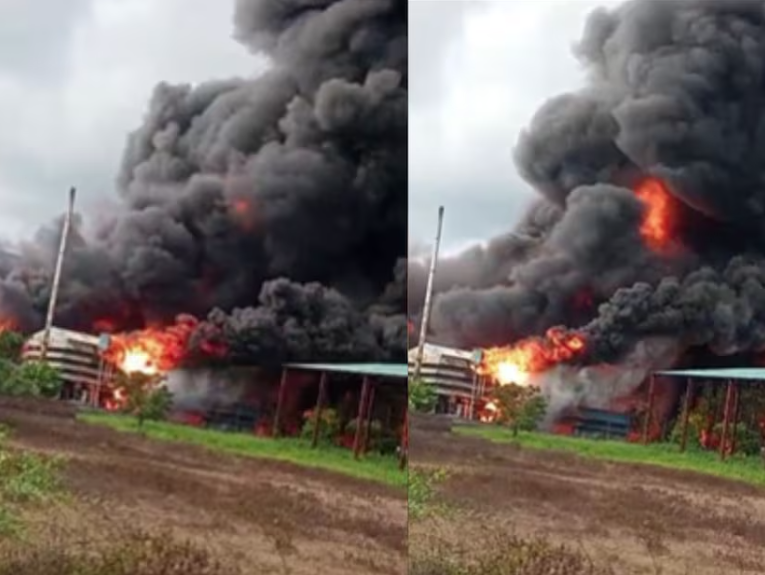
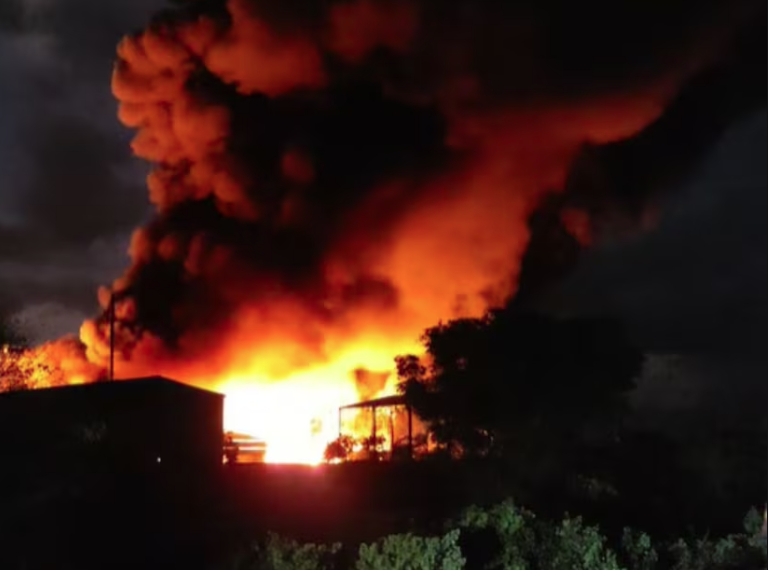
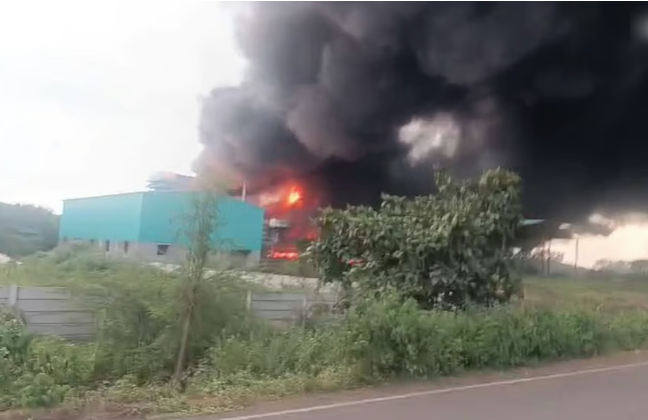
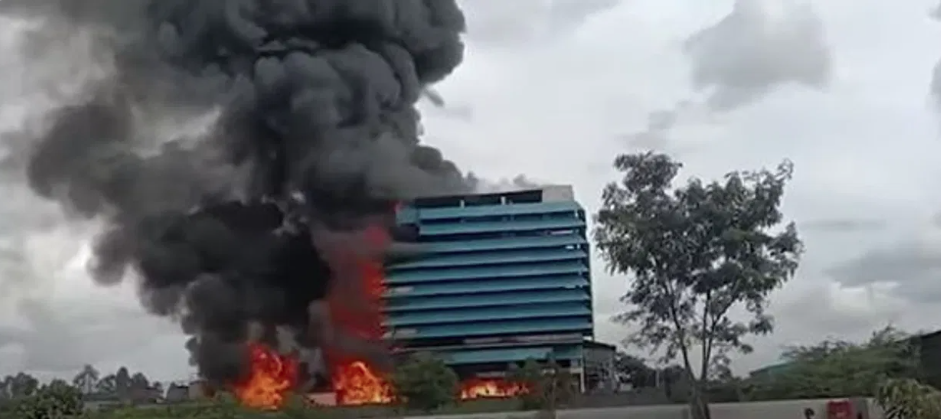
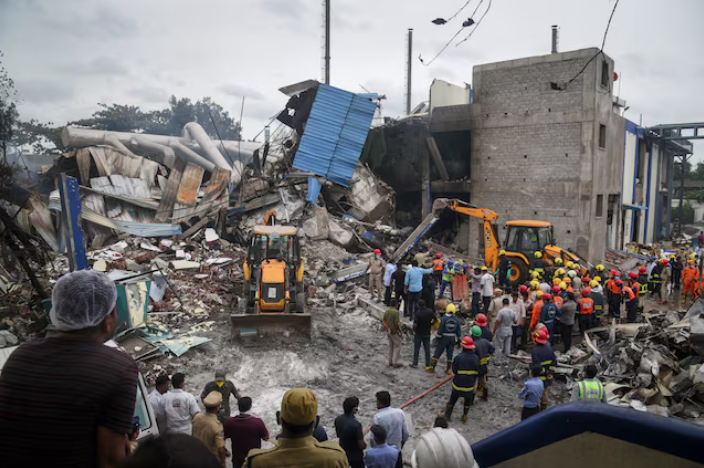
1 / 7 On 3 October 2025, sparks from welding fell on a large solvent container at a chemical unit in Chincholi MIDC, Solapur, fire brigade personnel said. Hundreds of filled cans fed the fire, which was still burning four hours later. All 15 workers got out, but they had fought the fire alone for about half an hour before anyone alerted the fire station.
Quick answers
What happened in the Chincholi MIDC chemical fire in Solapur?
On 3 October 2025, a fire broke out at a solvent-making unit in Chincholi MIDC, Solapur district. Hundreds of solvent cans fed it, it was still burning four hours later, and all 15 workers were rescued.
What started the Chincholi MIDC fire?
Fire brigade personnel said sparks from welding work fell on a large solvent container. Welding near flammable liquid needs a written permit, the area cleared or covered, a vapour check and someone on fire watch.
What should residents do if smoke from a chemical fire reaches them?
Shut doors and windows and cover your nose and mouth with a wet cloth. If you have to leave, move across the wind, not towards the fire. Call 101 or 112 with the exact location and get medical help if anyone has trouble breathing.
What should factory workers do in a solvent fire?
Do not try to fight it yourself. Raise the alarm, get out, move upwind or crosswind and never downwind, and leave it to the fire brigade. Tell them which chemicals are stored on site.
On the afternoon of Friday 3 October 2025, a fire broke out at L & G Tulja Associates, a unit that makes industrial solvents in Chincholi MIDC. The estate sits on the Pune–Solapur highway, about 20 km from Solapur city in Maharashtra. Nobody died, and all 15 workers on site were brought out safely. But four hours later the fire was still burning through several sections of the unit.
What happened
Fire brigade personnel told reporters that sparks from welding work fell on a large solvent container and set it alight. Hundreds of cans and containers filled with chemicals were stored inside and around the factory, and the flames ran through them quickly.
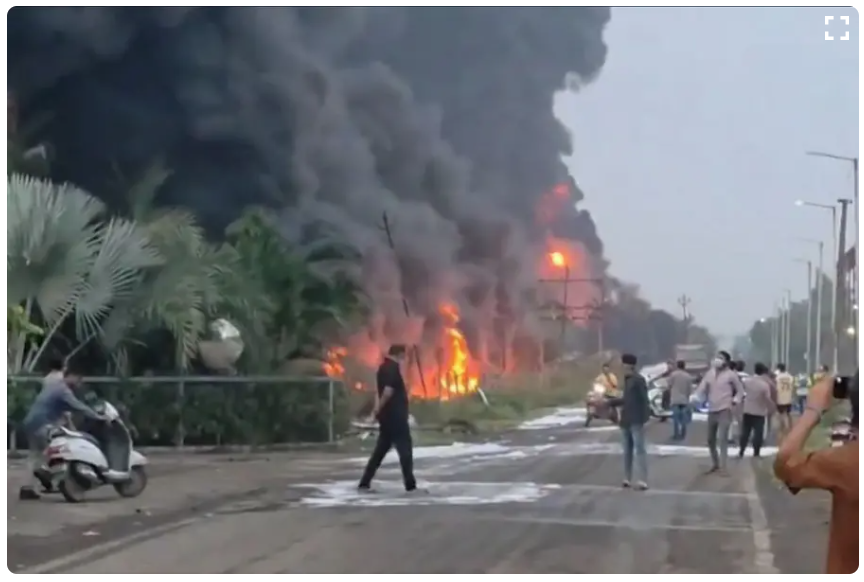
Workers tried to put the fire out on their own for about half an hour before they alerted the fire station. The MIDC fire station first sent two tenders. In all, eight tenders came, from Mohol, the Solapur Municipal Corporation and NTPC’s plant. Police closed the roads around the unit. Thick black smoke covered the sky, and one employee said the heat could be felt several kilometres away.
Mohol police said the large quantity of chemicals on site made the fire extremely hard to fight. We have not reproduced quotes from workers or residents because we could not verify them.
For many in Solapur, the fire brought back memories of May 2025, when eight people died in a fire at a textile unit in the Akkalkot MIDC area of the same city.
Where things went wrong
- Welding next to stored solvent. Hot work and flammable liquid were not kept apart, and one spark was enough.
- Too much flammable stock in one place. Hundreds of filled cans inside and around the unit gave the fire all the fuel it needed and made it very hard to fight.
- The fire brigade was called late. About thirty minutes went in fighting the fire without outside help. With solvents, those early minutes decide how big the fire gets.
- Still not known. Published reports do not say whether the unit had flameproof electricals, automatic suppression, fire-rated walls or a trained in-house fire team. No inquiry finding has been made public.
The fire at a glance
| Item | Detail |
|---|---|
| Fire type | Industrial-solvent fire started by welding sparks (fire brigade) |
| Duration | Still burning after 4 hours (TOI, 4 October 2025) |
| Fire tenders | 2 at first, 8 in all (Mohol, Solapur MC, NTPC) |
| Workers present | 15, all rescued (Mohol police) |
| Property loss | No official estimate published |







How this could have been prevented
- Permit before any welding. Clear or cover all solvent nearby, keep someone on fire watch with a suitable extinguisher, and check the area again after the job is over.
- Keep storage and production apart. Hold only what the shift needs on the floor and keep the rest in a separate, ventilated store.
- Use flameproof electrical fittings wherever solvent vapour can collect. In India, equipment for such hazardous areas is approved by PESO.
- Fit gas and fire detectors linked to an alarm that someone is actually watching.
- Protect the solvent store with a foam suppression system, designed and maintained by a competent agency.
- Hold fire drills and evacuation practice at least every six months, for every shift.
- Get regular third-party fire audits, and check that the fire NOC still matches what is stored on site.
- Have a way to warn neighbouring units and villages if toxic smoke drifts their way.
If you work in a unit like this
- Know where the extinguishers, fire blankets and gas masks are kept.
- Wear proper PPE whenever you handle solvents or other flammable stock.
- In a chemical or solvent fire, do not try to fight it yourself. Raise the alarm, get out and leave it to the fire brigade, and tell them which chemicals are stored.
- Move upwind or crosswind, never downwind.
If you live near an industrial estate
- If you smell chemicals, shut your doors and windows at once.
- Cover your nose and mouth with a wet cloth.
- If you have to leave, move across the direction of the wind, never towards the fire.
- Call 101 or 112 and give the exact location.
- If anyone has trouble breathing, get medical help straight away.
What MIDC estates need
- Hot-work permits, storage limits and fire NOCs only work if someone checks them regularly.
- Each unit’s fire NOC status should be shown, and kept up to date, on a public MIDC dashboard.
- MIDC should fund dedicated industrial fire stations and joint control rooms.
- Fire training for workers, and chemical-safety awareness for nearby communities, should be a condition of every factory’s licence.
- Villages around chemical zones need a mobile alert system for toxic smoke.
What you can do this week
If you work in a chemical unit, ask when the last fire drill was held and whether there are enough fire blankets and gas masks. If you run a factory, get a fire audit done and look at sensor-based suppression for your solvent store. If you live nearby, learn what to do when an industrial fire starts. Report unsafe units to the fire brigade or the MIDC grievance cell, and if you can give some time, join VFF India’s volunteer drive on industrial safety.
Welding next to stored solvent, and half an hour before anyone called the fire brigade. Both are known risks with known fixes. We write these case studies so the next unit learns before the spark, not after it.
- Welding sparks reportedly fall on a large solvent container at L & G Tulja Associates and set it alight
- Workers try to put the fire out for about 30 minutes before alerting the fire station
- MIDC fire station sends two tenders; eight in all come from Mohol, Solapur Municipal Corporation and NTPC; all 15 workers rescued and roads closed
- Fire still burning through several sections of the unit
Why consequences escalated
- One welding spark was enough because solvent was stored within reach of the hot work
- Hundreds of filled cans on site turned a small fire into one that burned for hours
- About half an hour was lost before the fire station was alerted
- A hot-work permit should confirm the area is cleared, the air is checked for vapour and someone is on fire watch
- Firefighting water can carry chemicals onto neighbouring land unless drains are contained
- The fire brigade needs a current chemical list and safety data sheets the moment it arrives
Failures and risk multipliers
- Welding close to solvent containers, with nothing to stop the sparks reaching the fuel
- Keeping hundreds of filled solvent cans inside and around the unit instead of a separate store
- Fighting the fire for about half an hour before anyone called the fire station
- No clear rule that a chemical fire is left to the fire brigade while everyone gets out
- Having no up-to-date chemical list ready for the fire brigade when they arrive
Actions that reduce risk
- Issue a written hot-work permit before any welding; clear or cover all solvents nearby and post a fire watch with an extinguisher
- Keep only one shift's solvent on the shop floor and store the rest in a separate, ventilated store
- Call 101 or 112 the moment a fire starts, even while trained staff try an extinguisher
- Keep foam or DCP extinguishers suited to flammable liquids next to solvent areas
- Keep a current chemical inventory and safety data sheets at the gate for responders
- Run evacuation drills, and tell neighbouring units and villages how you will warn them
Leave a comment