
What happened here
 1 / 7
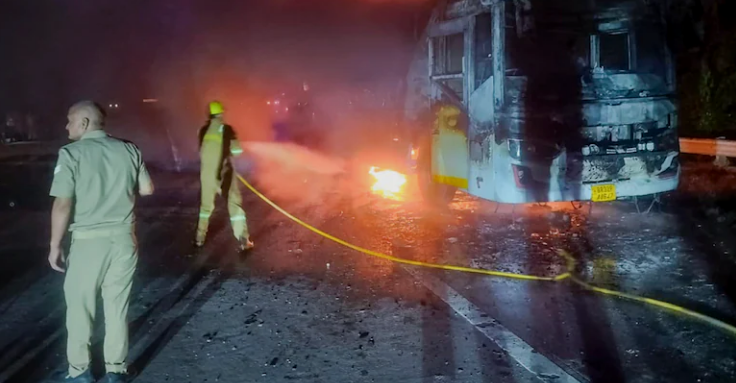
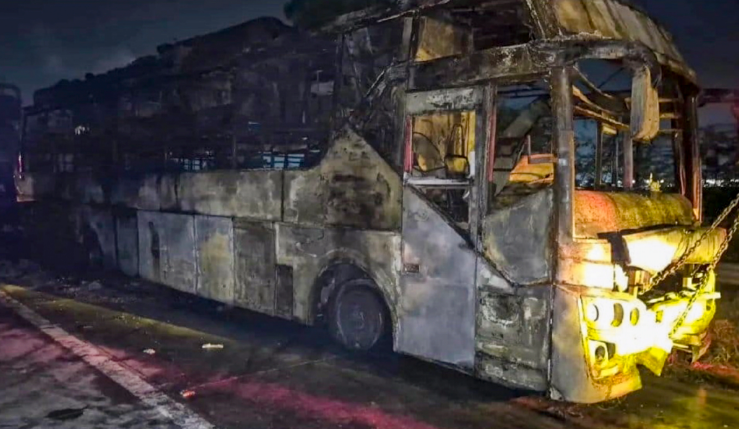
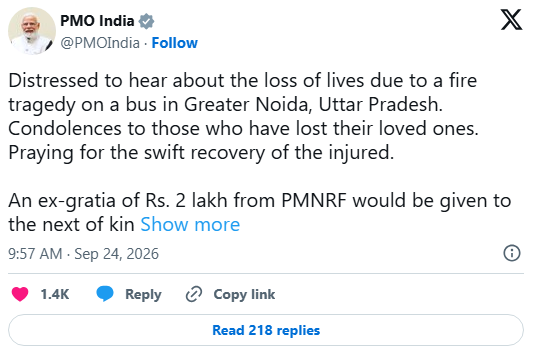
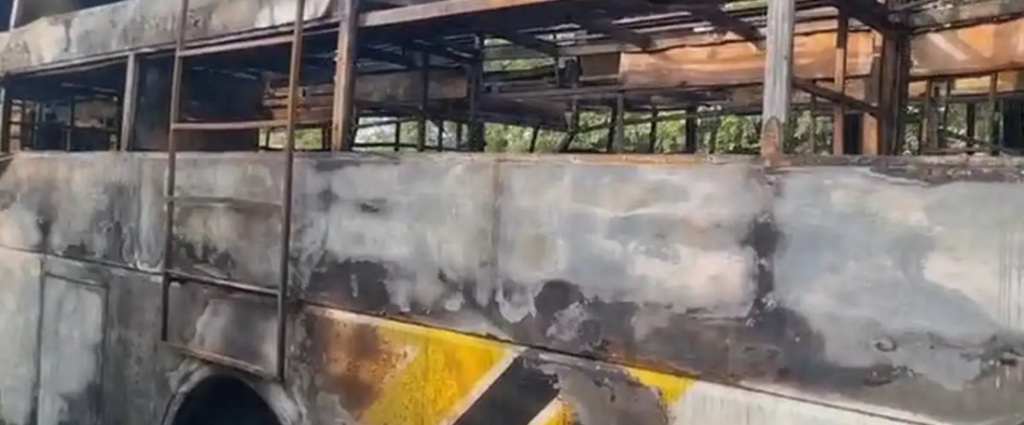
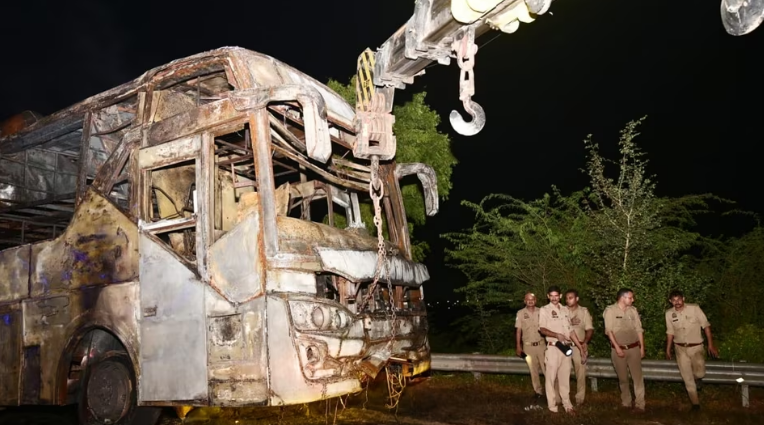
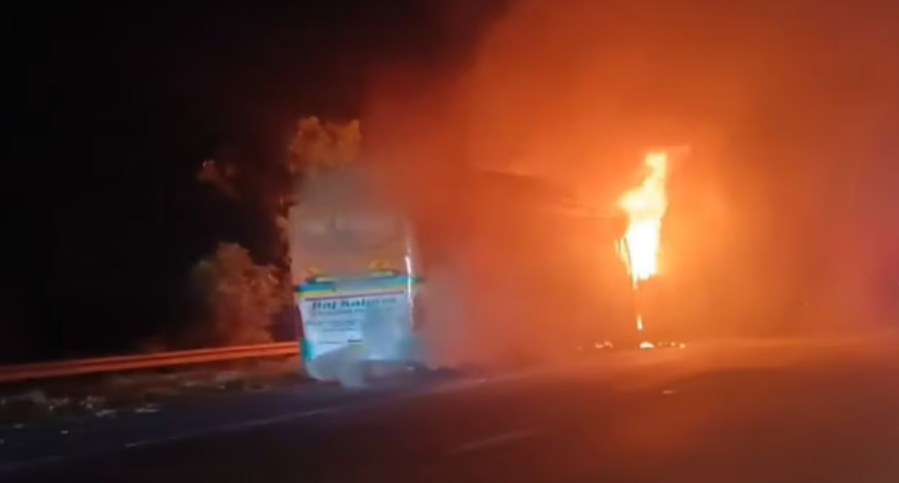
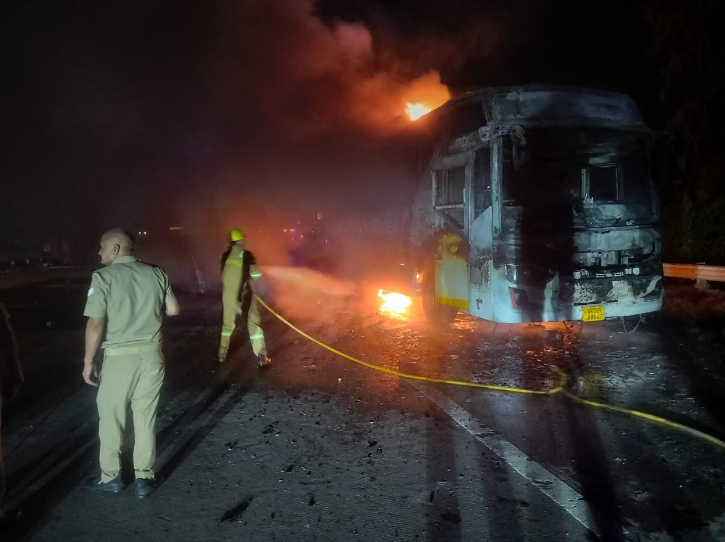
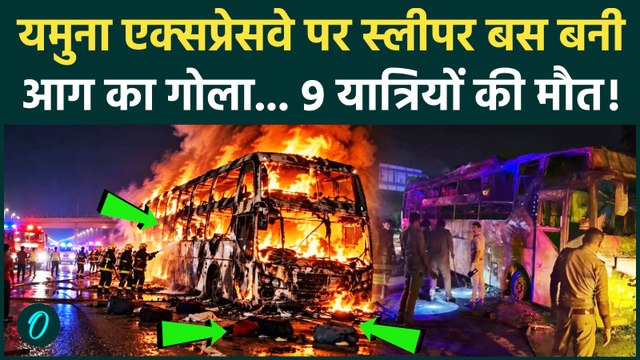
1 / 7 An overnight AC sleeper bus caught fire near Dayanatpur on the Yamuna Expressway. Police-linked reporting recorded nine deaths among approximately 35 passengers, while survivors described heavy smoke and a difficult, crowded escape.
What happened
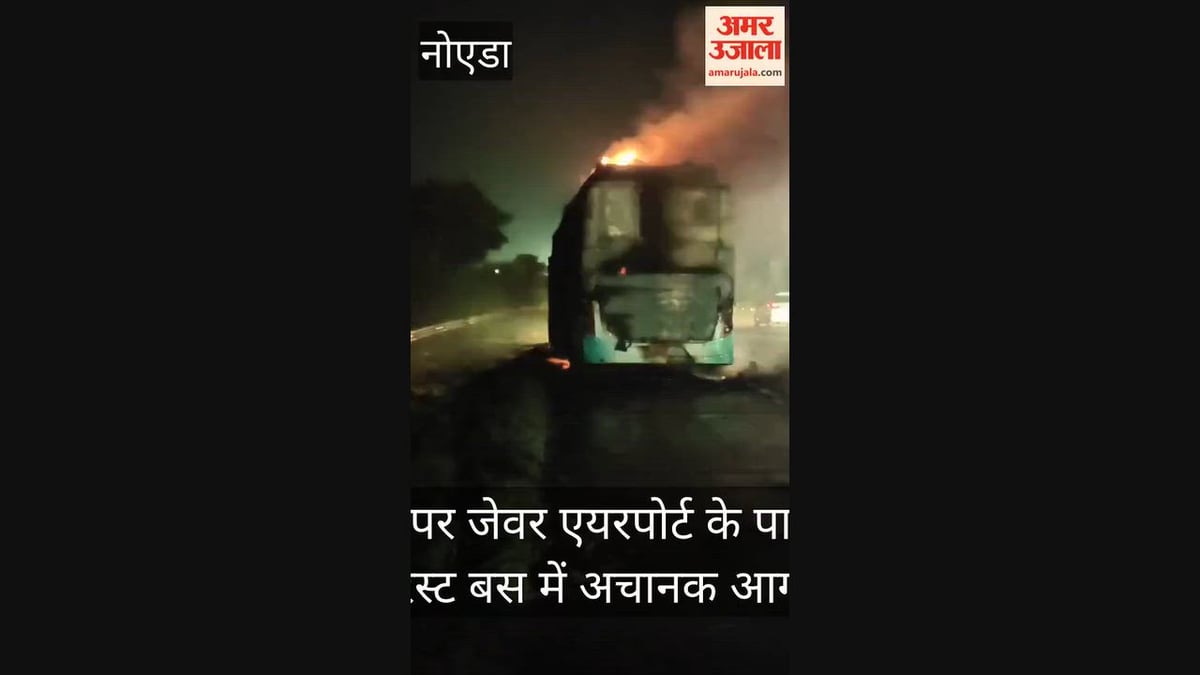
Shortly before or around midnight on 23–24 September 2026, an air-conditioned sleeper bus travelling from Noida toward Mahoba caught fire on the Yamuna Expressway near Dayanatpur village in the Jewar area of Greater Noida. Later reports cited police information that approximately 35 passengers were aboard and nine people died. The precise passenger manifest, injury count and technical cause were still being reconciled when this case study was prepared.
Survivor accounts described waking to warnings, finding heavy smoke and joining a crowded attempt to escape. Some passengers reportedly used windows. These accounts identify evacuation conditions that investigators should test against the bus layout, berth arrangement, exit availability, lighting, alarm sequence and speed of fire growth.
Why sleeper buses present a special evacuation problem
Passengers may be asleep, disoriented and separated from footwear, phones or companions. Upper and lower berths narrow movement, smoke can hide exit markings, and luggage or unauthorised interior changes can further restrict the gangway. A compliant exit is useful only when it is unlocked, identifiable, reachable and operable under darkness, smoke and crowd pressure.
What is not yet known
No final forensic or transport investigation was available during this review. The record does not establish whether the fire began in wiring, the engine bay, air-conditioning equipment, luggage or another source. It also does not establish the condition of emergency exits, fire detection, suppression, interior materials or vehicle approvals. Those matters must remain questions, not conclusions.
The practical lesson
Operators must inspect electrical and fire-protection systems, keep every exit usable and give passengers a short departure briefing. Passengers should locate the main door, rear emergency door, marked windows and roof hatches before sleeping. When smoke or fire is noticed, alert others immediately, stop the vehicle, open all usable exits and move everyone well away from traffic and the burning coach.
- An AC sleeper bus departed on a Noida-to-Mahoba journey with approximately 35 passengers according to later police-linked reporting.
- Fire was detected while the bus was travelling near Dayanatpur village in the Jewar area. The exact origin and alarm sequence were not yet established.
- Sleeping passengers were awakened. Survivors described heavy smoke, crowding and difficulty reaching safety; some reports said passengers escaped through windows.
- Police, fire and medical responders attended, controlled the blaze and began rescue, recovery and victim assistance.
- Major outlets reported nine deaths and continuing relief operations. Early reports varied sharply, including one report of no casualties, showing why time-stamped verification matters.
- Passenger numbers, injuries, identities, vehicle compliance and cause remained subject to official confirmation. The nine-death figure is reported, not presented as a final investigation finding.
Why consequences escalated
- Night travel meant many passengers were asleep when the emergency developed.
- Heavy smoke reduced visibility and time available for organised evacuation.
- Crowding at a limited route can turn an available exit into a bottleneck.
- Sleeper berths create different movement and orientation problems from seated buses.
- Large differences between early reports demonstrate the need for an official manifest and dated casualty reconciliation.
- Emergency-exit compliance, interior modification, wiring and fire-protection performance require investigation rather than speculation.
Failures and risk multipliers
- Blocking or locking an emergency door, escape window or roof hatch.
- Allowing luggage, bedding or alterations to narrow the gangway.
- Beginning an overnight trip without demonstrating exits and emergency hammers.
- Continuing to drive after smoke, burning smell, repeated electrical trips or warning signs.
- Passengers returning for luggage instead of leaving immediately.
- Publishing a developing casualty figure without its reporting time and source.
Actions that reduce risk
- Operators should verify emergency doors, windows, roof hatches, hammers, lighting and markings before every departure.
- Inspect wiring, batteries, alternators, air-conditioning systems and engine-bay fire hazards under a documented maintenance programme.
- Confirm required detection and fire-protection systems are functional and not obstructed by modifications.
- Give a 60-second departure briefing showing passengers every exit and how to open it.
- Keep gangways clear and control luggage so it cannot fall into escape routes.
- Train drivers and attendants to stop safely, isolate power where appropriate, open all exits, call 112 and account for passengers.
- Preserve the vehicle, CCTV, GPS, permits, inspection history, passenger manifest and maintenance records for investigation.
 ↗
↗ ↗
↗


Leave a comment