
Quick answers
What should I do first if my car catches fire?
Stop as soon as it is safe, switch off the ignition and get everyone out, unbuckling children first. Move at least 30 metres away and upwind, keep the bonnet shut and call 112 or 101. Do not go back for belongings.
Should I open the bonnet to check the fire?
No. Fresh air rushing in can make the fire flare up suddenly. If you use an extinguisher at all, aim it through the radiator grille or under the edge of the bonnet without opening it.
Can I put out an electric car fire with an extinguisher?
No. A burning EV battery goes into thermal runaway, gives off toxic gases and can re-ignite even after it seems to be out. Get everyone away, stay upwind and tell the fire brigade it is an electric car.
How often should a CNG cylinder be hydro-tested?
Every three years. The Gas Cylinders Rules, 2016, as amended on 11 April 2025, require CNG cylinders to undergo a hydrostatic test every three years, and CNG may be filled only into cylinders that have passed periodic tests at a recognised testing station.
Is a fire extinguisher compulsory in a private car in India?
We could not find a central rule that makes it compulsory for private cars. It is still worth carrying a small ISI-marked dry powder extinguisher; portable extinguishers sold in India must meet IS 15683 and carry the ISI mark.
Which window should I break if I am trapped?
A side window, not the windscreen, sunroof or rear glass, which are hard to break. Hit the edge of the side window with a window breaker or the metal posts of a headrest. Some newer cars have laminated side glass, so check the labels on your windows.
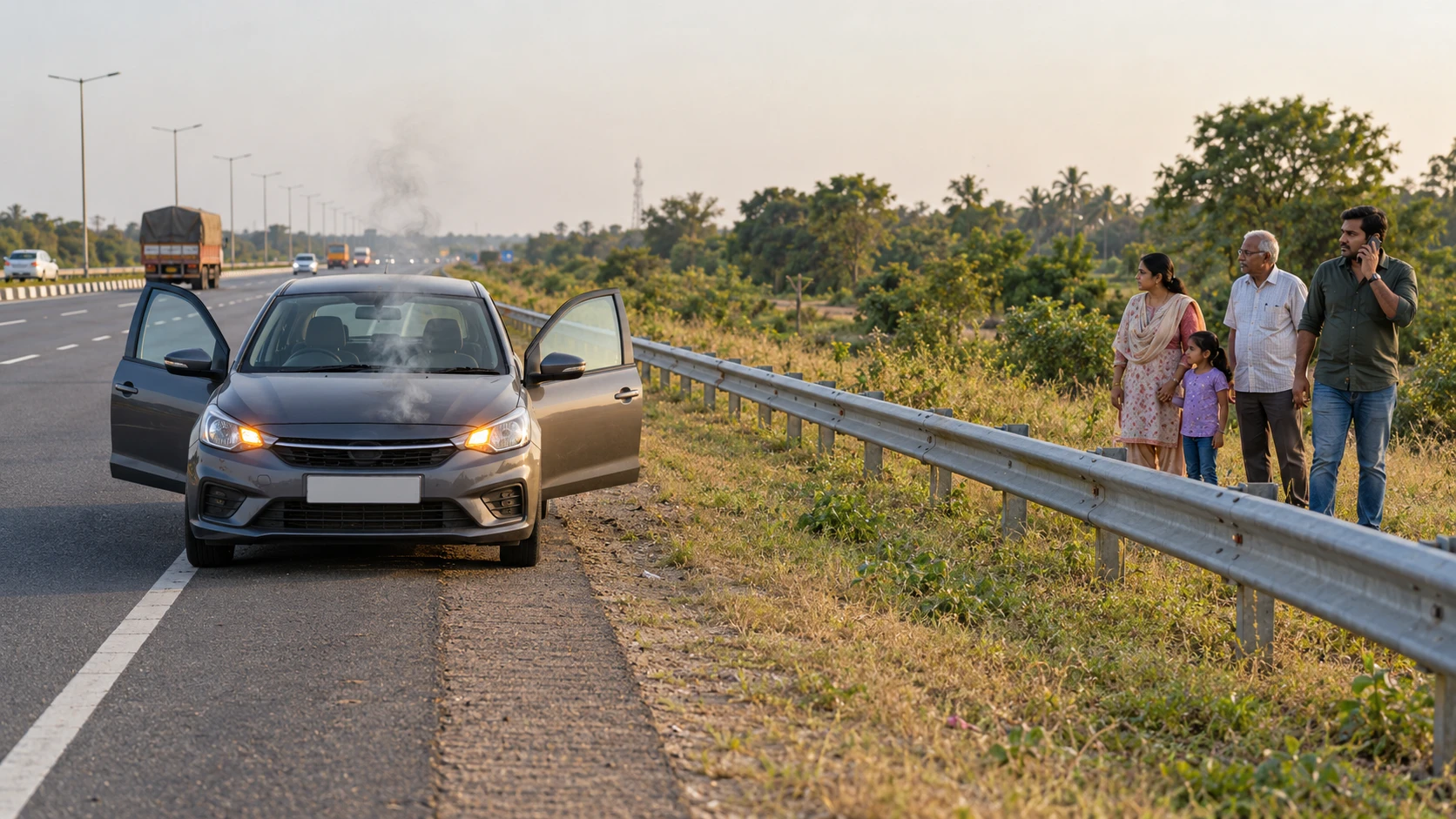
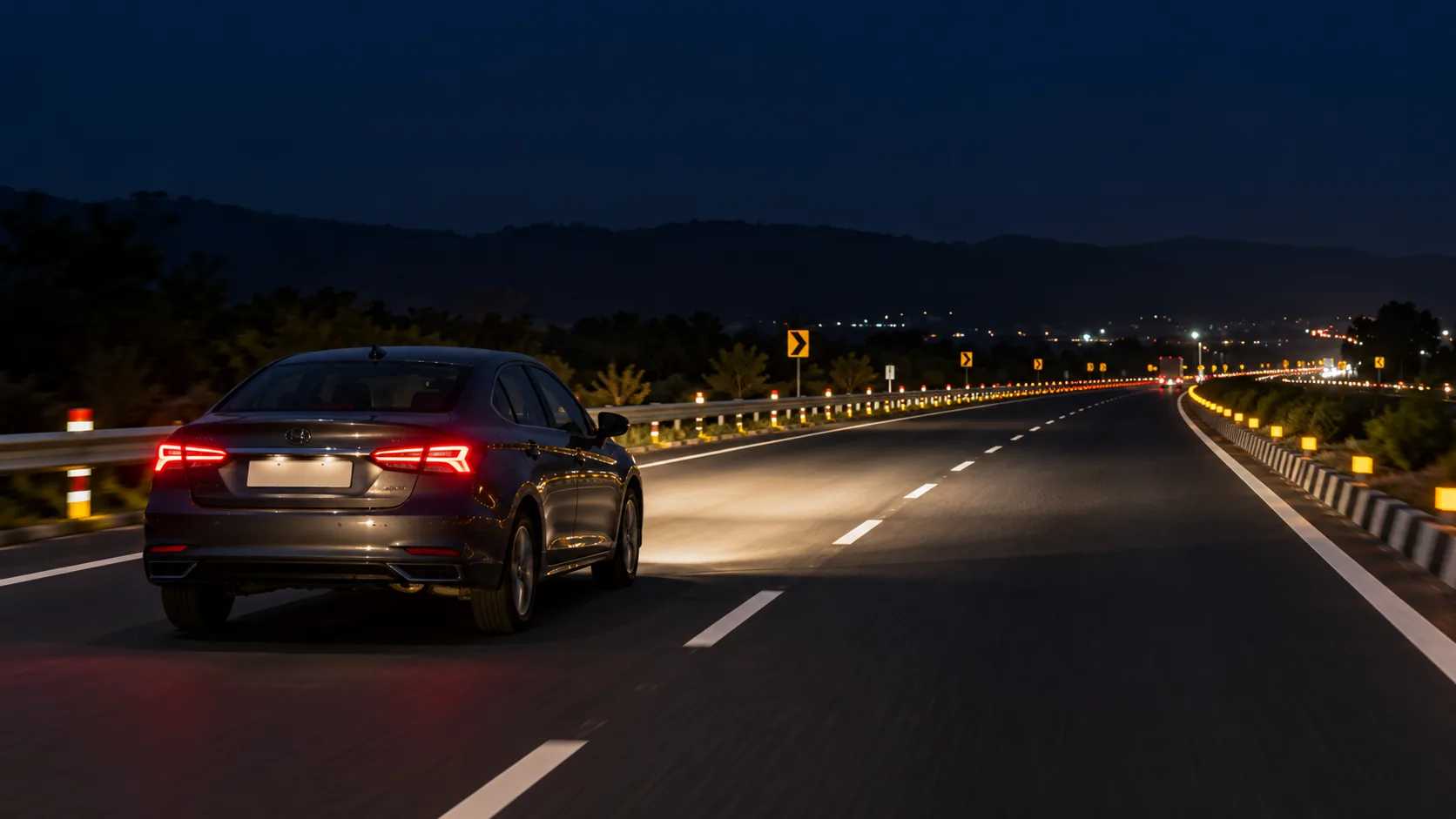
You are on the highway with the family, the AC is on, and someone says, “Do you smell something burning?” A moment later a thin line of smoke slips out from the edge of the bonnet. What you do in the next half-minute matters more than anything you do after it. Most people lose those seconds looking for the cause, driving on to the next petrol pump or going back for bags. This guide is about getting everyone out and away first, and about what changes when the car runs on petrol, CNG or a battery.
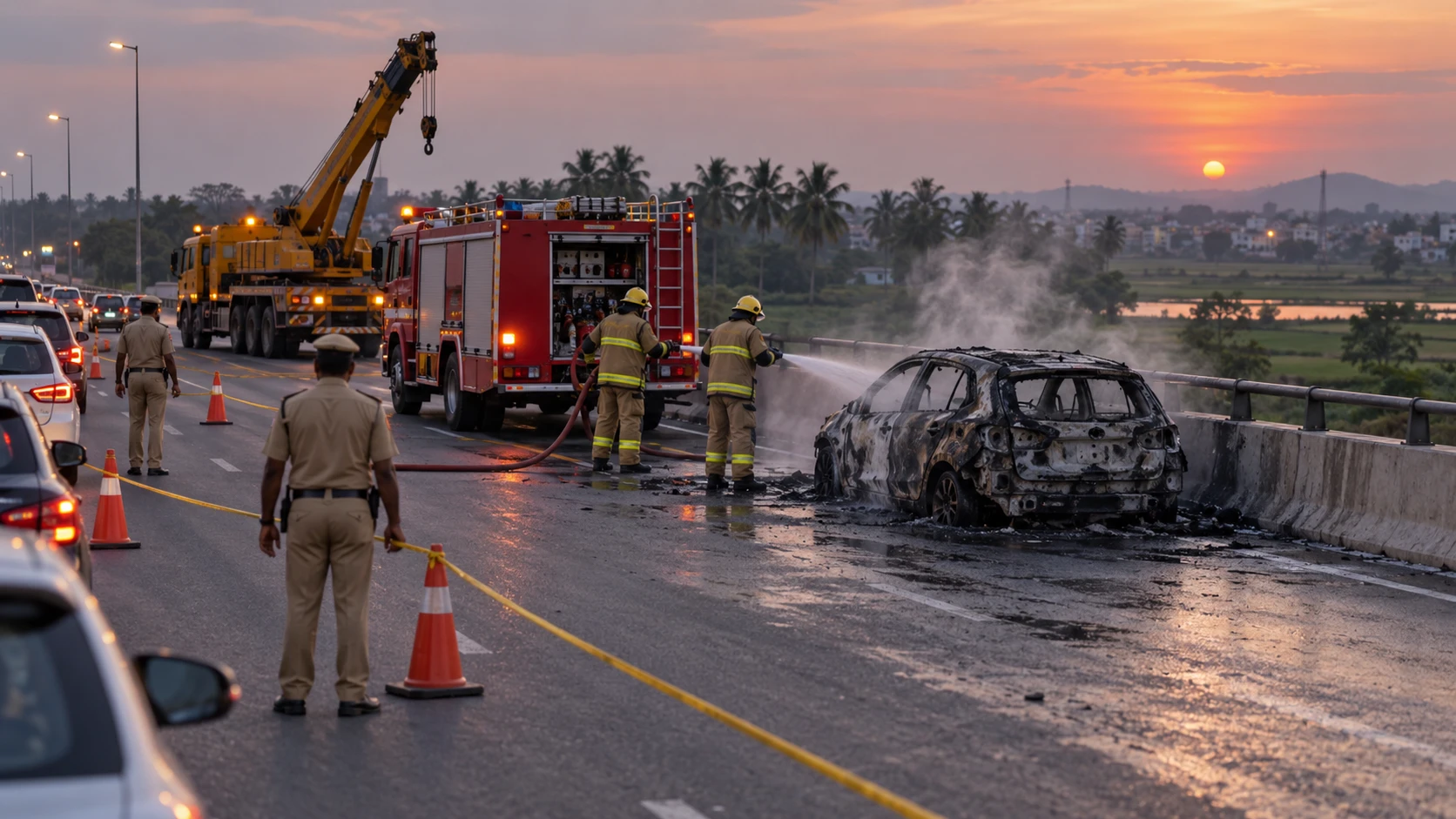
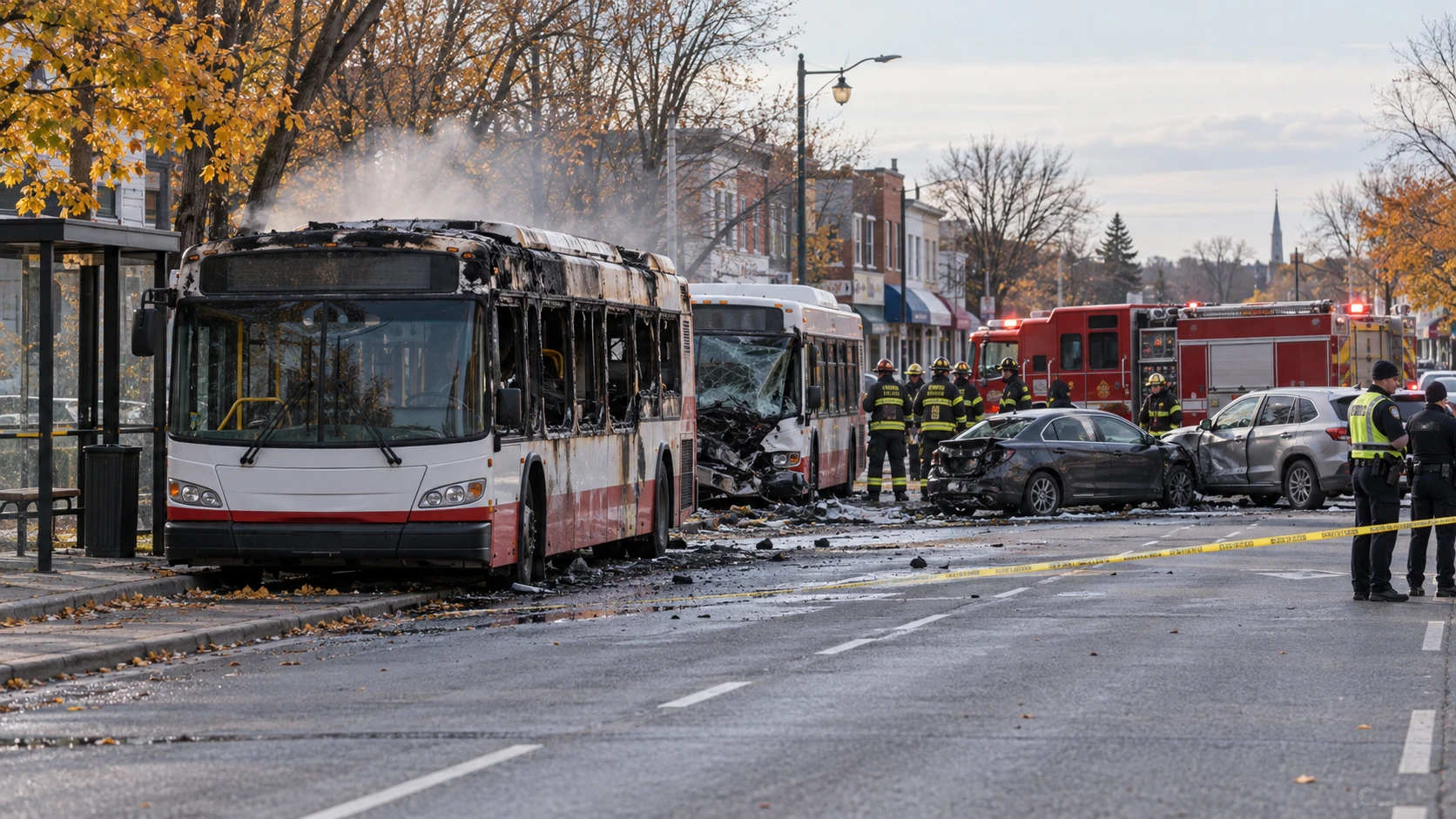
Car fires are not as rare as we think. In 2024 the National Crime Records Bureau (NCRB) recorded 136 accidental fires in vehicles in India, which killed 113 people and injured 32. Private vehicles accounted for 83 of those fires and 73 of the deaths. These are only the cases that police recorded as accidental vehicle fires, so the real number of car fires is higher.
Warning signs you should never ignore
- A burning smell of plastic, rubber or fuel coming through the AC vents.
- Smoke or steam from under the bonnet, from a wheel arch or from under the car.
- A temperature gauge in the red, fuses blowing, or lights and the music system flickering for no reason.
- CNG cars: a smell like cooking gas inside the car, or a hissing sound from the boot where the cylinder sits. CNG itself has no smell; gas companies add an odorant so that a leak smells much like LPG.
- Electric cars: a battery or high-voltage warning on the dashboard, smoke from under the floor, or hissing and popping sounds from the battery area.
Any one of these is reason enough to stop. Do not try to reach the next service centre.
The first 30 seconds
- Stop safely. Indicate, pull over to the left as soon as you can, and switch on the hazard lights. Try not to stop next to a petrol pump, dry grass or a row of parked vehicles.
- Switch off the ignition and pull the handbrake. In an EV, put it in park and switch it off.
- Get everyone out, children first. The adult nearest the child seat unbuckles the children while others get out on the side away from traffic. Leave the bags. Nobody goes back in for anything.
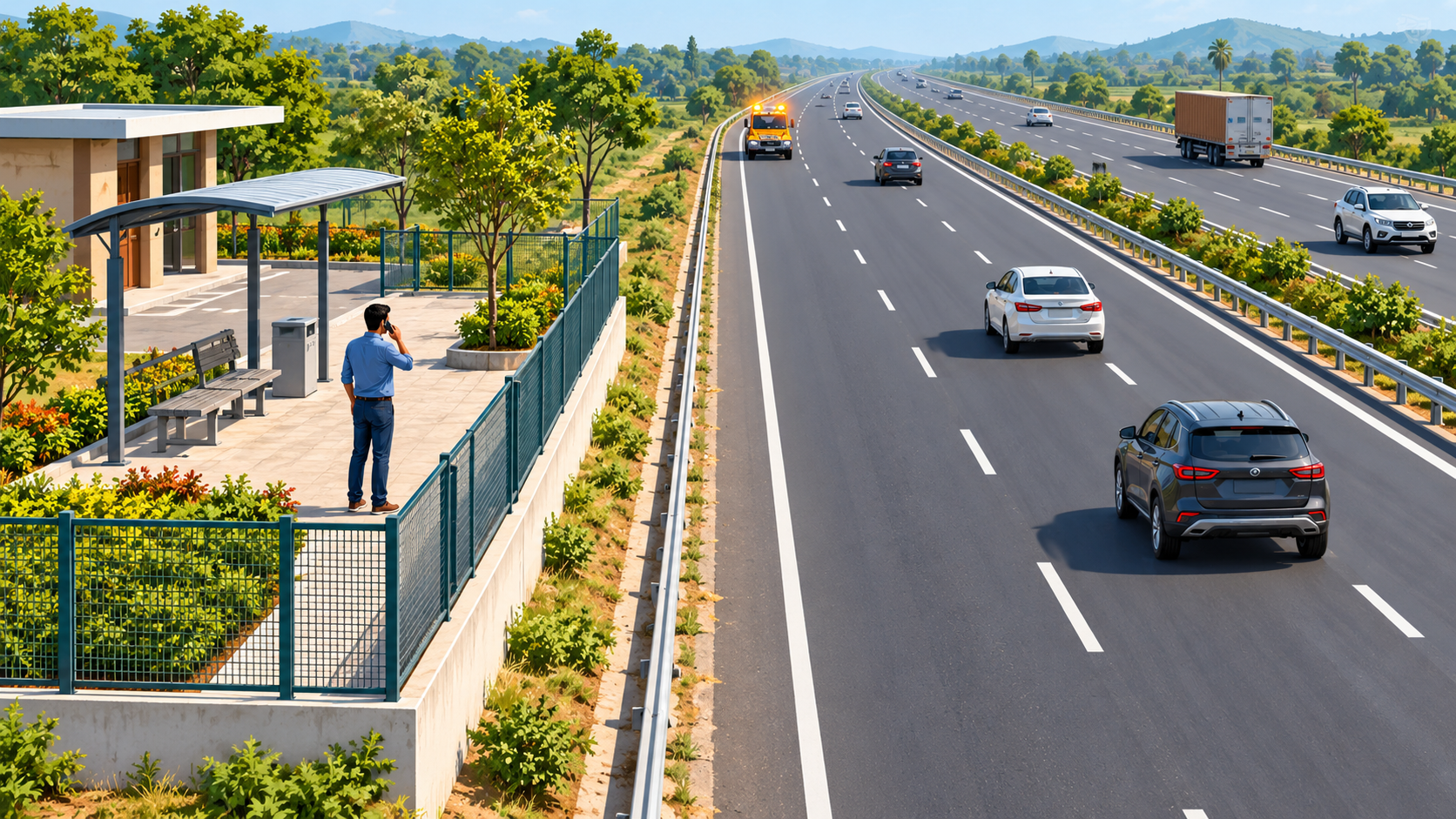
- Move well away and upwind. Fire services advise staying at least 30 metres from a burning vehicle. Get behind the crash barrier or off the road, hold the children’s hands, and stand where the smoke is blowing away from you.
- Do not open the bonnet or the boot. Fresh air rushing in can make a small fire flare up in your face.
- Call 112 (all emergencies) or 101 (fire brigade). Give the road name, the kilometre stone or a landmark, the direction you were travelling, and whether the car runs on petrol, diesel, CNG or electricity.
Only if the fire is very small, everyone is already out and you have an extinguisher in hand should you think of fighting it. Do not open the bonnet. Aim the extinguisher through the radiator grille or the gap under the edge of the bonnet. Never throw water on an engine fire, because it can spread burning petrol. If you have any doubt at all, do not tackle the fire. A car can be replaced.
Electric cars: what is different
An EV battery pack is made of many lithium-ion cells. When a damaged or faulty cell overheats, it can go into thermal runaway, a self-heating chemical reaction that spreads from cell to cell. Such fires give off flammable and toxic gases, can take a long time to cool, and can start again long after the flames seem to be out. In a 2021 US study, the National Transportation Safety Board (NTSB) looked at four EV battery fires; in three crash-damaged cars the battery caught fire again after firefighters had put it out.
- Never try to put out a battery fire yourself. A small car extinguisher will not stop it. Get out, move away and stay upwind of the smoke.
- Tell the fire brigade it is an electric car, and give the make and model if you can. Firefighters handle EV fires differently.
- Expect it to re-ignite. After a fire, a crash or a flood, do not sit in the car, and do not let it be parked in a basement, a garage or next to other vehicles. Tell the tow operator and the workshop that the battery was involved.
- Do not touch the orange cables. They carry high voltage.
Charging an EV at home
- Use the charger that came with the car, or a wall box approved by the car maker, fitted by a qualified electrician on its own circuit with proper earthing.
- Do not use an extension cord or a multi-plug adapter with the charger.
- Check the cable and plug for cuts, melting or burn marks before you plug in, and never use a damaged one.
- Keep the charging point dry, away from stored scrap and fuel, and out of reach of children.
- If the charger, socket or car smells hot or starts smoking, keep away from it, get everyone out and call 112.
CNG cars: the cylinder needs care
- Use an approved kit only. Buy a factory-fitted CNG car or get the kit fitted by an approved retrofitter, and make sure the CNG fitment is recorded on your RC. Filling stations check the RC before they fill a car.
- Hydro-test the cylinder every three years. Since the Gas Cylinders (Amendment) Rules, 2025, notified on 11 April 2025, the Gas Cylinders Rules, 2016 require CNG cylinders to undergo a hydrostatic test every three years. CNG may be filled only into approved cylinders that have passed these periodic tests at a testing station recognised by PESO. Keep the test certificate in the car.
- Know your valves. Ask the fitter or your mechanic to show you the cylinder valve and the master shut-off valve, and how to close them.
- If you smell gas, switch off the engine, do not smoke or operate switches, and get everyone out. Close the cylinder valve only if you can reach it easily and nothing is burning. Keep a leaking car at least 6 metres away from any flame or spark, and get it repaired by the fitter, not a roadside mechanic.
- Never fit an LPG cylinder or any other cylinder in place of a CNG cylinder.
- At the CNG station, switch off the engine and get all passengers out before filling.
- If a garage has to weld or use heat within 1.5 metres of the cylinder, the cylinder must be emptied first.
If the fire is near the boot of a CNG car, do not go anywhere near it. Get everyone far away and leave it to the fire brigade.
After a crash, if the doors will not open
- Cut a jammed seat belt with a seat-belt cutter. Keep one within the driver’s reach, not in the boot.
- Break a side window, not the windscreen. The windscreen, sunroof and rear glass are hard to break. Hit the edge of a side window hard with a window breaker, or with the metal posts of a detachable headrest.
- Know your glass. Some newer cars have laminated side windows, and in US tests by AAA, escape tools could not break through them. Look at the small label in the corner of each window, and find out which windows in your car can be broken.
- Get out first, and then call 112.
Prevention: most car fires start small
- Service the car on time and ask the workshop to check the wiring and the fuel lines for wear, leaks and loose connections.
- Avoid cheap add-on wiring. Extra lights, horns and music systems fitted by roadside shops are a common source of trouble. Badly fitted or sub-standard parts are a known fire risk.
- Do not leave these in a parked car in the heat: power banks and spare batteries, lighters, perfume and deodorant cans, hand sanitiser and gas canisters. Do not carry petrol or diesel in loose bottles or cans.
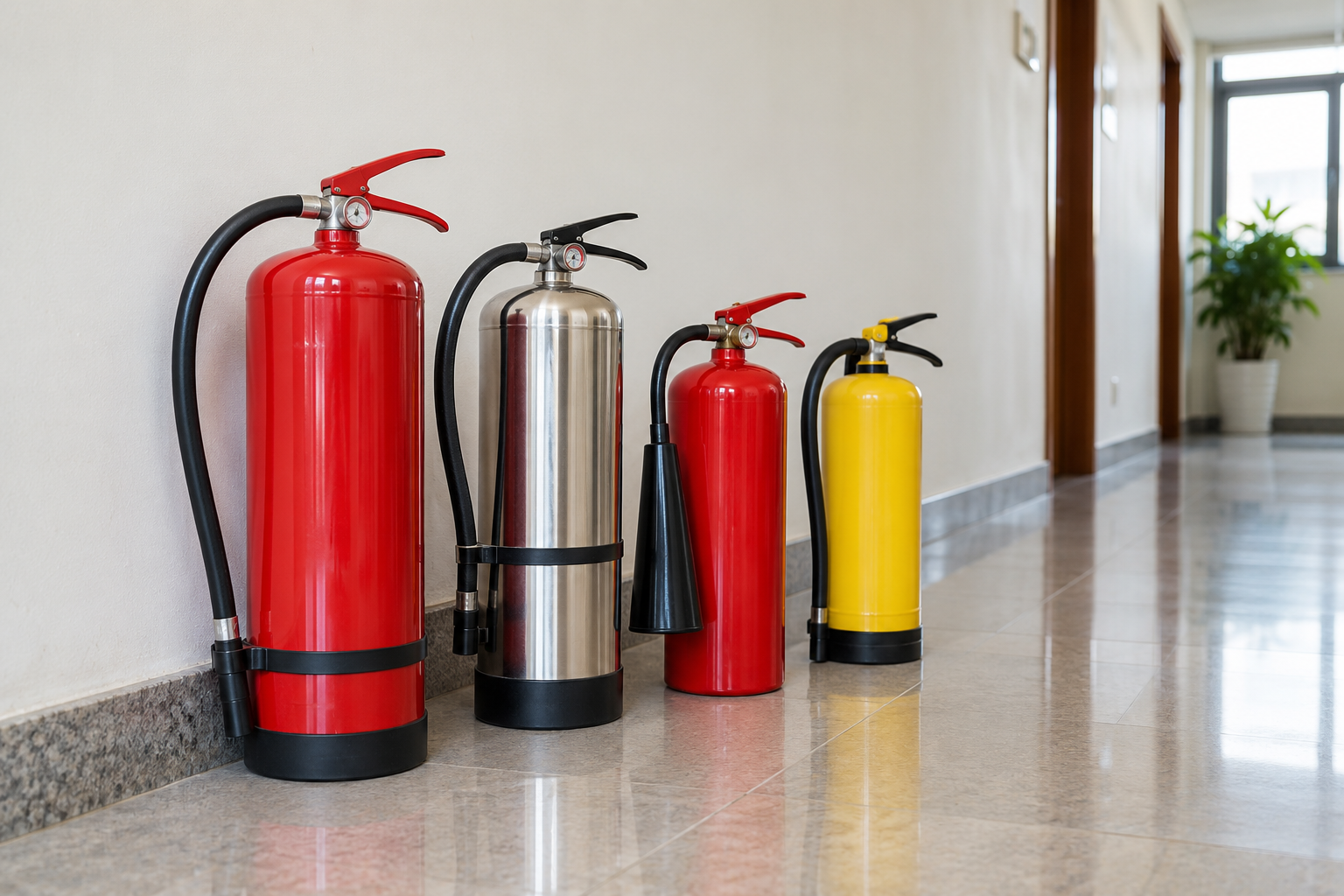
- Carry a small dry powder extinguisher within reach of the driver. Since 2024, portable fire extinguishers sold in India must meet IS 15683 and carry the ISI mark. Check its pressure gauge regularly. We could not find a central rule that makes an extinguisher compulsory in private cars, but it is still worth having.
- Act on warning lights and on any burning or fuel smell the same day.
If someone is burnt
Cool the burn under cool, clean running water for 20 minutes. Even 10 minutes helps if that’s all you can manage. No ice, toothpaste, oil or butter. Cover the burn loosely with a clean cloth. Call 108 or 112 for any large burn, a burn on the face, hands or groin, or any burn on a child or an elderly person.
Do this before your next drive
- Teach everyone in the family the order: stop, switch off, get out, move away, call 112.
- Keep a seat-belt cutter, a window breaker and a small ISI-marked extinguisher where the driver can reach them.
- Clear lighters, perfume, sanitiser and power banks out of the car.
- If you drive a CNG car, check the date of the last hydro-test on your certificate today.
What needs attention
- Most people lose the first seconds trying to find the cause or saving belongings; getting everyone out and away comes first.
- Opening the bonnet lets in fresh air and can turn a small fire into a large one.
- EV battery fires behave differently: they produce toxic gases, are hard to put out and can start again hours later.
- CNG cars are safe when the kit is approved and the cylinder is tested on time; the risk rises with untested cylinders and unapproved fitments.
- After a crash, jammed belts and doors can trap people, so a cutter and a window breaker within reach can save time.
Controls that reduce risk
- Stop safely, switch off and get everyone out, children first.
- Move at least 30 metres away, upwind and behind the barrier.
- Keep the bonnet and boot shut and call 112 or 101.
- Tell the fire brigade if the car is electric or runs on CNG.
- Get the CNG cylinder hydro-tested every three years and carry the certificate.
- Keep a seat-belt cutter, window breaker and ISI-marked extinguisher within the driver’s reach.
Common unsafe practices
- Driving on to the next petrol pump or service centre after smelling smoke.
- Opening the bonnet to see where the smoke is coming from.
- Going back into the car for bags, phones or documents.
- Standing on the road or downwind close to the burning car.
- Trying to put out an EV battery fire with a small extinguisher or water.
- Running a CNG car on a cylinder whose hydro-test is overdue, or with a kit from an unapproved fitter.
- Charging an EV through an extension cord or multi-plug adapter.
Leave a comment