
What happened here
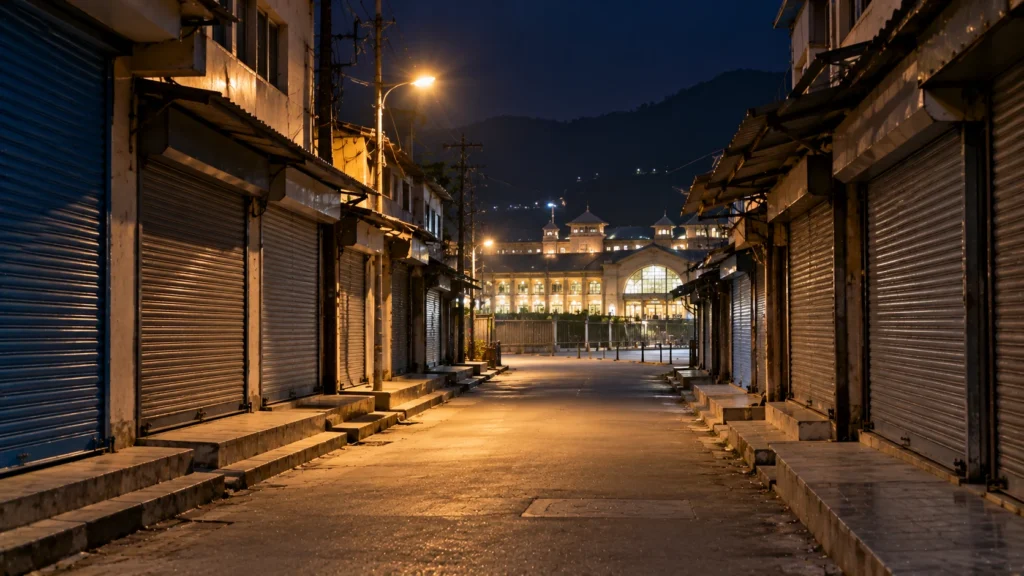
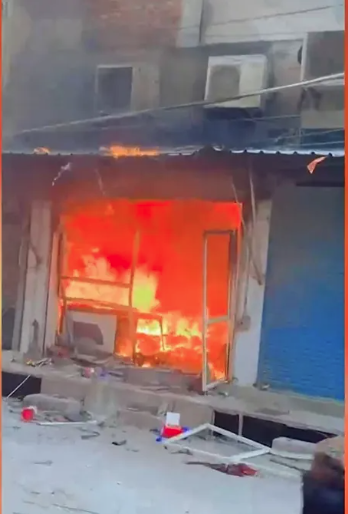
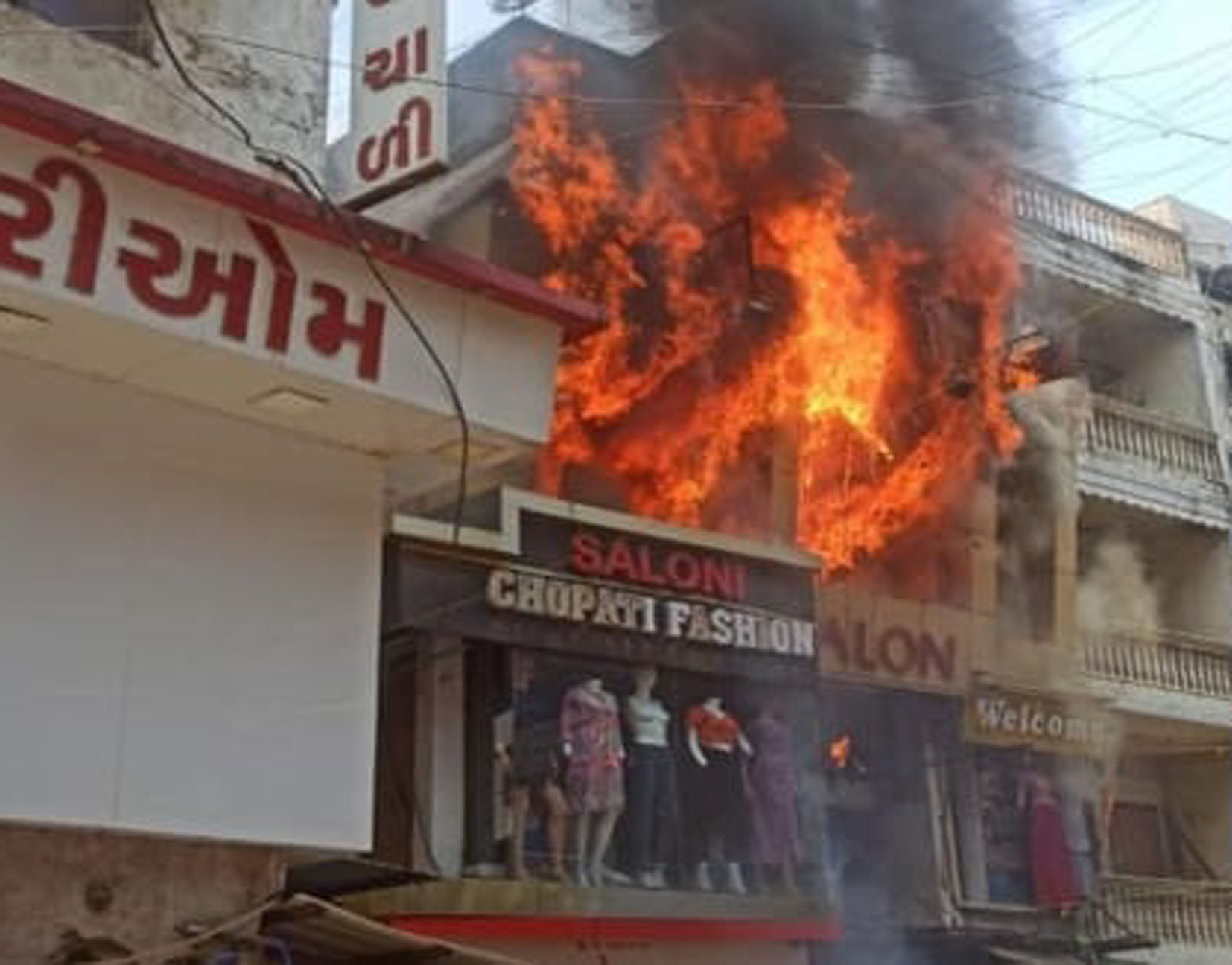
A fire that began around 10.30 pm on 25 October 2026 gutted around 40 shops in Shiv Market, opposite Jammu railway station, and burnt for nearly five hours. No casualties were reported. Officials suspect a short circuit; a narrow approach hampered firefighters. The number of shops differs from 12 to 40 across reports. Updated 26 October 2026.
Quick answers
What happened in Shiv Market, Jammu?
A fire that began around 10.30 pm on 25 October 2026 gutted around 40 shops opposite the Jammu railway station and burnt for nearly five hours.
Was anyone hurt?
No deaths or injuries were reported in any of the reports we opened.
What caused the fire?
Officials suspect a short circuit in one shop, with wind spreading it. It is a preliminary view, not confirmed.
How many shops were burnt?
Reports range from about 12 to 40. The latest official-sourced figure is around 40; a survey is awaited.
What should market traders do?
Get the wiring checked, fit MCB and earth-leakage breakers, keep the lane clear, keep an extinguisher and switch off the main at night.
What happened
On the night of Sunday, 25 October 2026, a fire tore through Shiv Market, a crowded trading lane opposite the railway station in Jammu. It began around 10.30 pm, according to officials quoted by PTI, and burnt for nearly five hours. It was brought under control at about 3.15 am on Monday, 26 October. The market has shops selling dry fruits, blankets and food supplies, along with small eateries and dhabas. Nobody has been reported dead or injured. Updated 26 October 2026.
How many shops were burnt
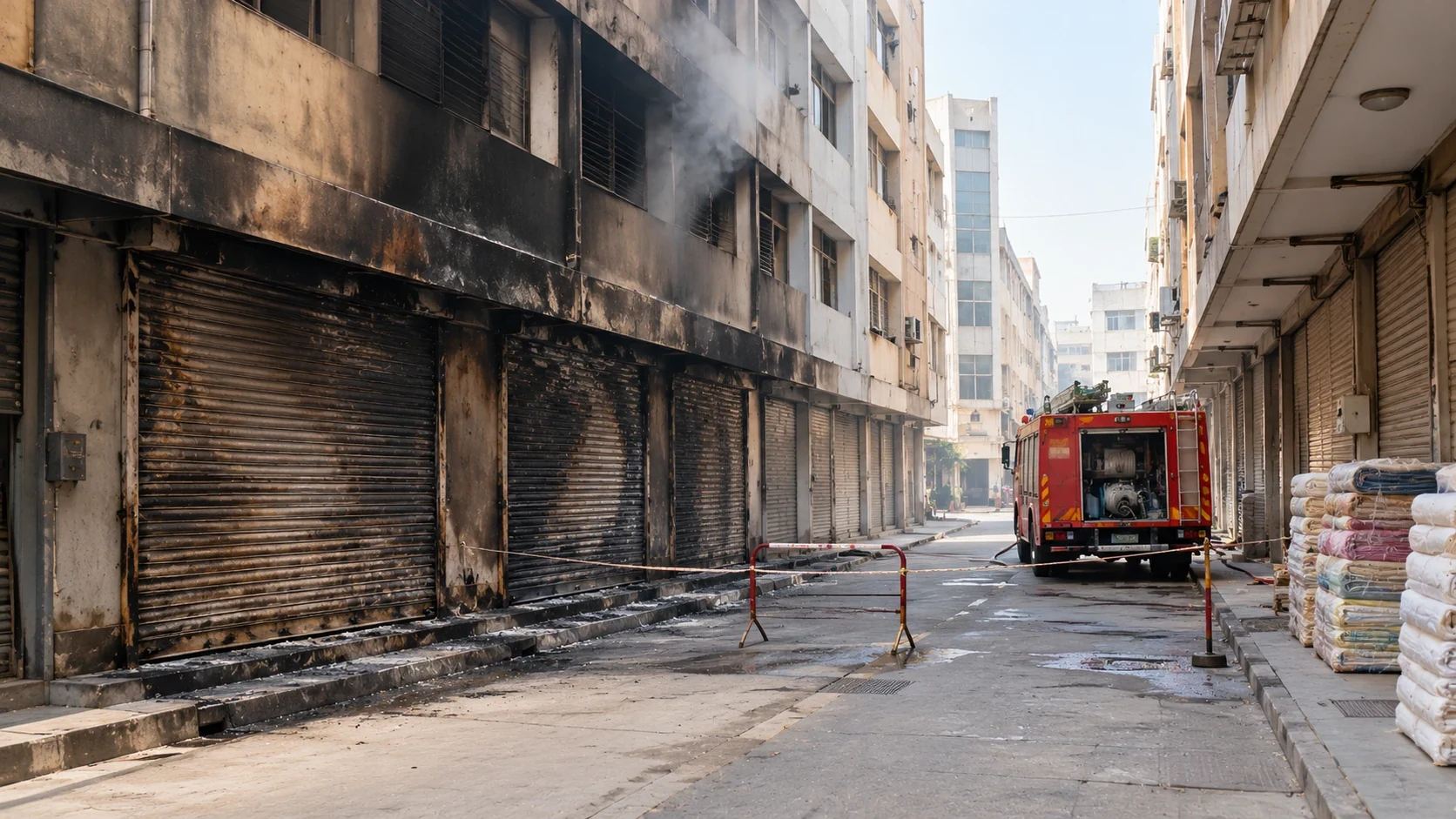
The count depends on who you ask and when. An official quoted by Greater Kashmir (KNO) said around 12 shops were damaged and that the exact number was being verified. The first television and wire reports (NDTV, Dinamalar) said 15 shops and a hotel. A shopkeeper told the Times of India that at least 25 to 30 shops were a total loss. BJP MLA Vikram Randhawa, speaking at the spot, put it at 35 to 40 shops completely gutted, and PTI, quoting officials, said around 40. Jagran and India TV also report a hotel as burnt or badly damaged. We show the range of 12 to 40 and treat about 40 as the latest official-sourced figure, until the administration publishes a survey.
Losses are described as running into crores of rupees (NDTV, Jagran, India TV). No outlet we opened gives a rupee total, and officials said the damage could be assessed only after the fire was fully out.
Why it spread and why it was hard to fight
The preliminary view of officials, as reported by PTI, is that a short circuit in one shop started the fire. MLA Randhawa said the same at the spot and added that by the time the fire brigade arrived, the whole market was already burning. Wind helped the flames travel along the lane. The goods made it worse: dry fruits, blankets, packaged food and wooden shop fronts burn easily and give off heavy smoke.
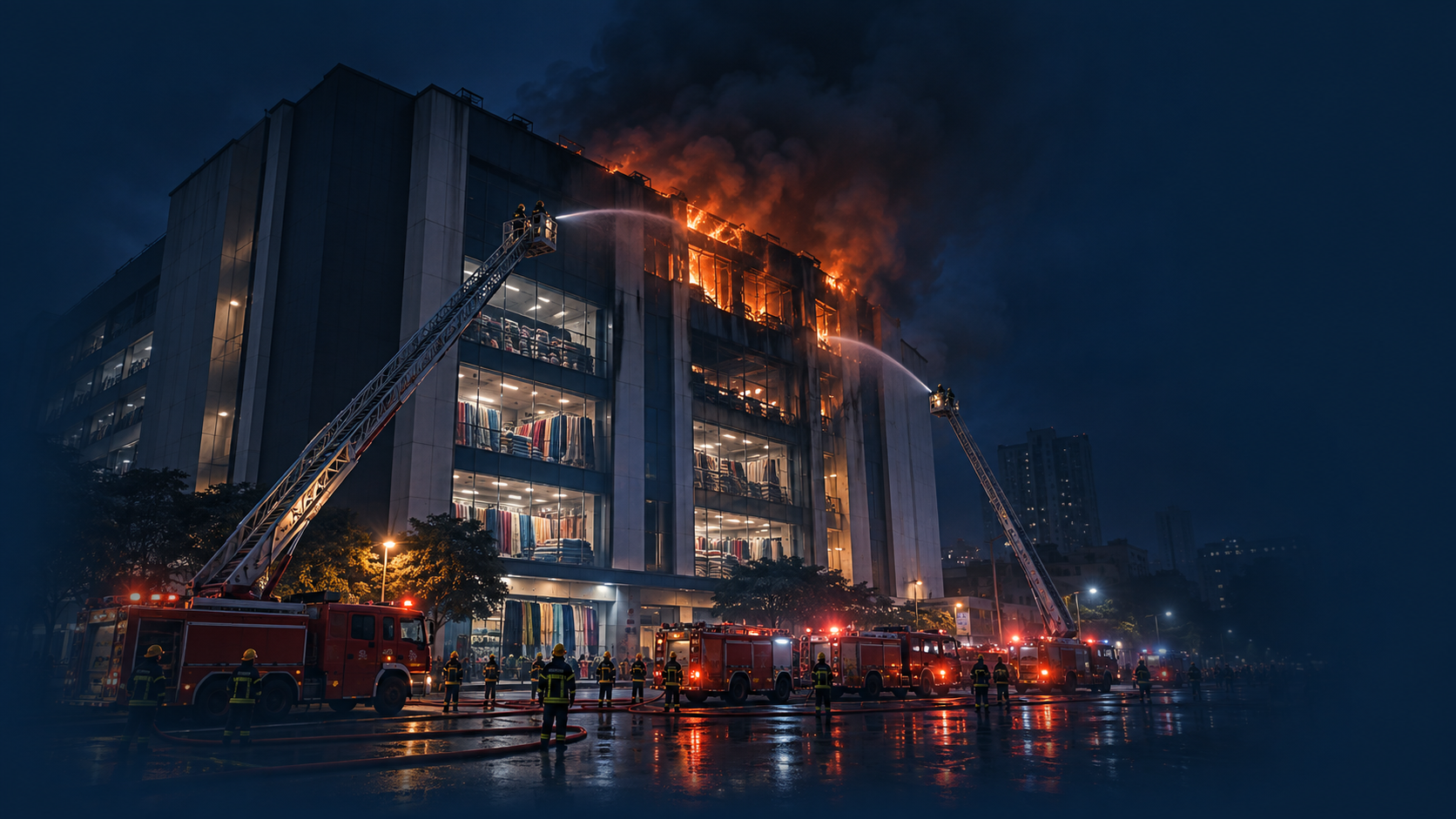
The approach to the market is narrow, and that slowed the firefighters. PTI quotes officials saying that the teams had to go round to the rear of the market to reach the burning shops and stop the fire spreading further. Greater Kashmir reports eight to ten fire tenders at work. The Deputy Commissioner, SP South, a DSP and the SHO were at the site, and local volunteers helped. The MLA said compensation for the traders would be taken up with the administration later. We found no announcement of any relief by 26 October.
No official has named the cause as confirmed. The wiring, the shop load and the layout of the lane have not been examined in any report we found.
Why this matters
No one was hurt, which is the good news. But a market like this, right opposite a railway station, carries the livelihoods of hundreds of traders and their workers (Jagran), and a total loss of stock can end a small trader’s business. A similar story ran through our Seelampur market fire, the Shyam Sangini textile market fire in Surat and the Adinath textile market fire, where congested lanes and stock made a small fire hard to stop. See also the older Chauta Bazaar fire in Surat.
Lessons for traders and market associations
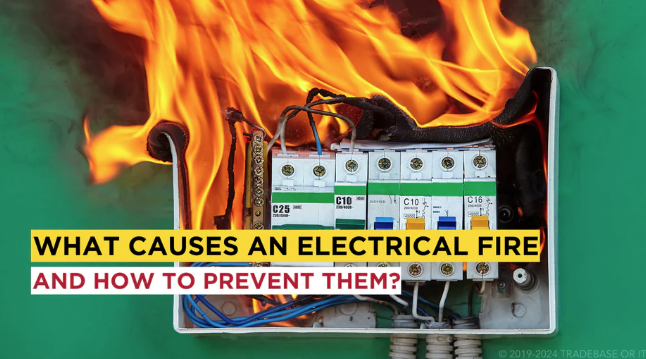
- Get the wiring checked. Old, overloaded wiring, extension boards and cheap sockets are the usual short-circuit sources. Ask a licensed electrician to test the load, fit an MCB and an earth-leakage breaker, and switch off the main at night. Our note on small electrical faults that cause big fires in homes and shops explains what to look for.
- Keep the lane open. Hand carts, boards and stacked stock narrow the road. A fire tender cannot enter a lane that a scooter can barely pass. Agree with neighbouring traders on a clear width and a rear access.
- Keep an extinguisher in every shop and learn to use it. A small fire in the first two minutes can be put out. After that, leave and call 101.
- Do not store stock right up to the ceiling or across the door. Keep a walking path to the exit, and do not sleep inside a closed shop.
- As a market body, keep a water tank or hydrant point, a list of shop owners with phone numbers, and a night watchman who can ring the fire service at once. Photograph your stock and keep the bills away from the shop; they help with insurance and compensation claims.
- If you see fire at night, call 112 or 101 and give the exact landmark. Stay out of the lane so the tenders can come in. Our evacuation plan guide and emergency numbers guide are worth saving.
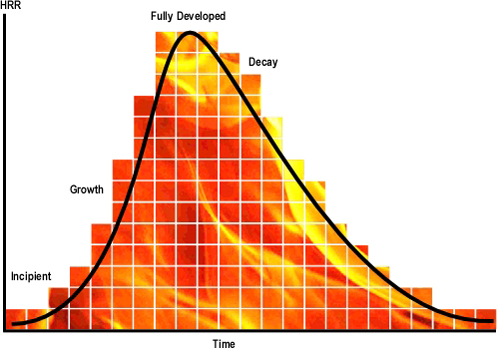
For the larger picture of how thin fire services are stretched in many Indian towns, read our explainer on the shortfall in fire personnel and our note on how fire spreads.
More on Jammu: see our fire and emergency safety guide for emergency numbers, the fire stations and the local risks to know.
What is still not known
The final number of shops and the hotel, the rupee loss, the cause (a short circuit is suspected, not confirmed), how many shops had working extinguishers and wiring checks, and any compensation. Reports also differ on the hour: PTI says about 10.30 pm on Sunday, while some say it started in the early hours of Monday. We will update this page when the Fire and Emergency Services or the district administration publishes a finding. Last checked 26 October 2026.
- Fire starts in Shiv Market, opposite Jammu railway station; short circuit in one shop suspected
- Fire spreads along the lane aided by wind; fire tenders arrive and approach from the rear
- MLA says by the time the fire brigade reached, the whole market was in flames
- Fire brought under control after nearly five hours (PTI)
- Officials say around 40 shops gutted, no casualties; losses being assessed
Why consequences escalated
- A fire in a crowded market opposite Jammu railway station burnt around 40 shops and a hotel over nearly five hours.
- No deaths or injuries were reported.
- A short circuit in one shop is suspected; wind and combustible stock helped the spread.
- A narrow approach forced firefighters to attack from the rear.
- The number of shops differs (12 to 40) and no rupee loss has been published.
Failures and risk multipliers
- Suspected short circuit in one shop in a congested market (preliminary, not confirmed).
- A narrow access lane that slowed fire tenders (officials via PTI).
- Combustible stock such as dry fruits, blankets and packaged food packed in wooden-front shops (reported goods, our inference about the fuel).
- The MLA's account that the whole market was already in flames when the fire brigade reached the spot (not an official finding; response times are not published).
- No report on wiring checks, extinguishers or water points in the market.
Actions that reduce risk
- Get the wiring and load checked by a licensed electrician and fit MCB and earth-leakage breakers.
- Keep the lane clear and agree on a rear access with neighbouring traders.
- Keep an extinguisher in every shop and train staff in using it.
- Switch off the main at night; do not sleep inside a closed shop.
- Photograph your stock and keep bills and records away from the shop.


Leave a comment