
Quick answers
Why do first responding services matter for road safety in India?
Strengthening first responding services is central to reducing road deaths, and enhanced training, better equipment and streamlined processes are needed to save lives on roads.
What is the 108 emergency response service?
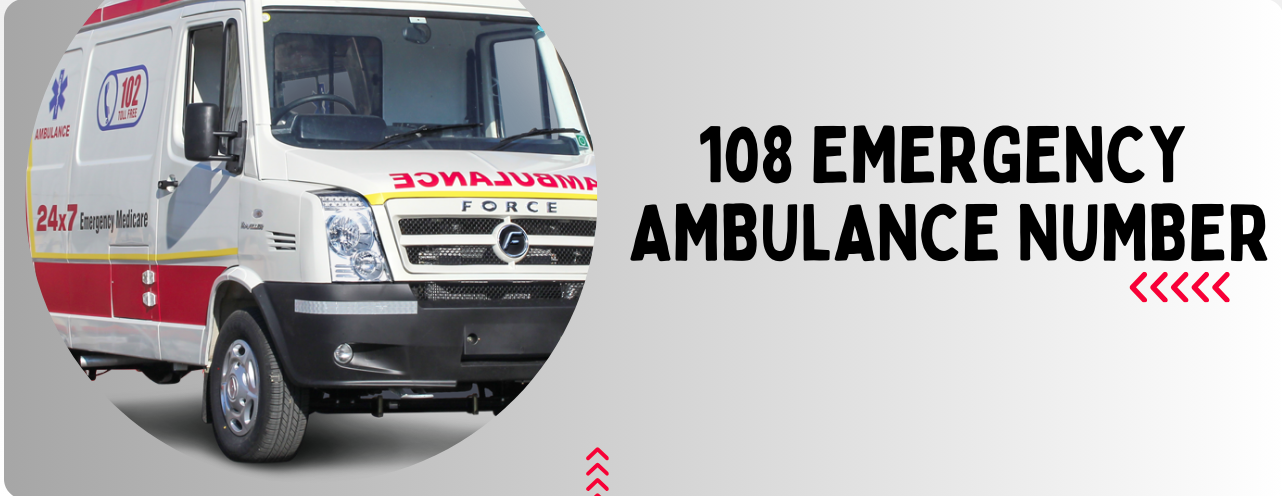
It is the nationally adopted 108 emergency response system, which followed the local 102 medical emergency number. Gaps in these services still need to be addressed.
What can citizens do to improve road safety?
Citizens can raise their voices and urge the government to prioritise road safety and allocate resources to strengthen first responding services.
Introduction:
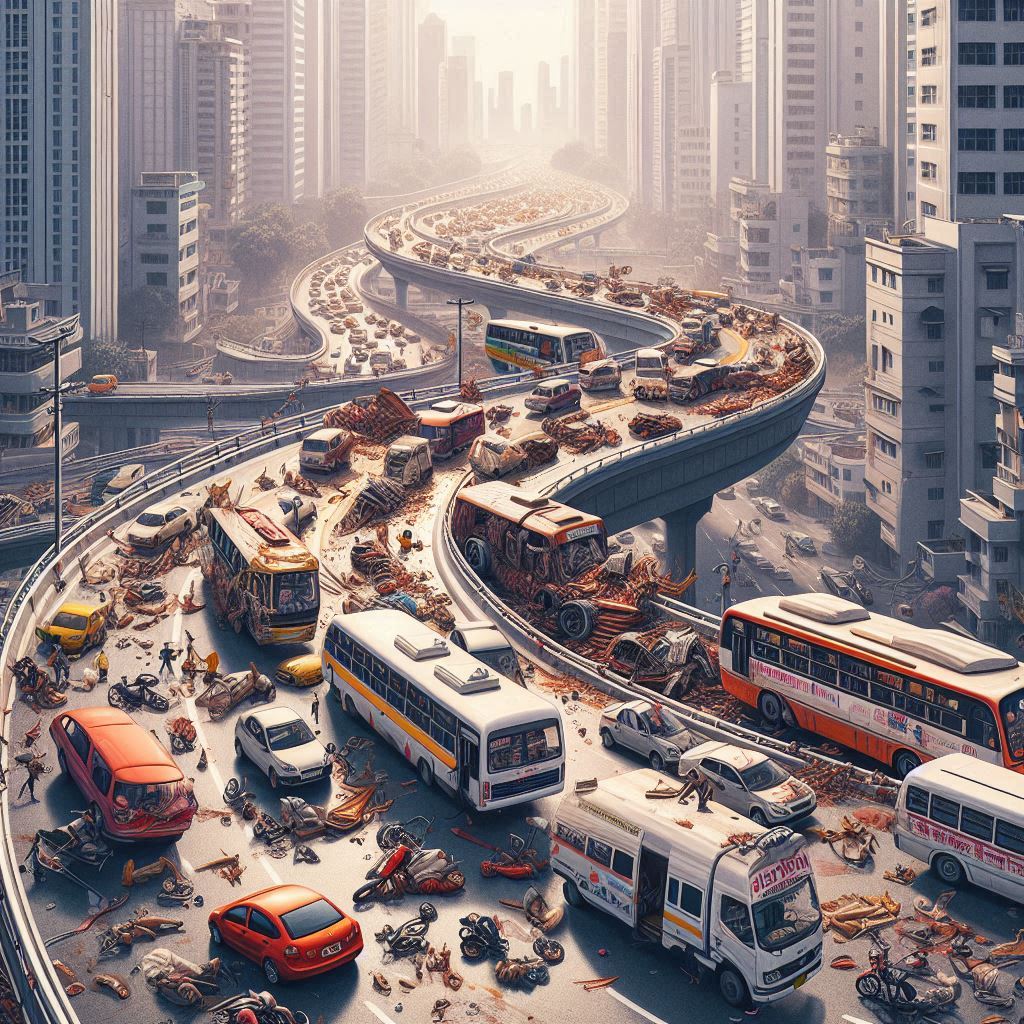
In the heartbeat of our nation’s bustling streets lies a silent tragedy – a crisis that claims lives every hour, shattering dreams and leaving families torn apart. It’s time to confront the stark reality of India’s road safety epidemic and rally behind a cause that demands our urgent attention.
The Disturbing Reality:
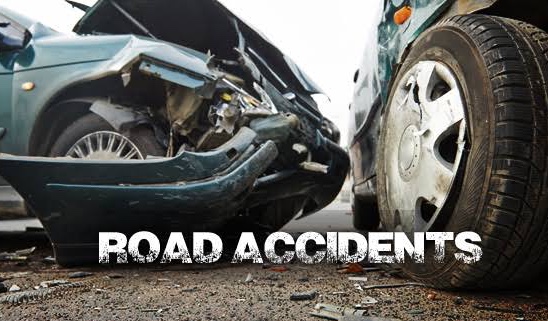
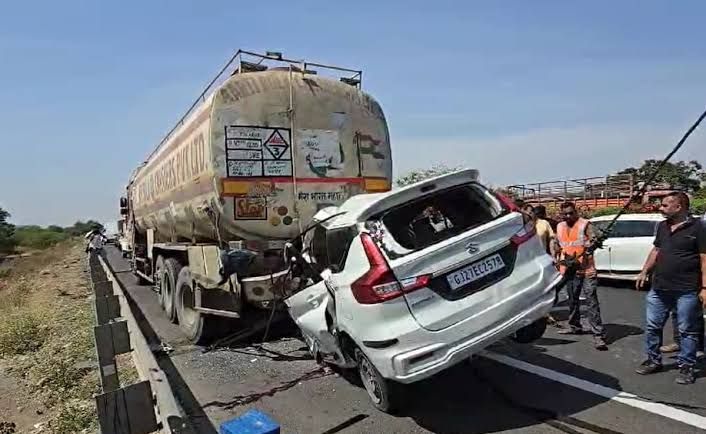
In 2023, police across India recorded 4,80,583 road crashes. They killed 1,72,890 people and injured 4,62,825 (Ministry of Road Transport and Highways, Road Accidents in India 2023). That is nearly 20 deaths every hour, and it counts only the crashes that reached a police register.
Why there is no country table here:
An earlier version of this article compared ten countries using a “death rate” worked out by dividing road deaths by road injuries. That figure tells you nothing reliable, because every country counts injuries differently and the numbers came from different years. We have removed it. India’s own official numbers are worrying enough: the 1,72,890 deaths recorded in 2023 were up from 1,68,491 in 2022.
An Urgent Call for Action:
These numbers serve as a wake-up call for all of us. We cannot turn a blind eye to the crisis at hand. It’s time to mobilize and take decisive action to improve road safety across the nation.
The Role of First Responding Services:
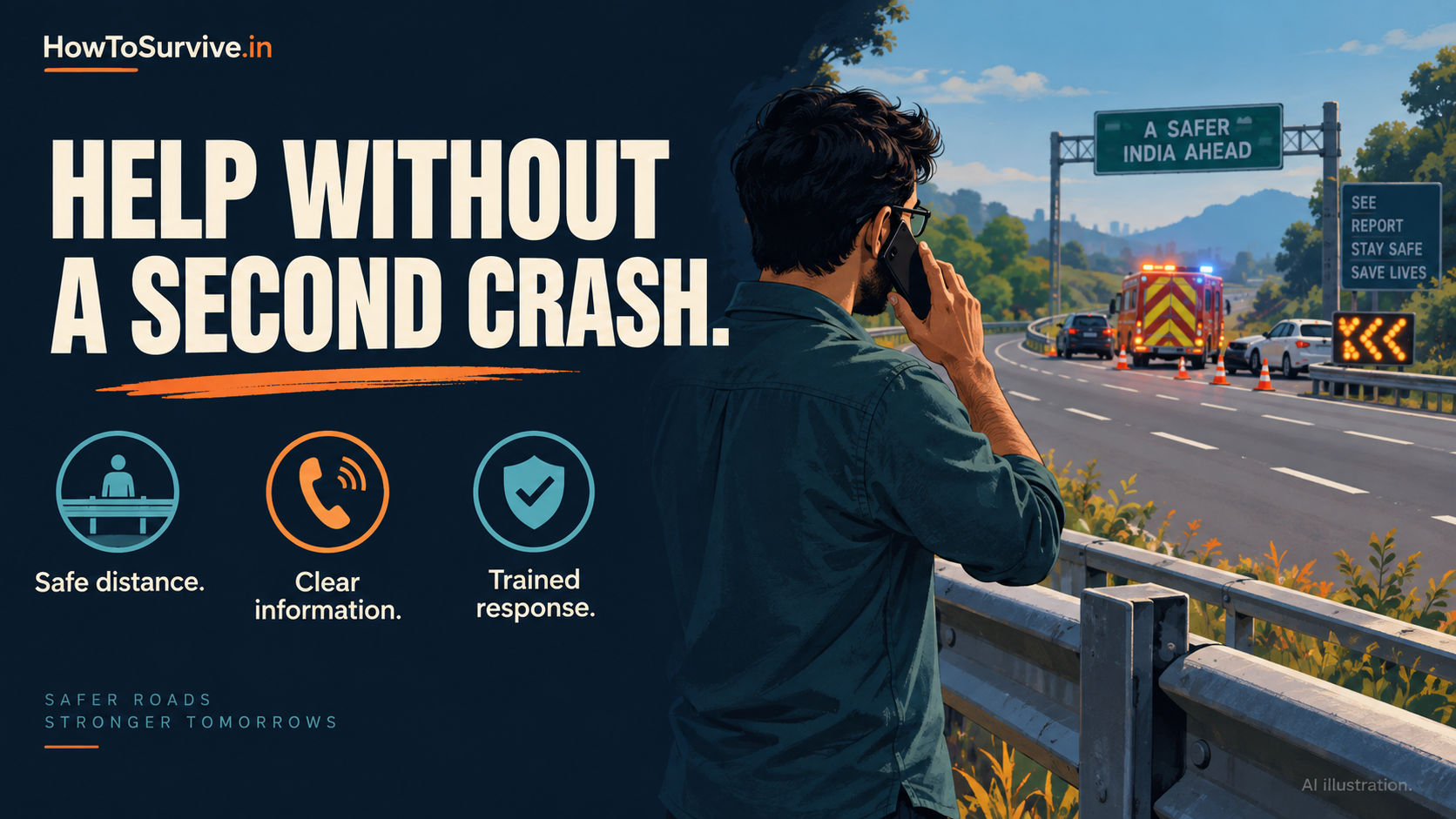
Central to addressing this crisis is the need to strengthen our first responding services. While initiatives like the 108 emergency response system have made strides, there is still much work to be done. Enhanced training, better equipment, and streamlined processes are essential to saving lives on our roads.
The Path Forward:
Mr. Nitin Gadkari, a revolutionary figure in infrastructure development, has acknowledged the need for action to reduce the high number of road traffic deaths. However, despite efforts, meaningful impact has been elusive. It’s imperative that we understand the actual problem and work towards effective solutions.
The Challenges Faced:
In India, first responding services have undergone evolution, from the local 102 medical emergency number to the nationally adopted 108 project by the GVK Foundation. Yet, there are gaps that need to be addressed. Without a doubt, upgrading these services is paramount to reducing fatalities and saving lives.
A Plea for Support:
As concerned citizens, we must raise our voices and demand change. Let’s urge the government to prioritize road safety and allocate resources towards strengthening first responding services. Together, we can make a tangible difference and build a safer future for all.
Conclusion:
The time for action is now. Let’s come together, confront India’s road safety crisis, and pave the way for a brighter, safer tomorrow. Every life lost on our roads is one too many. It’s time to make road safety a top priority and ensure that no more lives are needlessly lost.
What needs attention
- Road crashes reported to police killed 1,72,890 people in India in 2023
- The first people at a crash are usually passers-by, not paramedics
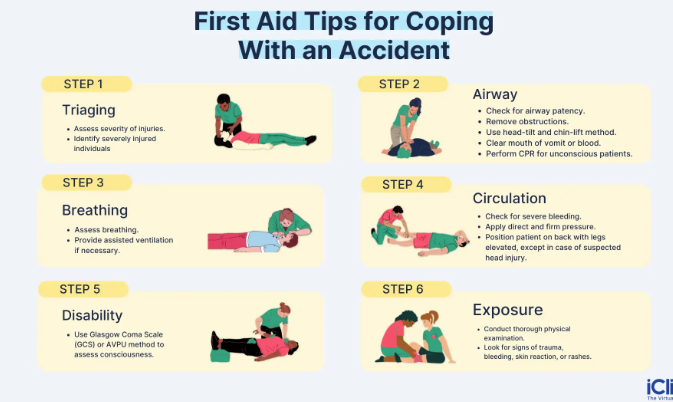
- Quick first aid and a fast ambulance can decide whether an injured person survives
- The 108 ambulance and 112 helpline work only if someone calls quickly with an exact location
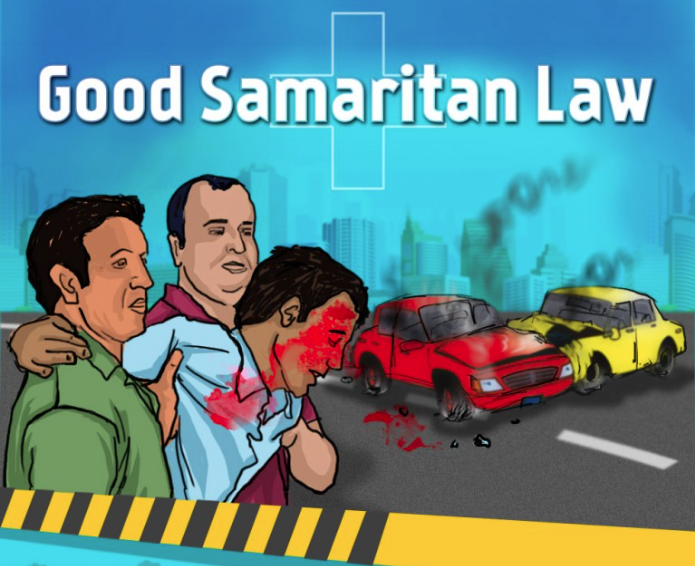
- Fear of police trouble still stops people from helping, though Good Samaritans are protected by law
Controls that reduce risk
- Learn basic first aid and bleeding control from a recognised course
- Keep a first-aid kit and a warning triangle in your vehicle
- Learn how to share your live location from your phone
- Housing societies and companies: train drivers and staff as first responders
- Report dangerous spots and missing signs to the local traffic police
Common unsafe practices
- Driving past a crash assuming someone else has called for help
- Pulling an injured person out of a vehicle when there is no fire or other danger
- Giving water or food to a badly injured person
- Stopping in the live lane and becoming a second casualty
- Crowding round the victim and blocking the ambulance
- Removing a rider's helmet without need
Leave a comment