
What happened here
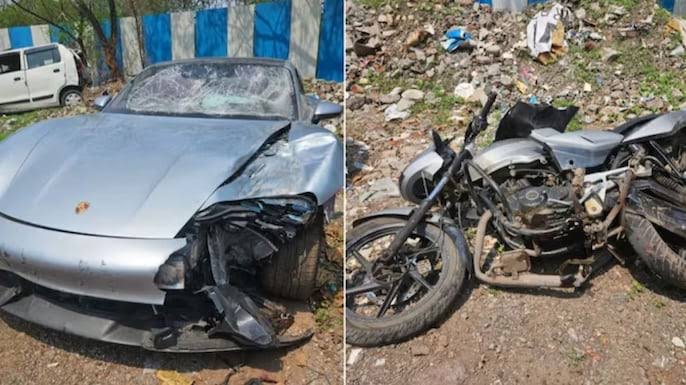
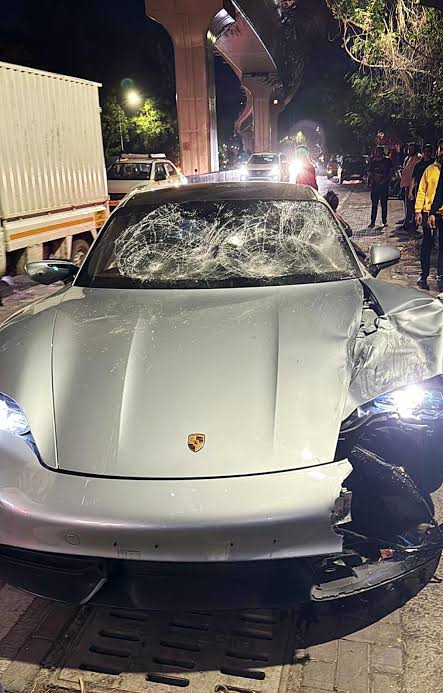 1 / 2
1 / 2 A Porsche allegedly driven at high speed by a 17-year-old struck a motorcycle, killing two IT professionals and triggering separate investigations into driving, alcohol access and evidence handling.
Introduction
The tragic Pune Porsche crash incident highlights the grave consequences of underage and reckless driving. The accident, which occurred in Pune, Maharashtra, involved a drunk minor driving a high-end car at an excessive speed, resulting in the deaths of two young engineers, Anish Awadhiya and Ashwini Kostha. This case raises critical questions about the enforcement of traffic laws, the accountability of parents, and the privileges that may influence judicial outcomes.
Event/Disaster Description
Date and Time: The incident took place on May 19th.
Location: Pune, Maharashtra, India.
Incident Details:
Anish Awadhiya and Ashwini Kostha, both 24-year-old engineers, were returning home on a bike after meeting friends. A 17-year-old minor, heavily intoxicated, was driving a Porsche reportedly at 200 km per hour. The teen hit the bike from behind, causing Ashwini to be thrown 20 feet into the air and land hard, while Anish was thrown against a parked car. Both died instantly.
Immediate Response:
The minor was initially granted bail by the Juvenile Justice Board under conditions perceived as lenient: writing an essay on road accidents, studying traffic rules for 15 days, and attending counseling for his drinking habits. Public outrage followed, with calls for more stringent punishment and justice for the victims.
Impact/Loss
Victims:
- Ashwini Kostha: A talented and independent young woman with numerous dreams, described as “one in a million.” Her family is devastated, with her mother expressing profound grief and a sense of injustice.
- Anish Awadhiya: A cheerful and responsible young man, supporting his family and planning to pursue an MBA. His family, especially his mother and younger brother, are left in deep sorrow and shock.
Families’ Grief:
- Ashwini’s Family: Her mother, Mamata, is in shock, mourning the loss of her daughter who had a bright future and numerous dreams. Her brother, Samprit, recalls her as excelling in every field and being the pillar of the family.
- Anish’s Family: His mother, Savita Awadhiya, is heartbroken, demanding strict punishment for the minor. His father, Om Awadhiya, remembers him as a supportive son who shouldered family responsibilities, and his younger brother, who lived with him in Pune, is left without his protector and guide.
Response/Rehabilitation
Public and Legal Response:
- Justice Demands: The families of the victims, along with the public, are demanding stringent punishment for the minor and his parents, criticizing the initial bail conditions as a mockery of justice.
- Legal Proceedings: The minor is currently in an observation home while the Juvenile Justice Board decides whether he will be tried as an adult. The case is seen as a test of the Indian justice system, particularly in how it handles cases involving minors from privileged backgrounds.
Government and Police Actions:
- Investigation: Police confirmed the teenager was heavily drunk and driving at an extremely high speed. They are conducting a thorough investigation into the circumstances of the crash.
- Government Response: The Maharashtra government is being urged to ensure justice is served and to consider the broader implications for traffic law enforcement and juvenile justice.
Lessons Learned
Key Issues Identified:
- Strict Enforcement of Traffic Laws: The incident underscores the need for stringent enforcement of traffic laws, particularly concerning underage and drunk driving.
- Parental Responsibility: Parents must be held accountable for allowing minors access to high-powered vehicles.
- Judicial Accountability: The case highlights the need for the judicial system to act impartially, ensuring that privilege does not influence legal outcomes.
- Public Awareness: Increased public awareness about the consequences of reckless driving and the importance of adhering to traffic regulations.
Implications on Policy and Practice
Policy Recommendations:
- Stricter Penalties for Underage Driving: Implement harsher penalties for underage driving and for parents who permit it.
- Improved Juvenile Justice: Reform the Juvenile Justice system to ensure that minors involved in severe offenses are tried appropriately.
- Enhanced Traffic Law Enforcement: Strengthen traffic law enforcement mechanisms to prevent such incidents in the future.
- Educational Campaigns: Launch educational campaigns targeting both youths and parents about the dangers of reckless and drunk driving.
Conclusion
The Pune Porsche crash is a tragic reminder of the severe consequences of irresponsible driving and the need for robust legal and parental oversight. The incident not only devastated the families of Anish Awadhiya and Ashwini Kostha but also ignited a public outcry for justice and systemic change. Ensuring such tragedies do not recur requires stringent law enforcement, judicial accountability, and heightened public awareness.

- Motorcycle travels through Kalyani Nagar
- Porsche strikes the two riders
- Both motorcyclists die
- Initial bail conditions cause public scrutiny
- Police examine alcohol service, guardianship and alleged evidence manipulation
Why consequences escalated
- Speed dramatically reduces survival time for unprotected road users
- Guardians must prevent unlicensed or unsafe access to vehicles
- Hospital and forensic evidence require documented chain of custody
- Alcohol-service controls must be enforced consistently
- Public education cannot substitute for fair investigation and adjudication
Failures and risk multipliers
- Ignoring foreseeable occupancy and access hazards
- Depending on a single protective layer
- Failing to maintain separation, warning or escape space
- Treating early reporting as a final finding
- Failing to document and close corrective actions
People closest to the evidence
““Safety principle””
Human error must be anticipated through separation, warning, supervision and independent barriers.
Actions that reduce risk
- Identify two safe escape routes
- Control speed, ignition sources and combustible loading
- Maintain emergency access
- Inspect alarms and protective equipment
- Record occupants, vehicles and hazardous stock
- Call 112 or the local emergency service promptly
Leave a comment