
What happened here
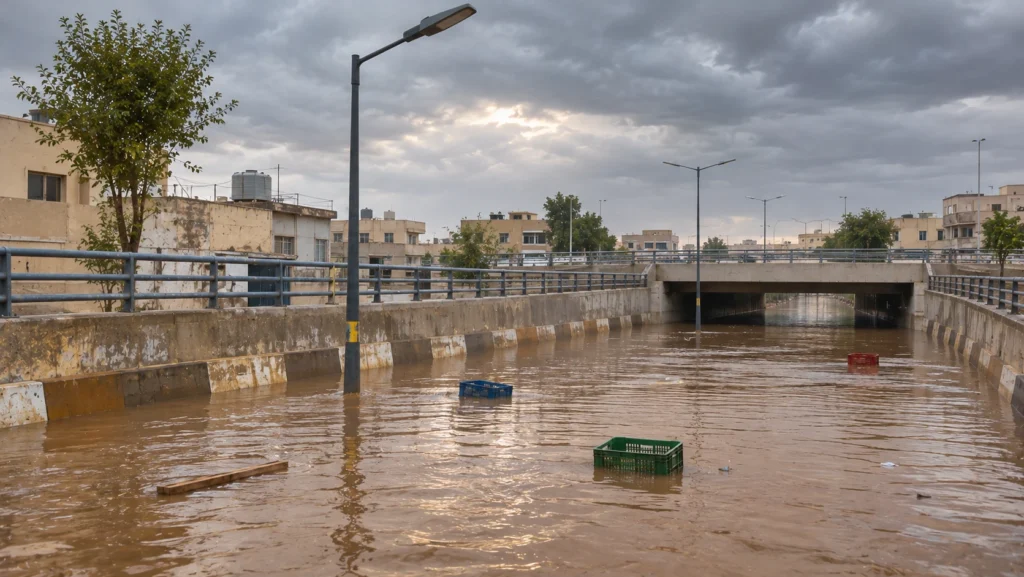
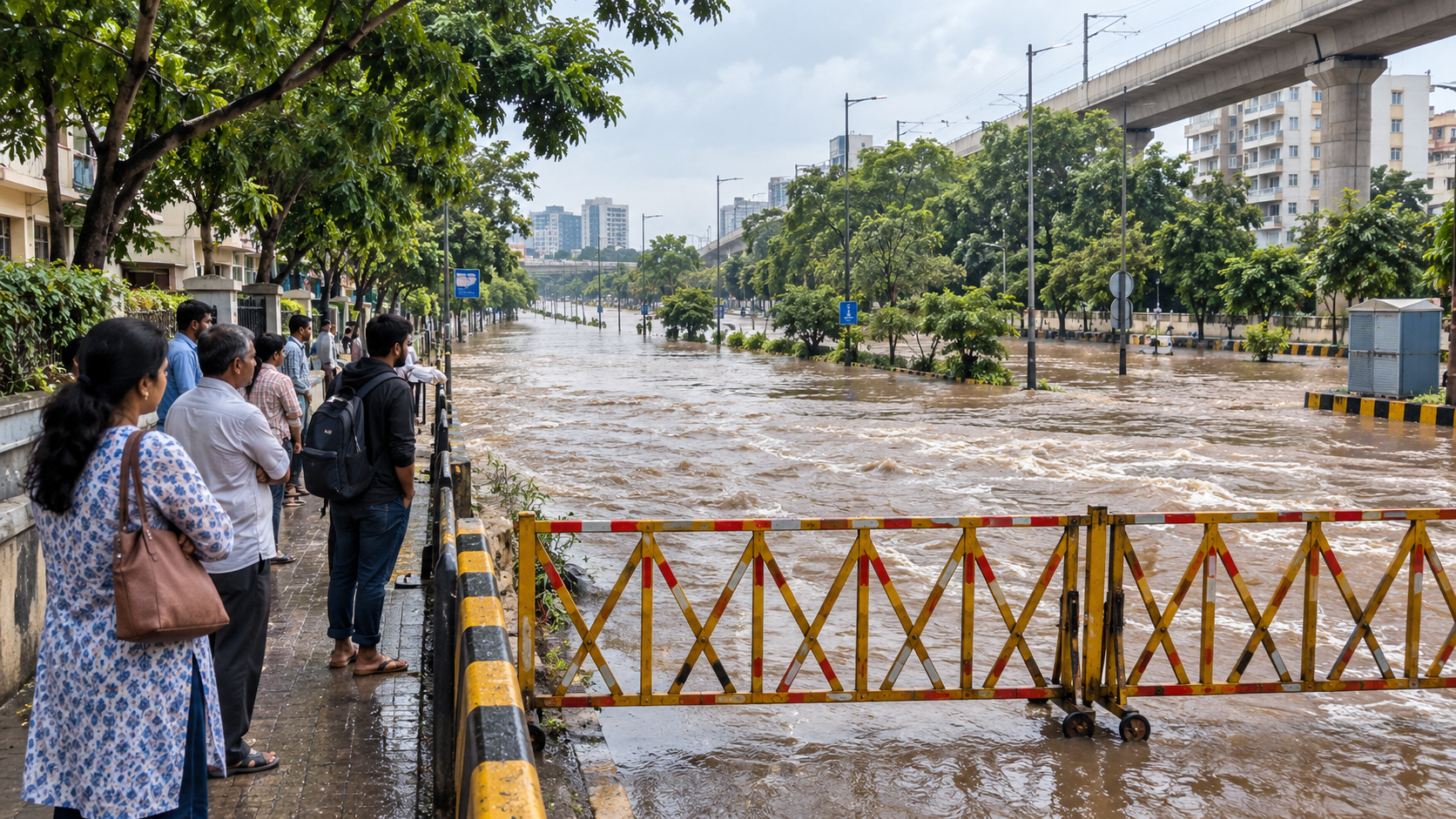
Heavy rain began on the evening of Saturday 7 November 2026 and intensified at around 7 pm, causing flash floods in Erbil, the capital of Iraq's Kurdistan Region, that night and on Sunday 8 November. Rudaw, 964 Media, Shafaq and Kurdistan24 report two dead. A volunteer bulldozer operator was swept away in the Seberdan area while helping residents, and his body was found near New Erbil. A 5-year-old boy died when the family car was swept into a corniche channel and his father escaped. Governor Omed Khoshnaw said preliminary estimates were about 80 mm of rain against a forecast of about 30 mm; Shafaq quotes over 45 mm in an hour in one area and about 120 mm in others without a time frame. Rudaw attributes the floods to torrential rain overwhelming drainage, driven by a low-pressure system from the Mediterranean. Hundreds of homes, shops and vehicles were flooded, water-treatment plants were shut for a time and schools and universities were suspended in several governorates. The governor said no compensation decision had been made and asked Baghdad for compensation. Figures are from the reports opened on 9 November 2026 (IST) and may change.
Quick answers
What happened in Erbil?
Heavy rain on 7 to 8 November 2026 caused flash floods; two people died, a volunteer bulldozer operator and a 5-year-old boy in a car swept into a channel.
How much rain fell?
The governor said about 80 mm against a forecast of about 30 mm; Shafaq quotes larger local figures without a time frame.
Was there a third death?
Shafaq's English headline says three, but its text names two and no other outlet supports a third.
Has compensation been announced?
No. The governor said no decision had been made and asked Baghdad for compensation.
How can I stay safe in a flash flood?
Do not drive into unseen water, keep children away from channels and move to higher ground. See: https://howtosurvive.in/floodwater-safety-india-stop-turn-around-evacuate/
Is there a city safety guide for Erbil?
No; our guides cover Indian cities, and this is a world case.
What happened
Heavy rain began in Erbil, the capital of Iraq’s Kurdistan Region, on the evening of Saturday 7 November 2026 and intensified at around 7 pm. Flash floods hit the city that night and on Sunday 8 November. Rudaw, 964 Media, Shafaq and Kurdistan24 report two dead.
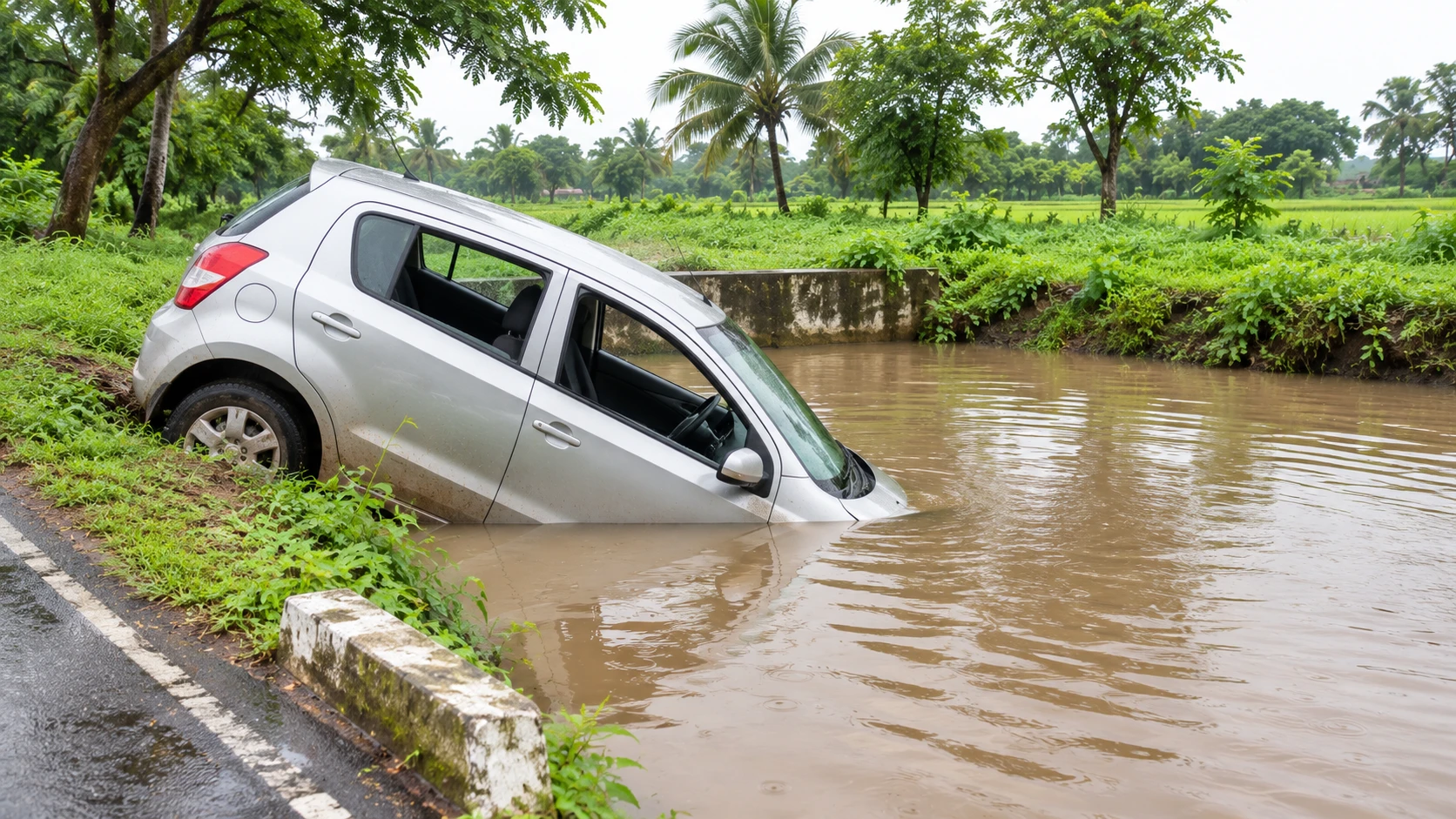
A volunteer bulldozer operator was swept away in the Seberdan area while helping residents, and his body was found near New Erbil. A 5-year-old boy died when the family car was swept into a corniche channel while his father escaped. Governor Omed Khoshnaw said preliminary estimates were about 80 mm of rain against a forecast of about 30 mm.
What the reports say
- Dead: two: a volunteer bulldozer operator and a 5-year-old boy (Rudaw, 964 Media, Shafaq, Kurdistan24). We give no names.
- Cause: torrential rain overwhelmed drainage, driven by a low-pressure system from the Mediterranean (Rudaw).
- Damage: hundreds of homes, shops and vehicles were flooded; water-treatment plants were shut for a time; schools and universities were suspended in several governorates.
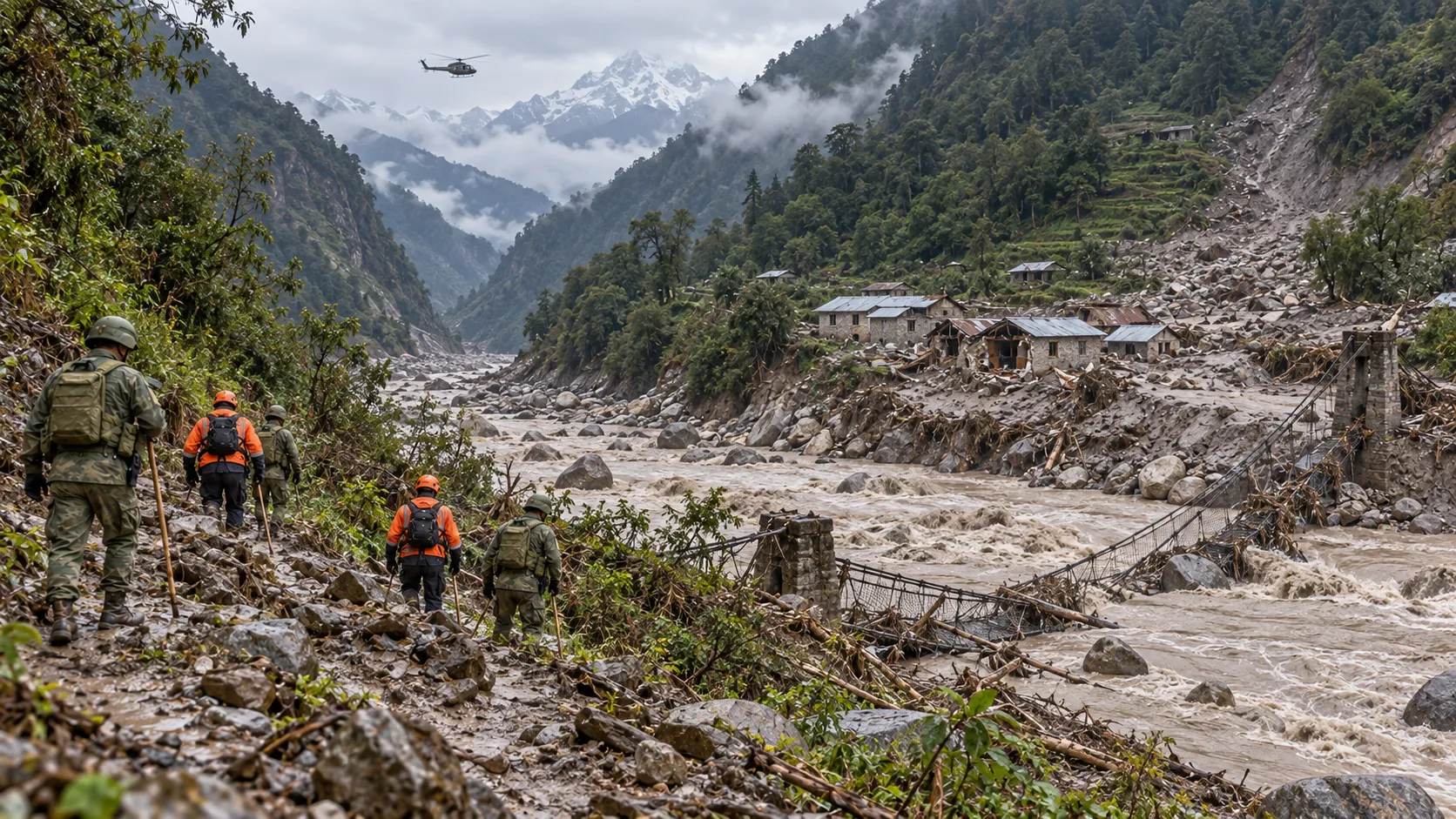
- Rescue: Civil Defence and volunteers pulled out vehicles and rescued residents; about 15 cars were still under an overpass on 8 November, the governor said.
- Relief and compensation: Prime Minister Masrour Barzani ordered resources and President Nechirvan Barzani ordered aid; the governor said no compensation decision had been made and asked Baghdad for compensation.
Where reports differ and what we do not know
- Third death: Shafaq’s English headline says three dead and more than 300 rescued, but its text names two, and no other outlet we opened supports a third.
- Rain: about 80 mm (governor) against over 45 mm in an hour in one area and about 120 mm in others (Shafaq); the time frame of the larger figures is not given.
- Age of the operator: the reports give different ages for the volunteer, so we do not state one.
- Not known: the final damage figure, how many people were rescued, and what compensation will be paid.
What this case teaches
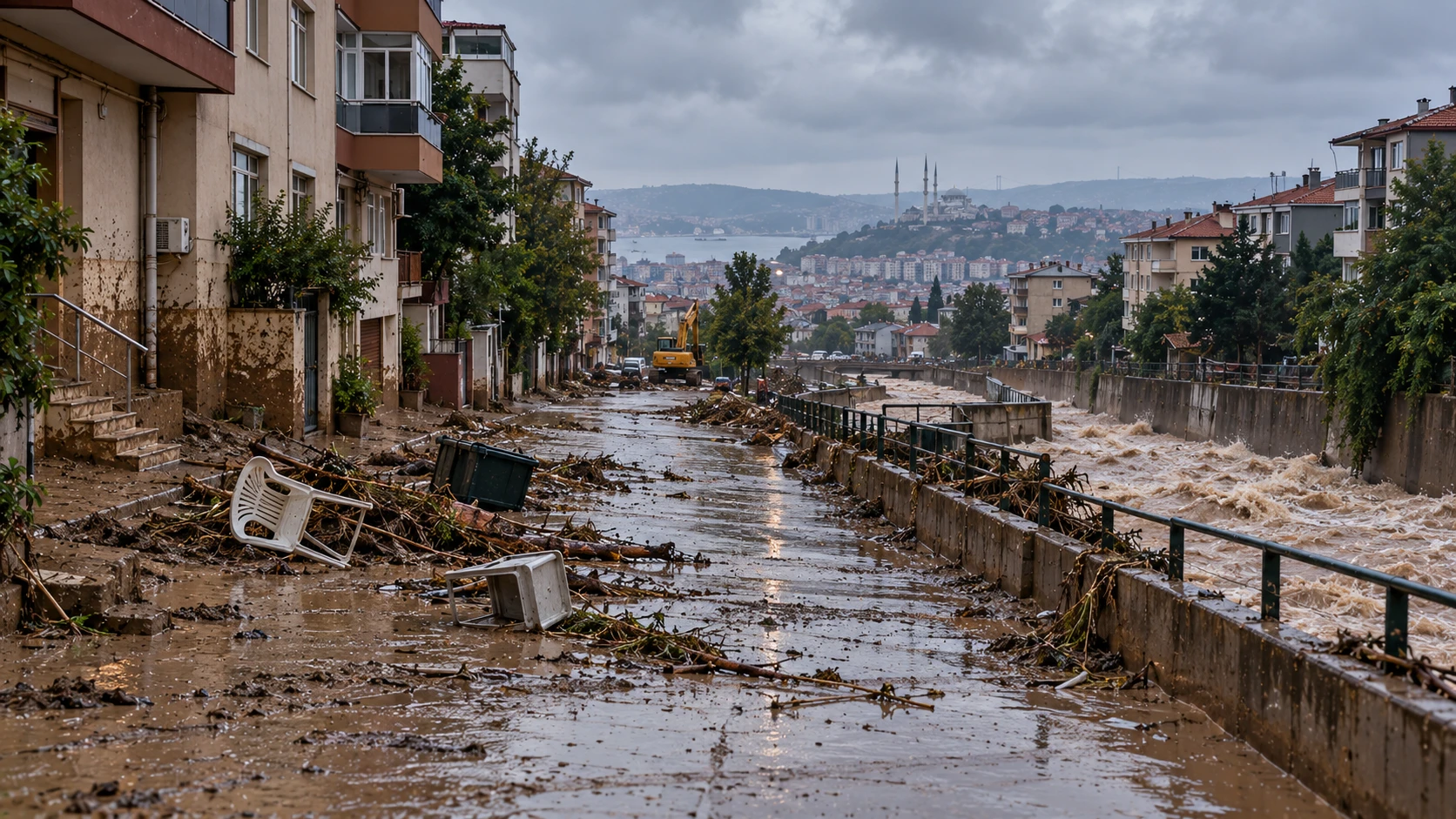
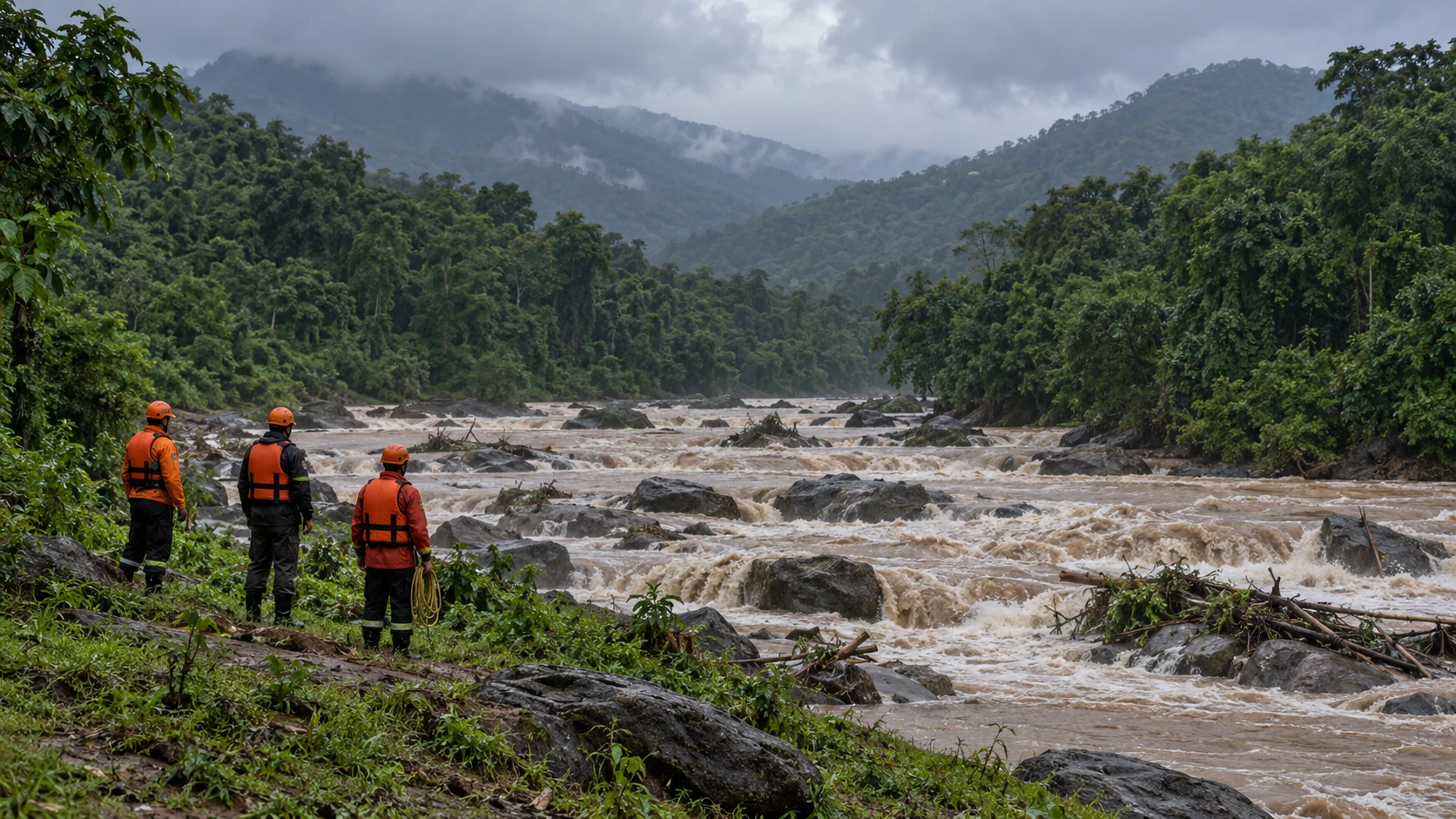
Flash floods in a dry city kill because people do not expect them. A forecast of 30 mm became about 80 mm in one evening, and a car on a road beside a channel had no way out. This is not a finding about this family; it is a reason for drivers to turn around at unseen water and for city authorities to close low roads early. See our guides on never driving or walking through floodwater and getting out of a sinking or flooded car, and the <a href="Istanbul and Kocaeli flash floods“>Istanbul and Kocaeli flash floods and <a href="Nilambur flash flood“>Nilambur flash flood.
- Heavy rain begins in Erbil and intensifies at around 7 pm
- Flash floods hit streets, shops and underpasses; a volunteer driver is swept away in Seberdan and a family car is swept into a corniche channel
- Civil Defence and volunteers pull out vehicles and rescue residents; the body of the operator is found near New Erbil; water-treatment plants are shut for a time
- 964 Media (10.47 am) reports the governor's rain figures; Shafaq English (4.30 pm UTC) publishes a headline of three dead; Rudaw updates its report
Why consequences escalated
- Flash floods hit Erbil from the evening of 7 November 2026 after about 80 mm of rain against a forecast of about 30 mm.
- Two people died: a volunteer bulldozer operator and a 5-year-old boy in a car swept into a channel.
- Shafaq's headline of three dead is not supported by its own text or any other outlet.
- Hundreds of homes, shops and vehicles were flooded; compensation had not been decided on 8 November.
Failures and risk multipliers
- No official finding exists. What the reports raise as questions:
- Whether drainage on the corniche and in Seberdan could carry a rainfall of about 80 mm and why the forecast was about 30 mm.
- Whether a family car should have been driving along a channel while the water was rising, and whether warnings reached drivers.
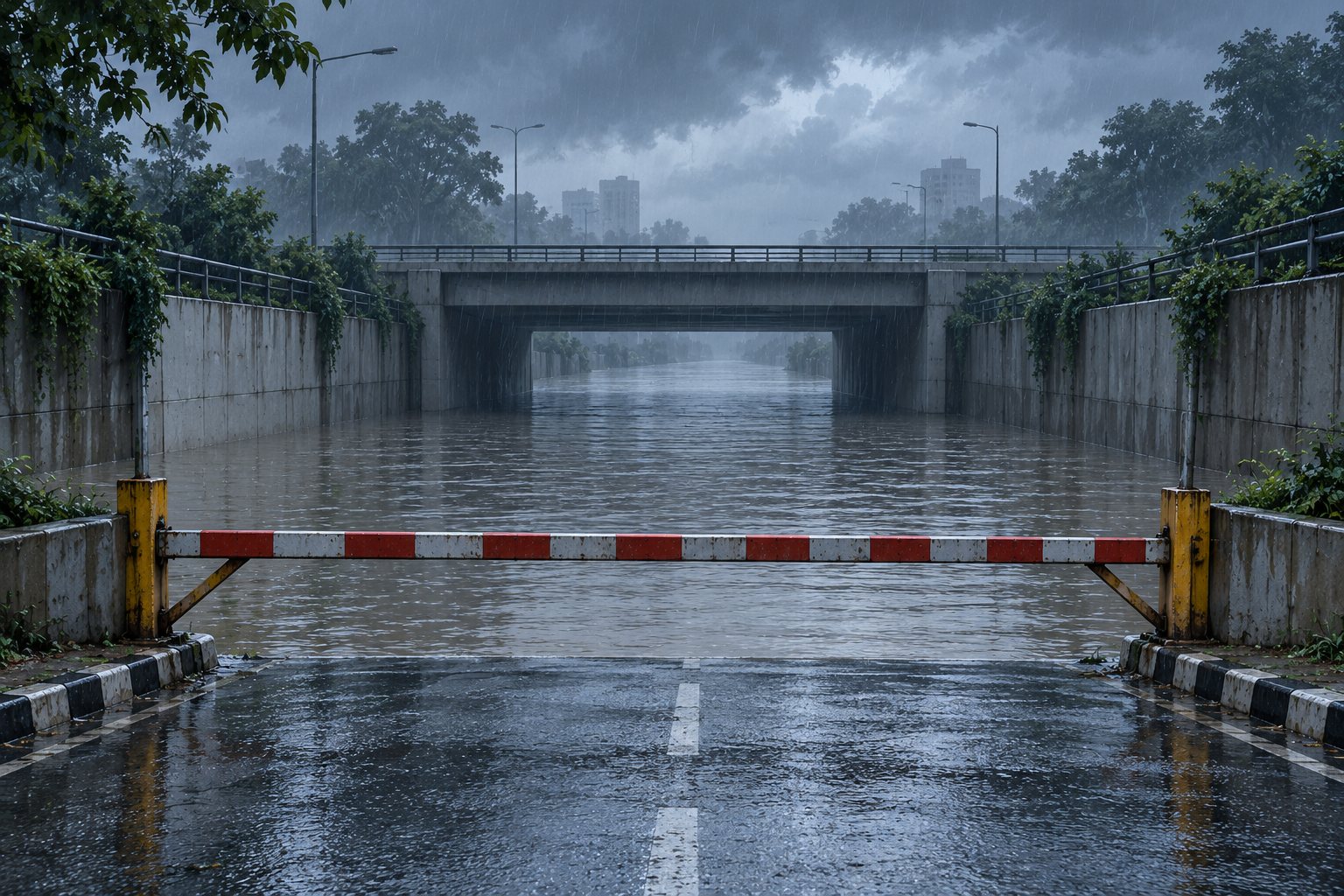
- Whether underpasses and low roads were closed in time; about 15 cars were still under an overpass on 8 November.
- These are open questions, not findings of fault; the families' loss is not the story.
Actions that reduce risk
- Drivers: never drive into water you cannot see the bottom of; turn around at an underpass, a channel edge or a flooded dip; just 30 cm of moving water can float a car.
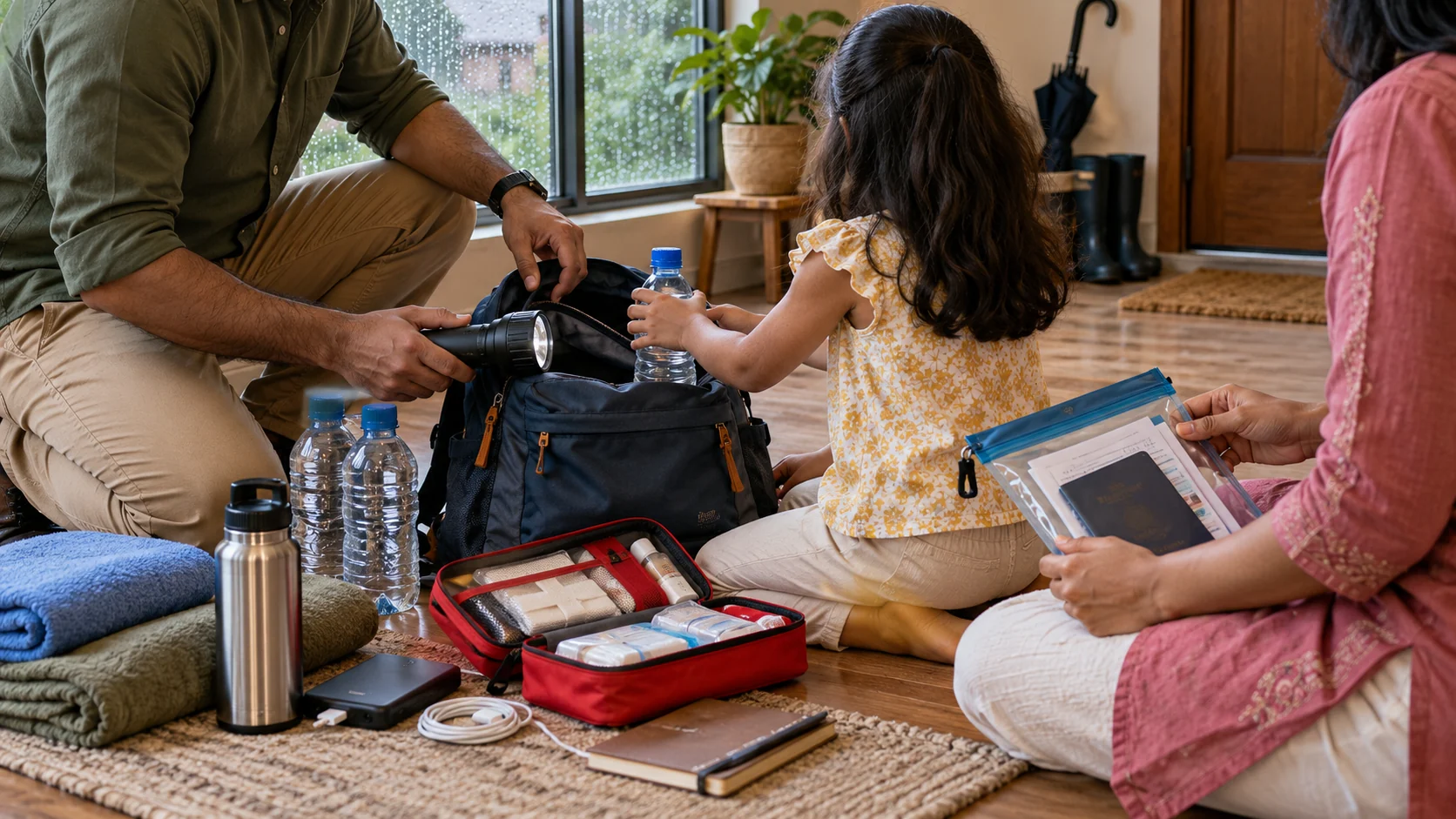
- Families: keep children away from channels, drains and roadside water; move to higher ground early and call the emergency number rather than wade out.
- Volunteers: do not work in a flood channel without a rope, a lifejacket and a partner; a machine can be swept away with its driver.
- City authorities: close underpasses and low roads before the peak, clear drains before the rainy season and publish rain-gauge totals.
- After the flood: do not drink tap water until the treatment plants are declared safe; treat any contact with flood water as contaminated.
Leave a comment