
Quick answers
What is the difference between heat exhaustion and heatstroke?
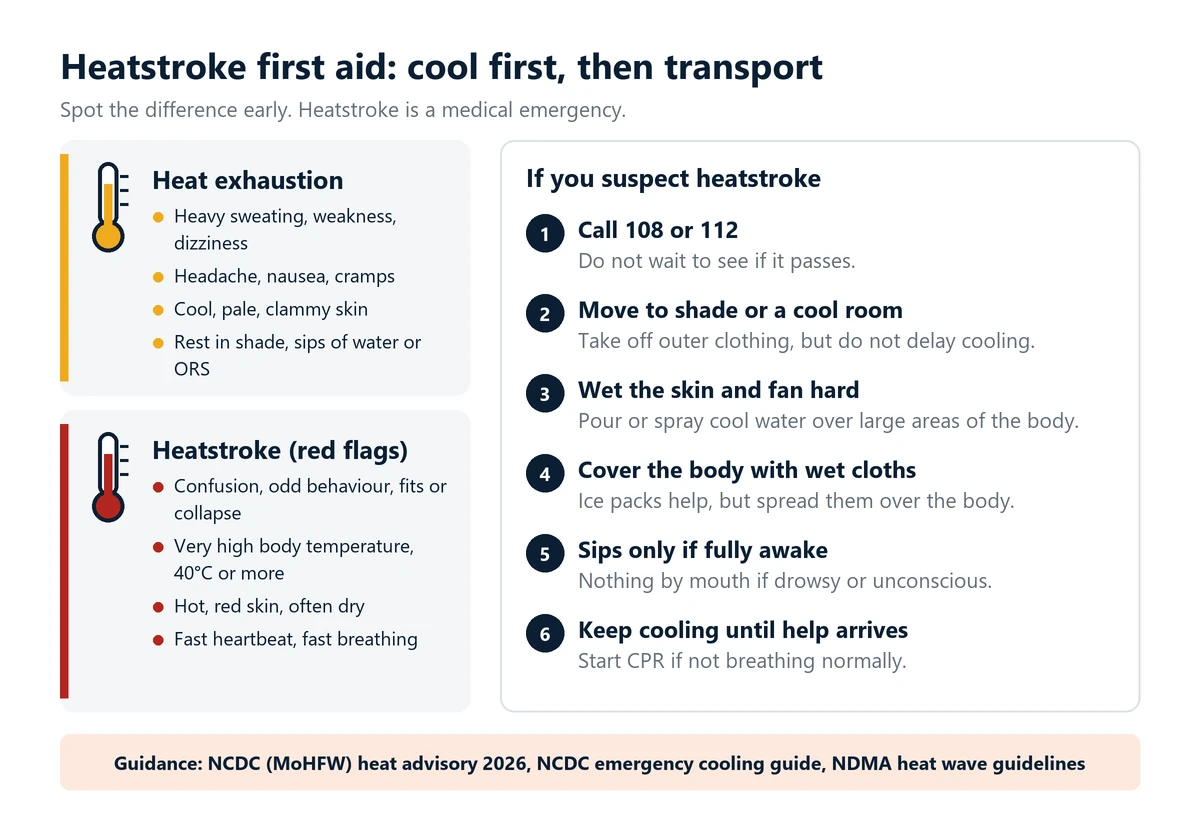
Heat exhaustion is the warning stage: heavy sweating, weakness, dizziness, headache and cool, clammy skin, while the person stays alert. Heatstroke is an emergency: confusion, fits or collapse, a body temperature of 40 °C or more and hot, often dry skin. Heat exhaustion can turn into heatstroke if it is not treated.
Where should ice packs go for heatstroke?
NCDC’s first-aid steps include damp towels or ice packs on the torso, armpits, neck, head and groin. Its cooling guide says ice packs only at the neck, armpits and groin do little on their own, so use them with water poured over the skin and strong fanning.
Can I give water to someone with heatstroke?
Only if they are fully awake and can swallow; then give cold water in sips. Never give water, ORS or anything else by mouth to a person who is drowsy or unconscious, because they can choke.
Will paracetamol bring down the temperature in heatstroke?
No. NCDC’s emergency cooling guide says fever medicines such as paracetamol and aspirin are not effective in heatstroke. Spend the time cooling the person with water and fanning, and get them to hospital.
What does an IMD orange heat alert mean?
An orange alert, or severe heat alert, means severe heatwave conditions for two days, or a heatwave lasting four days or more. Heat illness becomes more likely in people who are out in the sun for long or doing heavy work, so plan work and travel for the cooler hours.
How much water should outdoor workers drink in a heatwave?
NCDC’s 2026 advisory asks employers to provide cool drinking water and remind workers to drink about a cup every 20 minutes, along with shade, longer rest breaks and heavy work moved to the morning and evening.
A labourer sits down in the shade at two in the afternoon and says he only needs a minute. An elderly aunt in a top-floor flat stops making sense after a long, airless day. A boy comes back from cricket in May with a headache and a red face. Most of the time it is plain tiredness and a bottle of water fixes it. Sometimes it is heatstroke, and then the next half hour decides how things end.
This guide is about those minutes: how to tell heat exhaustion from heatstroke, what to do before the ambulance comes, and how to stop it happening at all. It follows the heat advice of the Ministry of Health and Family Welfare’s National Centre for Disease Control (NCDC), the National Disaster Management Authority (NDMA) and the India Meteorological Department (IMD). For the long-term count of heat-stroke deaths in India, see our companion data page.
Heat exhaustion or heatstroke?
Both come from the body getting more heat than it can lose. Heat exhaustion is the warning stage. Heatstroke is the emergency, when the body’s cooling system starts to fail and the brain, kidneys and other organs are at risk. Heat exhaustion that is not treated can turn into heatstroke, and NCDC notes that heat stress can keep getting worse even after a person has been moved out of the heat.
Heat exhaustion usually looks like this:
- heavy sweating, tiredness and weakness;
- dizziness, headache, nausea or vomiting, and sometimes muscle cramps;
- skin that is cool, pale and clammy, with a weak pulse;
- extreme thirst and dark yellow urine, or passing very little urine.
Heatstroke red flags. Treat it as heatstroke and get help at once if you see any of these in someone who has been in the heat:
- confusion, strange behaviour, agitation, slurred speech or an unsteady walk;
- fainting, collapse, fits (seizures) or unconsciousness;
- a very high body temperature, 40°C (104°F) or more;
- hot, red skin, often dry. A person who collapsed while working or exercising hard may still be sweating, so sweat does not rule it out;
- a throbbing headache, a fast heartbeat and fast, shallow breathing.
In small children, NCDC lists different warning signs: refusing feeds, unusual irritability, passing less urine, a dry mouth, no tears or sunken eyes, unusual drowsiness and fits.
First aid for heat exhaustion
- Get the person to lie down in a cool, shaded place, or a room with a fan or AC.
- Loosen tight clothing and put a cool, wet cloth on the skin. Fan them.
- Give sips of water or ORS slowly. Stop if they feel sick.
- If they vomit, get worse, become confused or are not better soon, treat it as heatstroke and call 108 or 112.
Painful cramps in the legs, arms or stomach after hard work in the heat are heat cramps. Rest in a cool place and drink ORS. NCDC says to get medical help if the cramps last more than an hour.
First aid for heatstroke: cool first
Heatstroke is a medical emergency. The single most useful thing you can do is bring the body temperature down, fast. NCDC’s guidance to health workers is “cool first, transport second”: start cooling where the person is, and keep cooling on the way to hospital.
- Call 108 or 112 straight away, or 102 for an ambulance where that is the local number. Say it may be heatstroke.
- Move the person into shade or a cool room. Let them lie down, with their feet raised if they are awake.
- Take off outer clothing, but do not hold up cooling to undress them fully.
- Wet the skin and fan hard. Pour, sponge or spray cool water over as much of the body as you can and keep fanning, by hand, with a newspaper or with an electric fan. Wet sheets or towels over the body, with the fan on them, also work. Moving air over wet skin is what carries the heat away.
- Ice packs: NCDC’s first-aid steps include damp towels or ice packs on the torso, armpits, neck, head and groin. Its emergency cooling guide adds that ice packs only on the neck, armpits and groin do little by themselves, so use them along with water and fanning, and spread ice over the body, especially the chest and stomach, if you have plenty. Ice-filled rubber bottles do not cool well.
- Sips only if fully awake. If the person is conscious and can swallow, give cold water to sip.
- Nothing by mouth if they are not conscious. NDMA’s guidance is clear: do not give fluids to a person who is not conscious, not even water or ORS. They can choke.
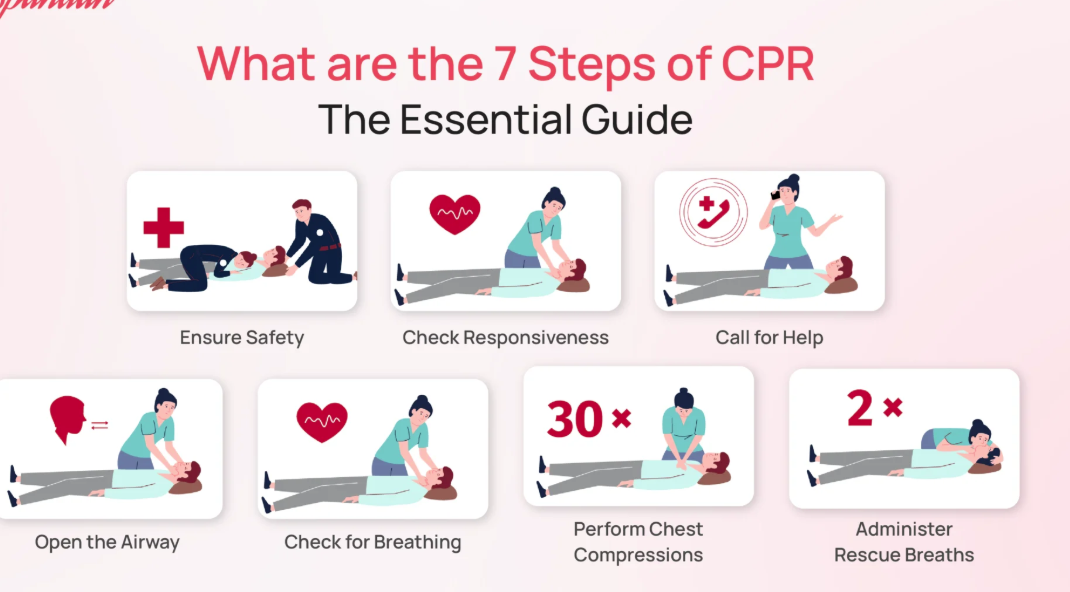
- Keep cooling until the ambulance team takes over. If they become unresponsive and are not breathing normally, start hands-only CPR and keep going until help arrives.
Fever tablets do not help. NCDC’s cooling guide says paracetamol and aspirin are not effective for heatstroke, because this is not a fever. Do not waste time looking for them; spend it cooling.
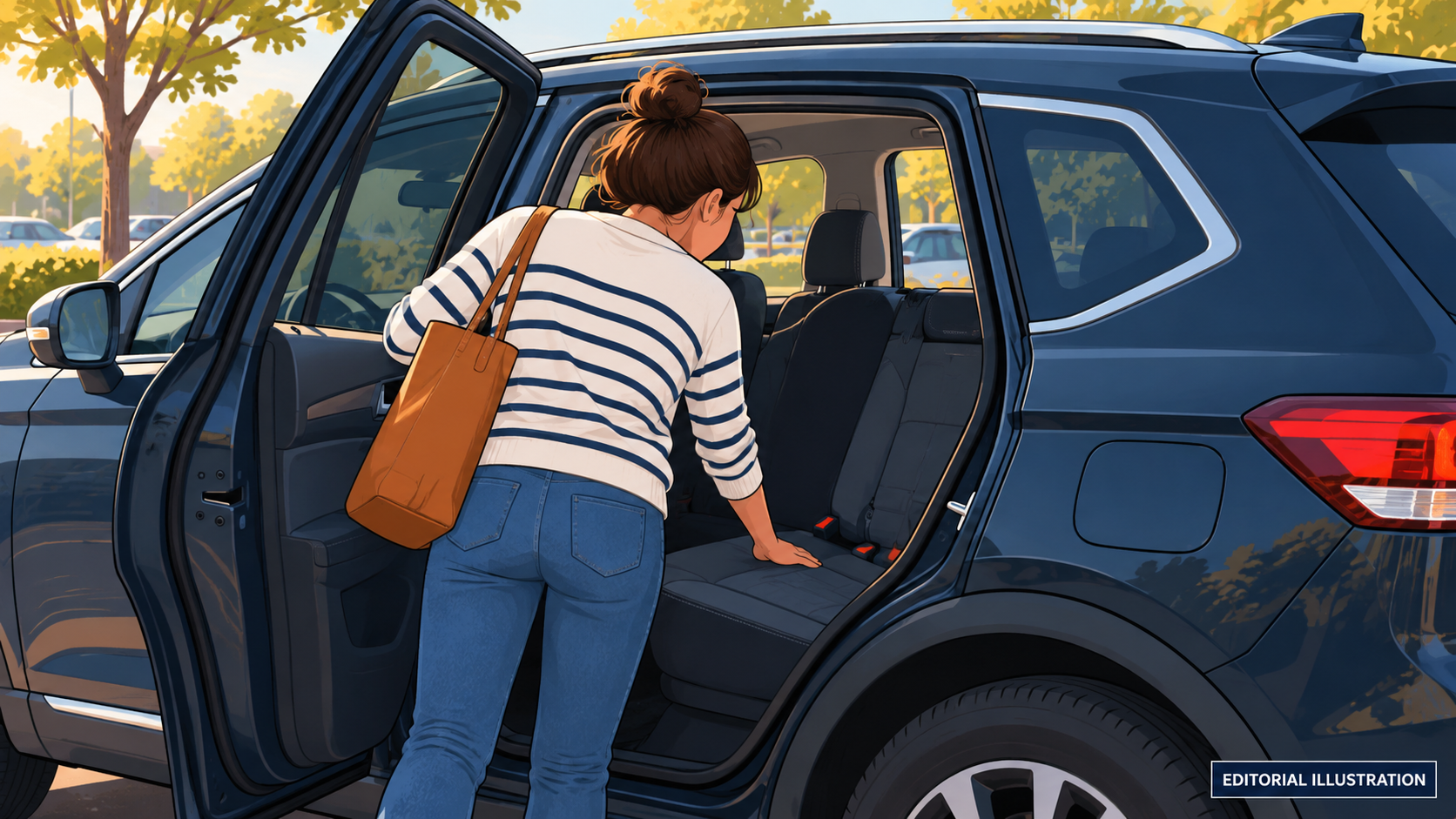
A child with heatstroke needs the same urgency. Move the child to shade or a cool room, under a fan or into an AC room if there is one, wet the skin, fan and call for help. Never leave a baby or a child in a parked car, even for a few minutes.
Who is most at risk
Anyone can get heat illness, but NCDC and the World Health Organization (WHO) single out these groups:
- Outdoor and manual workers: construction and farm workers, street vendors, traffic police, delivery riders, and people working in hot kitchens, bakeries, mines and factories.
- Elderly people, especially those living alone, on top floors or under tin or concrete roofs.
- Infants and young children, who heat up quickly and cannot tell you what is wrong.
- Pregnant women.
- People with chronic illness, such as heart disease, high blood pressure, kidney or lung disease, and people with mental illness. Some regular medicines can make heat harder to handle, so ask your doctor before summer.
- People who have just come from a cooler place. NCDC advises giving the body about a week to get used to the heat.
How to prevent it
- Drink water through the day, even if you are not thirsty. Thirst is a poor guide.
- Use ORS and home drinks like nimbu pani, chaas or lassi, or fruit juice with a pinch of salt. Eat water-rich fruit such as watermelon, muskmelon and cucumber.
- Stay out of the sun between 12 noon and 3 pm. Do heavy work, errands and exercise in the early morning or evening.
- Dress for the heat: thin, loose, light-coloured cotton. Cover your head with a cap, gamchha, dupatta or umbrella, and do not walk barefoot.
- Go easy on alcohol, tea, coffee, fizzy and very sugary drinks on hot days; they make you lose more fluid. Avoid heavy, high-protein meals and stale food.
- Keep the house cool: curtains and windows shut on the sunny side by day, open at night. Stay on a lower floor in the afternoon if you can. Fans, damp cloths and cool baths help. Our guide to a climate-ready home has more on power cuts and heat.
- Check on elderly neighbours and relatives every day during a heatwave, especially anyone living alone.
At work: rest, shade and water
NCDC’s 2026 heat advisory asks employers to:
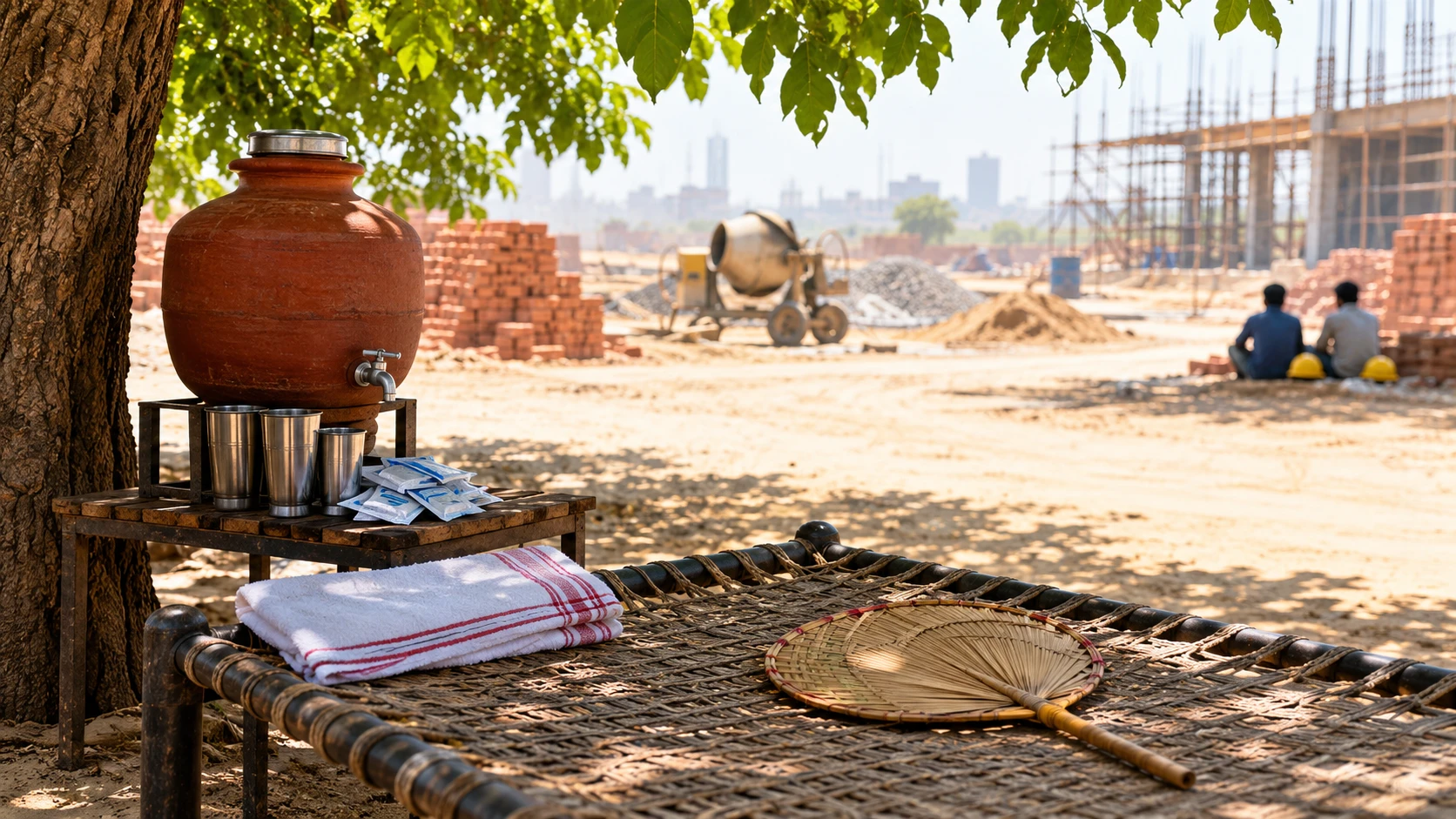
- provide cool drinking water and remind workers to drink about a cup every 20 minutes;
- set up shade or a temporary shelter at the site;
- move heavy outdoor work to the morning and evening, and give more and longer rest breaks;
- let new workers get used to the heat slowly: no more than three hours of work a day for the first five days;
- use a buddy system, because people rarely notice their own symptoms, and keep a trained first-aider and an emergency plan ready.
What IMD’s yellow, orange and red heat alerts mean
IMD issues colour-coded heat warnings jointly with NDMA. Special heatwave bulletins come out every morning and at 4 pm with a five-day outlook, and the State meteorological centres issue district warnings. You can check them on the IMD website or the Mausam app. In the plains a heatwave is usually declared when the maximum temperature is at least 40°C and well above normal, or 45°C or more.
- Green (no action): a normal day; temperatures near normal.
- Yellow, heat alert (be updated): heatwave conditions in isolated pockets for two days. Most people can tolerate it, but it is a health concern for infants, elderly people and people with chronic diseases.
- Orange, severe heat alert (be prepared): severe heatwave for two days, or a heatwave lasting four days or more. Heat illness becomes more likely in anyone out in the sun for long or doing heavy work.
- Red, extreme heat alert (take action): severe heatwave for more than two days, or more than six heatwave days in all. IMD says the chance of heat illness and heatstroke is very high at all ages.
On an orange or red day, move outdoor work and travel out of the afternoon, keep ORS at home, and keep an eye on the people in your family who are most at risk.
How many people does heat make ill?
Official counts are partial. In a written reply in the Lok Sabha on 4 August 2026, reported by PTI, the Government said the National Heat-Related Illness and Death Surveillance had recorded 4,853 heatstroke cases and 20 confirmed heatstroke deaths in India since 1 March 2026. This system counts cases reported by government health facilities, so people who die at home or whose deaths are recorded under another cause are often missed. Different agencies use different methods, and NCRB’s police-based figures for earlier years are much higher. Globally, WHO estimates that about 4,89,000 people died from heat each year between 2000 and 2019, 45% of them in Asia.
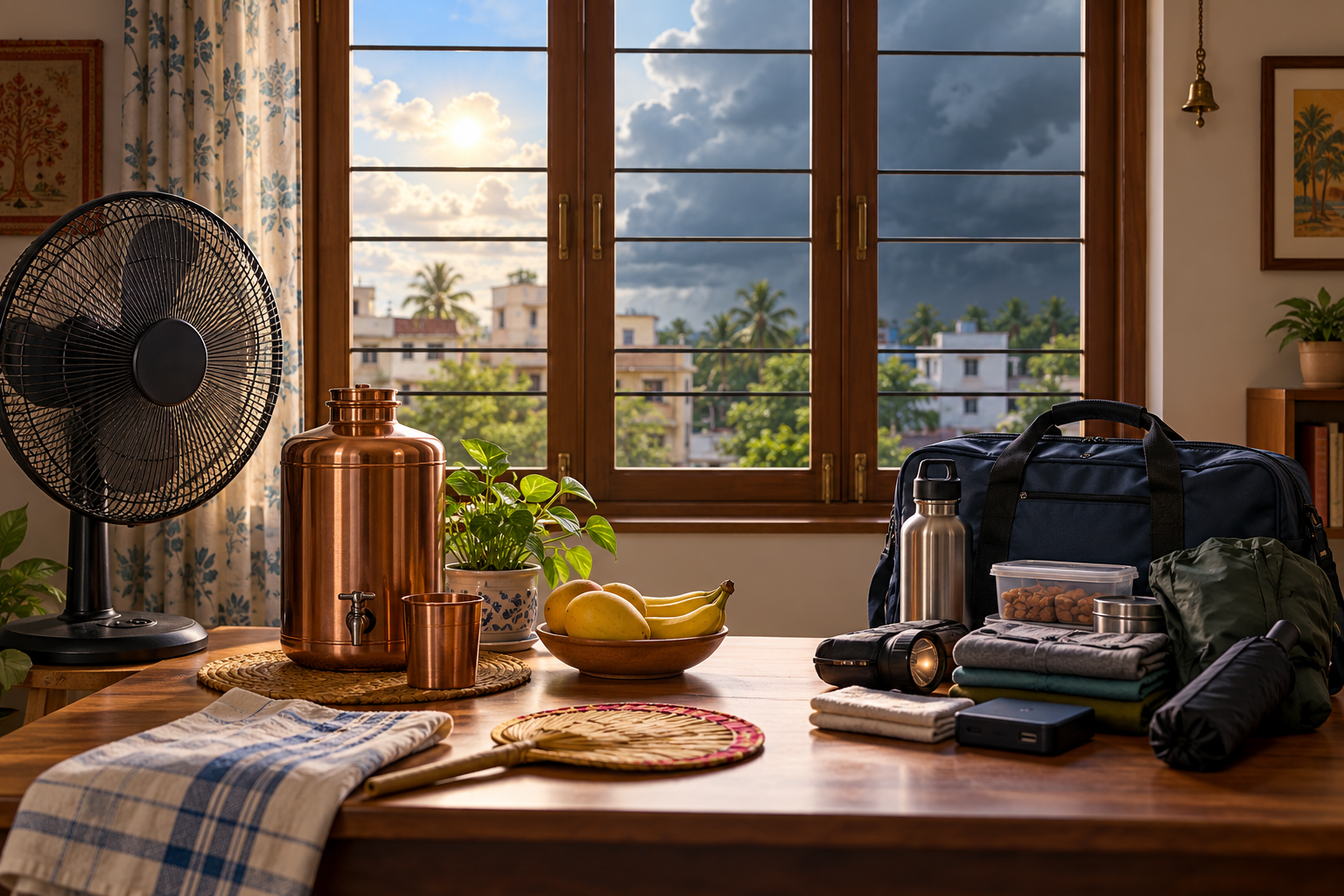
Keep this ready before the next summer
- Save 108 and 112 on every phone at home, and teach the children.
- Keep ORS packets at home, in the car and in the work bag.
- Learn the red flags: confusion, collapse, very high temperature, hot skin.
- Remember the order: call for help, shade, wet the skin, fan, and keep cooling.
- Never give anything to drink to someone who is not fully awake.
What needs attention
- Heat exhaustion is the warning stage; untreated, it can turn into heatstroke.
- Heatstroke is a medical emergency in which delay in cooling is directly linked to death and lasting harm.
- Water on the skin plus strong fanning cools faster than ice packs placed only at the neck, armpits and groin.
- Fever tablets such as paracetamol do not lower the temperature in heatstroke.
- Outdoor workers, elderly people, small children, pregnant women and people with chronic illness face the highest risk.
- Official surveillance counts only cases reported by health facilities, so many heat deaths go unrecorded.
Controls that reduce risk
- Learn the red flags: confusion, collapse, very high temperature and hot skin.
- Call 108 or 112 at once if you suspect heatstroke.
- Move the person to shade, wet the skin, fan hard and keep cooling until help arrives.
- Give sips of cold water only if the person is fully awake.
- Keep ORS at home and at work, and drink water through the day.
- Move heavy outdoor work to the morning and evening on hot days.
- Check IMD heat alerts and check on vulnerable people daily during a heatwave.
Common unsafe practices
- Waiting to see whether a confused or collapsed person gets better on their own.
- Forcing water or ORS into someone who is drowsy or unconscious.
- Relying on a few ice packs or a wet cloth on the forehead instead of wetting the whole body and fanning.
- Giving fever tablets and losing time that should go into cooling.
- Delaying cooling to fully undress the person or to wait for transport.
- Doing heavy outdoor work between 12 noon and 3 pm in a heatwave.
- Leaving a child or an elderly relative alone in a hot room or a parked car.
Leave a comment