
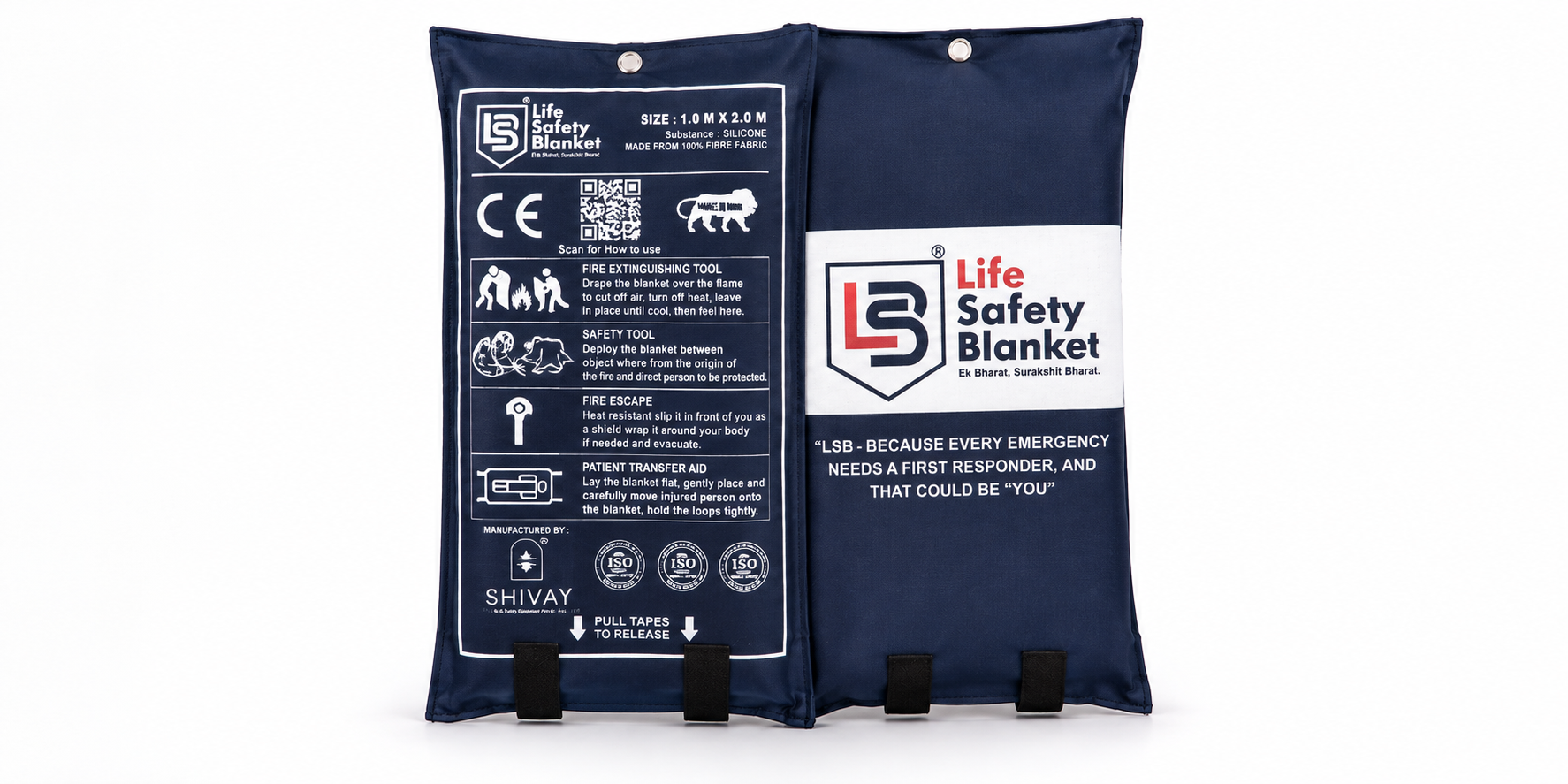
Quick answers
What is a Life Safety Blanket used for?
Its main use, like any fire blanket, is smothering a small fire. The maker also describes it as a heat barrier during welding or cutting, an emergency shelter or stretcher, and a protective cover while escaping. We have not tested those extra uses independently.
How do I use a fire blanket on a small fire?
Turn off the gas or power if you can reach it safely. Hold the blanket with your hands tucked behind it, lay it over the fire away from you so it covers the fire completely, and leave it in place until everything has cooled down.
Can a fire blanket be used during welding or other hot work?
Yes. Place it between the heat source and any combustible or flammable material, and cover the whole object you want to protect from sparks and spatter.
What should I do if a fire is too big for the blanket?
Do not try. Shout to warn everyone, get out by the safest route without using the lift, close the door behind you and call 101 or 112 from outside. Do not go back in until the fire brigade says it is safe.
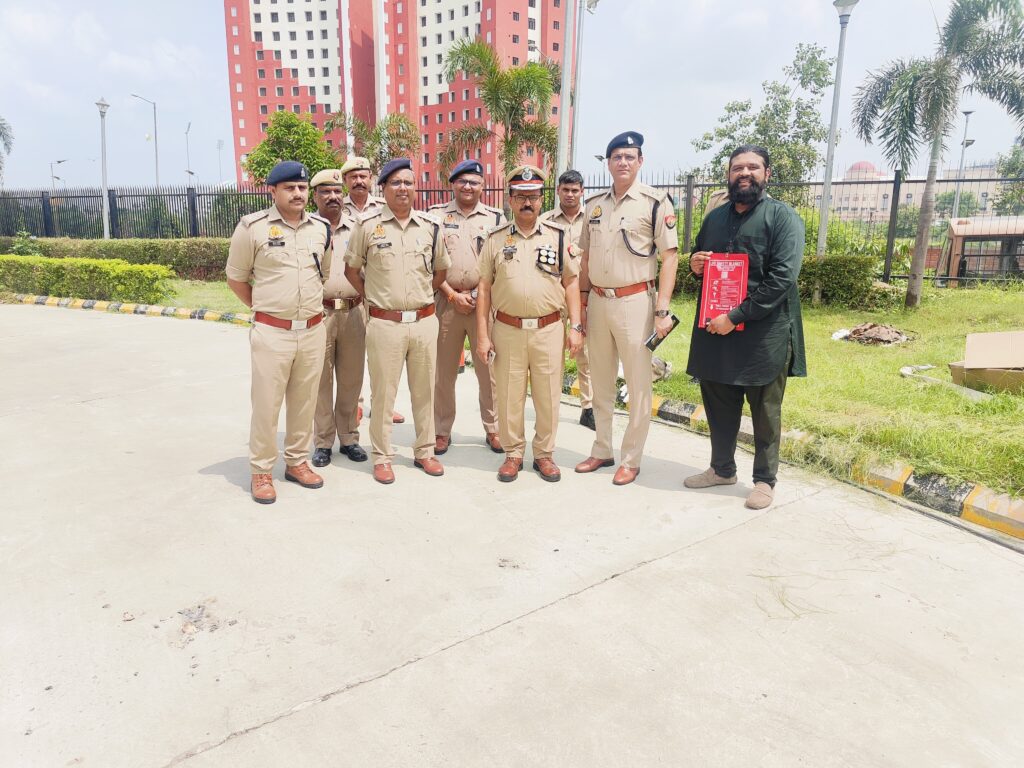
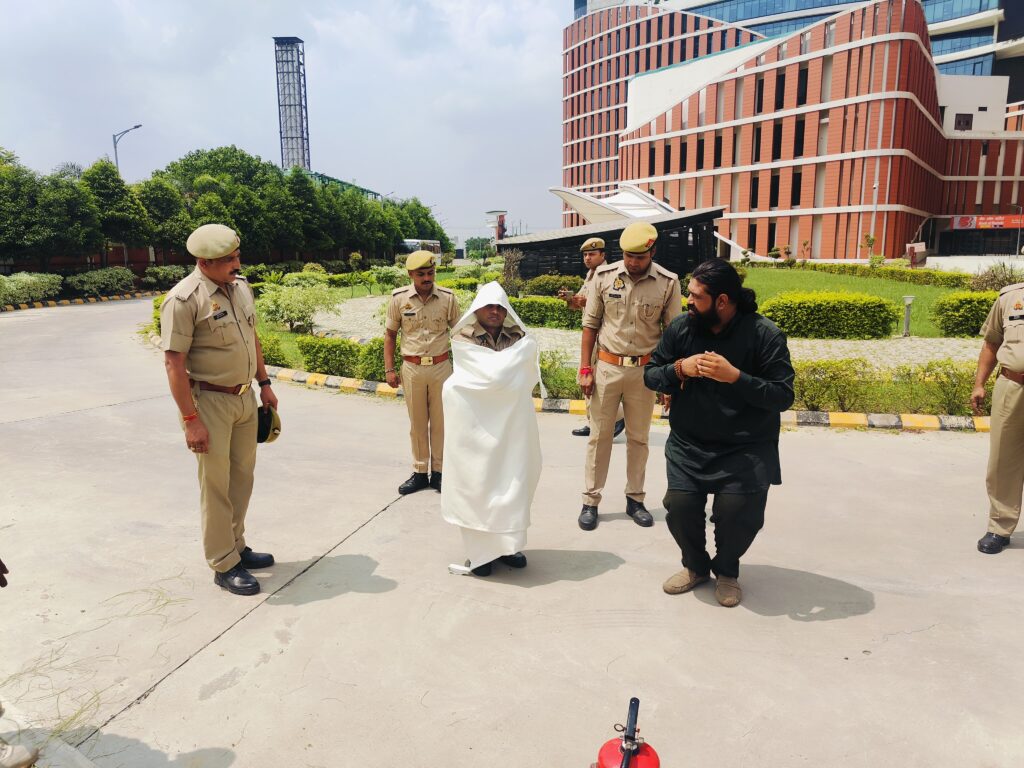
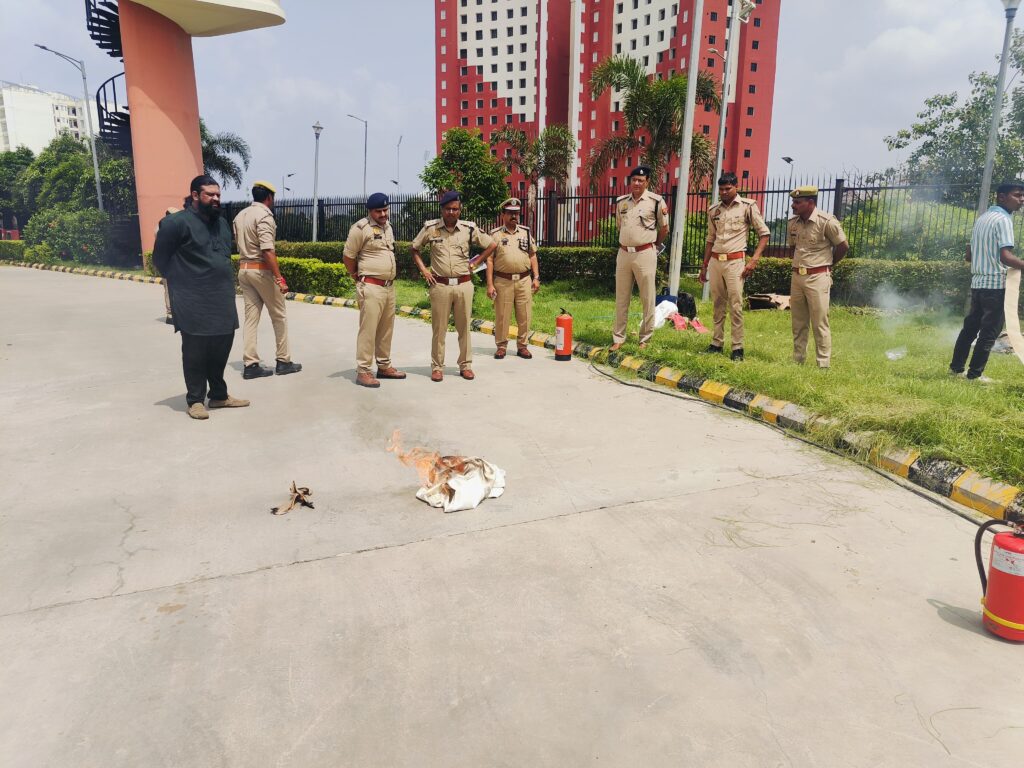
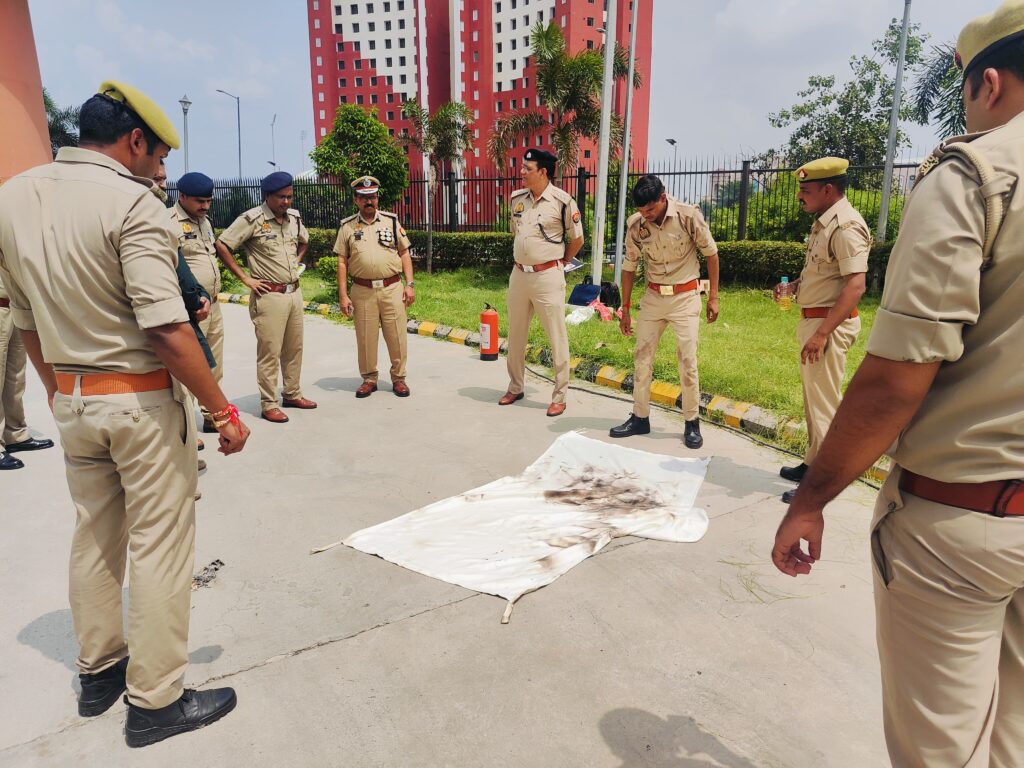
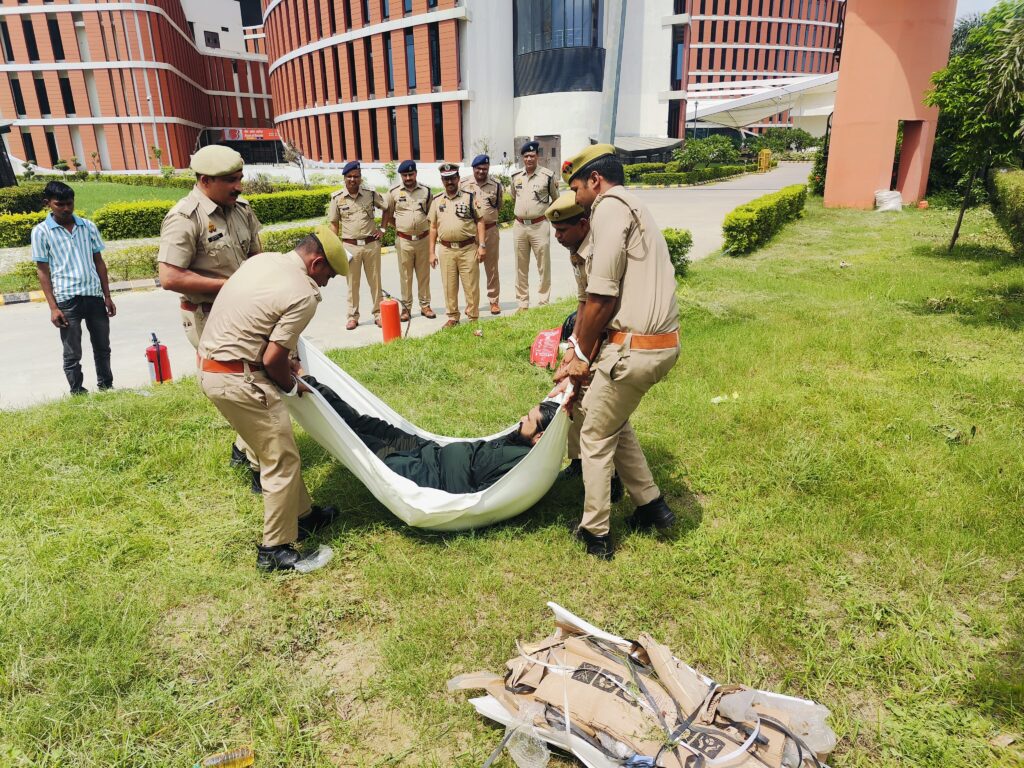
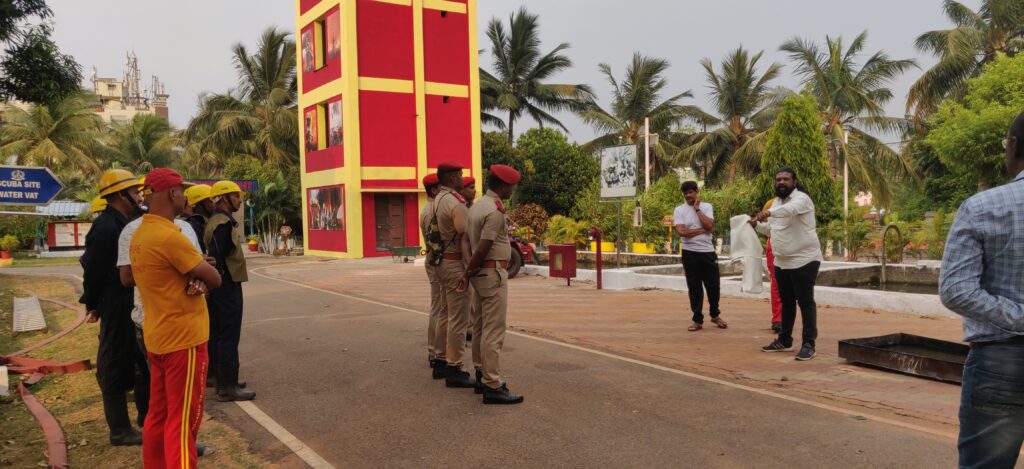
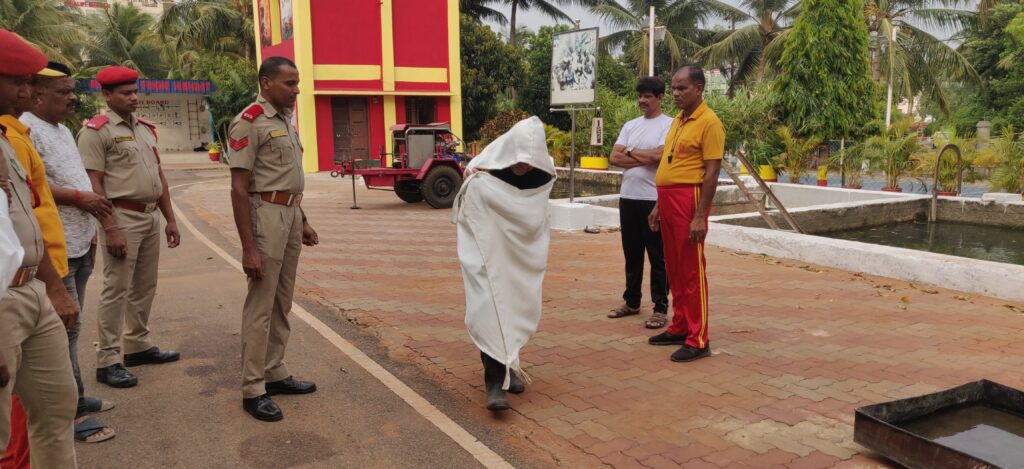
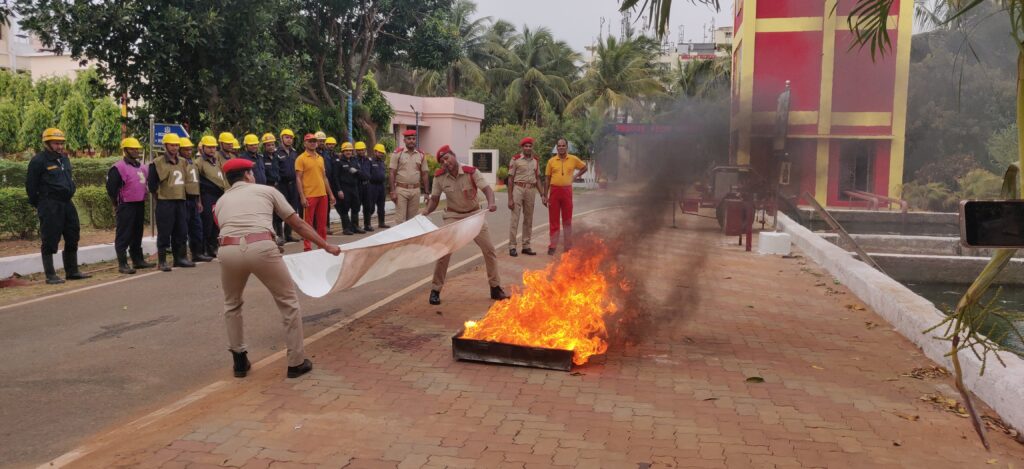
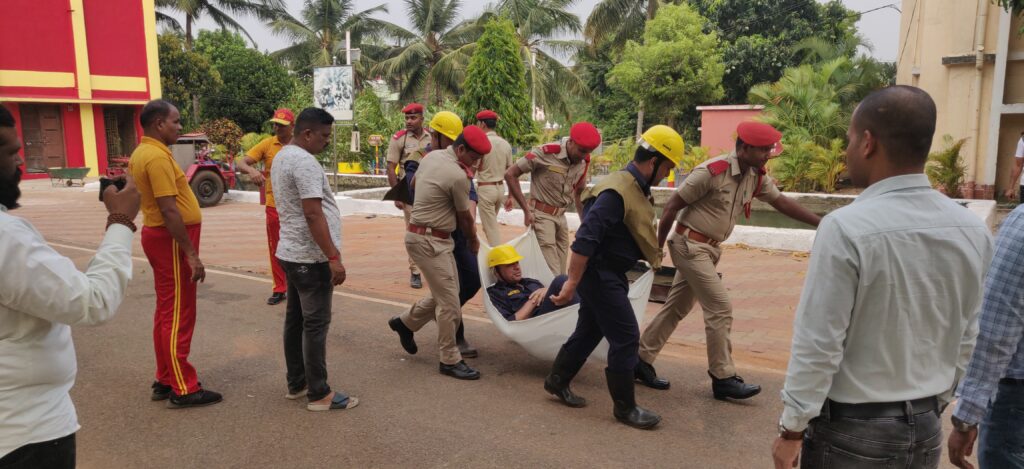
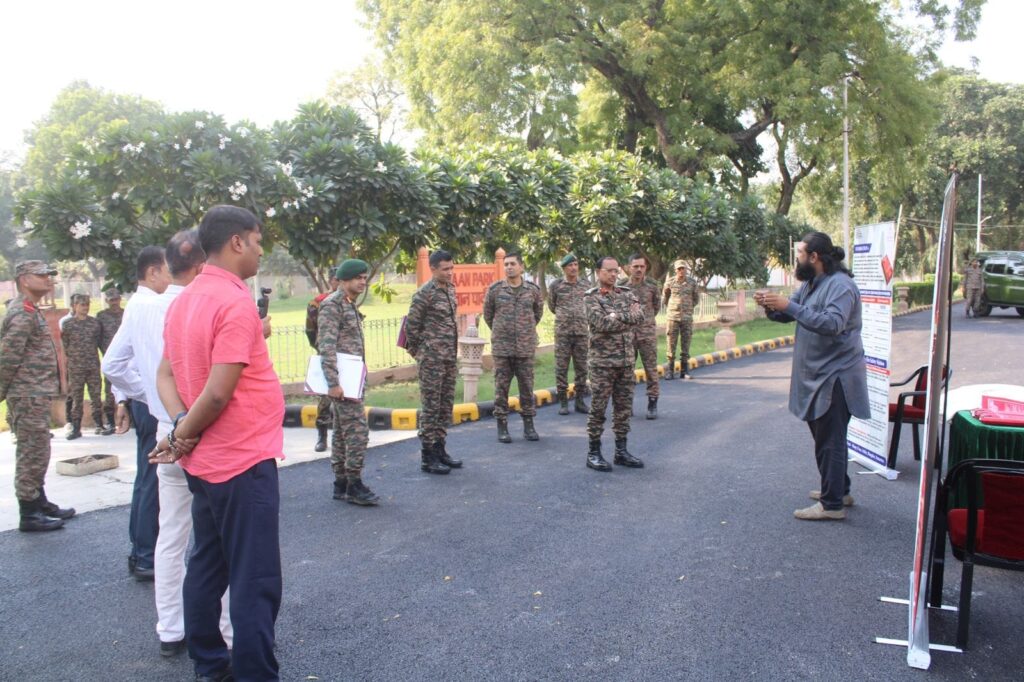
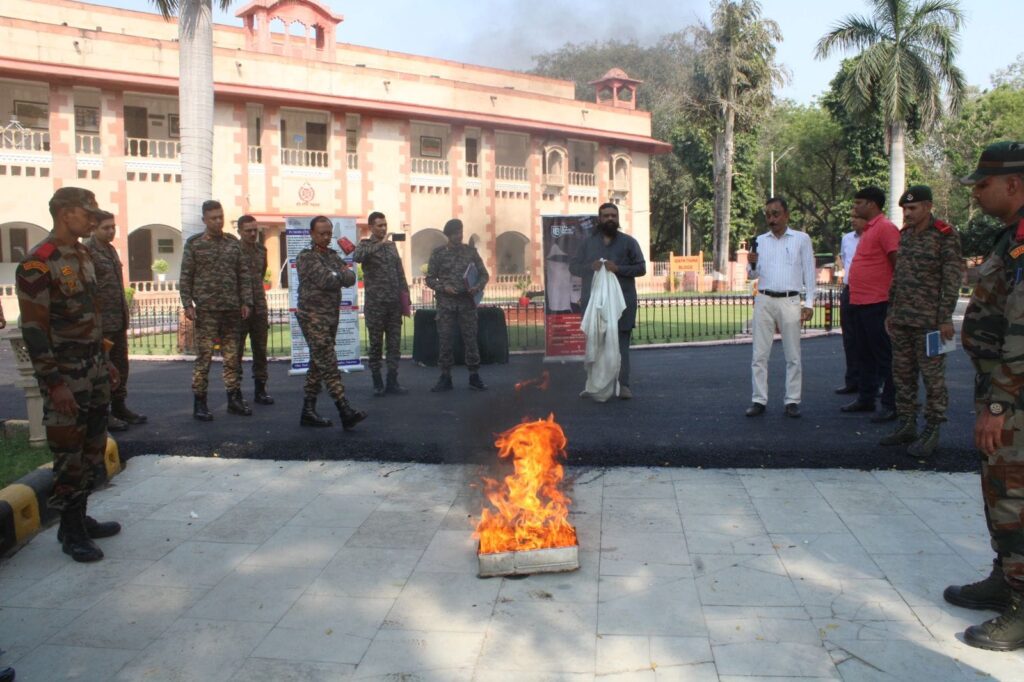
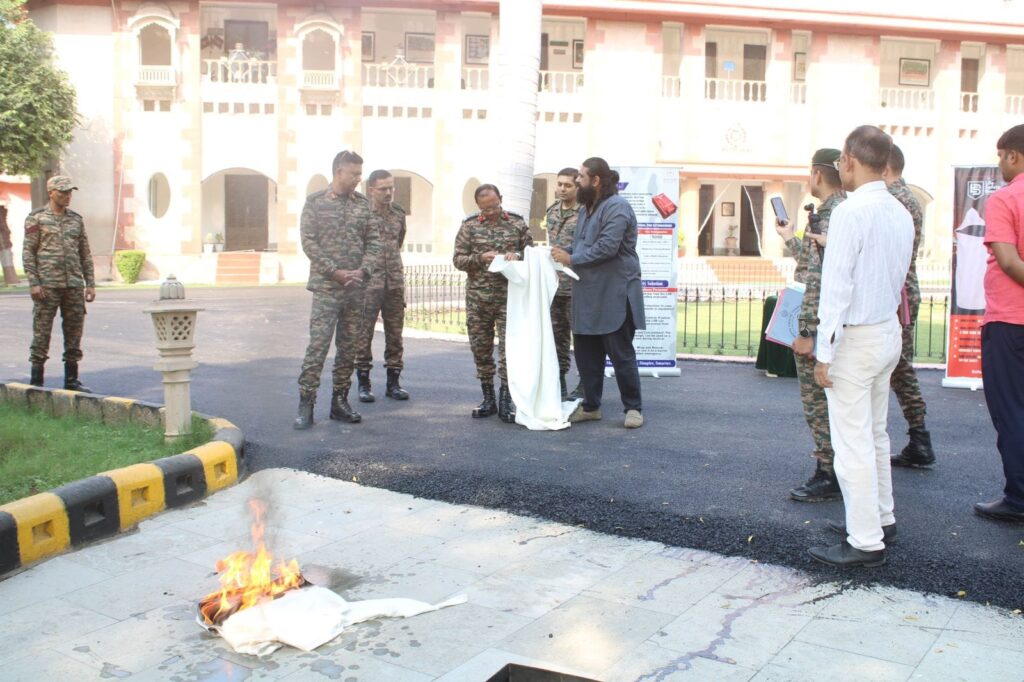
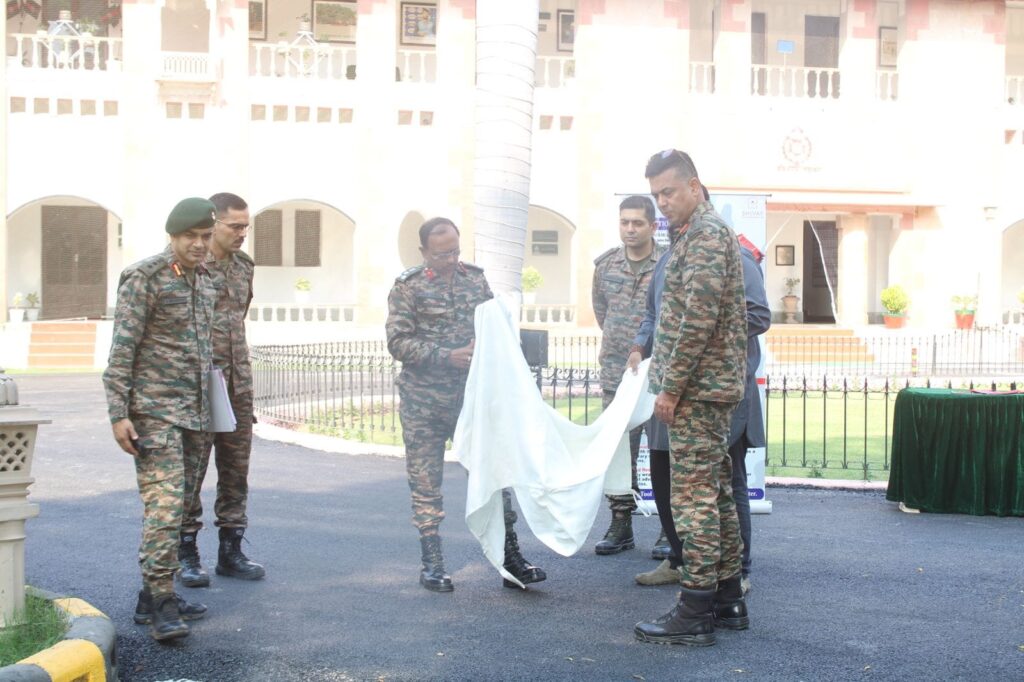
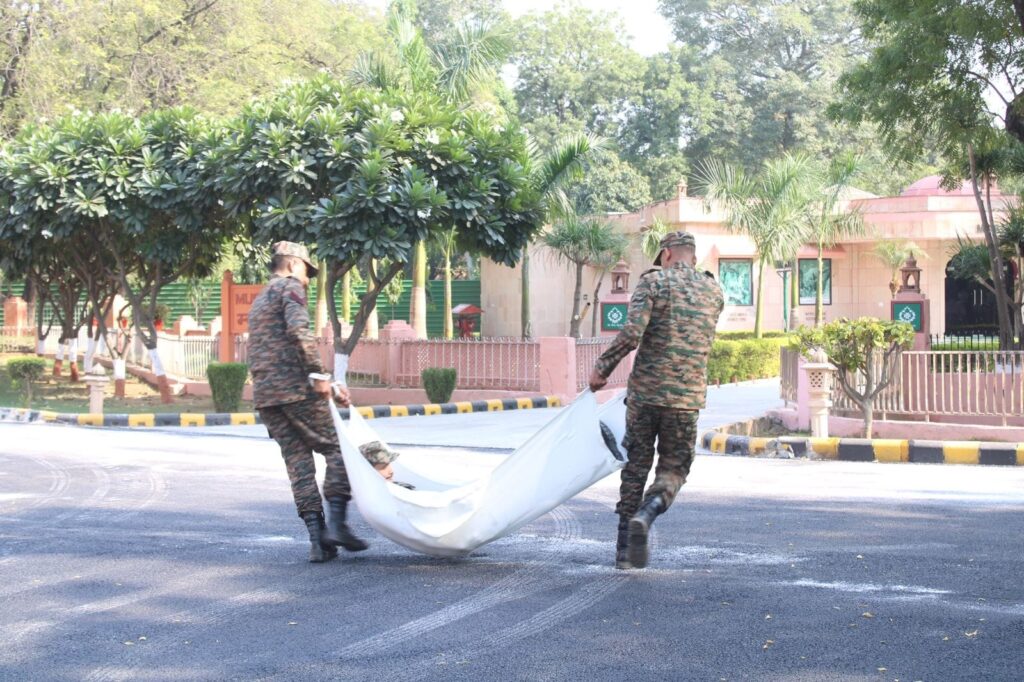
A pan of oil catches fire on the stove, or a dupatta brushes a diya and starts to burn. In moments like these, a fire blanket is often quicker and simpler than an extinguisher. Many homes have no extinguisher at all, and an extinguisher has limits of its own, especially once a fire is big or spreading fast.
The Life Safety Blanket is a fire-resistant blanket that its maker describes as low-cost, easy to use and maintenance-free. Like any fire blanket, its main job is to smother a small fire. The maker also describes it as a heat barrier during hot work, an emergency shelter or stretcher, and a protective cover while escaping. Those further uses are the maker’s description; HowToSurvive.in has not tested them independently. It is sold for homes, offices, hospitals, schools and other public places. Below we explain how and when to use it, and what it can and cannot do.
1. Putting out a small fire
A fire blanket works by cutting off air to a small fire, such as a kadhai of oil on the stove or burning clothing. It works only if it can cover the fire completely. If the fire is bigger than the blanket, or already spreading, get everyone out and call 101 or 112. For a small fire:
- Find where the fire is coming from. For a pan fire, turn off the gas or stove if you can reach the knob safely. For an electrical appliance, switch off the power at the mains first if you can do so safely.
- Pull the blanket out and hold it up with your hands tucked behind it, so it shields your hands and face. Keep your way out behind you.
- Lay the blanket over the fire, placing it away from you, so that it smothers the flames.
- Make sure it covers the whole pan or burning object, so that no air gets in.
- Leave the blanket in place and do not lift it to check. Let the pan or object cool down completely before you move anything.
If someone’s clothes catch fire, they should stop, drop and roll. You can also wrap the blanket around them to smother the flames.
2. As an emergency shelter or stretcher
When getting out is not possible straight away, for example after a building collapse, an earthquake or a chemical spill, the maker says the Life Safety Blanket can be rigged up as a temporary shelter. It also describes using the blanket to carry an injured person, like a stretcher. To set it up as a shelter:
- Find a safe and stable spot.
- Unfold the blanket and tie or weigh it down so it stays in place.
- Take shelter under it, away from the hazard around you.
3. As a heat barrier during hot work
Welders, people doing gas cutting or soldering, and anyone else working with heat-producing tools can use the blanket’s heat resistance to protect nearby material from sparks. To use it as a heat shield:
- Place the blanket between the heat source and any combustible or flammable material.
- Cover the whole object you want to protect, so that sparks and spatter cannot reach it.
4. As a cover while escaping
The maker also describes the blanket as a protective cover while escaping. This use has not been independently tested here. Your first choice is always a clear, smoke-free way out. If smoke or fire blocks it, go back into a room, shut the door, block the gaps with cloth and call 101 or 112. If you do use the blanket while moving to safety:
- Use it only on a route that is not on fire and not full of heat.
- Hold it in front of or around you as a shield while you move.
- Keep moving carefully but quickly, and keep checking that the way ahead is still clear.
What the Life Safety Blanket has going for it
- Several uses. One product the maker describes for fire, hot work, shelter and carrying an injured person.
- Easy to use. It is simple, and a short practice run at home helps anyone use it calmly in a real fire.
- Low cost. Compared with fixed fire suppression systems, the maker describes it as an affordable option for most homes and shops.
- Little upkeep. The maker describes it as maintenance-free, unlike fire extinguishers, which need regular servicing. Still, check now and then that the pack is intact, dry and within easy reach.
- Fire-resistant material. It is made from fire-resistant material designed to withstand flames and heat.
- Extra uses. The maker describes it as an escape cover, shelter and stretcher as well as a fire blanket. These uses have not been independently tested here.
Where to keep it
A fire blanket is one of the simplest safety tools you can keep at home. Keep it where you can grab it in seconds, near the kitchen door rather than inside a cupboard or above the stove, and read the instructions once before you ever need them. It works alongside a smoke alarm, an extinguisher and a family escape plan, not instead of them. If a fire is too big to cover completely, get out and call 101 or 112.
What needs attention
- A fire blanket smothers a small fire by cutting off its air, which suits a pan fire or burning clothing
- It works only on a small fire that the blanket can cover completely
- The Life Safety Blanket is also sold for hot-work protection, as a heat barrier between sparks and combustible material
- The maker also describes uses as a stretcher, shelter and escape aid; these depend on the situation and are not a substitute for a safe exit
- A blanket kept folded away in a cupboard is no help when a pan catches fire
Controls that reduce risk
- Keep the blanket mounted near the kitchen door or the work area, not above the stove
- Read the instructions and show everyone at home or at work how to pull it out
- For hot work, lay it over combustible material near the job before you start
- Check the pack after any use and replace a blanket that is damaged or soiled with oil
- Keep a suitable extinguisher as well, for fires the blanket cannot cover
- Save 101, 112 and 1906 near the blanket
Common unsafe practices
- Throwing the blanket at a fire from a distance instead of laying it over the fire
- Lifting the blanket too soon to check, so the fire flares up again
- Trying to smother a fire that is already bigger than the blanket
- Leaving the gas or power on while tackling the fire
- Treating the blanket as a reason not to call the fire brigade or leave
- Storing it where nobody can find it in a hurry

Leave a comment