
Quick answers
How can I tell if someone is drowning?
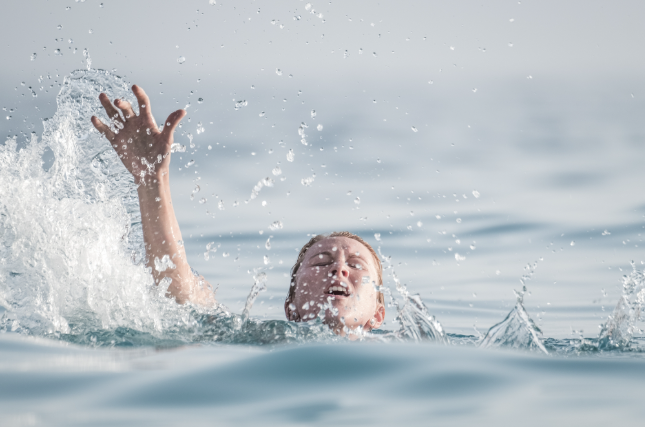
Usually there is no shouting or waving. The head is tilted back with the mouth at water level, the eyes look glassy, and the body stays upright with little splashing.
How do I rescue a drowning person safely?
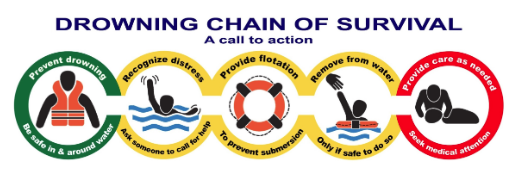
Shout for help and get someone to call 112 or 108. Lie flat on the bank and reach out with a stick, rope or dupatta, or throw something that floats. Use a boat only if it is stable and you can handle it. Do not jump in without training and a float.
What first aid should be given after a drowning rescue?
Check whether they respond and are breathing normally. If not, start CPR at once; trained rescuers give five rescue breaths first. If they are breathing but not awake, turn them on their side, keep them warm and watch their breathing.
What should I do if I am caught in a water current?
Do not fight it. Float on your back with your feet pointing downstream and work your way at an angle towards the bank. If a boat capsizes, stay with it and hold on, because rescuers can spot a boat more easily than a head in the water.
Drowning does not look like the films. There is usually no shouting and no wild splashing. A child slips into a farm pond, a young man gets caught in the river current at a picnic spot, and it is over quickly and quietly, often a few metres from people who did not notice.
In 2024, drowning killed 40,044 people in India in 39,223 cases, according to the National Crime Records Bureau (NCRB, Accidental Deaths & Suicides in India 2024). Of those, 31,210 died after accidentally falling into a water body, and 105 in boat capsizes. Drowning caused 8.7% of all deaths from accidents due to “other causes” that year. Worldwide, the World Health Organization puts drowning deaths at around 3,00,000 a year, and children and young people are most at risk.
Where it happens in India
- Floods and heavy rain, when roads and fields turn into fast-moving water.
- Open wells, water tanks, ponds, canals and rivers without a wall or cover.
- Boats that are overloaded or carry no life jackets.
- Small children left near a bucket, tank or pond even for a minute.
- Drinking alcohol before swimming or boating.
- Untrained people jumping in to rescue someone and drowning themselves.
How to spot someone drowning
- They cannot wave or call for help. All their effort goes into breathing.
- The head is tilted back with the mouth at water level.
- The eyes look glassy or cannot focus.
- The body is upright in the water, with little or no splashing.
If you see this, act at once.
Rescue without becoming a second victim
1. Shout for help
- Get other people’s attention. Rescue is easier with more hands.
- Ask someone to call 112 or 108 straight away.
2. Reach, throw, but don’t go in
- Reach: lie flat on the bank and hold out a stick, a dupatta, a towel or a rope.
- Throw: throw something that floats, such as an empty plastic can or bottle, a tyre tube or a life ring.
- Row: use a boat only if it is stable and you know how to handle it.
- Don’t go: jumping in without training and a float often means two drownings instead of one.
3. Get them out
- Once they are close to the edge, hold them under the armpits and keep their face out of the water.
- Lay them on their back on firm ground.
First aid after the rescue
Check response and breathing
- Tap their shoulders and call out to them.
- If there is no response, open the airway and check breathing for up to 10 seconds.
If they are not breathing normally, start CPR
- Make sure someone has called 112 or 108.
- For a drowned person, breaths matter. If you are trained, open the airway and give five rescue breaths first, then 30 chest compressions and 2 breaths, and repeat (this is the St John Ambulance drowning guidance).
- If you are not trained or cannot give breaths, push hard and fast in the centre of the chest and do not stop.
- Keep going until help takes over or the person starts breathing normally. Use an AED if one arrives.
If they are breathing but not awake
- Turn them on their side in the recovery position so water or vomit can drain from the mouth.
- Many people who have drowned vomit. Be ready to roll them onto their side and clear the mouth.
- Take off wet clothes if you can and cover them with something dry and warm.
What not to do
- Do not press the stomach or hang the person upside down to “get the water out”. It wastes time and can cause vomiting into the lungs.
- Do not try to give breaths while you are still in the water.
Anyone pulled out of the water after struggling or going under should see a doctor, even if they seem fine.
If you are in trouble in the water
| Situation | What to do |
|---|---|
| Caught in a river current | Do not fight it. Float on your back with your feet pointing downstream and work your way at an angle towards the bank. |
| Pulled out to sea by a current | Do not swim against it. Swim parallel to the shore until you are out of the pull, then head in. If you cannot, float and wave for help. |
| Boat has capsized | Stay with the boat and hold on. It floats, and rescuers can see it more easily than a head in the water. |
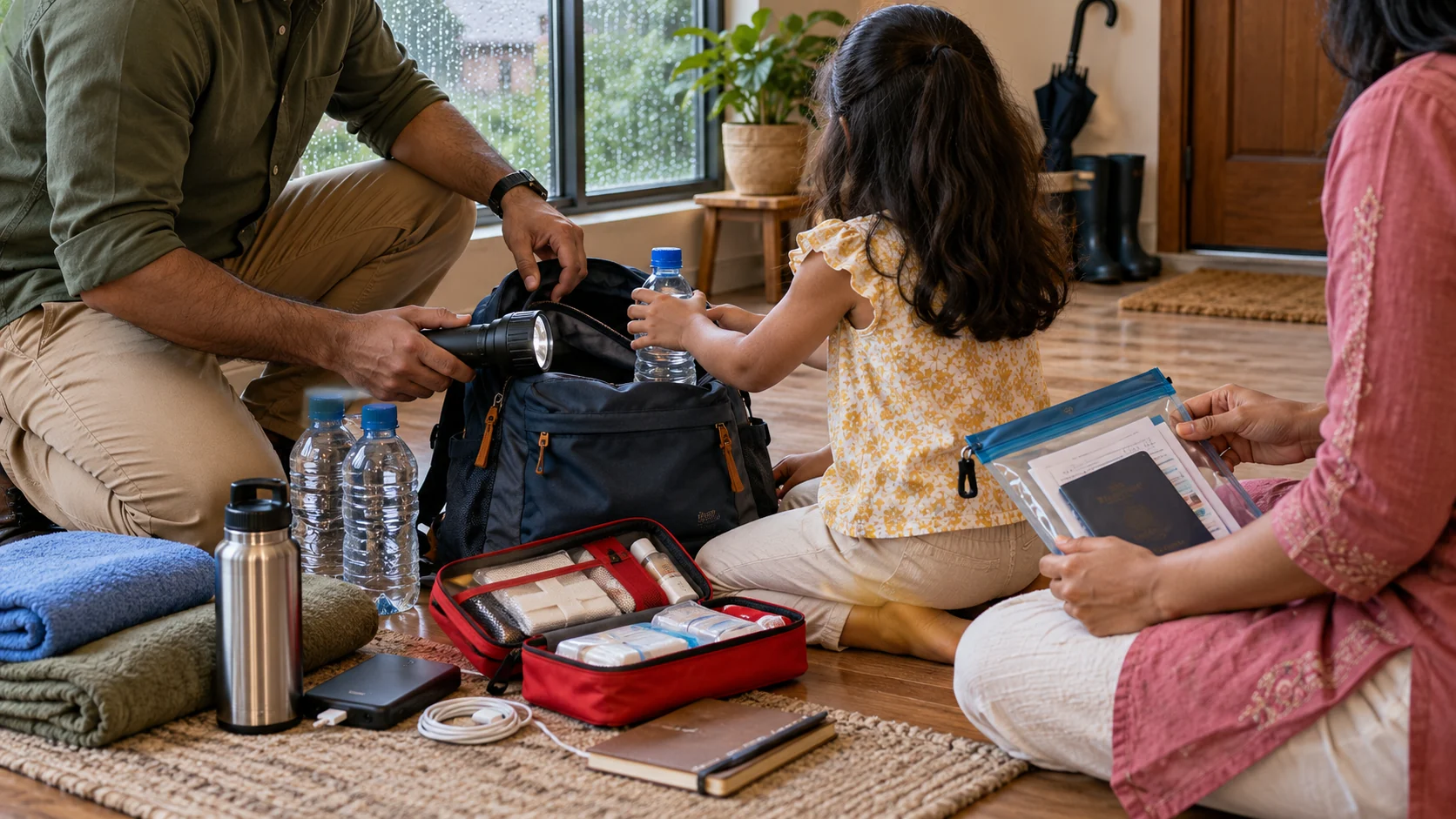
| Flood water entering the house | Move to a higher floor, switch off the mains if it is safe, and take ID, medicines and your phone. |
| Cramp in the water | Float on your back, stretch the leg and call for help. |
| A child is missing near water | Check the tank, pond, well or bucket first, not last. |
Mistakes that cost lives
- Jumping in without a float or rescue training.
- Swimming hard against a current until you are exhausted.
- Getting within grabbing distance of a panicking person, who can pull you under.
- Trying to give rescue breaths in the water.
- Thinking shallow water is safe. Small children can drown in a bucket or a few inches of water.
Prevention is the real lifesaver
- Cover or wall off open wells, tanks and pits, and keep water drums and buckets covered.
- Never leave small children alone near water, not even for a minute.
- No alcohol before swimming or boating.
- Get children taught basic swimming and floating by a trained instructor.
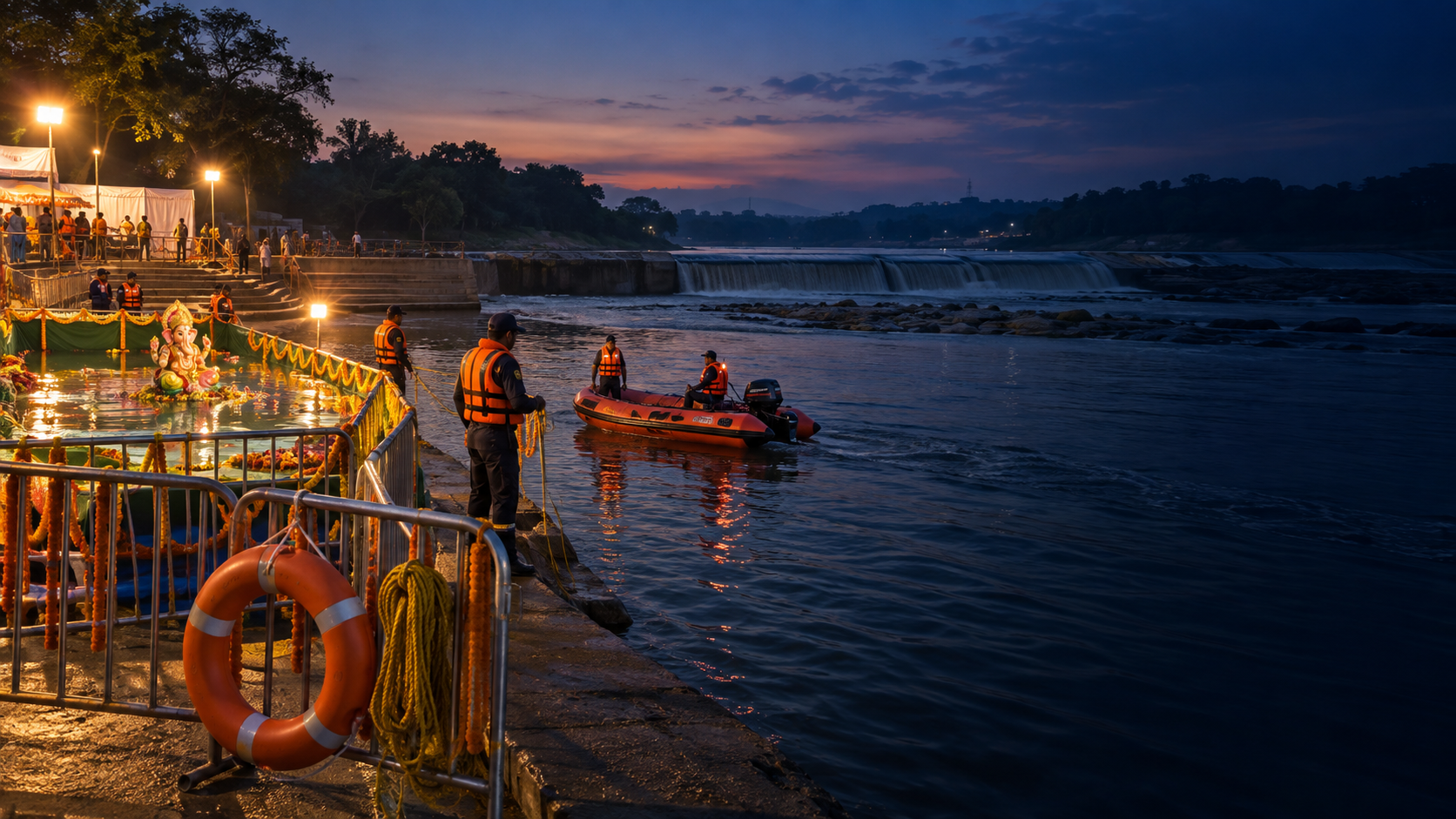
- Keep a rope, an empty plastic can or a tyre tube near village ponds and ghats.
- Wear a life jacket on any boat or ferry, and do not board an overloaded boat.
- Do not walk, cycle or drive through moving flood water.
What needs to change
- Swimming and water-safety lessons in schools.
- Walls, covers and warning boards at wells, ghats and dangerous river bends.
- Life jackets enforced on every boat and ferry.
- Trained local volunteers for water rescue in flood-prone districts.
- Water-safety messages before every monsoon.
Do this today
Walk around your home and the area where your children play. Look for an uncovered tank, an open well or a bucket of water a toddler could reach, and cover it today. Teach older children the rule: reach or throw, don’t go.
What needs attention
- Drowning is quick and quiet; the person usually cannot shout or wave
- Most drowning deaths in India in 2024 followed an accidental fall into a water body
- Untrained rescuers who jump in often drown too
- Breaths matter in drowning CPR, but compressions alone are better than nothing
- Children are most at risk; open wells, tanks and buckets need covers
- Fighting a current exhausts even good swimmers
Controls that reduce risk
- Cover or wall off open wells, tanks and pits near your home
- Keep water drums and buckets covered where toddlers play
- Get children taught swimming and floating by a trained instructor
- Keep a rope and a floating can near ponds and ghats you use
- Learn CPR, including rescue breaths
- Always wear a life jacket on boats and ferries
Common unsafe practices
- Jumping in without a float or training
- Leaving small children near water even for a minute
- Pressing the stomach or hanging the person upside down to drain water
- Trying to give rescue breaths in the water
- Swimming straight against a current
- Boarding an overloaded boat without a life jacket
- Walking or driving through moving flood water

Leave a comment