
India has no official, published state-wise ranking of police emergency response times.
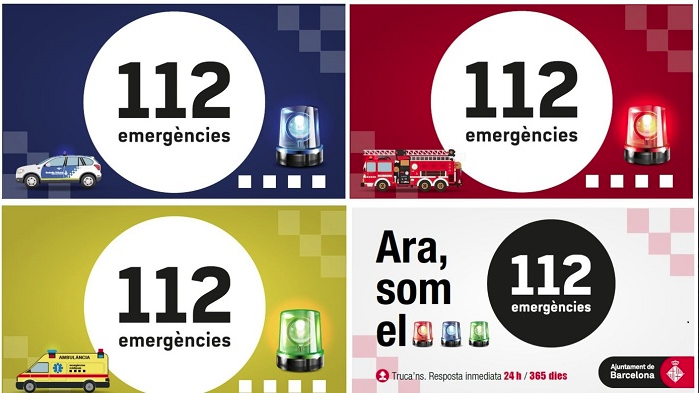
What does exist is the Emergency Response Support System (ERSS). Under it, the single number 112 connects callers to police, fire and medical help, and state and UT emergency response centres dispatch the field resources by computer.
(Source: Ministry of Home Affairs written reply in the Lok Sabha, as reported by The Sentinel, 5 February 2020.)
In a road accident, a fight on the street, a case of domestic violence or a fire, the police are often the first to arrive. The minutes before they reach can decide whether someone lives, whether evidence survives and whether a frightened family feels protected. Yet as citizens we have almost no official data on how long that wait actually is.
State-wise police response times: what is published
We could not find any official state-wise table of police response times from BPR&D, NDMA or the Ministry of Home Affairs, so no ranking is shown here. BPR&D’s annual Data on Police Organizations covers police strength and resources, not response times.
Some state police forces publicise their own ERSS-112 figures. For example, Himachal Pradesh Police reported an average ERSS-112 event response time of 4 minutes 4 seconds over 30 days (PTI, 1 October 2026). But the national table behind such claims and the way it is measured are not published, so figures from different states should not be compared.
Model to watch: integrated 112 control rooms
- The system: state and UT emergency response centres answer 112 and send police, fire and medical help.
- How it works: computer-aided dispatch sends the nearest available vehicle.
- Evidence: we found no independently audited before-and-after response-time figures for Hyderabad or other cities, so any claimed improvement should be treated as unverified.
- Lesson: technology helps only when there are enough vehicles, trained staff and accurate caller locations behind it.
What slows help down
- Too few patrol vehicles and staff in many police stations.
- Vacancies. BPR&D’s annual Data on Police Organizations publishes police strength for each state, so you can check your state’s figures there.
- Manual call handling where computer-aided dispatch is not fully used.
- Traffic and hard-to-find addresses, especially in unplanned colonies and villages.
- Late or unclear calls from the public, without an exact location.
One number, uneven integration
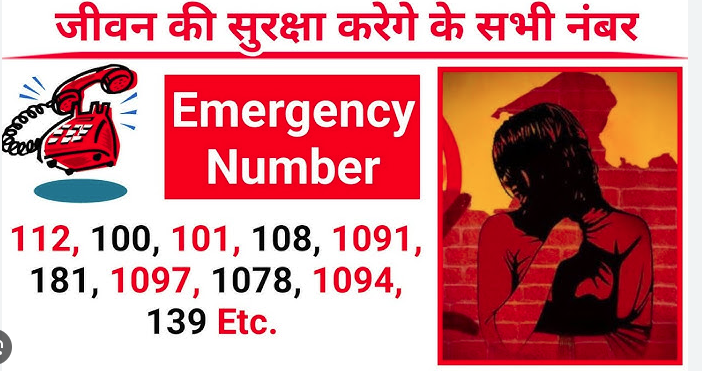
India has long had separate emergency numbers:
- 100 (police)
- 101 (fire)
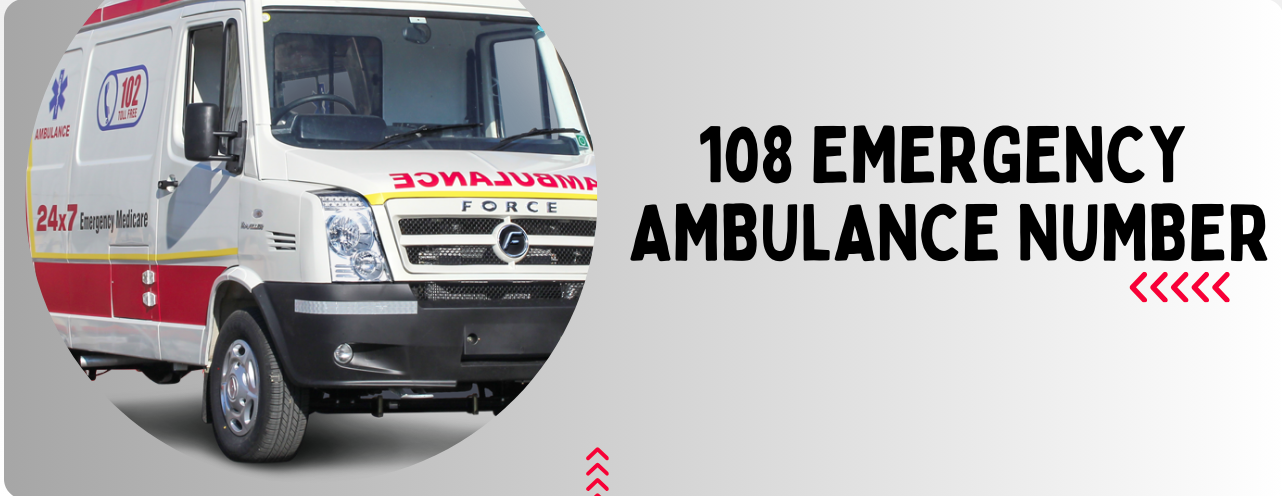
- 108 (ambulance)
Most states have now adopted 112 as the single emergency number, but how fully police, fire and ambulance services are joined up behind it depends on each state or UT. If 112 does not get through, the older numbers still work in most places.
What is already working
- Women’s safety teams, such as SHE Teams in Telangana, focus on harassment complaints.
- Panic buttons in public transport vehicles and on mobile phones are linked to control rooms.
- The 112 India app lets you send an SOS with your location.
- Several states now track 112 vehicles by GPS from their control rooms.
Reforms needed
- A published national standard for emergency response times, with separate targets for cities and rural areas.
- Regular public reporting of 112 response times by every state, using the same method, so citizens can compare.
- GPS tracking of every patrol vehicle, linked to the 112 control room.
- Filling police vacancies and adding vehicles where response is slowest.
- Public awareness of 112, the 112 India app and phone SOS features.
How to help the police reach you faster
- Save 112 on every phone in the family, including your parents’.
- Install the 112 India app and check your phone’s emergency SOS setting. On many phones, pressing the power button quickly several times sends an SOS; check how yours works before you need it.
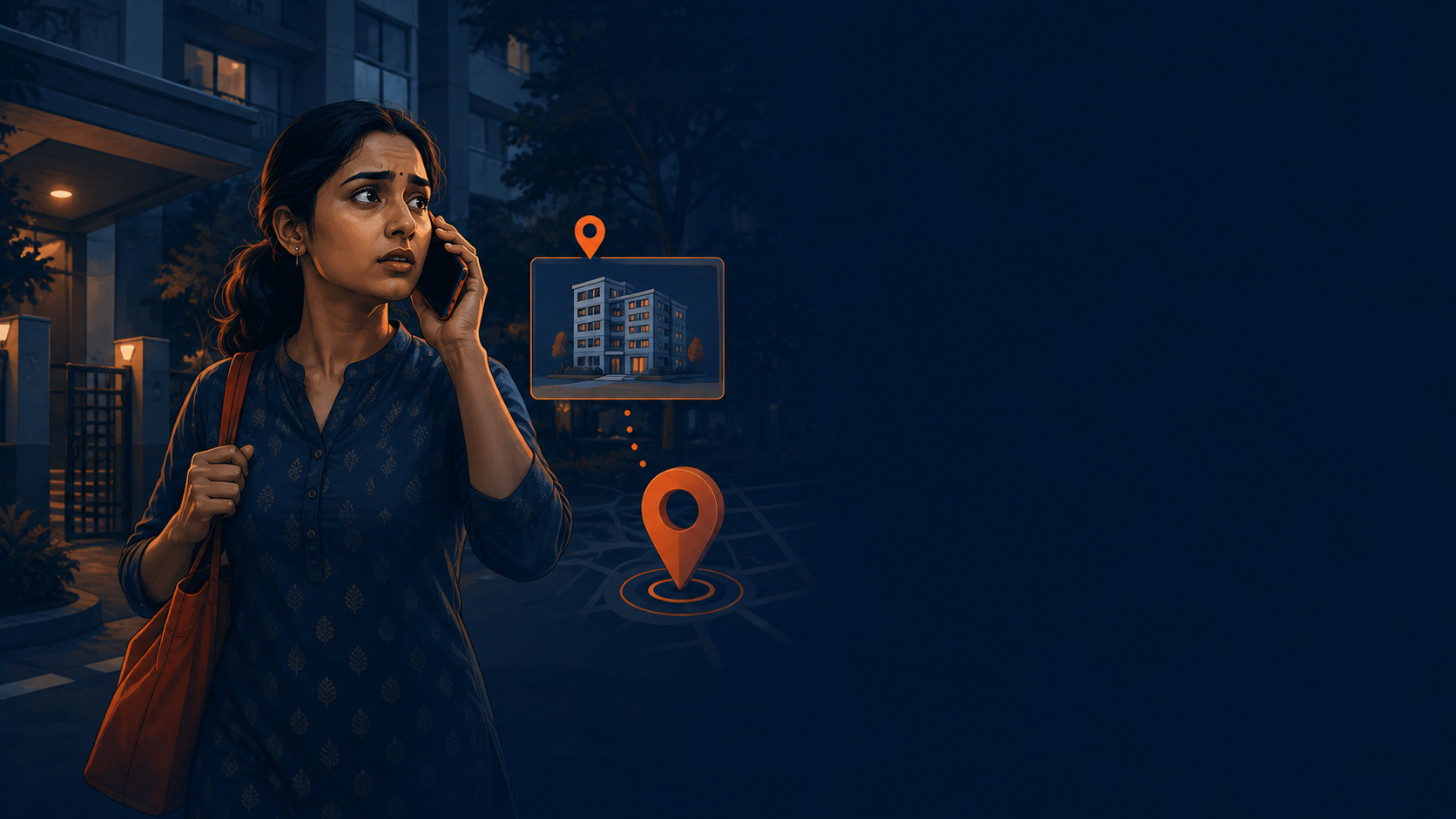
- When you call, give the exact location first: building name, lane, a well-known landmark and the nearest main road.
- Say clearly what has happened, how many people are hurt and whether anyone is still in danger.
- Stay on the line and keep your phone free afterwards, so the control room or the vehicle can call you back.
- If you can, send someone to the main road to guide the police vehicle or ambulance in.
Until India publishes honest response-time data, the surest way to cut the wait is a clear, quick call from you. Take two minutes tonight to save 112 on your parents’ phones.
References
- Ministry of Home Affairs, written reply on ERSS-112 in the Lok Sabha (reported by The Sentinel, 5 February 2020)
- Bureau of Police Research & Development, Data on Police Organizations (annual; 2024 edition)
- PTI via ThePrint, 1 October 2026, Himachal Pradesh Police ERSS-112 response-time claim (state-reported)
What needs attention
- No official state-wise table of police response times is published in India
- States report their own 112 figures using methods that are not published
- 112 connects police, fire and medical help, but integration is uneven between states
- Too few vehicles and staff, vacancies, traffic and unclear locations all slow help down
- Claimed improvements from control rooms have not been independently audited
Controls that reduce risk
- Push for a published national response-time standard
- Ask your state to report 112 response times regularly using a clear method
- Support filling police vacancies where response is slowest
- Install the 112 India app and set up phone SOS
- Teach family members how to describe their location
Common unsafe practices
- Not having 112 saved on every family phone
- Calling without giving an exact location and landmark
- Hanging up early or keeping the line busy after calling
- Not knowing how your phone's emergency SOS works
- Comparing state response-time claims as if they were measured the same way
Leave a comment