
Quick answers
Why do minor road crashes in India often turn fatal?
Reasons include no helmet or seatbelt, weak vehicle safety, bad road design, delayed ambulances, overloaded vehicles, wrong handling of victims, and bystanders afraid to help.
What should I do if I witness a road crash?
Check breathing and bleeding, do not move the victim unless there is ongoing danger, and call 108 for an ambulance or 112 for emergency help.
Will I get into trouble for helping a road accident victim?
The Good Samaritan Law protects people who help accident victims, so fear of police harassment should not stop you from helping.
How can I protect myself in a crash?
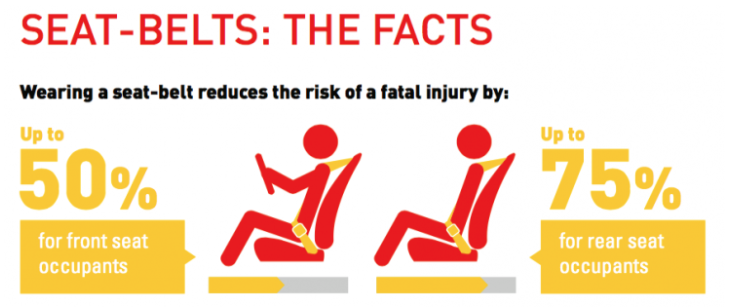
Always wear a helmet or seatbelt even for short rides, keep your car maintained with working airbags, and learn CPR and bleeding control.
In India, a road crash is far more likely to kill someone than it should be. In 2024 the country recorded 4,87,707 road crashes and 1,77,175 deaths (MoRTH). That is about 36 deaths for every 100 crashes, the “severity” measure MoRTH uses. It was 36 in 2023 as well.
Often the crash itself is not what kills. What happens in the seconds before and the hour after decides whether the person lives.
Same crash, different ending
Picture a car hitting a divider at moderate speed. In a well-run system, the airbags open, everyone is belted in, a call goes out at once, an ambulance comes quickly and a trauma team is waiting.
Now picture the same crash on many Indian roads:
- Nobody in the back seat is wearing a belt.
- The car rolls because there is no proper barrier or the shoulder drops away.
- A crowd gathers, but nobody calls for help or knows what to do.
- The ambulance takes a long time to arrive through traffic.
- The injured person is lifted roughly into an auto, and the nearest hospital is not equipped for trauma.
The impact was the same. The difference was the protection, the road and the response.
Why so many crashes turn fatal
- No helmet, no seat belt. In 2023, 54,568 people killed were not wearing a helmet and 16,025 were not wearing a seat belt (MoRTH). Children often ride on two-wheelers with no helmet and sit unbelted in cars.
- Vehicle safety. Several popular models have scored poorly in crash tests in the past. Weak body structures and few airbags mean worse injuries in the same crash.
- Road design. Unlit highways, potholes, sharp curves and missing crash barriers turn small mistakes into rollovers and head-on crashes.
- Slow emergency response. Late ambulances and untrained bystanders waste the golden hour.
- Overloading. Trucks, buses, jeeps and autos carrying far more people than they should, often with nobody belted in.
- Wrong handling after the crash. Moving a victim carelessly can worsen a spinal injury, and many small hospitals are not ready for trauma.
- Fear of getting involved. People hold back because they fear the police or the hospital paperwork, even though the Good Samaritan rules protect them.
The numbers at a glance
- 1,77,175 deaths in 2024 from 4,87,707 reported crashes.
- About 36 deaths per 100 crashes in both 2023 and 2024.
- 54,568 killed without a helmet and 16,025 without a seat belt in 2023.
What you can do
- Wear a helmet or seat belt on every ride, however short. Fasten the helmet strap. Put children in proper restraints.
- Keep your vehicle in good shape: brakes, tyres, lights, and airbags without warning lights.
- When you buy a vehicle, look at its crash-test rating, not only mileage and price.
- Learn CPR and how to stop bleeding. This is often the real difference between life and death.
If you see a crash
- Make sure you are safe first: park well away, switch on hazard lights and watch the traffic.
- Call 108 (ambulance) or 112 (emergency) with the exact location.
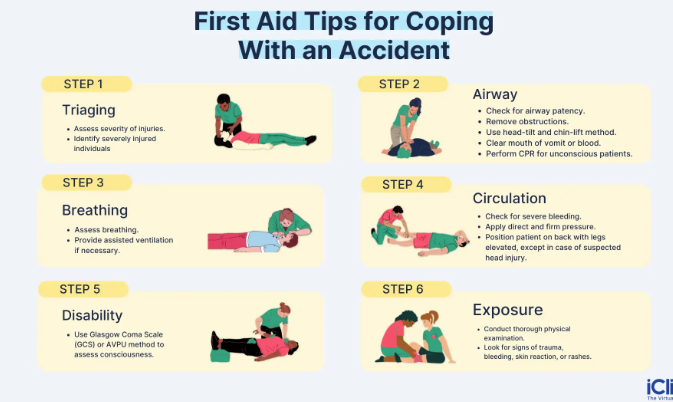
- Check whether the person is breathing and whether there is heavy bleeding. Press firmly on bleeding with a clean cloth.
- Do not move the person unless there is fire or another immediate danger.
- Do not be afraid to help. Under the Good Samaritan rules, you cannot be forced to give your name or pay the hospital, and you will not be harassed for helping.
What needs to change
- Stronger vehicle safety norms, with crash-test ratings for all new vehicles and more airbags as standard.
- Better road engineering: lighting, crash barriers and proper medians.
- A fast, tracked emergency response network on every highway.
- First-aid and CPR training as part of getting a driving licence.
- Trauma care centres within reach along every major highway.
A small crash should not take a life. Before your next trip, make sure everyone in the car, front and back, has a seat belt on, and save 108 and 112 on your phone.
What needs attention
- India loses about 36 lives for every 100 road crashes, a figure that did not improve from 2023 to 2024
- Not wearing a helmet or seat belt turns survivable crashes into fatal ones
- Weak vehicle structures and few airbags raise the injury toll
- Poor road design turns small errors into rollovers and head-on crashes
- Delayed and untrained help wastes the golden hour
- Fear of the police keeps many bystanders from helping
Controls that reduce risk
- Belt up every passenger, front and back, on every trip
- Use child restraints for young children in cars
- Check the crash-test rating before buying a vehicle
- Service brakes, tyres and lights on time
- Learn CPR and bleeding control
- Know your rights as a Good Samaritan and share them with family
Common unsafe practices
- Leaving rear-seat passengers and children unbelted
- Wearing a helmet without fastening the strap
- Choosing a vehicle on price and mileage alone, ignoring crash ratings
- Overloading jeeps, autos and two-wheelers
- Lifting a crash victim roughly into a vehicle
- Standing and watching instead of calling 108 or 112

Leave a comment