
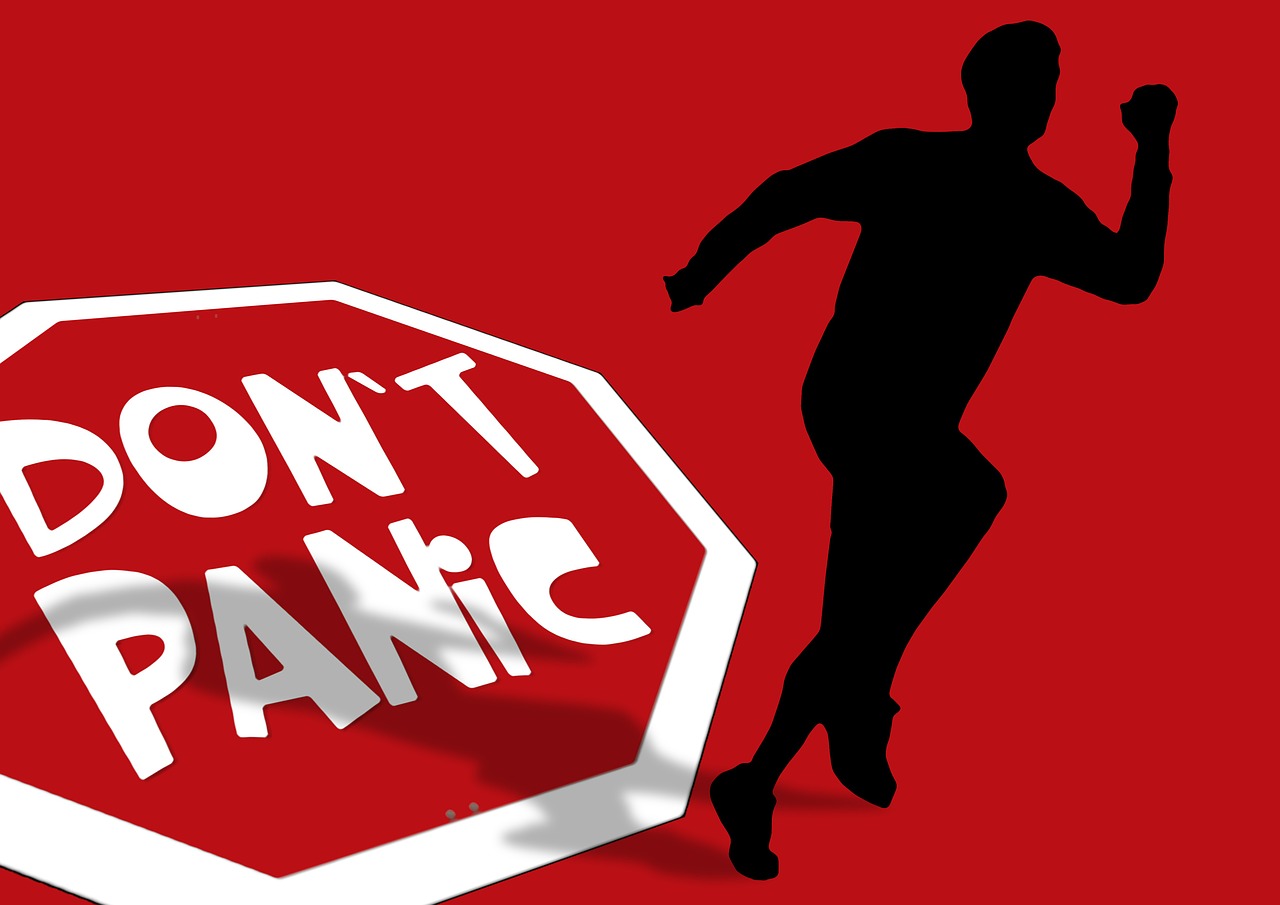
After almost every big building fire in India, the news carries the same terrible detail: some people jumped. It is easy to say they panicked. The truth is harder. In most cases they were trapped by heat and smoke, and the window looked like the only place left with air.
It is not cowardice or “losing your head”
When a room fills with hot smoke, breathing hurts, your eyes stream and it gets very hard to think. The body’s survival instinct takes over and pushes you towards anything that looks like a way out. For someone standing at a window with fire behind them, jumping is a last attempt to get away from the heat and take a breath. People do not jump because they want to die. They jump because they cannot breathe where they are.
What the data can and cannot show
We could not find any official Indian dataset that separates deaths from jumping or falling during a fire from other fire deaths. NCRB’s annual Accidental Deaths & Suicides in India report records fire-accident deaths as a whole. So treat any claim about what share of fire victims die after jumping as unverified, unless it comes from the investigation of a specific fire.
What smoke and heat do to the body
- Carbon monoxide in smoke causes dizziness, weakness and confusion. The longer you breathe it, the harder a clear decision becomes.
- Heat and too little oxygen set off the body’s stress response. The heart races and breathing speeds up, which pulls in even more smoke.
- Fear narrows your thinking. The fight-or-flight response takes over from slow, careful reasoning, so a person fixes on one way out and stops looking for others.
- In the end, the window starts to look like the only exit, even from a height that can kill.
Surat, 2019: the Takshashila fire
- 22 students died. Most were killed by fire and smoke. Three students died after jumping from the terrace, and several others jumped to escape.
- The only way up to the top floor was a wooden staircase, and the fire burnt it away. The building had no fire safety equipment.
Fear did not kill these students. A building with one wooden stair and nothing to fight a fire did.
Delhi, 2022: the Mundka fire
- Police said at least 27 people were killed. Some people jumped through windows and others climbed down on ropes.
- Smoke spread through the whole building and cut off the way out for people on the upper floors.
People jump when the building leaves them no other way out.
What stops people from ever reaching the window
- Escape routes that stay free of smoke, with clear signs on every staircase.
- Ventilated refuge areas in tall buildings, where NBC 2016 Part 4 (Fire and Life Safety) and the local rules adopted from it require them.
- Regular drills that teach people to stay low under smoke and find the exits.
- Balcony grills and windows that open in an emergency, not ones sealed shut.
- Fire-awareness drives in the community, so people know what to do and panic less.
If you are ever trapped
- If smoke blocks the stairs, go back into a room and shut the door. Seal the gap under it with a wet cloth.
- Call 101 or 112 and tell them your floor and room number.
- Stay low near a window and wave a cloth or your phone torch so firefighters can see you.
- Keep the door shut and wait. Fire brigade ladders and hydraulic platforms can reach you if they know where you are. From a high floor, a closed room with a window is far safer than jumping.
The real lesson
Every jumping death in a fire is a failure of the building and the system, not of the person at the window. If people have time, air and a way out, they will not choose the window. We cannot take away fear, but preparation can stop it from turning deadly.
What you can do this week
- Ask your building committee which staircase stays free of smoke in a fire, and whether its fire doors close properly.
- Push for evacuation drills and working signs on every stair.
- Learn to stay low under smoke and to close doors behind you as you leave. A shut door buys you air and time.
Next time you read that people jumped from a burning building, ask the real question: why was there no second way out? HowToSurvive.in is here to help you ask it before the fire, not after.
References
- BIS, National Building Code of India 2016, Part 4: Fire and Life Safety
- NCRB, Accidental Deaths and Suicides in India (annual)
- US CDC, Carbon Monoxide Poisoning Basics
- News reports on the 2019 Surat Takshashila fire and the 2022 Mundka fire
What needs attention
- People who jump are usually trapped by heat and smoke with no exit left, not acting on panic
- Carbon monoxide in smoke causes dizziness and confusion, so clear decisions get harder by the minute
- At Takshashila, Surat, the only stair to the top floor was wooden and burnt away; three students died after jumping
- At Mundka, Delhi, smoke filled the whole building and some people jumped from windows
- India has no official count of deaths from jumping or falling during fires
Controls that reduce risk
- Keep at least two clear escape routes from every floor where people work, study or sleep
- Keep staircase fire doors shut and stairwells free of storage
- Fit grills and windows with a section that opens from inside, and keep the key nearby
- Keep refuge areas open in tall buildings, as NBC 2016 Part 4 and local rules require
- Hold evacuation drills that include moving low under smoke
Common unsafe practices
- Calling it panic instead of asking why there was no second way out
- Locking terrace doors or fitting window grills that cannot be opened from inside
- Using stairwells for storage, or leaving one wooden stair as the only route
- Opening a door into a smoke-filled corridor without feeling it for heat first
- Never practising how to stay low and find the exit in smoke

Leave a comment