

Quick answers
Are most accidents in India really preventable?
Many are. Most have known causes such as speeding, no helmet or seat belt, illegal storage and blocked exits, and these can be tackled through enforcement, awareness and preparation. There is no official figure for exactly what share could be prevented.
What does preventing accidents mean in daily life?
Slow down, wear a helmet and seat belt, check exits, test alarms and extinguishers, and report safety violations instead of treating a tragedy as destiny.
What should I do first at an accident or emergency?
Raise the alarm, move away from traffic, fire, smoke or live wires, and call 112 from a safe place with the full address and what has happened. Help others only as far as you safely can.
Why do people still say accidents happen?
A habit of fatalism, weak enforcement of safety rules, poor awareness of what to do, audits passed on paper, and bystanders who watch instead of helping.
“Accidents happen. What can anyone do?” You hear it after every road crash, every fire and every electric shock. It sounds like acceptance, but it lets the real causes off the hook. When we treat a death as destiny, nobody asks why it happened, and the same thing happens again next month.
What WHO says
The World Health Organization says plainly that road traffic injuries can be prevented, through safer speeds, no drink-driving, helmets, seat belts, safer roads and vehicles, and good care after a crash. The same thinking applies to many fires, falls and electric shocks. They are not acts of God. Most have causes we can see and fix.
The numbers: latest official figures
| Category | Latest official figure | Year | Source |
|---|---|---|---|
| Road accidents | 4,80,583 accidents; 1,72,890 deaths | 2023 | MoRTH |
| Over-speeding | 68.1% of road deaths | 2023 | MoRTH |
| No helmet | 54,568 deaths | 2023 | MoRTH |
| No seat belt | 16,025 deaths | 2023 | MoRTH |
| Fire accidents | 5,971 cases; 5,888 deaths | 2024 | NCRB |
| Electrocution | 15,861 deaths | 2024 | NCRB |
| Falls | 26,437 deaths | 2024 | NCRB |
(Sources: MoRTH, Road Accidents in India 2023, as reported by PTI; NCRB, Accidental Deaths & Suicides in India 2024. There is no official “% preventable” figure for these categories, so none is shown.)
Behind almost every one of these deaths is something that was not done: a helmet not worn, a speed not cut, an exit left locked, a wire left bare.
Why we still say “accidents happen”
- Fatalism. We are brought up to accept destiny instead of asking who was responsible.
- Weak enforcement. Safety rules exist, but they are not enforced.
- Poor awareness. Many people simply do not know what to do in an emergency.
- Audits on paper. Safety audits are sometimes passed without anyone inspecting the site.
- Bystanders who watch. People film a crash instead of helping or calling for help.
Rajkot, 2024: a fire that did not have to happen
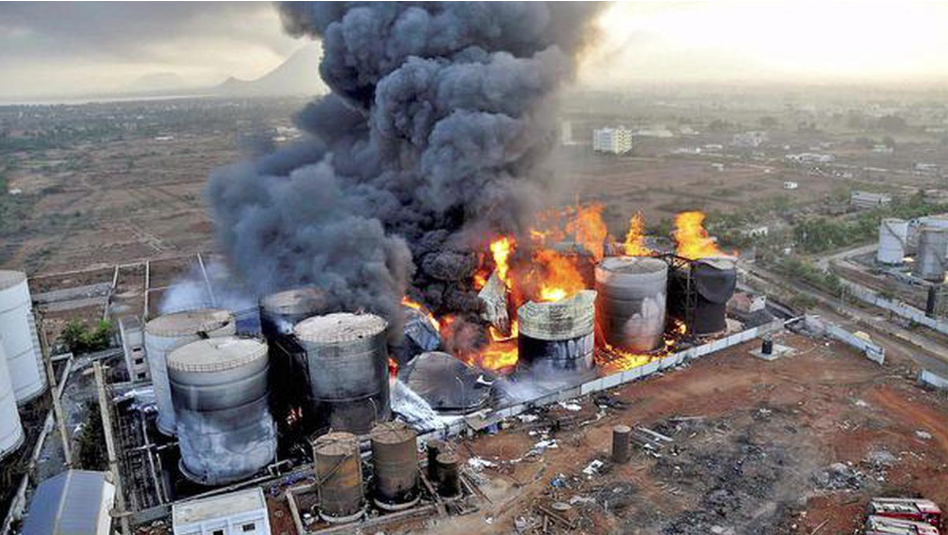
The fire at the TRP Game Zone in Rajkot on 25 May 2024 killed 27 people, including children. Investigators looked at unauthorised construction and petrol stored beyond the permitted limit. Proper approvals, a fire check and safe exits before the place opened could have changed the outcome. What was called an accident was the predictable result of neglect.
What the rest of the world shows
WHO estimates that about 1.16 million people (11.6 lakh) die in road crashes around the world every year. The countries that brought these deaths down did it with enforcement, safer roads and vehicles, and better emergency care. An earlier table on this page of country “preventable accident rates” and enforcement scores could not be traced to any WHO index and has been withdrawn.
India does not lack laws. What it lacks is compliance and a habit of prevention.
What prevention looks like in daily life
- On the road: slow down, wear a helmet on every two-wheeler ride (the pillion rider too) and use seat belts in every seat.
- At home and at work: check exits, and test alarms, pumps and extinguishers every month.
- In your area: report blocked exits, illegal fuel storage and unsafe venues.
- In schools: teach safety and basic survival skills as part of the syllabus.
- In policy: link fire, road and disaster safety audits to building licences.
The bigger lesson
India does not need sympathy after accidents. It needs systems before them. Being prepared saves more lives than any prayer said after the event.
Next time, ask why
The next time someone says “accidents happen”, ask instead: why did it happen, and who could have stopped it? Then start at home tonight. Check that every helmet has a working chin strap, save 112 on your phone, and find two ways out of your home and your workplace.
References
What needs attention
- Over-speeding was linked to 68.1% of road deaths in 2023
- 54,568 people died without a helmet and 16,025 without a seat belt in 2023
- WHO says road injuries can be prevented through safer speeds, helmets, seat belts, safer roads and good care after a crash
- At Rajkot's TRP Game Zone, unauthorised construction and stored petrol turned a fire into 27 deaths
- No official figure says what share of Indian accidents could have been prevented
Controls that reduce risk
- Wear a helmet on every two-wheeler ride, and make the pillion rider wear one too
- Use seat belts in every seat, front and back
- Keep exits clear and test alarms and extinguishers on a schedule
- Report blocked exits, illegal fuel storage and unsafe venues to the authorities
- After any near miss, ask what went wrong and fix it
Common unsafe practices
- Saying "accidents happen" and moving on without asking why
- Riding without a helmet or skipping the seat belt on short trips
- Speeding because the road looks empty
- Opening a venue before fire checks and approvals are done
- Passing safety audits on paper without a real inspection
- Filming a crash instead of helping or calling 112
Leave a comment