
Quick answers
What is the minimum age to drive in India?
Section 4 of the Motor Vehicles Act says no person under 18 shall drive a motor vehicle in a public place, with an exception from 16 for a motorcycle with engine capacity not exceeding 50cc.
What happens to a parent if a minor is caught driving?
Section 199A, inserted in 2019, makes the guardian or the owner of the vehicle deemed guilty. In addition to the usual penalty they can be punished with up to three years in prison and a fine of Rs 25,000, unless they prove the offence was committed without their knowledge or that they took all due diligence to prevent it.
Is the vehicle taken away?
Not by this section, but the registration of the vehicle used in the offence is cancelled for twelve months. The police may also have separate powers of seizure; we did not examine them.
Can a minor get a licence later?
Not until the age of 25, if an offence under the Act has been committed by the juvenile. Section 199A says he or she cannot be granted a learner's licence or a driving licence until then.
Does the guardian have any defence?
Yes. Section 199A says there is no liability if the guardian or owner proves that the offence was committed without their knowledge or that they exercised all due diligence to prevent it. The court is told to presume that the juvenile used the vehicle with their consent, so the burden is on the adult.
What if the child has a learner's licence?
The Act says the guardian provisions do not apply if the juvenile held a learner's licence or a driving licence and was driving a vehicle he or she was licensed to operate. Because of the age rules, in our reading this can apply only in the narrow low-power motorcycle case.
Is the fine really Rs 25,000?
That is the figure in section 199A as inserted in 2019, together with imprisonment up to three years. Section 199B allows the Centre to raise fines by up to ten per cent each 1 April, and we did not check whether it has done so.
What is the best way to stop a teenager from driving?
Keep the keys under adult control, make one clear family rule, and give an alternative such as a cycle, a bus pass or a ride. At 18, start with a learner's licence and a licensed driving school.
“He only took it to the corner shop.” “She drives very well for her age.” “The keys were just lying there.” Most Indian parents have heard a version of these sentences, and many have said one. Since 2019 the Motor Vehicles Act has a different sentence for it: the guardian, or the owner of the vehicle, is deemed guilty. This page sets out what the law says, in plain words, and what parents and vehicle owners can do before a child ever takes the keys. It is general information, not legal advice. Checked 10 November 2026.
In short
- The general minimum age to drive a motor vehicle in a public place is 18. Section 4 of the Act makes a narrow exception from 16 for a motorcycle with engine capacity not exceeding 50cc.
- When a juvenile commits an offence under the Act, the guardian or the owner of the vehicle is deemed guilty (section 199A). On top of the usual penalty, the guardian or owner can face up to three years in prison and a fine of Rs 25,000.
- The vehicle’s registration is cancelled for twelve months, and the juvenile cannot get a learner’s or driving licence until the age of 25.
- There is a defence: a guardian or owner is not liable if they prove the offence happened without their knowledge or that they took all due diligence to prevent it. But the court is told to presume that the juvenile used the vehicle with their consent.
- The simplest protection is the boring one: keys under adult control, a clear family rule, and an honest talk.
What the Act says
Section 4 of the Motor Vehicles Act, 1988 says that no person under 18 shall drive a motor vehicle in a public place, with a proviso allowing a motorcycle with engine capacity not exceeding 50cc to be driven from 16. Section 5 says that no owner or person in charge of a motor vehicle shall cause or permit a person who does not satisfy sections 3 or 4 to drive it. The 2019 amendment raised the fines for the two linked offences: section 180, allowing unauthorised persons to drive, and section 181, driving in contravention of sections 3 or 4. Each is now punishable with imprisonment up to three months, or a fine of Rs 5,000, or both. The Motor Vehicles (Amendment) Act, 2019, published in the Gazette of India on 9 August 2019, also inserted section 199A, and the Road Transport Ministry’s list of sections applicable from 1 September 2019 includes it.
Section 199A has six parts, in plain words:
- Deemed guilty. Where a juvenile commits an offence under the Act, the guardian or the owner of the vehicle is deemed guilty and can be proceeded against and punished.
- The defence. They are not liable if they prove the offence was committed without their knowledge or that they exercised all due diligence to prevent it. The court is to presume that the vehicle was used with their consent.
- Extra punishment. Imprisonment up to three years and a fine of Rs 25,000.
- The licensed juvenile. The above does not apply if the juvenile held a learner’s licence or a driving licence and was operating a vehicle he or she was licensed to operate. Given the age rules, in our reading this can apply only in the narrow low-power motorcycle case.
- Registration. The registration of the vehicle used in the offence is cancelled for twelve months.
- The juvenile. He or she cannot be granted a learner’s licence or driving licence until the age of 25, is liable to the fines in the Act, and any custodial sentence is dealt with under the juvenile justice law.
Section 199B also lets the Centre raise all fines under the Act by up to ten per cent every 1 April, and we did not check whether that has been notified, so the amounts above may be higher in practice.
Why this matters beyond the penalty
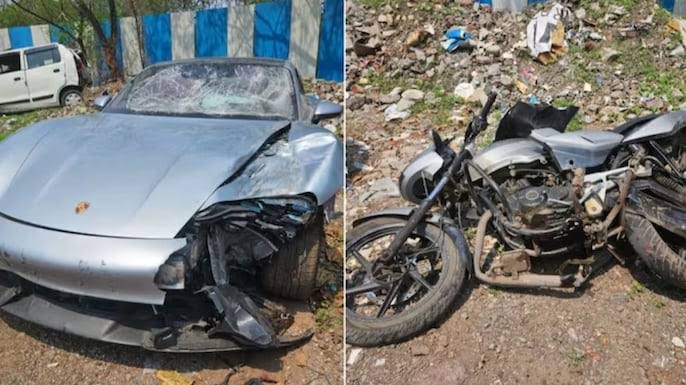
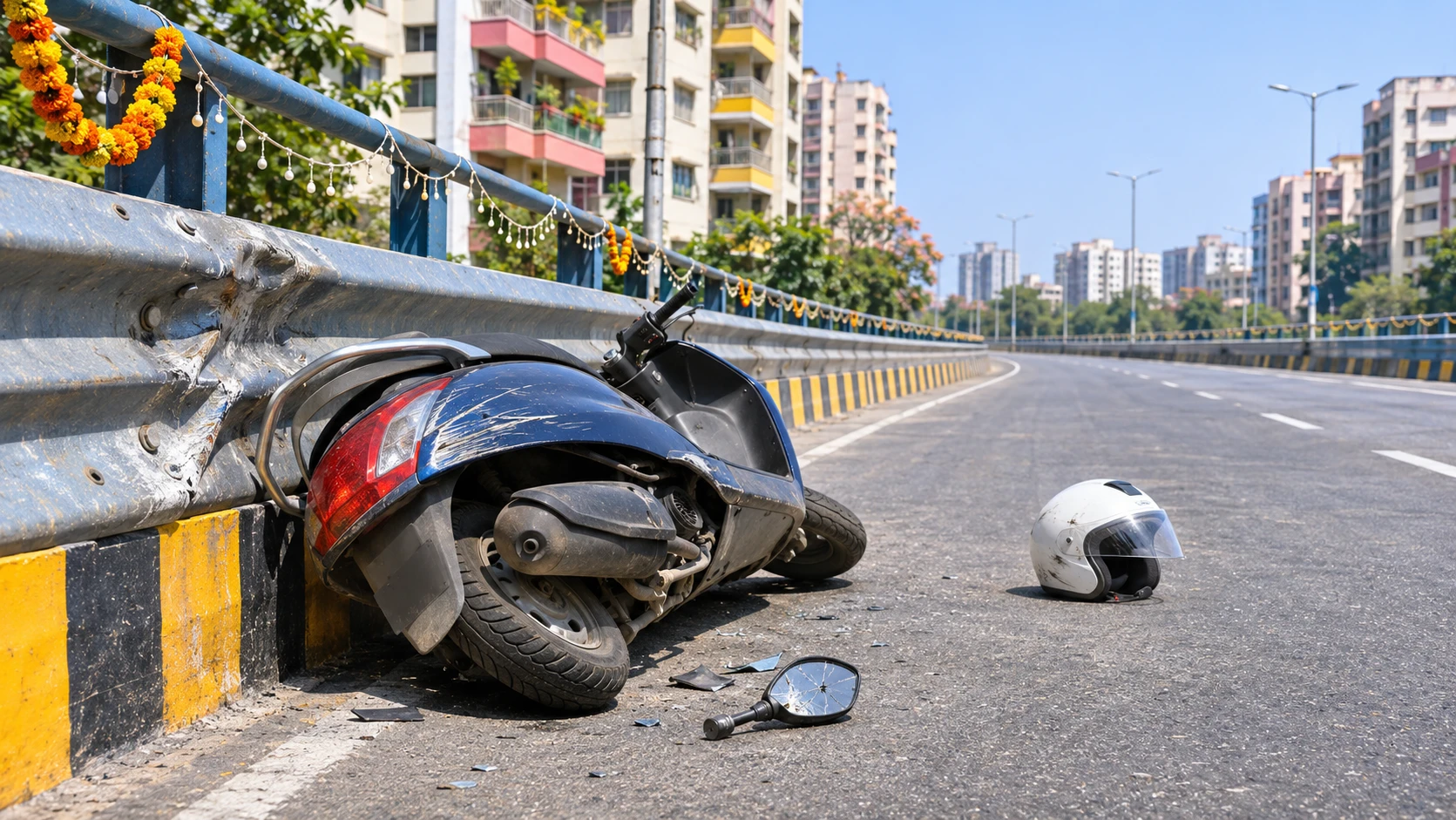
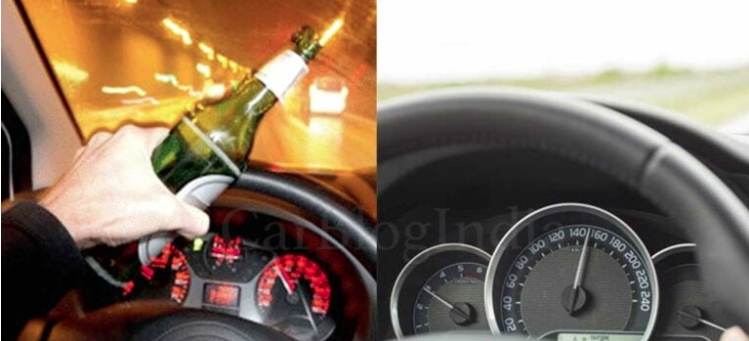
The law exists because of crashes, and because a child at the wheel is a danger to everyone else on the road. Our case study of the Pune Porsche crash in Kalyani Nagar records that police allege a 17-year-old was driving at high speed after drinking when the car hit a motorcycle, and two young people on it died. Those are allegations until a court rules. How section 199A applies to the guardians in that case is for the courts, and we did not examine it. The case shows what a single evening of “it is only a drive” can cost others.
What parents and vehicle owners can do
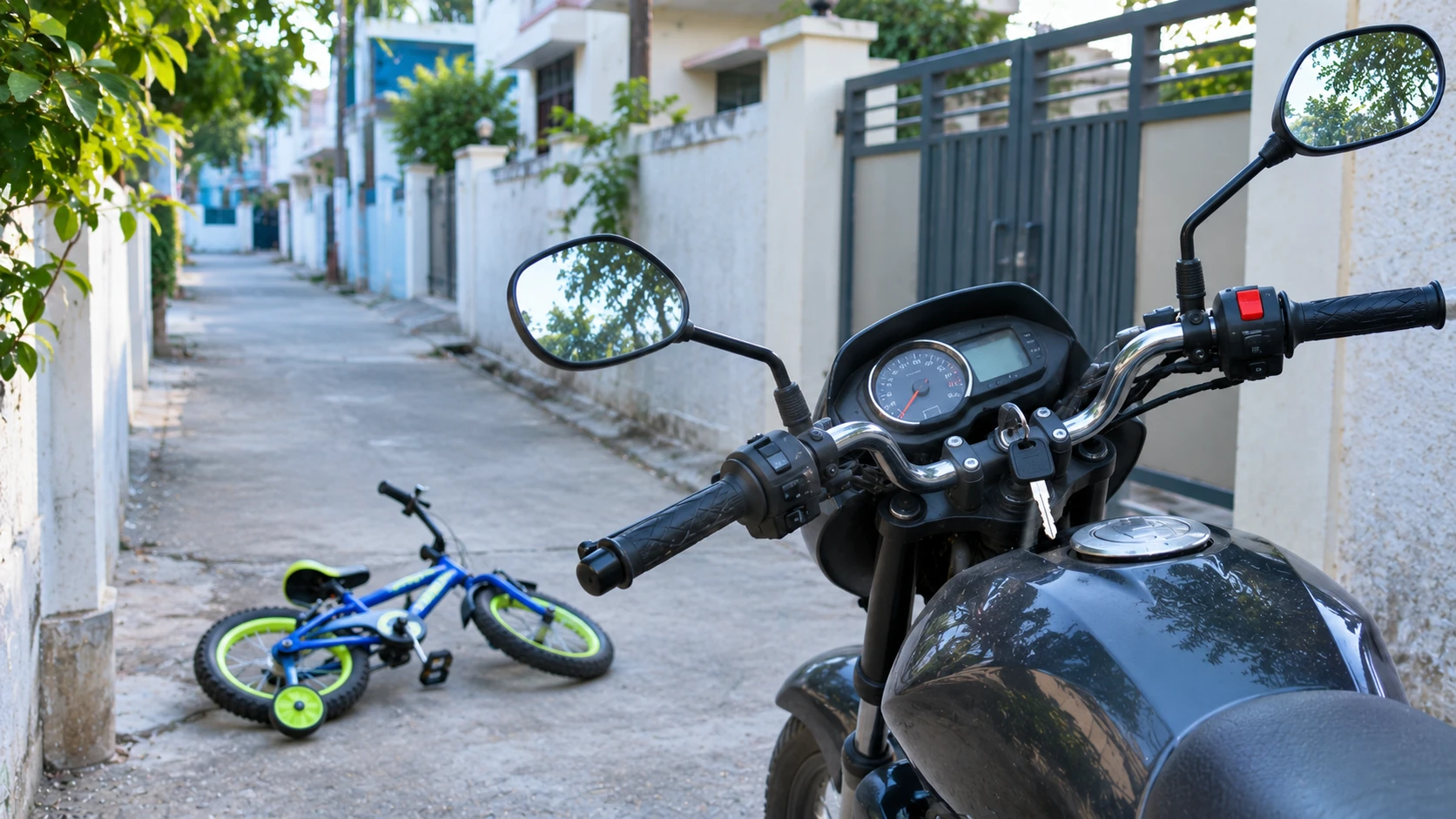
- Keep the keys under adult control. Not on the hook by the door, not in the ignition. This sounds small, and it is the step that stops most incidents.
- Make one family rule and say it aloud. No driving before 18 and a proper licence, whatever the friends say. Explain that the penalty falls on the family as well.
- Give the child an alternative. A cycle, a bus pass, a ride-hailing or school-bus arrangement, a lift on fixed days.
- Do not let a child “just move the car”. The Act speaks of driving in a public place, and a short drive to the corner is exactly that.
- When the time comes, do it properly. Start with a learner’s licence at 18, a licensed driving school and supervised practice, not a quick lesson from a friend.
- Lenders beware. If you lend your scooter or car to a neighbour’s child, section 199A speaks of the owner as well.
- If your child has been stopped, stay calm, do not pay anyone to make it go away, and speak to a lawyer. We cannot give legal advice.
What not to do
- Do not hand a teenager the keys “for emergencies” without a licence.
- Do not post photographs of children driving; they are evidence as well as a bad example.
- Do not tell a child that “nothing will happen”. Under this section something can, and it falls on the adult.
- Do not leave a vehicle with keys inside it in a lane or outside a school.
Do these today
- Check where the keys of every vehicle at home are kept tonight.
- Say the family rule aloud at dinner.
- Tell relatives and neighbours who borrow your vehicle that a licensed adult must drive it.
- Read our pages on driving home at night after a wedding or family function and road accidents during Diwali.
What we could not confirm
We read the amendments in the Gazette text of the 2019 Act and sections 4, 5, 180 and 181 in the 1988 text on India Code, not in a consolidated current version. The Act’s wording refers to an older juvenile justice law, and we did not check how the current Juvenile Justice Act applies. We did not check the yearly fine revision, how states enforce section 199A, or how any court has treated the guardian’s defence. The Pune case outcome after August 2025 was not checked. We found no video on this subject that we could use, because the clips we screened show minors in their thumbnails. This page is general information, not legal advice.
What needs attention
- Section 199A, inserted in 2019, makes the guardian or owner deemed guilty and adds up to three years and Rs 25,000.
- The defence of no knowledge or due diligence exists, but the court is told to presume consent.
- The registration of the vehicle is cancelled for twelve months and the juvenile cannot get a licence until 25.
- Sections 180 and 181 now carry fines of Rs 5,000 each, with imprisonment up to three months.
- Section 199B allows a yearly rise of up to ten per cent in all fines, which we did not check.
Controls that reduce risk
- Keep the keys of every vehicle under adult control.
- Say the family rule aloud: no driving before 18 and a licence.
- Offer an alternative: cycle, bus pass, ride.
- At 18, start with a learner's licence and a licensed driving school.
- If stopped, stay calm and take legal advice.
Common unsafe practices
- Leaving the keys in the ignition or on a hook by the door.
- Letting a child "just move the car" or go to the corner shop.
- Lending a vehicle to a neighbour's child.
- Assuming nothing will happen to the guardian.
- Paying someone to make a stop go away.
- Posting photographs of children driving.
Leave a comment