
Quick answers
Do road accidents increase during Diwali in India?
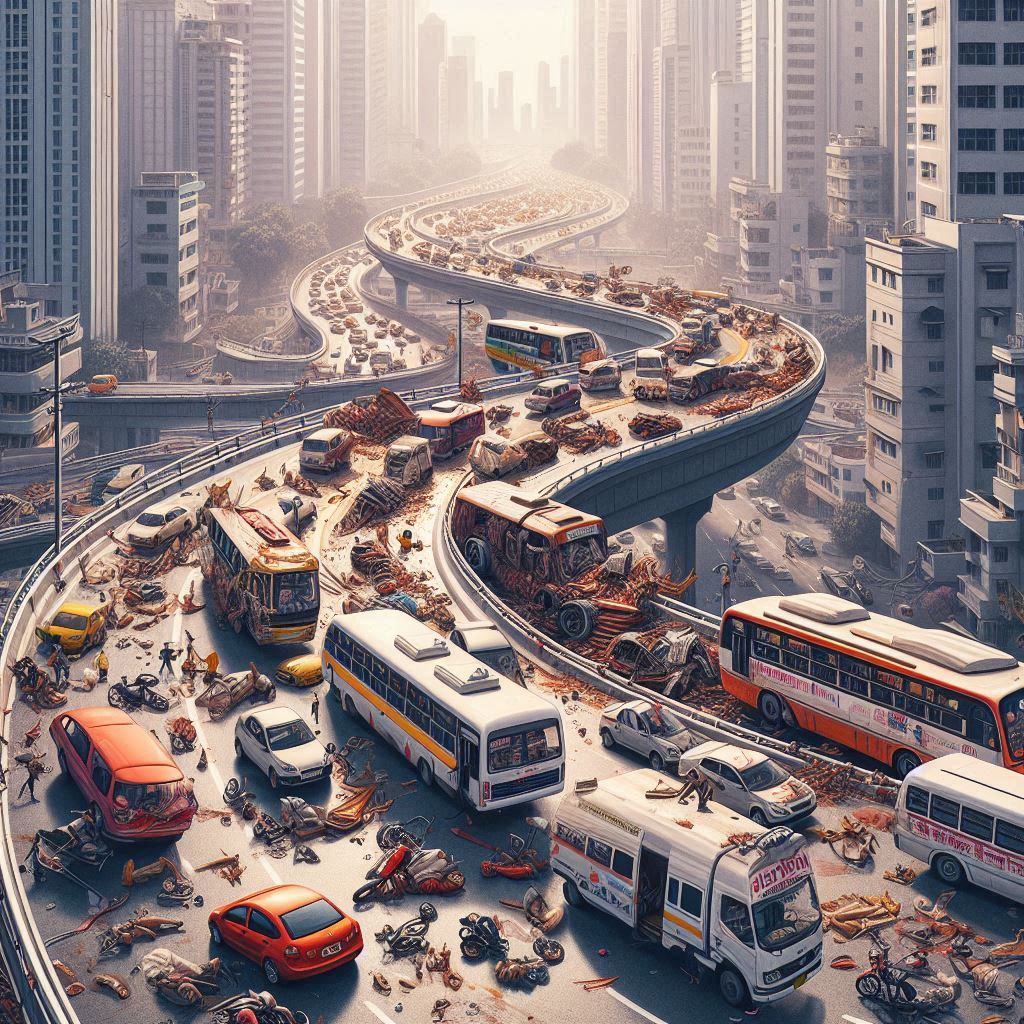
Ambulance data from Gujarat say yes on the festival days: on Diwali day 2025 the 108 service recorded 919 road-accident cases against 529 on a normal day, about 74 per cent more. The national monthly figures from the Ministry of Road Transport and Highways, however, show no clear Diwali-month rise in 2022 or 2023.
How many road accidents happen on Diwali day?
There is no national figure. Gujarat's 108 service counted 919 vehicular-trauma cases on Diwali day 2025, and Goa's 108 service counted 65 road-accident calls over the Diwali weekend of 2023. Those are ambulance calls, not police counts of accidents or deaths.
Are more people killed on the roads during Diwali?
We found no festival-week death count from any police force. The ministry's month-wise data show 13,822 deaths in October and 14,524 in November 2023, close to the monthly average of about 14,400, so any Diwali effect is hidden inside the month.
Which vehicles are most involved in Diwali road accidents?
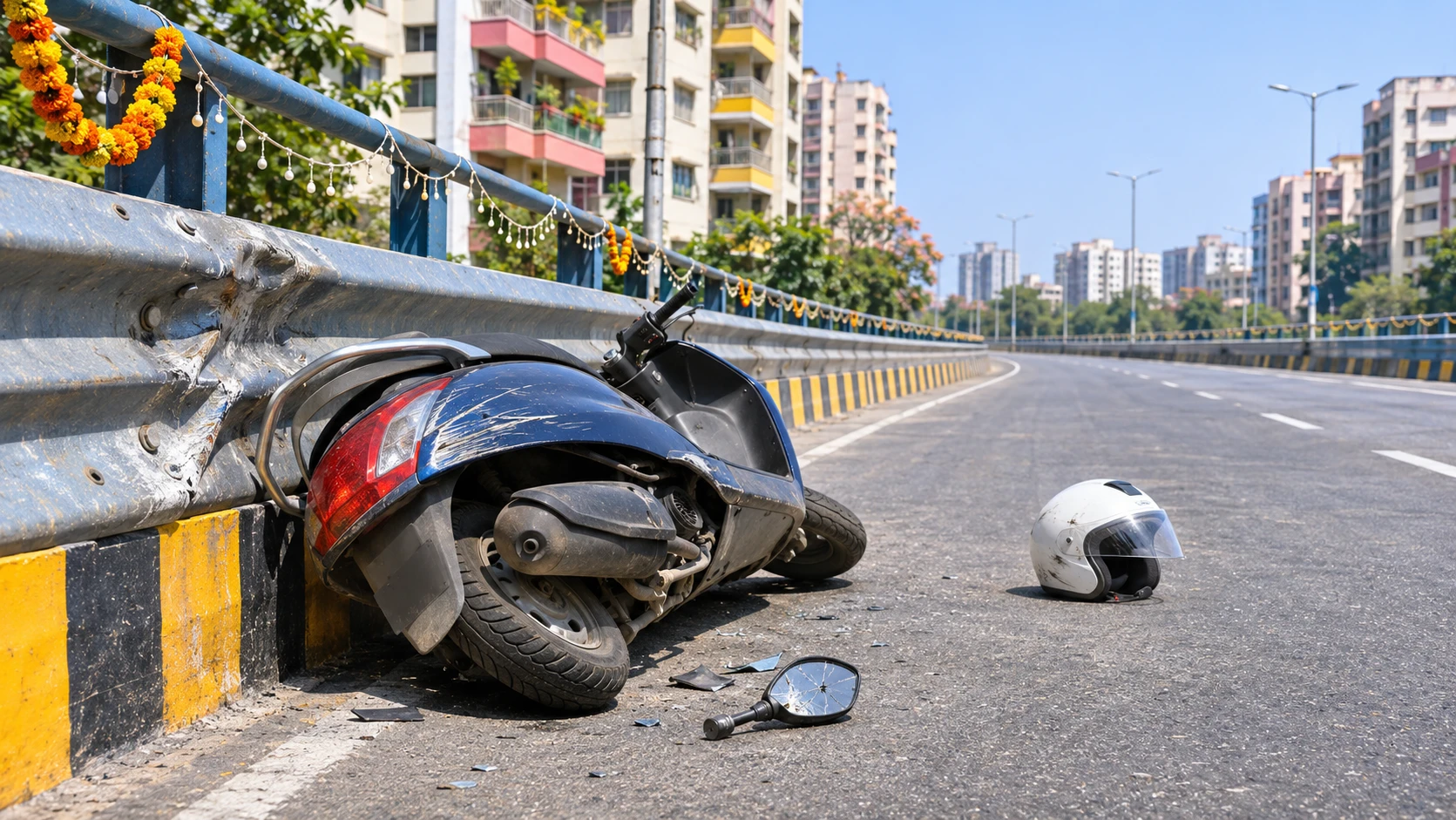
In Gujarat on Diwali day 2025, two-wheelers were 754 of the road-accident cases, four-wheelers 77 and three-wheelers 46. Nationally, two-wheeler riders were 44.8 per cent of the people killed on roads in 2023.
Is drunk driving a big cause of Diwali accidents?
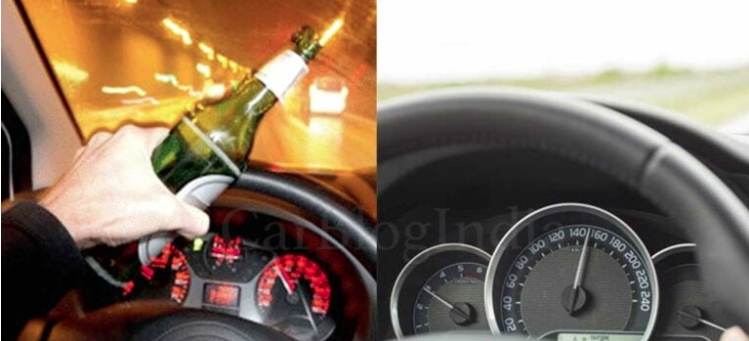
We found no Diwali figure. The ministry's 2023 report attributes 3,674 deaths (2.13 per cent of all road deaths) to drunken driving or alcohol and drugs, which is only what is recorded as the cause. Do not drive after alcohol; book a driver or a cab.
What time of day are road accidents most common?
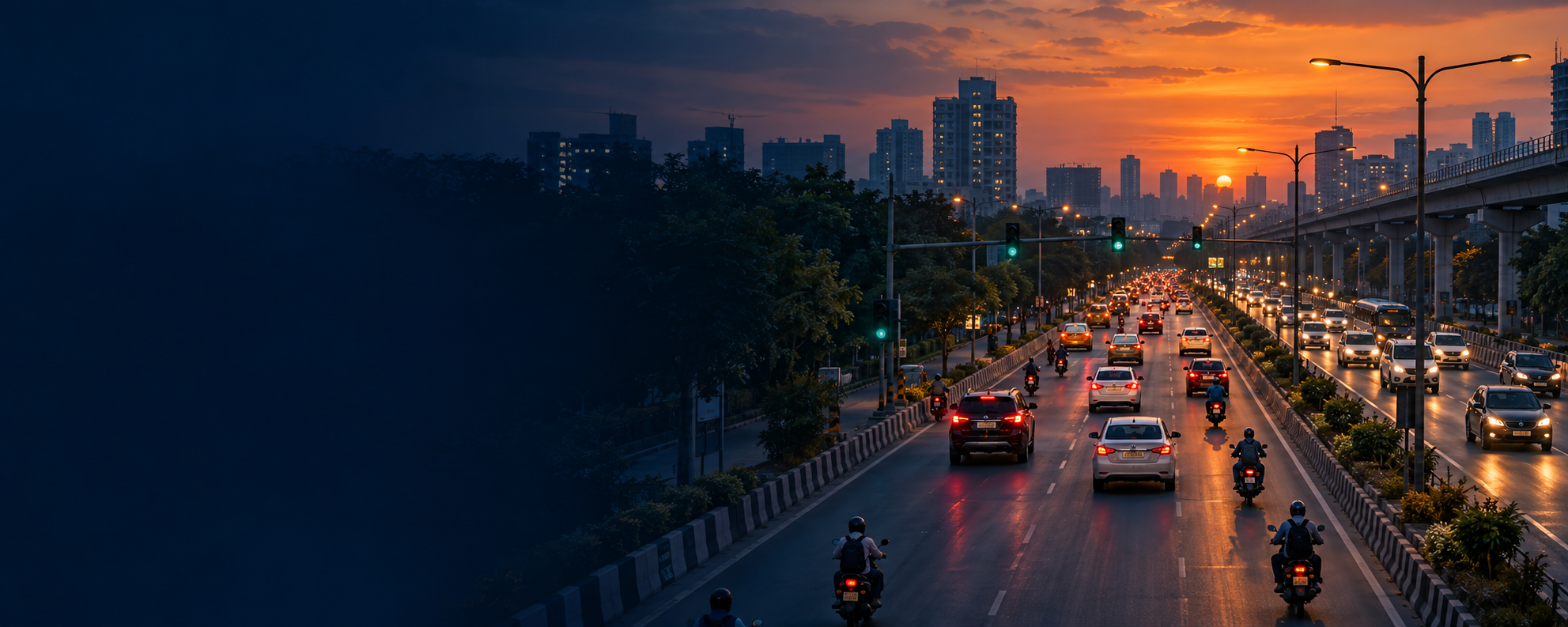
The ministry's 2023 report says the 6 pm to 9 pm interval had the most accidents, 20.8 per cent of the total. Diwali evenings mix crowded markets, riders and walkers hurrying home, and cracker smoke, so take extra care.
What should I do if I see a road accident during the festival?
Stop safely, call 112 or 108 (1033 on a national highway), do not move the injured person unless there is fire or danger, and press a clean cloth on any bleeding. The Good Samaritan rules protect you from legal trouble for helping.
What is NHAI 1033?
It is NHAI's toll-free number for national highways, working round the clock. It gives crane help for breakdowns, medical help, and removal of obstacles such as fallen trees or stray cattle, as described in a PIB release of 27 May 2026.
How can I travel home for Diwali more safely?
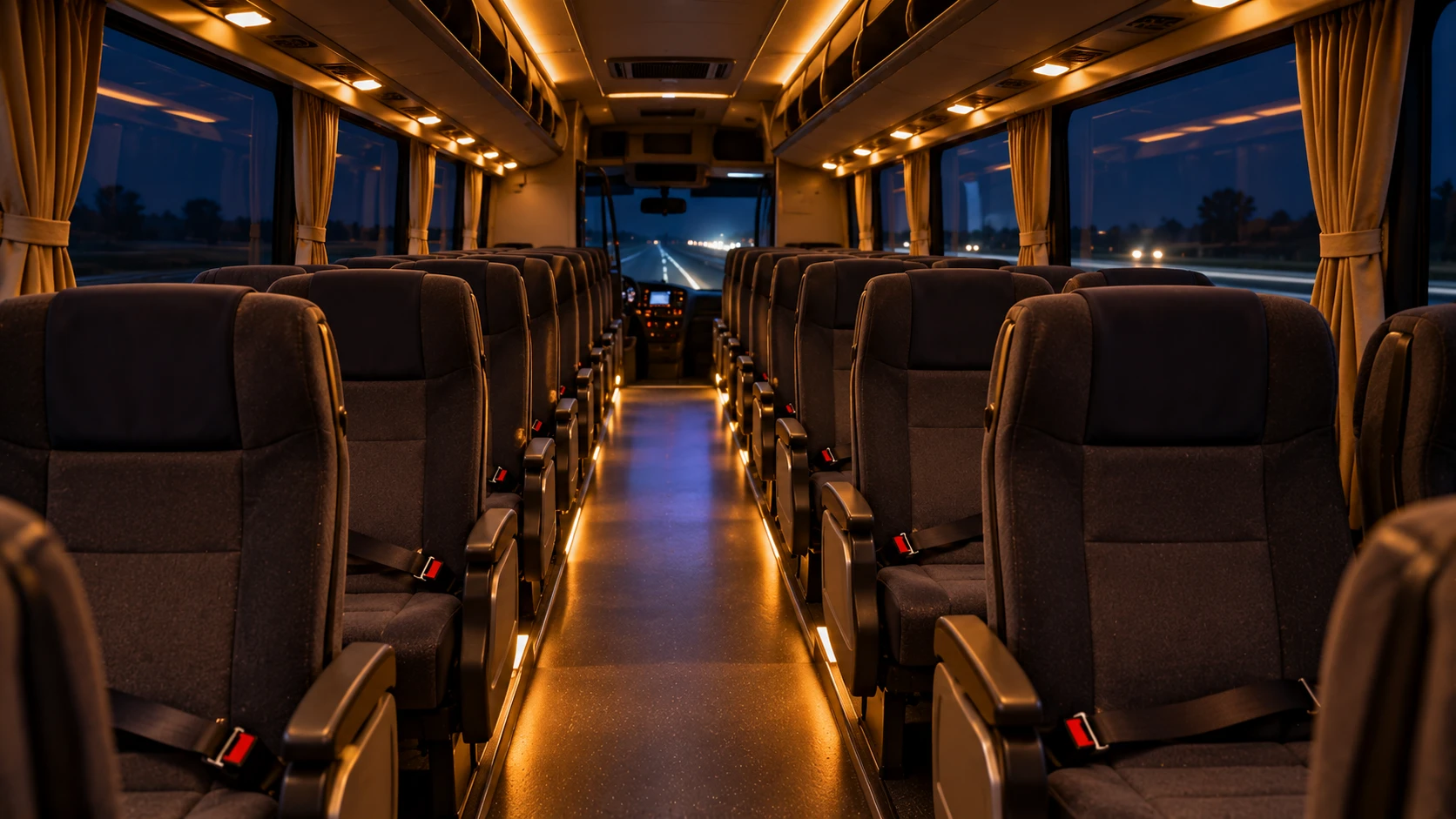
Leave early or travel in daylight, take breaks, do not drive tired or after alcohol, wear a helmet, slow down in markets and in haze, and keep 112 and 1033 saved. Our night driving plan for families has a fuller checklist.
Diwali week is one of the busiest weeks on Indian roads. Millions travel home, markets are crowded till late, people drive after dinners and drinks, and many ride two-wheelers on streets full of smoke and cracker litter. A fair question is whether there is real data on road accidents during Diwali. We searched for official and reported figures and opened each source. The honest answer is that there is some good data, mostly from ambulance services in Gujarat, and a lot of gaps. Checked 5 November 2026. Diwali falls on 8 November 2026.
In short
- On Diwali day 2025, Gujarat’s 108 ambulance service recorded 919 road-accident (vehicular trauma) cases, against 529 on a normal day, a rise of about 74 per cent. Two-wheelers were 754 of them.
- The monthly national figures from the Ministry of Road Transport and Highways show no Diwali jump. In 2023, October and November had 13,822 and 14,524 deaths, close to the monthly average of about 14,400. A few festival days disappear inside a month.
- We found no festival-week figure from any police force or traffic police, and no Diwali drunk-driving enforcement count. Ambulance calls are not deaths, and they are not police records.
- The risk pattern is the usual one, made worse by the festival: two-wheelers (44.8 per cent of road deaths in 2023), pedestrians (20.4 per cent), speed, the evening hours and driving tired or after alcohol.
What we found
Gujarat: 108 ambulance calls
Gujarat is where the data is. The state’s 108 emergency service (run by GVK EMRI) reports figures to the press for Diwali, New Year and Bhai Dooj:
- Diwali day 2025: 5,406 emergency cases in all. Road accidents (vehicular trauma) were 919 against 529 on normal days, a 73.75 per cent rise. Two-wheelers were involved in 754 cases, four-wheelers in 77 and three-wheelers in 46. The most cases were in Surat (105), Ahmedabad (104), Dahod (54), Rajkot (51) and Vadodara (50) (DeshGujarat and Gujarat Samachar, both quoting EMRI data).
- The five days to 24 October 2025: the state government said the 108 service handled 28,129 emergency calls, an average of 5,626 a day against the usual 4,825, and a record 5,874 on New Year Day, 22 October. That statement is about all emergencies, not road accidents alone.
- Diwali, New Year and Bhai Dooj 2023: one outlet reported 2,258 vehicular-accident emergencies across the three festive days, about 753 a day, or one every two minutes, with highways seeing more cases than the emptier city roads (Vibes of India, from EMRI data). The state’s EMRI chief said all emergencies were 8 per cent above normal in those days.
The Gujarat Samachar report of 24 October 2025 on the first three festive days gave road-accident numbers that do not add up with its own totals, and a 2024 report of about 3,600 injuries in four days also had internal differences, so we do not print them.
Goa: a weekend count
Goa’s 108 service said it received 65 road-accident calls over the Diwali weekend of 2023, about 30 per cent above the daily average, and that 90 per cent of the accident reports involved two-wheelers (PTI, 14 November 2023). It is a small, old figure, and the only other recent state count we found.
The national picture: no festival spike in monthly data
The Ministry of Road Transport and Highways report Road Accidents in India 2023 records 4,80,583 accidents and 1,72,890 deaths. Its month-wise table (Table 7.2) shows deaths of 13,822 in October and 14,524 in November 2023, against a monthly average of about 14,400. The peaks were May (16,718) and December (15,383). In 2022, Diwali fell on 24 October, and October and November had 13,796 and 13,888 deaths against an average of about 14,000. A monthly table can only show that Diwali does not lift the whole month. It cannot show what happens on the three or four busiest days, which is why the ambulance data matter.
The same report says two-wheelers were 44.8 per cent of the people killed in 2023 (77,539) and pedestrians 20.4 per cent. Over-speeding was behind 68.1 per cent of the deaths, and drunken driving or alcohol and drugs behind 3,674 deaths (2.13 per cent of the total). The table records only what is noted as the cause, so read the drunken-driving figure as a minimum. The 6 pm to 9 pm slot had the most accidents, 20.8 per cent of all.
What these numbers do not say
- An ambulance call is not a death. Gujarat’s 919 cases are people who needed an ambulance, from minor injuries to fatal ones. We found no festival-week death count from any state police.
- Gujarat is not India. Emergency services in other states do not publish festival counts that we could open. One state’s festival pattern may not hold in Uttar Pradesh or Tamil Nadu.
- Comparisons use the service’s own baseline. “Normal day” is the service’s figure and the press reports describe it in slightly different ways.
- Some causes are invisible. We found no Diwali-specific count on drunk driving, smog and low visibility, cracker-litter skids or travel by bus and rail.
Why Diwali roads are risky
The data point to the ordinary risks, stacked up in one week. Two-wheelers dominate both the ambulance counts and the national deaths. Evening and night hours are the most dangerous, and Diwali evenings mix crowded markets with riders and walkers hurrying home. Many families travel long distances overnight: see the Bareilly bus-truck crash on the Nepal border road, where workers were returning home for Diwali and our page on the Firozabad procession crash for how a festival crowd and a speeding vehicle meet. Smoke from crackers cuts visibility on top of the winter haze; see driving in fog. The 2023 Gujarat report also found more cases on highways than in the cities, which were relatively empty during the festival.
How to travel safely
- Do not drive after alcohol, and plan how you will get home before the party. Drink driving is an offence under the Motor Vehicles Act. Book a driver or a cab, or stay the night.
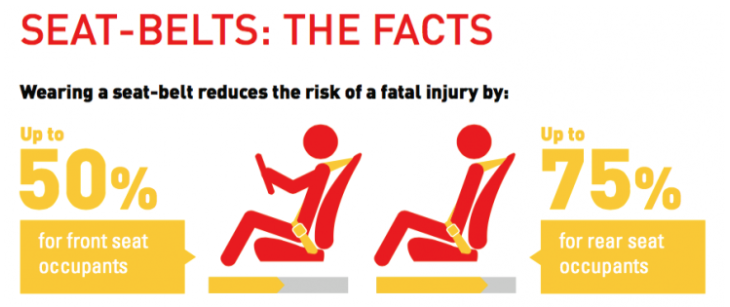
- Wear a helmet, properly strapped, and make the pillion wear one. Two-wheeler riders are the largest group among people killed on Indian roads. Our page on helmet and seat belt use has the figures.
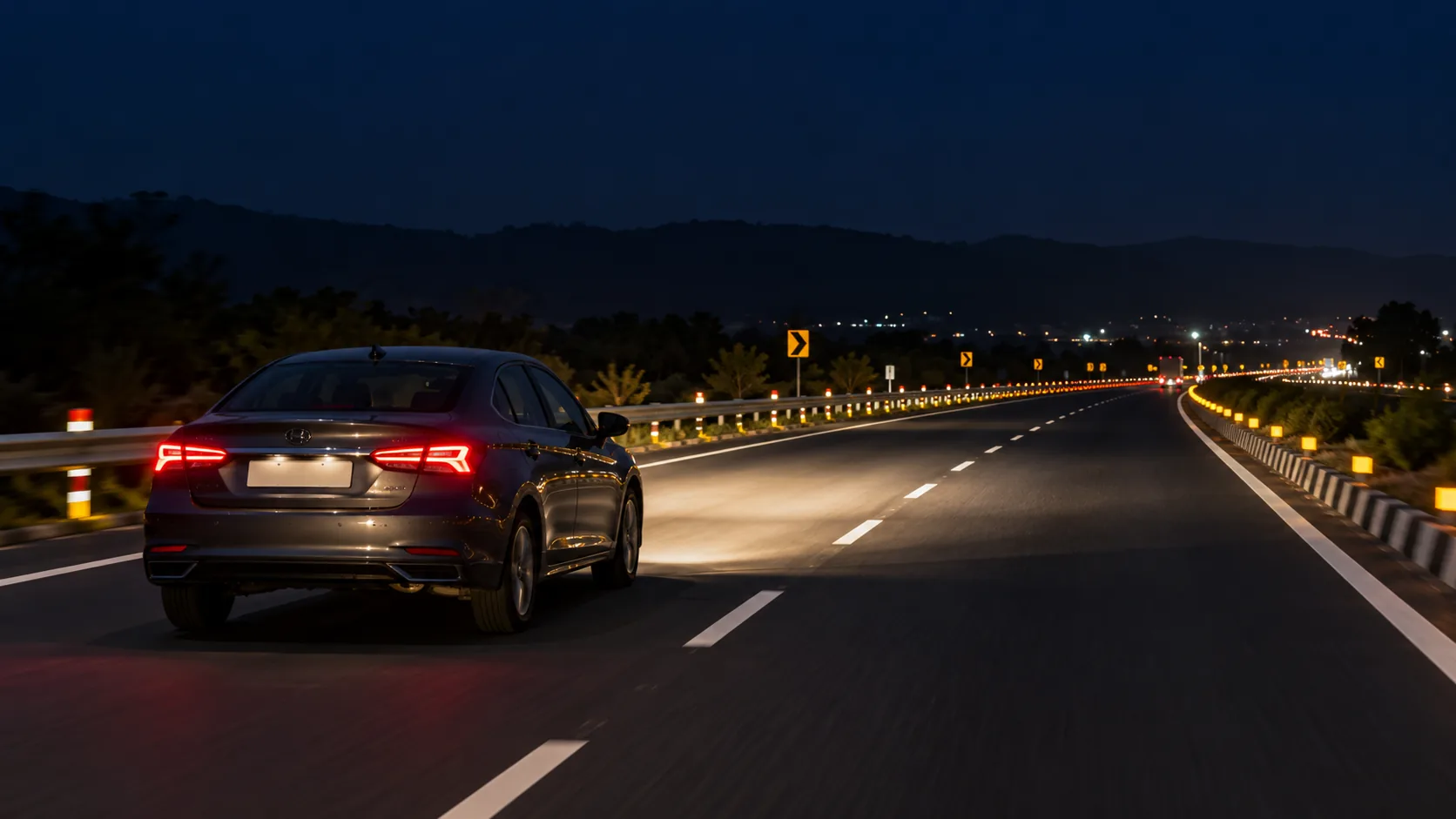
- Do not ride or drive tired. After a day of cooking, shopping and visiting, take a break every two hours or so, and do not push on through the night. See our night driving plan for families and night driving safety in India.
- Slow down in markets and lanes. Pedestrians are about one in five of the people killed. Expect children, crackers, parked vehicles and people stepping out between stalls.
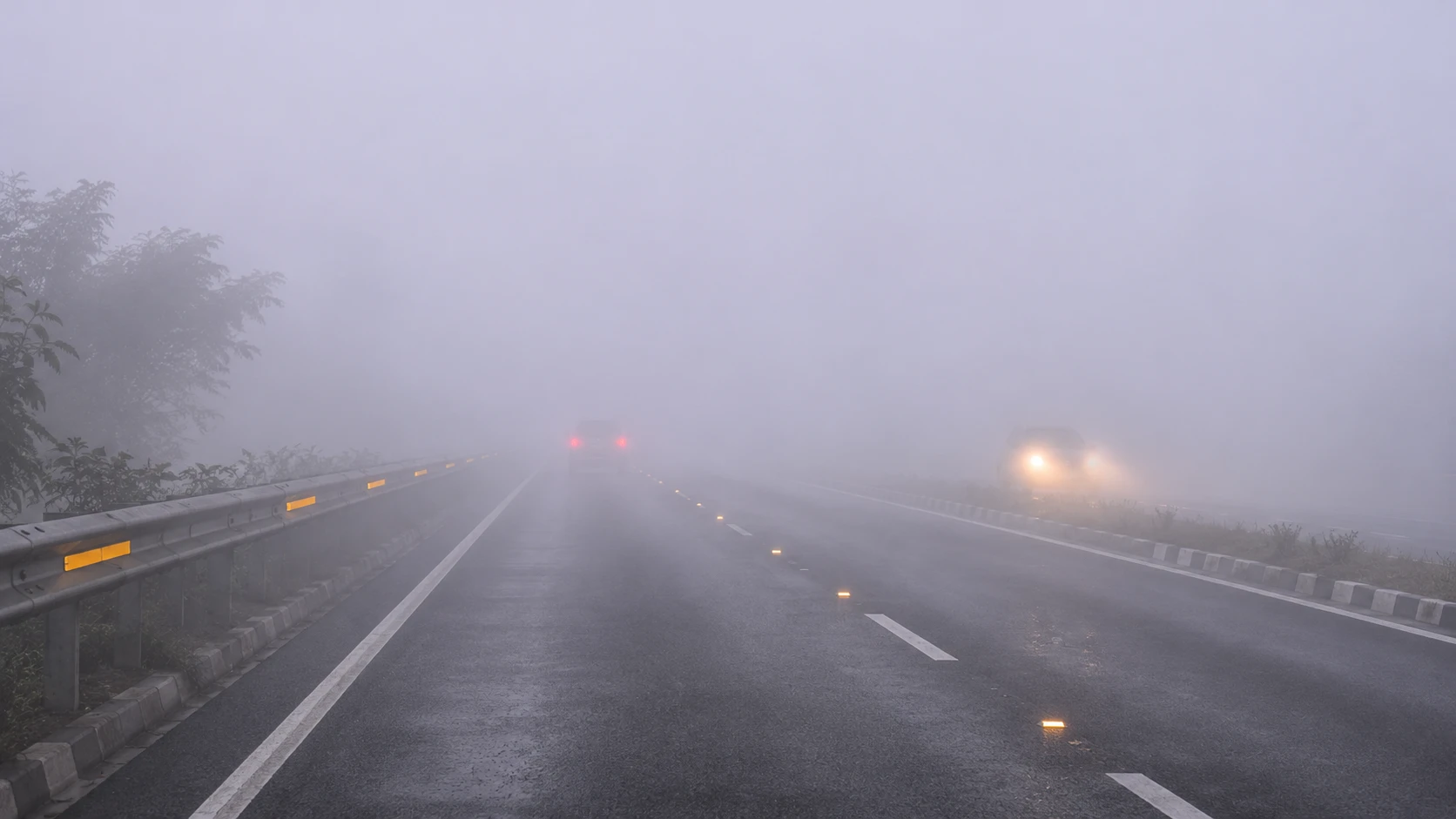
- Keep your distance from cracker smoke and litter. Slow down through haze, switch on your dipped headlights, and avoid a road with crackers being lit in the lane.
- Leave early for a long trip, or travel in daylight. The 6 pm to 9 pm slot is the most dangerous on the national table, and bus crashes after dark are covered in our night-bus page.
- Keep numbers ready. On a national highway, NHAI’s toll-free 1033 gives crane, ambulance and patrol help round the clock; 112 is the single emergency number; 108 is the ambulance.
If you see a crash
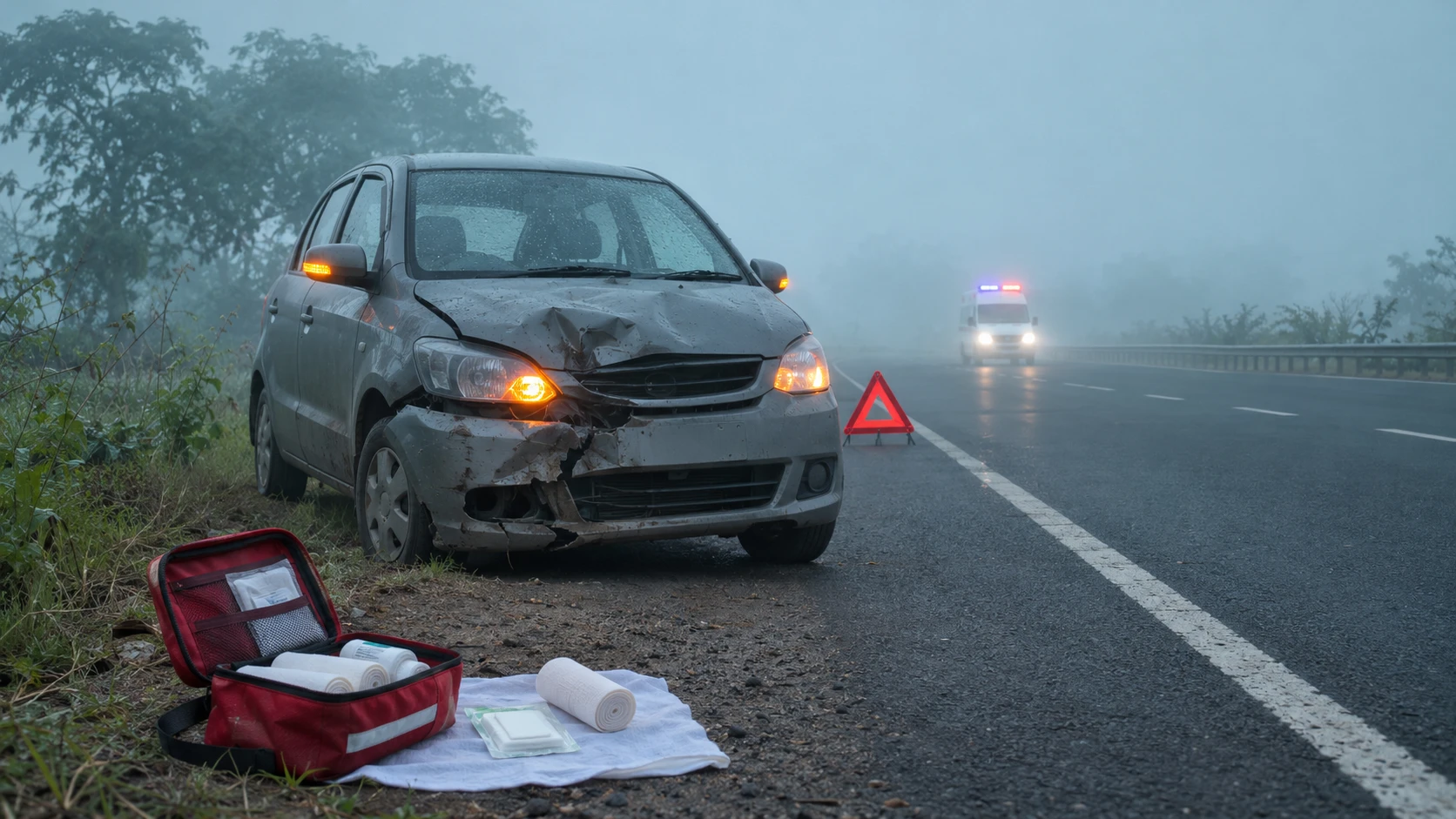
- Stop safely, park off the road with hazard lights on, and call 112 (or 108 for an ambulance and 1033 on a national highway).
- Do not move an injured person unless there is fire or another immediate danger; press firmly on a bleeding wound with a clean cloth. Our pages on what to do at a road accident and road accident first aid give the steps.
- You can help without fear. The Ministry of Road Transport and Highways says the Good Samaritan rules protect a person who helps an accident victim: you cannot be forced to give personal details, you need not stay at the hospital, and the hospital cannot ask you to pay.
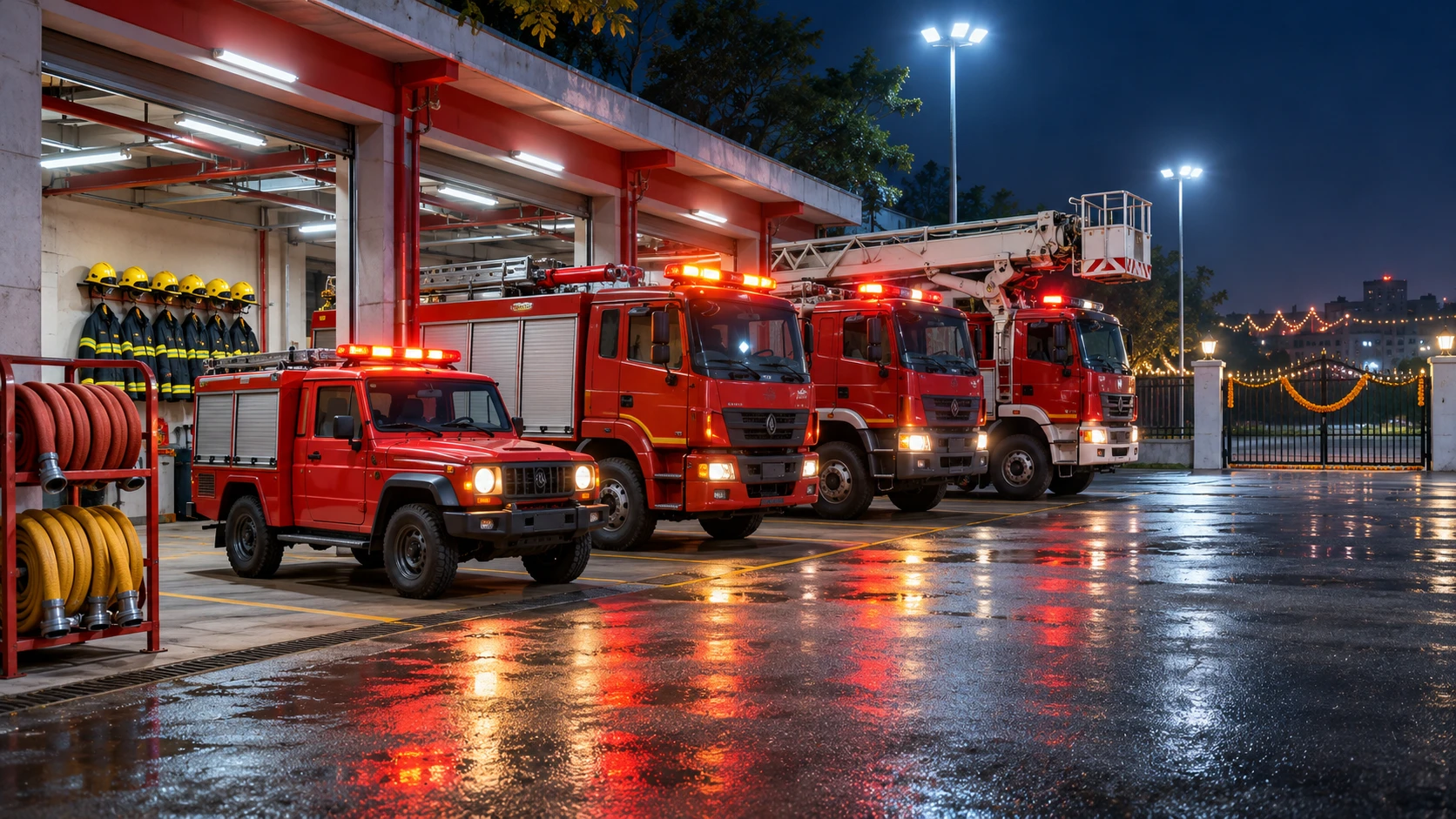
- When you hear a siren, move to the left and let the fire engine or ambulance through, as our page on firefighters on standby this Diwali asks everyone to do.
What not to do
- Do not drink and drive, and do not accept a lift from a driver who has been drinking.
- Do not ride a two-wheeler without a helmet for “just a short ride” to the market.
- Do not overtake in smoke or haze on a highway, or stop on the carriageway to watch the fireworks.
- Do not carry crackers in a vehicle without proper packing, as our Balod bus fire case reminds us.
- Do not film a crash and leave without helping or calling for help.
Do these today
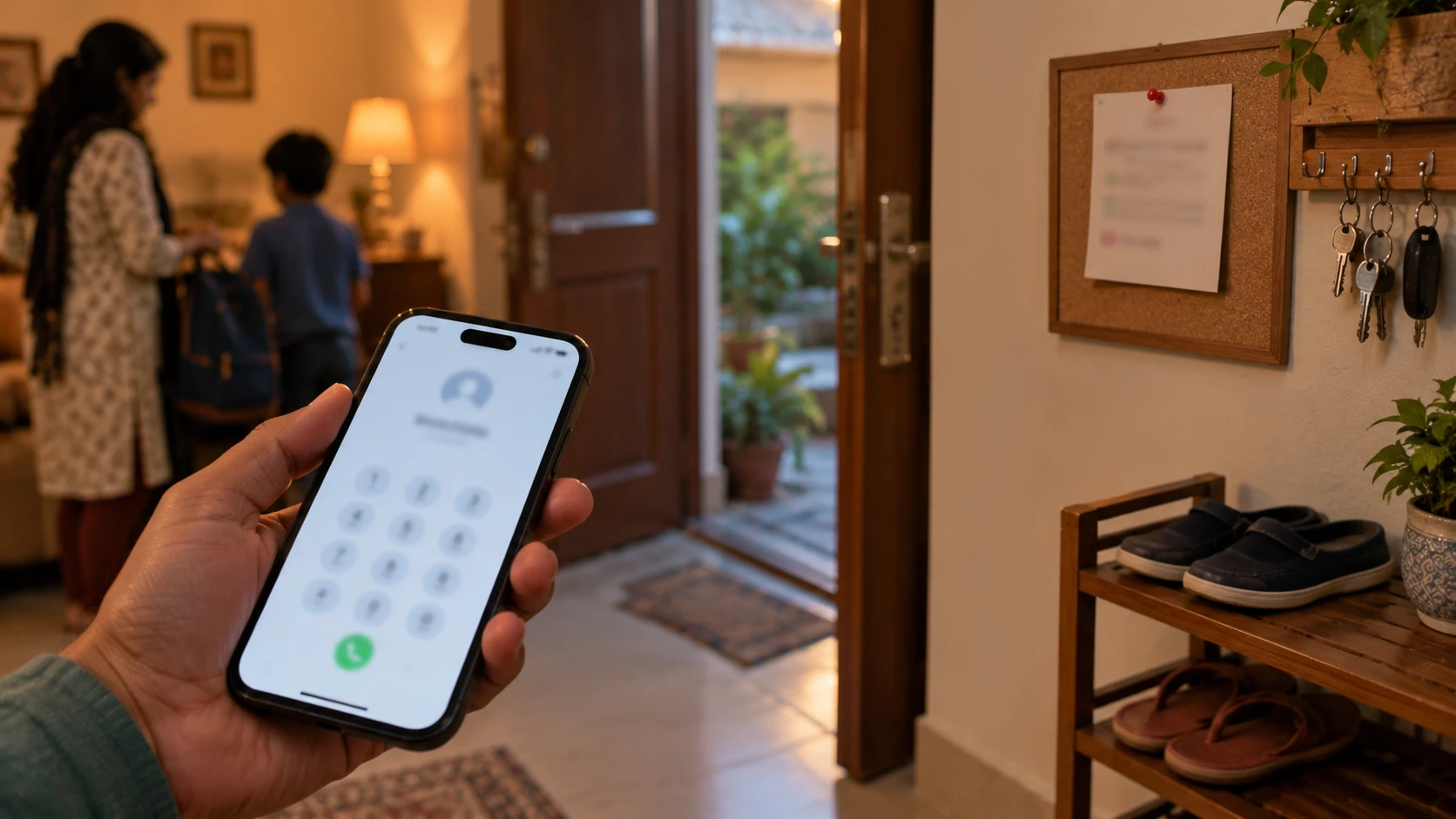
- Save 112 and 1033 on your phone. Our page on emergency numbers in India says which to call.
- Agree who will drive on the way back, and book a ride if anyone will drink.
- Check tyres, brakes, lights and wipers before a long trip, and keep the phone charged.
- Read our family night-driving plan before the journey.
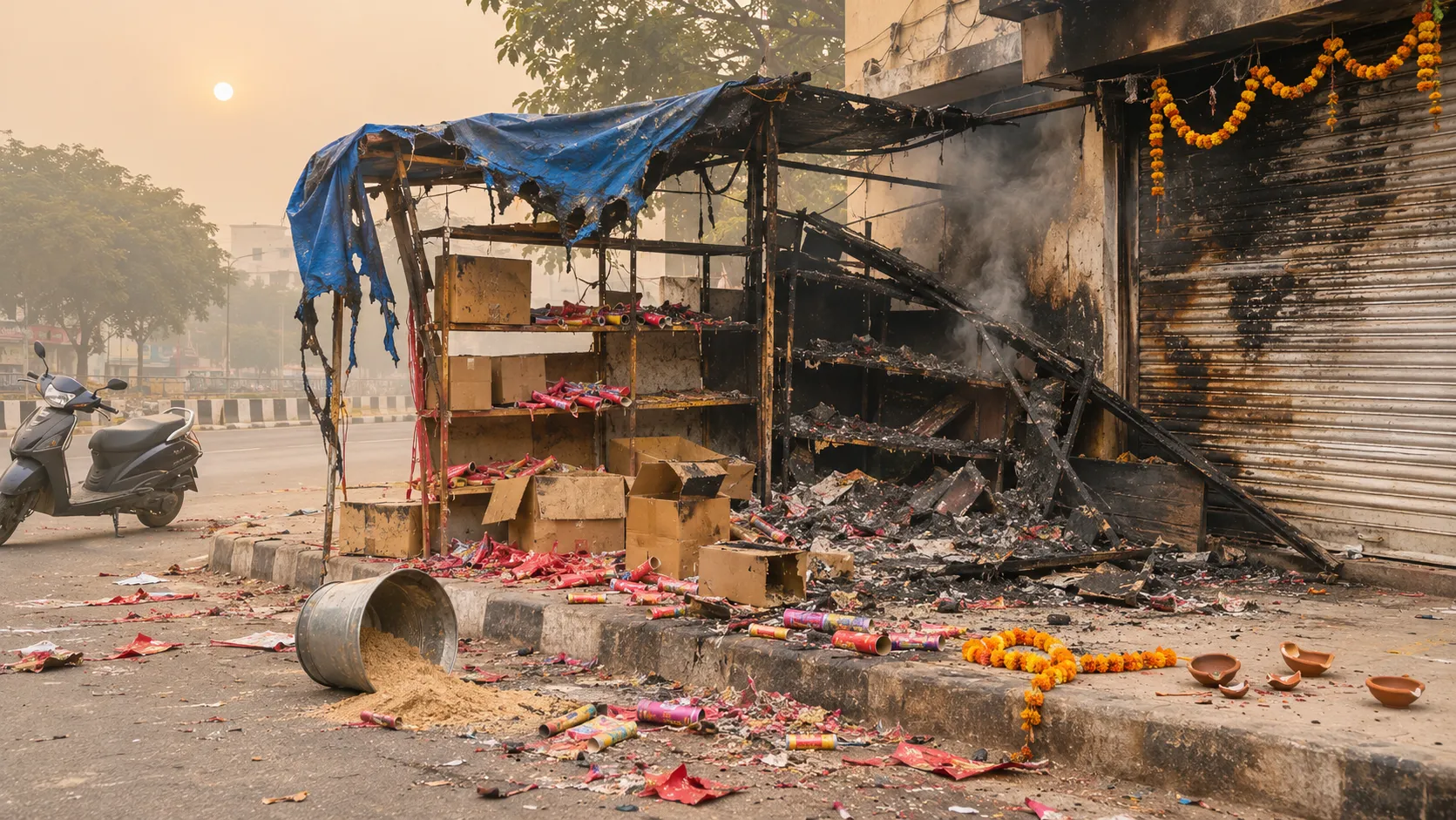
- If you are lighting crackers, our crackers guide covers the other half of Diwali safety, and our Diwali fire accidents data page collects the fire-call and hospital figures.
What we could not confirm
We could not find any police or traffic-police figure for road accidents or deaths in Diwali week, any Diwali drunk-driving enforcement count, or any figure for Delhi, Uttar Pradesh, Maharashtra, Rajasthan, Madhya Pradesh or Karnataka. We found no figures for rail or bus rush, or for smog-related crashes. The Gujarat numbers are ambulance data as reported by newspapers, and we did not see EMRI’s own statement; the 2023 count rests on one outlet. The Goa figure is from 2023 and is small. A Tamil Nadu report gave a Diwali-day vehicular-trauma figure that we could not make sense of against other numbers, so we left it out. The ministry’s monthly table is for 2023, the latest full report we could open; we did not find a 2024 report to open. The Motor Vehicles Act penalties for drink driving were not checked against the Act. Diwali 2026 has not happened yet, so there are no 2026 figures; we will update this page if Gujarat or other services publish them. This page is general information, not legal or medical advice.
What needs attention
- Gujarat's 108 service recorded 919 vehicular-trauma cases on Diwali day 2025, against 529 on a normal day.
- The 2023 Gujarat festival count was 2,258 vehicular emergencies in three days, about 753 a day, with highways busier than city roads.
- Goa counted 65 road-accident calls over the Diwali weekend of 2023, 90 per cent involving two-wheelers.
- The MoRTH month-wise table shows no clear Diwali-month rise: October and November 2023 were 13,822 and 14,524 deaths against about 14,400 a month.
- We found no police figure for Diwali week, no Diwali drunk-driving enforcement count and no data for most states.
Controls that reduce risk
- Save 112 and 1033 on your phone.
- Book a driver or a cab if anyone will drink.
- Wear a helmet and make the pillion wear one.
- Leave early or travel in daylight, and take a break every two hours.
- Slow down in markets, lanes and haze.
Common unsafe practices
- Driving or riding after alcohol, or taking a lift from someone who has been drinking.
- Riding without a helmet for a short trip to the market.
- Driving long hours overnight after a day of cooking, shopping and visiting.
- Speeding through crowded markets and hazy roads.
- Carrying crackers loose in a vehicle.
- Leaving the scene of a crash without helping or calling for help.


Leave a comment