
Quick answers
When is the Magh Mela in 2027?
Incredible India, the Ministry of Tourism site, lists 15 January to 6 March 2027 at Prayagraj. Confirm the bathing dates with the Mela administration, because we found no Mela authority page with them and panchang dates can shift by a day.
Which is the most crowded day of the Magh Mela?
Mauni Amavasya is the biggest. On 18 January 2026 more than 3.15 crore people had bathed by noon, according to PTI. Mauni Amavasya in 2027 is on 6 February according to a Hindi news report.
How can I avoid the crush at the Magh Mela or Ganga Sagar?
Go on a quieter day if you can, arrive early, fix a meeting point before you leave home, travel light, follow the marked route and do not push through a blocked point. The NDMA crowd guide advises visitors to hold and warn those behind them when the way is blocked.
What should I do if I get separated from my family at a mela?
Do not go back into the crowd. Go to your meeting point, a police booth, a volunteer or the lost-and-found booth, give the person's name, age, clothing and last place seen, and call 112 if a child or elder is in danger.
Is it safe to take elderly relatives to the Magh Mela in winter?
The cold is a real risk for older people. The IMD advises layers, staying dry, hot drinks and watching for shivering, which is the first sign of heat loss. Avoid main bathing days and keep a helper with them. A doctor can advise on your own family.
What is the safe way to cross to Sagar Island?
We found no official crossing advisory. Use only the launches the fair administration is running from the marked jetty, wear a life jacket if offered, and do not board a vessel that looks crowded. Six pilgrims died in a jetty queue at Kachuberia in 2017.
Can I warm myself with alcohol or a coal fire?
No. The IMD cold-wave advice says alcohol reduces body temperature, and the NDMA advice warns against burning coal in closed spaces because of carbon monoxide.
Is there an official crowd plan for Magh Mela 2027?
None had been published when we checked on 10 November 2026. We describe only what was reported for January 2026 and the NDMA's general guidance.
Every January, crores of people walk towards a river on the same few mornings. Makar Sankranti, the Magh Mela at Prayagraj and the Ganga Sagar fair on Sagar Island are three of the biggest crowds in India, and all three fall in the coldest weeks of the year. This page is for a family planning to go. It tells you what we could confirm about the dates, what happened in January 2026, and how to plan so that you are not in the worst of the crush. It is general guidance. No official 2027 crowd plan for any of these events was published when we checked on 10 November 2026, so we do not describe one.
In short
- Go on a quieter day if you can. The biggest bathing mornings carry the most people. The NDMA crowd guide itself says organisers should influence arrival times and use off-peak slots.
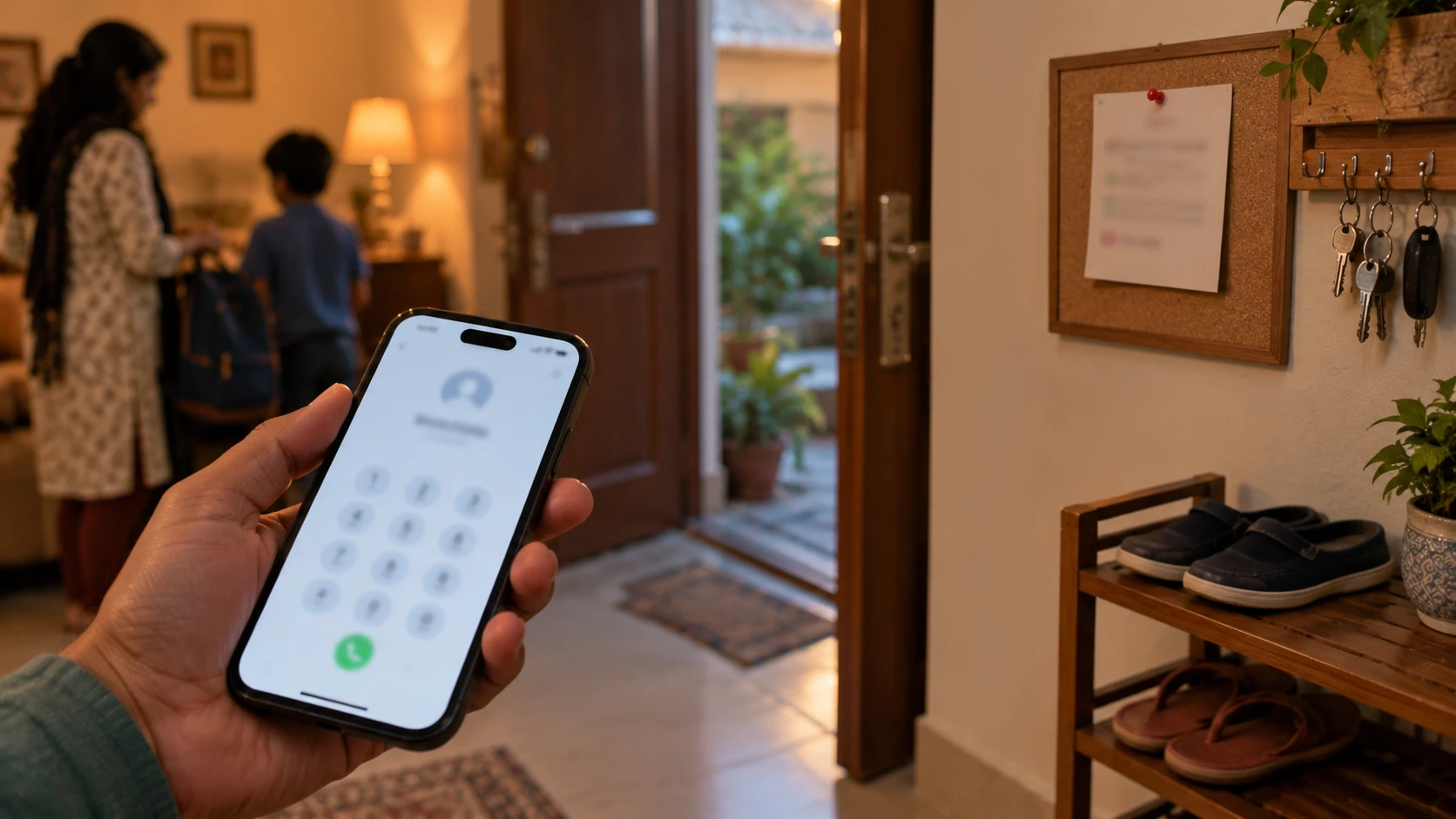
- Fix a meeting point before you leave home, not at the ghat, and put a phone number on every child and every elder.
- Travel light and stay on your feet. If something blocks the way ahead, do not push through. Stop, and tell the people behind you to stop.
- Keep dry and keep moving in the cold. Shivering is a warning, not something to ignore, and alcohol does not warm you.
- Cross water only on authorised boats with life jackets. A ferry that is overloaded or sailing in poor visibility is a danger of its own.
The dates, and how sure we are
Magh Mela 2027, Prayagraj. Incredible India, the Ministry of Tourism site, lists the mela from 15 January to 6 March 2027. A Hindi news report of 8 October 2026 gives six main bathing days: Makar Sankranti on 15 January, Paush Purnima on 22 January, Mauni Amavasya on 6 February, Basant Panchami on 11 February, Magh Purnima on 20 February and Mahashivratri on 6 March. We found no Mela authority page with these dates, and some travel sites give a different start, so please confirm with the Mela administration. Panchang dates can also shift by a day.
Ganga Sagar, Sagar Island. We found no West Bengal government notice of the 2027 dates. The main bath is at Makar Sankranti, on 14 or 15 January depending on the source. For comparison, a newspaper report said the 2026 fair ran from 8 to 17 January with the main dip on 14 January. The state’s Chief Minister said on 30 October 2026 that the fair would become an international event from 2027 and that the fairground is being enlarged (UNI); no date or crowd figure came with that.
Sabarimala. If your plan includes Sabarimala around Sankranti, the Travancore Devaswom Board’s website says online booking of the virtual queue is mandatory for all pilgrims, and UNI reported on 27 October 2026 a daily darshan limit of 80,000 including spot bookings. We could not confirm the season dates from an official page, so check the Board’s notice.
What January 2026 looked like
Magh Mela. On Mauni Amavasya, 18 January 2026, more than 3.15 crore people had bathed by noon, according to PTI. The same report said the mela covered about 800 hectares in seven sectors, with over 10,000 police for security and traffic, 42 temporary parking zones for over a lakh vehicles, 12,100 feet of bathing ghats and over 25,000 toilets. None of the reports we read mentions an incident that day. The crowd is not the same every day: All India Radio put the previous day’s bathers at about 1.5 crore.
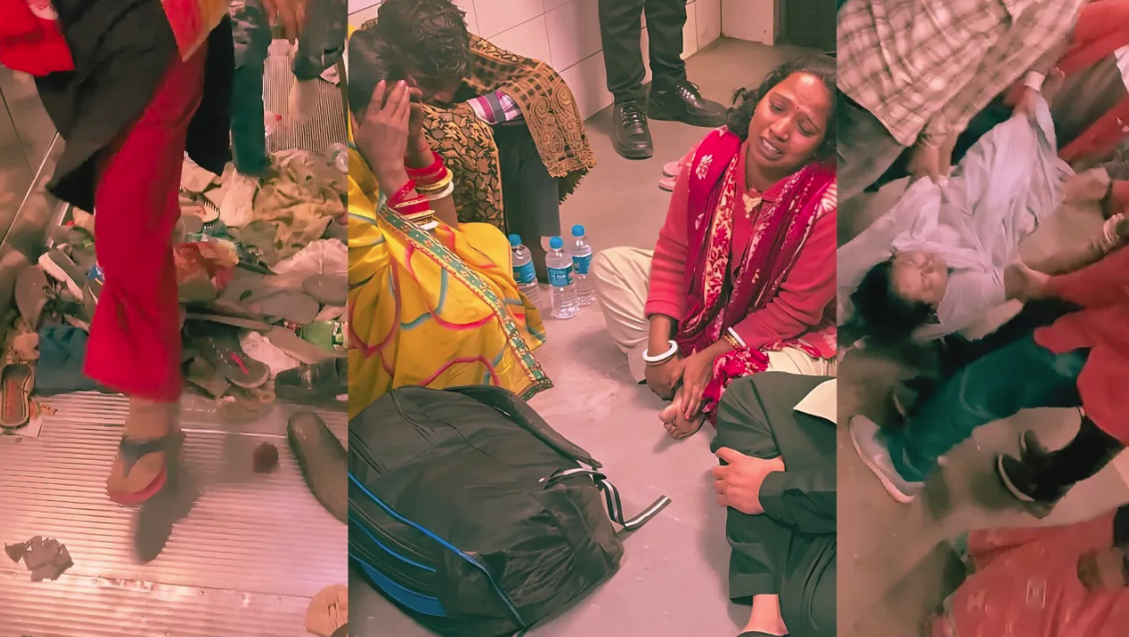
Ganga Sagar. The state’s power minister said about 1.3 crore pilgrims had come by 3 pm on 15 January 2026, a figure that may have passed the previous year’s but that we could not confirm as a record. Earlier, PTI reported about 60 lakh pilgrims by 13 January, 889 people reported missing and 835 traced, and many pilgrims spending the night in the open in severe cold. A later report said 6,632 pilgrims were separated from their families and 6,627 were reunited, and that five critically ill pilgrims were airlifted to Kolkata. That is a good reason to plan for separation before you go.
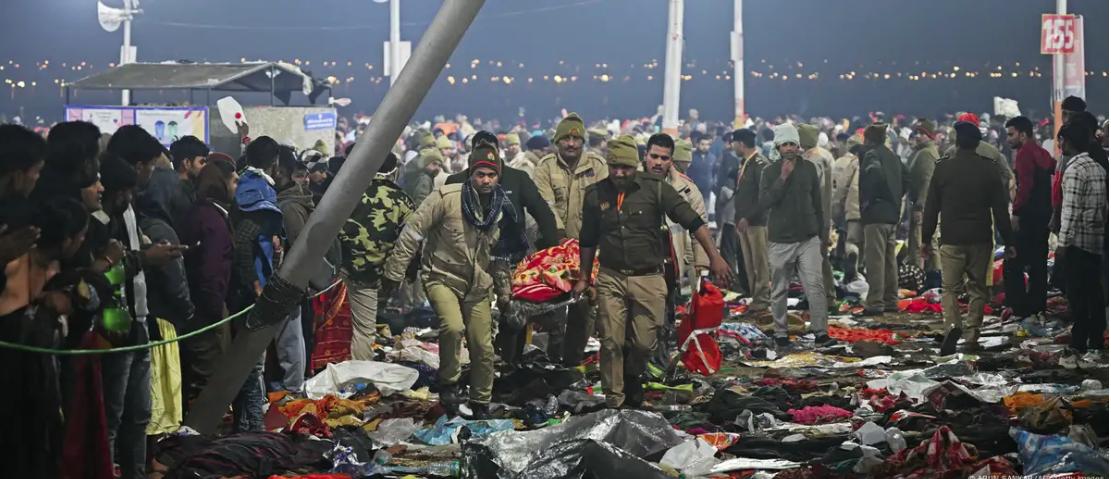
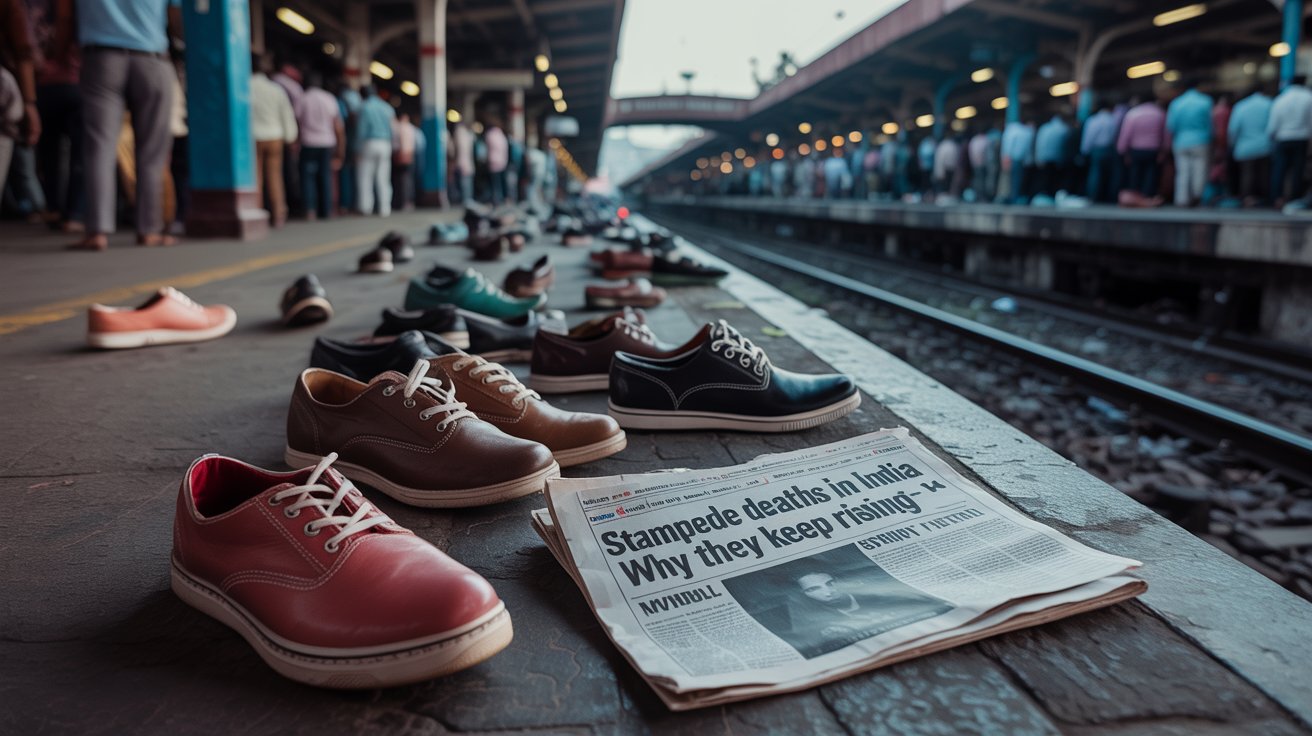
Earlier accidents. Six pilgrims died in a queue for a jetty at Kachuberia on 15 January 2017. On 16 January 2024 a ferry carrying about 400 pilgrims from Sagar Island to Kakdwip ran aground in extremely poor visibility, and the Coast Guard evacuated 182 of them; no deaths were reported in the report we read. And at the Maha Kumbh on 29 January 2025, UP Police said 30 people died in a crush on Mauni Amavasya. Our page on stampedes at religious gatherings has that record.
Before you leave home
- Choose the day. If your family has no fixed muhurat, an ordinary day in the mela is far safer than a main bathing morning. If you must go on a main day, plan to arrive early and leave before the peak.
- Write down the plan. One meeting point outside the crowd, a time to meet if you get separated, and the name and number of one relative back home who knows where you are. This is our own advice.
- Put a number on everyone. A card in the pocket of every child and every elder with a phone number, their name and the name of the group. Do not rely on a phone alone; batteries die in the cold and networks jam in a crowd.
- Travel light. The NDMA guide’s own advice to visitors is to travel light and to learn the entry and exit points. One small bag, closed footwear that will not come off, and a warm layer.
- Carry what the cold and the queue need: water, any regular medicines, a change of dry clothes in a plastic bag, and a power bank.
- Know your way back. Note the exit routes and where your vehicle or train is. At Prayagraj the Railways ran a Mela Rail Service portal for schedules and station maps in January 2026 (Republic World), and the Railways have been building holding areas at stations; our page on railway station stampedes explains them.
- Check the mela’s own tools. The UP government launched a Mela Seva app on 10 January 2026 with QR codes on electricity poles that lead to a complaint form (Free Press Journal). If you are separated, ask at the lost-and-found booth that the mela publishes rather than searching the crowd.
On the way and at the ghat
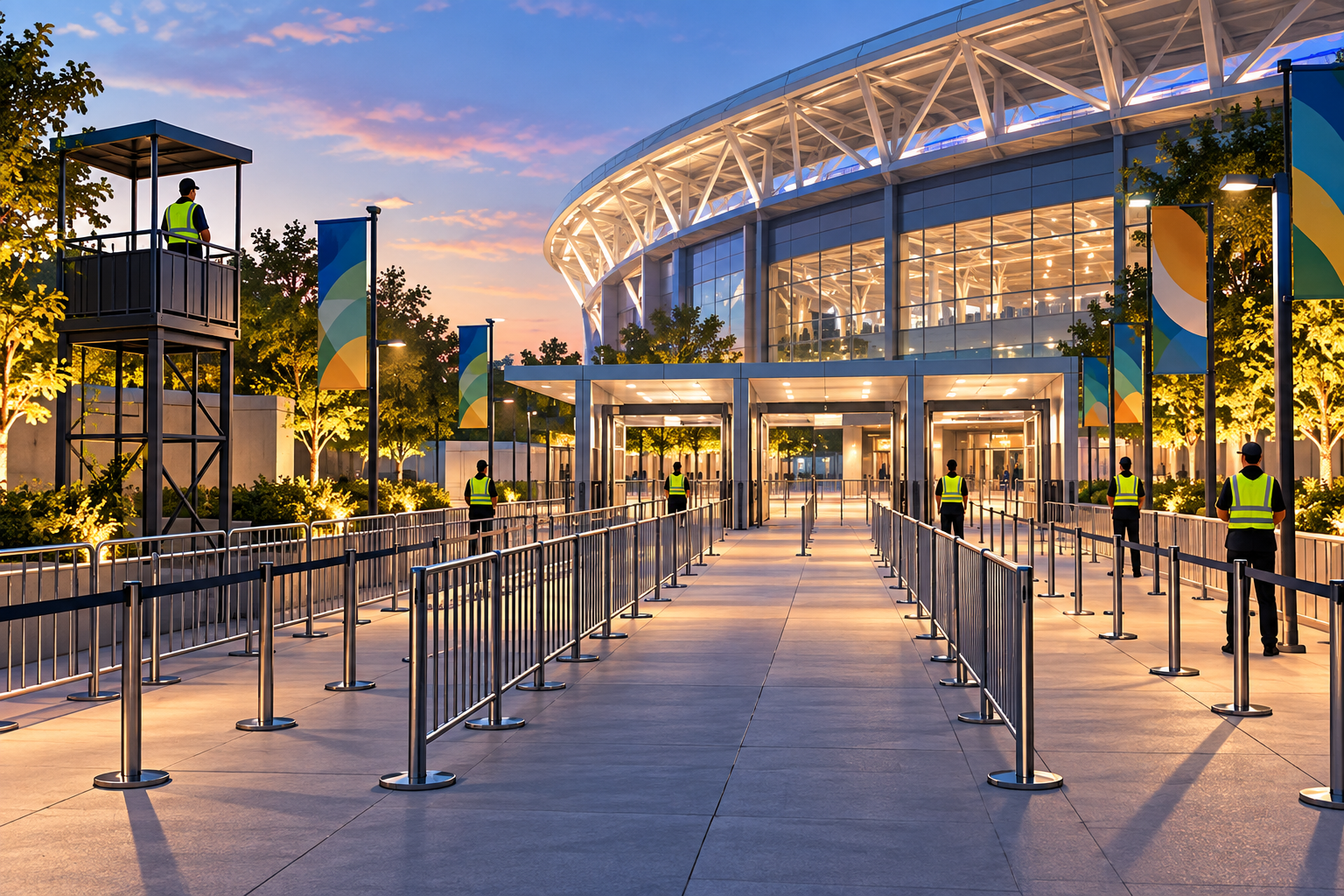
- Follow the marked route, even if it is longer. Cutting across a queue or walking back against the flow is how a bottleneck forms. The NDMA guide lists a collision between large inward and outward flows among the triggers of crowd disasters.
- If the way is blocked in front, hold. The NDMA guide’s advice is not to push through or push back, but to hold and alert the people behind you to hold until the obstruction is removed.
- Keep away from the narrowest points: the foot of a pontoon bridge, a gate, a staircase and the edge of a barricade. At Chorbagan the crush was at an exit gate and at Ashok Dham at a barricaded approach; see our case studies of Chorbagan and Ashok Dham.
- Do not believe a shout. A rumour of live current, a collapse or a closing gate started crushes at Lakhisarai and Haridwar. Look for the nearest open side, move calmly and ask a marshal.
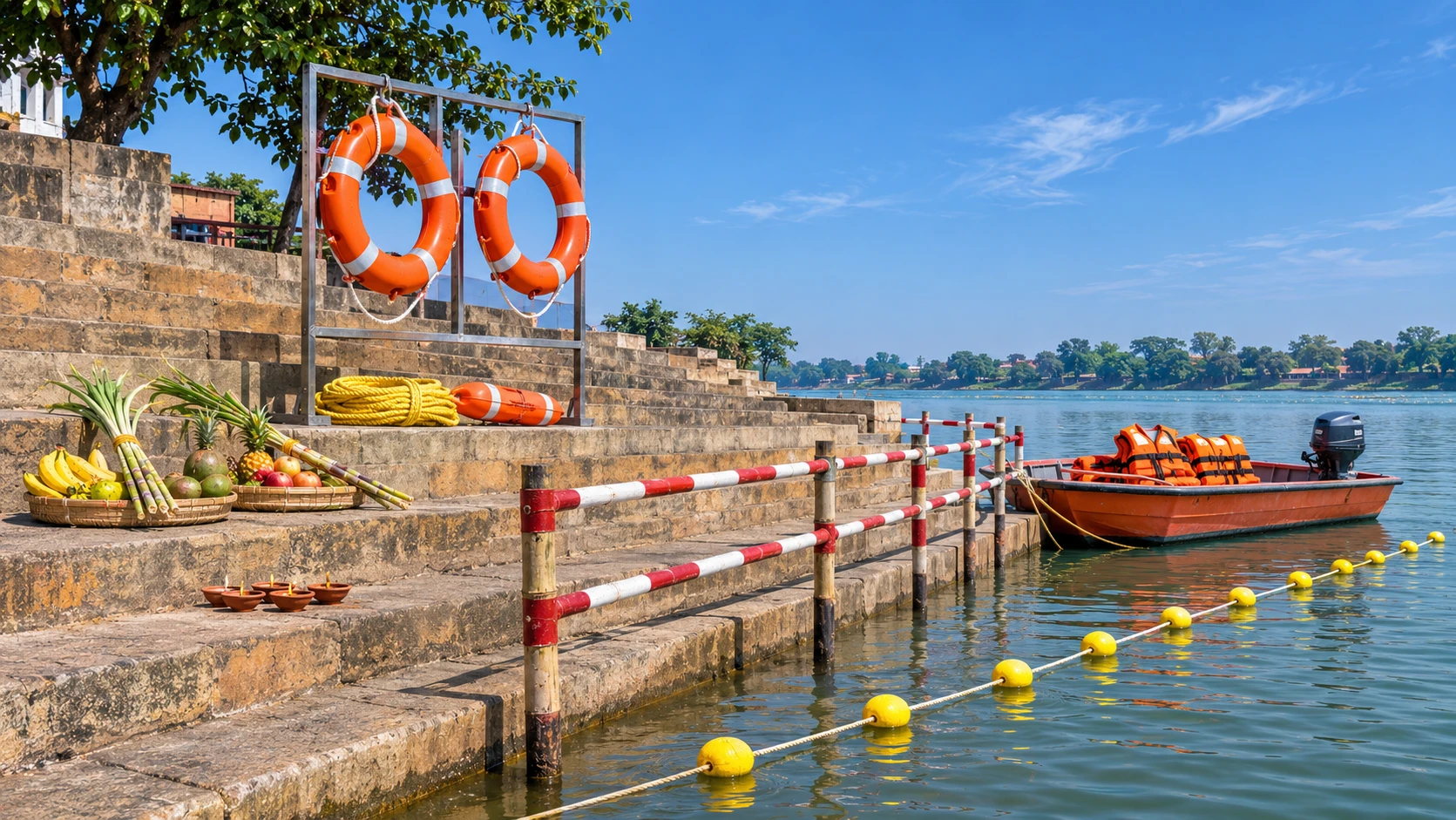
- Bathe where the administration has marked the ghat, stay inside the barricade and keep children no deeper than knee level (our advice). Our guide to ghat safety, drowning and crowd crush has the rescue steps: reach or throw, and do not go in.
- No selfies and no stopping on bridges or steps. Stand still only at the side, never in the flow.
Crossing to Sagar Island and other boats
Sagar Island is reached by boat across the Muriganga. We could not find an official crossing advisory, so these points are our own and follow ordinary boat sense. Board only the launches and ferries that the fair administration is using, from the marked jetty. Wear a life jacket if one is offered, and do not board if the vessel looks crowded beyond its seats. Do not push at a jetty queue; the 2017 Kachuberia deaths were in a jetty queue. If the fog is thick, expect delays and do not pay anyone to take you across in a small private boat. For the reported 2026 plan, the state said it would use thermal and night-vision drones over the grounds and the river, a tracking system that alerts if launches leave their route, high-intensity lights on the Muriganga and about 2,500 civil defence volunteers (Millennium Post, 1 January 2026). That is a plan as reported, not a promise about what will be there in 2027.
The cold
Many pilgrims sleep in the open or in thin tents, and bathe at dawn in winter air. The India Meteorological Department’s cold-wave advice is to wear multiple layers, keep dry, change quickly if you get wet, prefer mittens to gloves and drink hot drinks regularly. It also says not to drink alcohol because it reduces body temperature, not to massage a frostbitten area and not to ignore shivering, which it calls the first sign that the body is losing heat.
- After the dip, dry yourself at once and change into dry clothes; do not stand around in wet ones.
- If someone is shivering badly, drowsy or confused, the IMD advice is to get them into a warm place, change their clothes, warm them with dry layers and skin-to-skin contact, give warm drinks but never alcohol, and seek medical attention if the condition worsens. The NDMA cold wave guidelines add that no fluids should be given unless the person is fully alert. Call 112 or 108 if they are not responding.
- Do not burn coal indoors or in a closed tent or room. The NDMA cold-wave advice, as reproduced in a Punjab government advisory, warns that closed spaces can fill with carbon monoxide. See our page on carbon monoxide at home and in tents.
- Look for the nearest public shelter. The NDMA cold-wave guidelines ask people to locate a designated public shelter nearby.
If you are separated from your family
- Do not go back into the crowd to look. Go to the meeting point you fixed, or to a police booth, a volunteer or the lost-and-found booth.
- Tell them the name, age, clothing and last place and time you saw the person. Give them your phone number.
- For a child or an elder who is missing or in danger, call 112. Our page on emergency numbers in India lists the others.
- Do not post a child’s photograph or location widely. Give it to the police.
What organisers are told to do
The NDMA’s 2014 guide, Managing Crowd at Events and Venues of Mass Gathering, asks organisers to control the inflow, plan holding areas, keep ample entrances and exits unobstructed, run a public address system along the route, build barriers strong enough for people who lean on them and keep medical cover and ambulances with a clear route. Our page on crowd-crush warning signs lists these, and how to survive a stampede or crowd crush covers what to do if you are caught.
Do these before you book
- Pick a day, and a second day as a back-up, and tell your family why.
- Write the meeting point and a relative’s number on cards for the children and the elders.
- Pack the dry clothes, water, medicines and power bank, and no more than one small bag each.
- Check the Mela or Fair administration’s notice for the dates, routes and helplines closer to the day.
- Save 112 and 108 on every adult’s phone.
What we could not confirm
No official 2027 crowd plan, route map or helpline for the Magh Mela, Ganga Sagar or Sabarimala was published when we checked on 10 November 2026, so none is described. The six Magh Mela bathing days come from a Hindi news report, not a government page. We could not open the report of the judicial commission on the 29 January 2025 crush, so we do not quote its recommendations. We found no official advice on crossing the Muriganga, no Makar Sankranti or Uttarayan date from an official page and no official figure for Ganga Sagar’s 2025 or final 2026 crowd; the 1.3 crore figure is a minister’s statement to the press. Several attendance totals above are press reports of official statements. We did not watch the videos in full. This page is general information, not a travel advisory.
What needs attention
- The biggest bathing mornings carry the most people: 3.15 crore by noon on Mauni Amavasya 2026.
- At Ganga Sagar in January 2026, thousands of pilgrims were separated from their families; almost all were reunited, according to a newspaper report of official figures.
- The 2017 Kachuberia deaths happened in a jetty queue, and the 2024 ferry grounding happened in poor visibility.
- The NDMA guide asks organisers to control inflow, plan holding areas and keep exits clear; visitors are asked to travel light and not to push through a blocked point.
- We found no official 2027 crowd plan, no Muriganga crossing advisory and no official 2025 or final 2026 attendance figure for Ganga Sagar.
Controls that reduce risk
- Pick a quieter day and a back-up day.
- Write the meeting point and a relative's number on cards for children and elders.
- Pack dry clothes, water, medicines and a power bank, and travel light.
- Check the Mela or Fair administration's notice before you travel.
- Save 112 and 108 on every adult's phone.
Common unsafe practices
- Going on the busiest morning without a plan to separate and meet again.
- Pushing through or back when the way ahead is blocked.
- Standing on a bridge, step or jetty to take a photograph.
- Boarding a crowded boat or a small private boat in fog.
- Warming up with alcohol, or burning coal in a closed tent.
- Going back into the crowd to look for a lost family member.
Leave a comment