
Quick answers
What should I do if someone is drowning at a ghat?
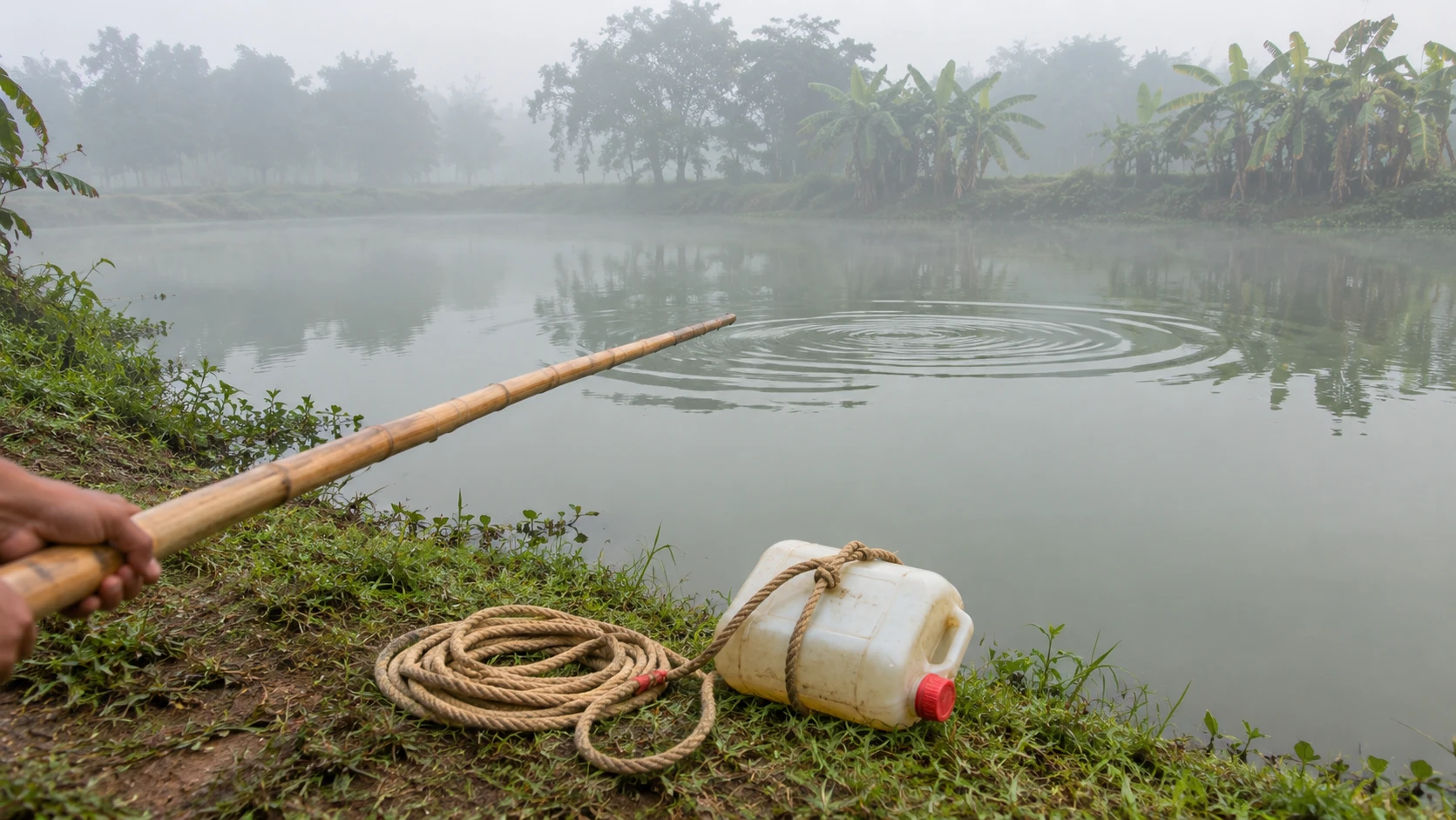
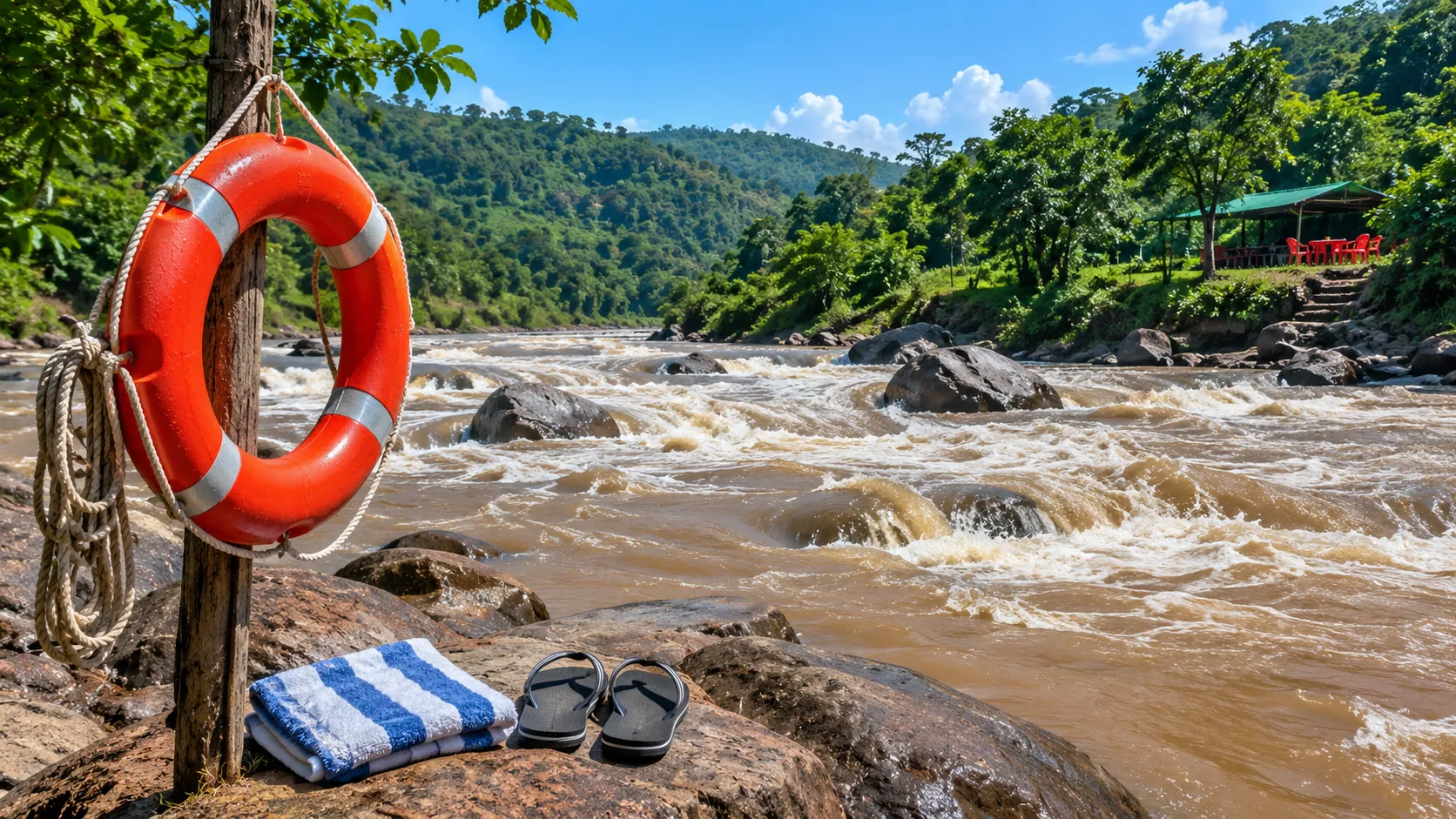
Do not jump in. Shout, keep watching the spot, call 112 or 108 and send someone to the ghat's divers or rescue team. Reach with a pole or throw a rope or something that floats. The British Red Cross says not to put yourself at risk, because a rescuer can drown too.
How do I rescue someone without becoming a second victim?
Stay on the steps or bank, lie down if you need to, and reach with a stick or throw a float. Do not let a second or third untrained person enter the water. Our case study of the Sai River immersion drowning describes how rescuers followed one another into deep water.
Do I do CPR on someone pulled from the water?
If they are not breathing normally, start CPR. The British Red Cross gives five rescue breaths first, then 30 compressions. India's Resuscitation Council says compression-only CPR may not work after drowning. If you cannot give breaths, hands-only compressions are better than none. Take the person to hospital.
What is the safest way to bathe or give arghya at a ghat?
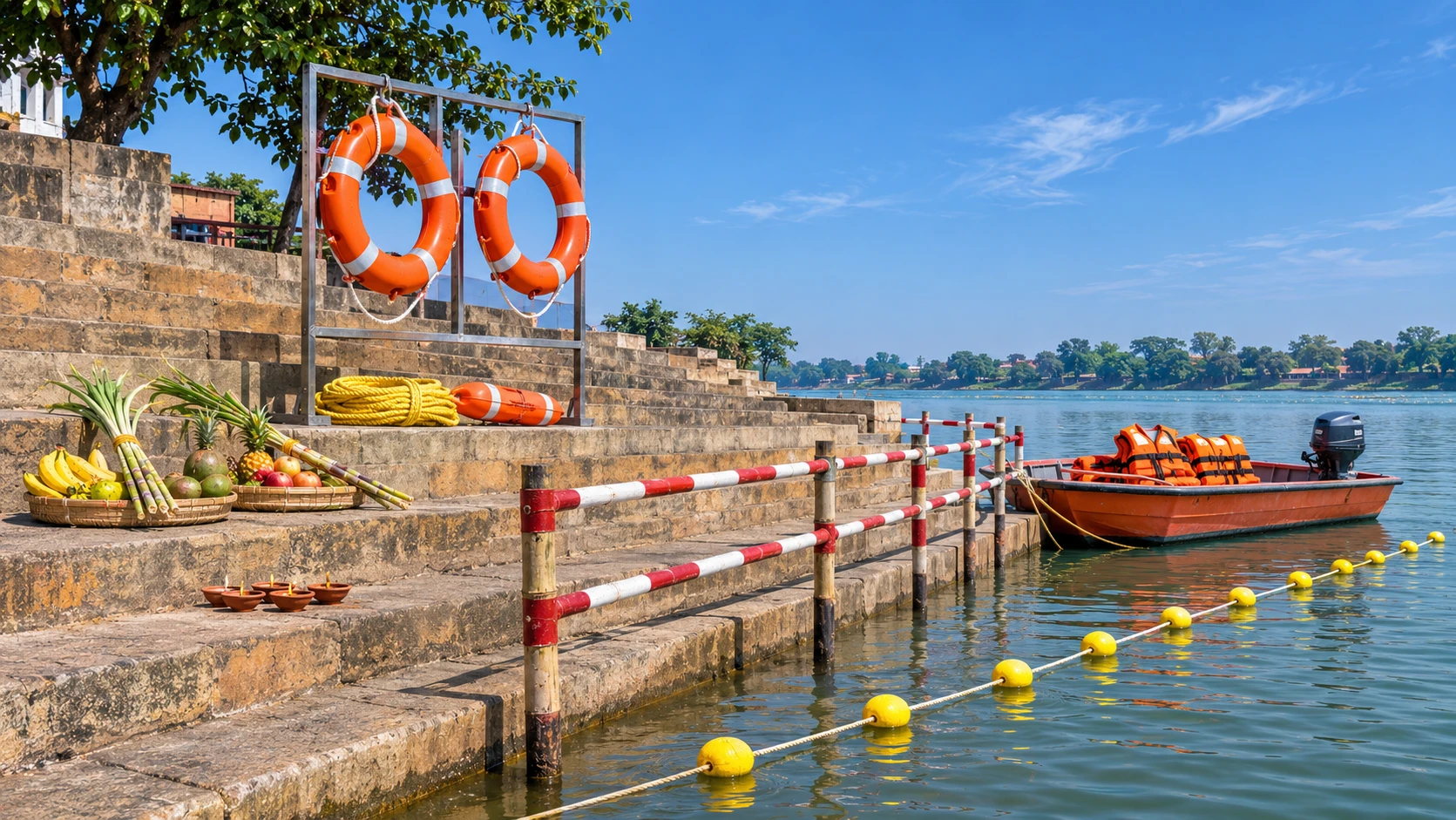
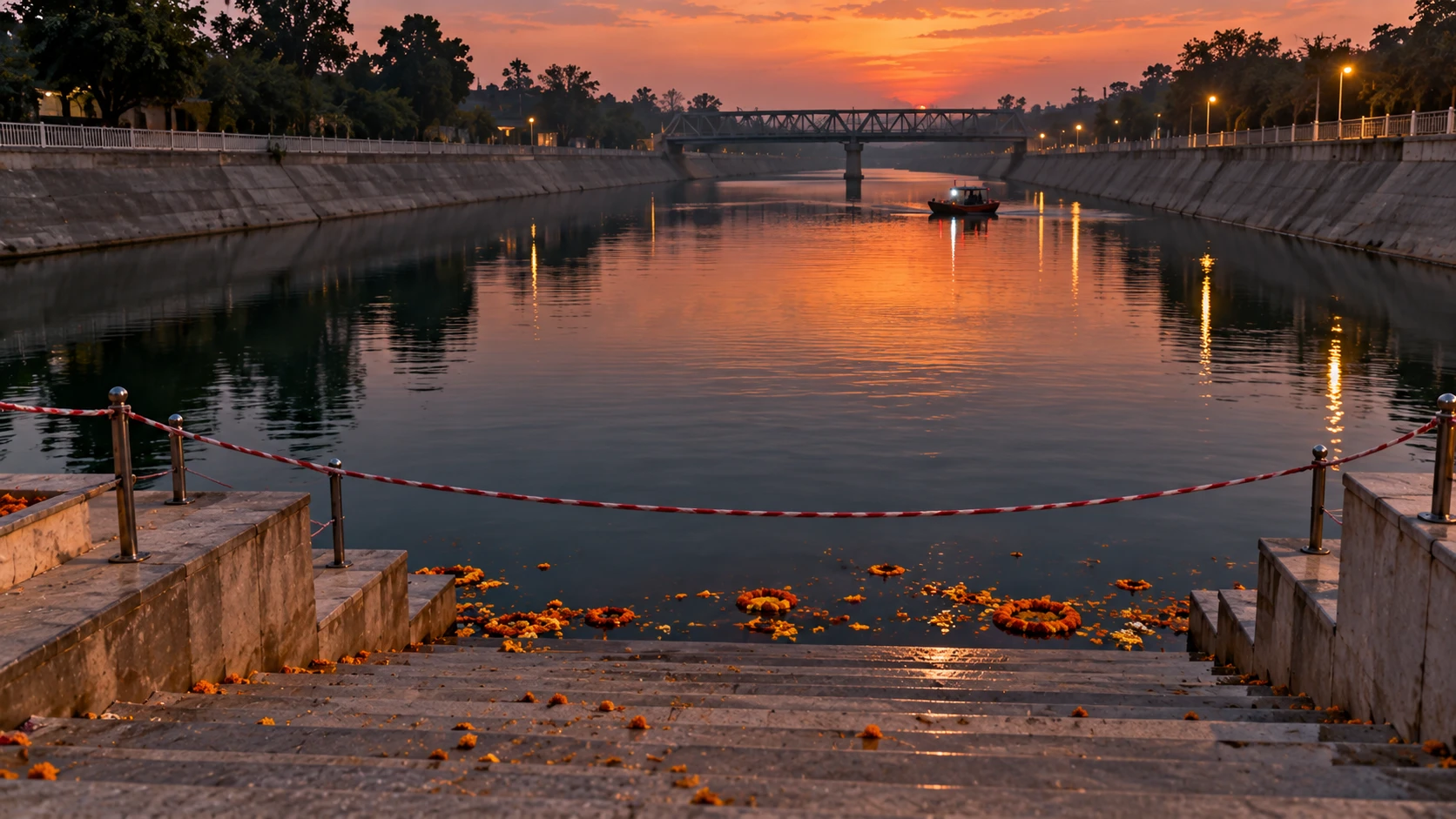
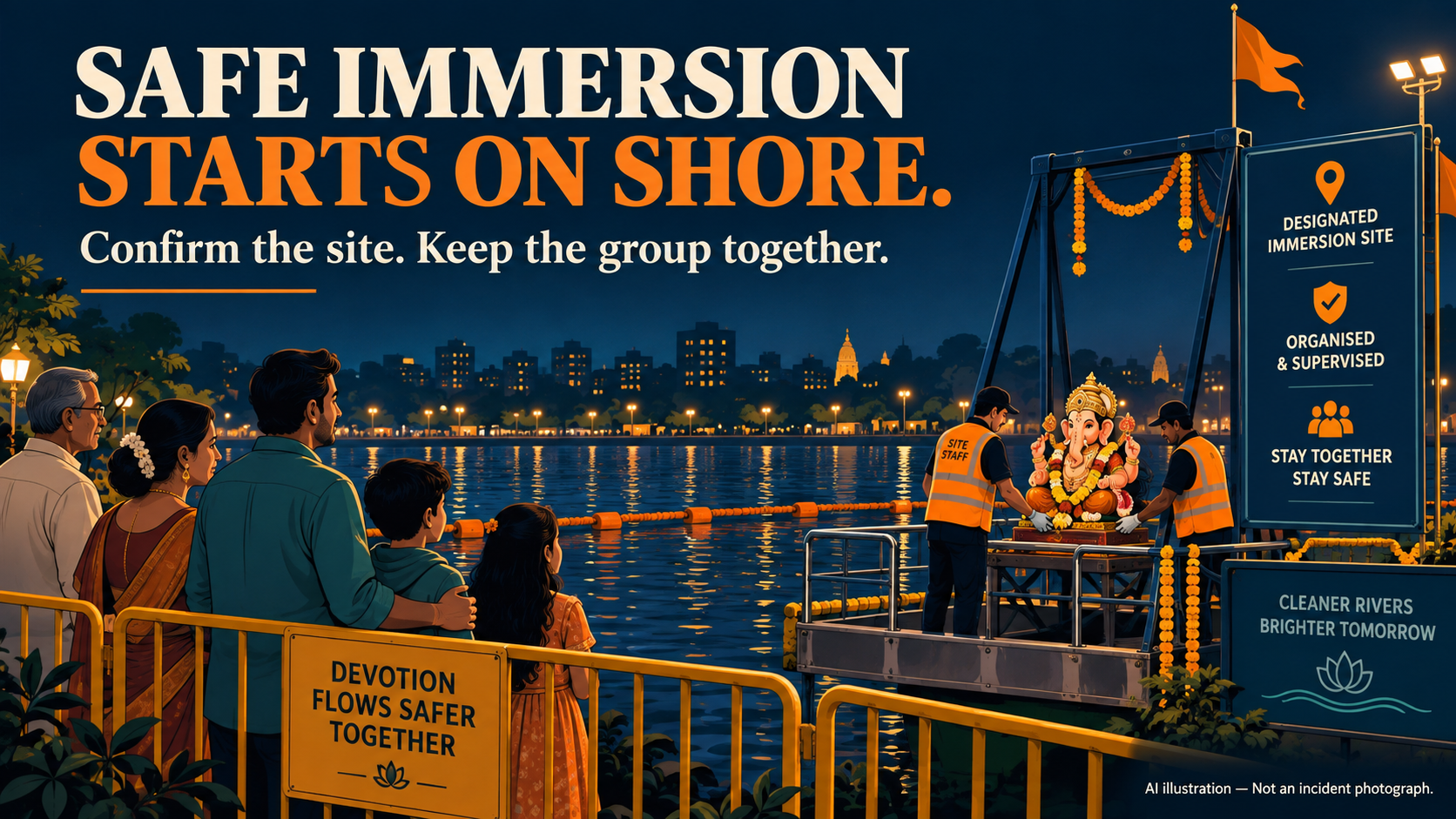
Use the ghat the administration has opened, stay inside the barricade or rope line, keep to shallow water, and never go alone. Keep a child's hand in an adult's hand at the waterline. Do not wade in with heavy clothes or go beyond the barricade for a photograph.
How do I stay safe in the crowd on the ghat steps?
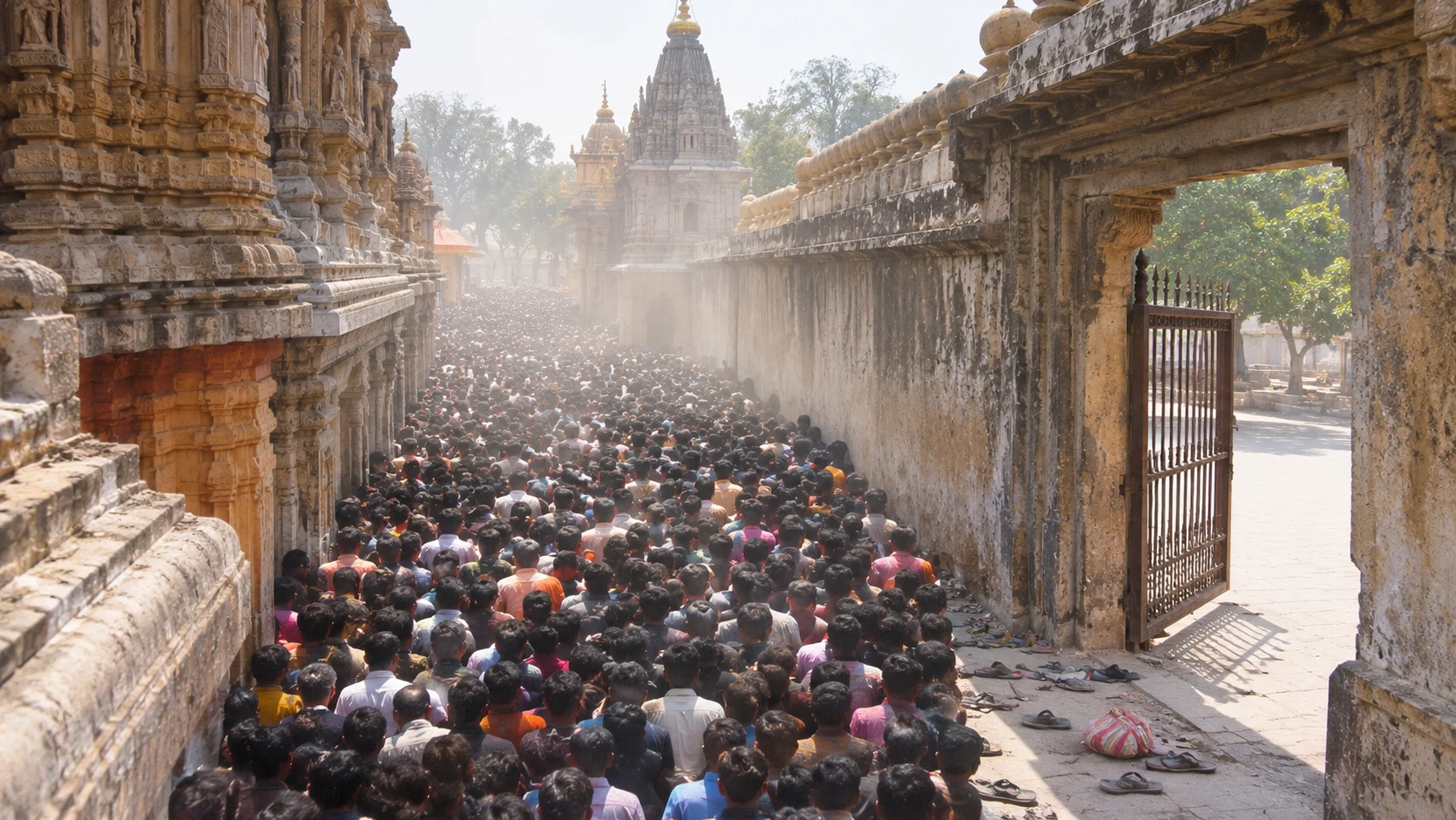
Move with the crowd and do not stop on the steps. Keep away from barricades and railings. If a push starts, move sideways towards the edge, keep your arms up in front of your chest, and leave early if you cannot lift your arms. Do not repeat rumours.
Is it safe to take a boat on Dev Diwali?
Only if the boat is not overloaded and everyone wears a life jacket. In Varanasi, officials told ETV Bharat life jackets are mandatory and that a passenger who refuses should not be allowed on. Do not stand or lean out in the boat, and avoid boats that look full.
How do I keep children and elderly relatives safe at the ghat?
One adult for each child within arm's reach, an agreed meeting point and a phone number on a slip. For older people, pick the path with a railing and no steep drop, keep someone with them at all times and keep them off wet steps at the edge.
Why do deaths happen while people clean or prepare the ghat?
A local report on the first day of Chhath 2025 described several drownings of people cleaning ghats or preparing the site, some in deep water or strong current. Do this work in daylight, in groups, in the shallow part only, with someone on the bank.
When are Chhath and Dev Diwali in 2026?
Published panchang calendars give 13 to 16 November 2026 for Chhath (evening arghya on 15 November, morning arghya on 16 November) and 24 November 2026 for Dev Deepawali. Check your local notice for exact times.
Chhath and Dev Diwali bring thousands of families to river and pond ghats, often in the dark, often with small children and grandparents, and often on wet steps. This page is a short plan for the family and for the neighbour who finds themselves at the water’s edge when something goes wrong: how to stay out of trouble, how to behave in the crowd, and what to do if someone goes under, without a second person following them in. Where India has no public text for a step, we use British guidance and say so. The Chhath dates below come from published panchang calendars; local notices may differ. Checked 5 November 2026.
In short
- Use only the ghat the district has opened, stay on the near side of the barricade or rope, and never go into deep water for the arghya, a dip or a photograph.
- One adult for each child, within arm’s reach at the waterline. Older people go with someone, by the safest path, not the shortest.
- On the steps, move with the crowd and do not stop. Keep away from railings, barricades and gaps, and leave early if you cannot lift your arms.
- If someone is in trouble, do not jump in. Shout, call 112 or 108, send for the ghat’s divers and rescue team, and reach or throw something that floats.
- Anyone pulled out of the water needs checking, and CPR with rescue breaths if they are not breathing normally.
When the dates fall, and why these two days are risky
Published panchang calendars put Chhath on 13 to 16 November 2026, with the evening arghya on Sunday 15 November and the morning arghya on Monday 16 November, and Dev Deepawali (Kartik Purnima) on Tuesday 24 November. Check your local notice for the exact time. Both festivals put crowds on steps and at the waterline at the hours when light is poor.
The pattern in past years is not subtle. A news report of 12 November 2021 counted 33 people drowned in different parts of Bihar in a single day of Chhath, and said relatives blamed the administration for not marking dangerous ghats. A local report of 25 October 2025, the first day of the festival, listed drownings in seven Bihar districts, many of them while people were cleaning ghats or preparing the site, and several in deep water or strong current; its own totals did not add up, so we give no figure. In Varanasi, ETV Bharat reported on 31 May 2026 that 21 people had drowned in about five months and 66 had been rescued, with careless bathing at the ghats and passengers refusing life jackets among the causes cited. The World Health Organization says the risk of drowning rises when children are near water without an adult actively watching.
Before you go
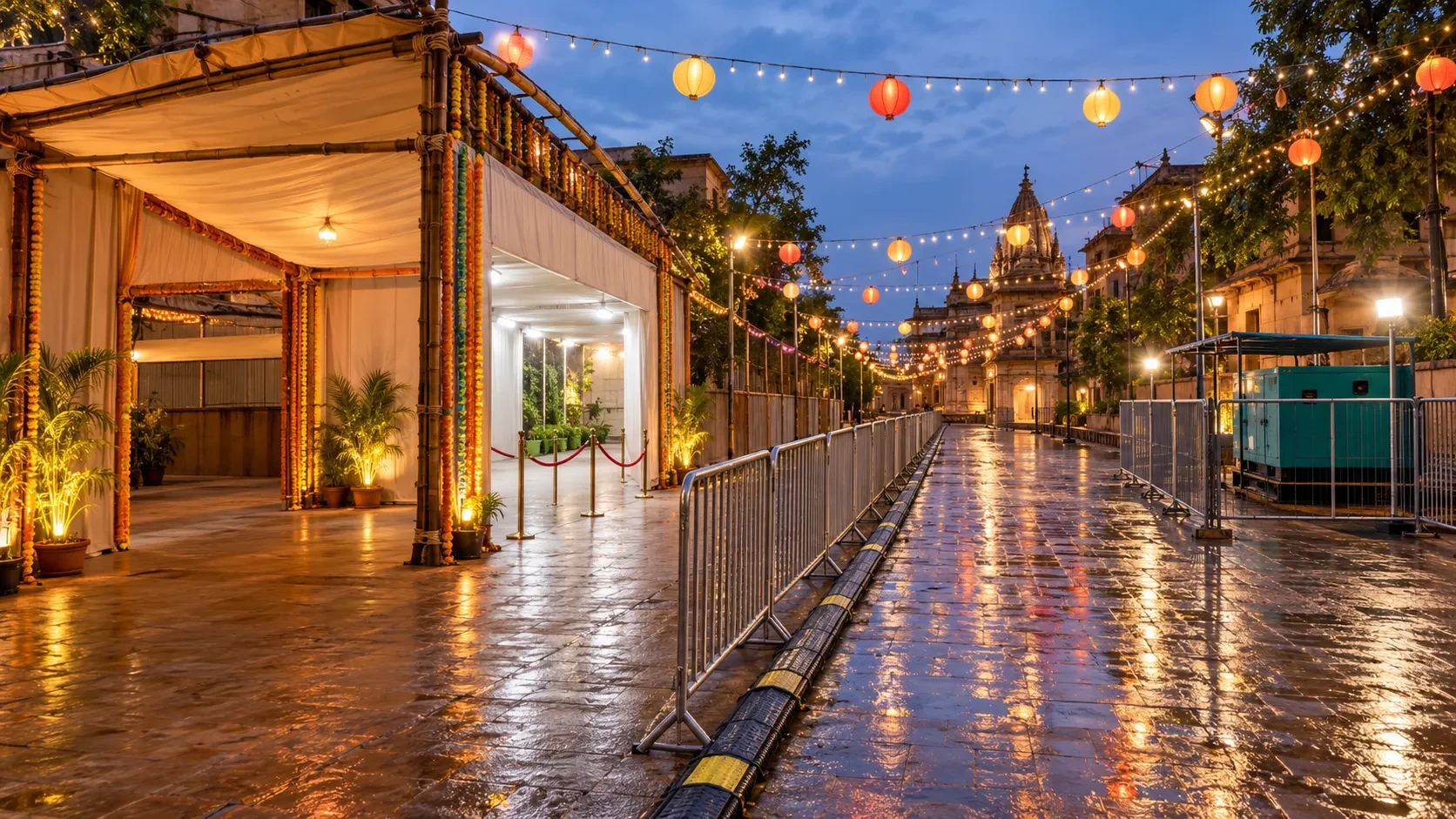
- Pick the right ghat. District administrations usually mark some ghats as unsafe. In 2025, a local report said the Patna administration listed six ghats as dangerous because of deep water, strong current and slippery or swampy banks, and told devotees not to cross barricades or enter deep-water zones. Look for this year’s notice, and prefer the ghat with barricades, lights, divers and a rescue boat.
- Know where the rescue team stands. Note the control room number the district publishes, and where the divers and boats are. Save 112 and 108 on your phone.
- Children. Keep a child’s hand in an adult’s hand at the waterline and agree on a meeting point if you get separated. Our own suggestion: write your phone number on a slip in the child’s pocket. The crowd guide of the National Disaster Management Authority (NDMA) asks for missing-children booths and first-aid posts at big gatherings, so look for them on arrival.
- Older people. Choose the path with a railing and no steep drop. Do not let them stand alone on wet steps or at the edge. Wet stone in November mornings is slippery.
- Footwear and clothes. Leave the long wet sari end or loose dupatta tucked, and do not wade in with a heavy shawl. That is our judgement, not an official rule.
Cleaning and preparing the ghat
The local 2025 report above says many deaths on the first day happened to young men cleaning ghats or preparing the site. Do this work in daylight, in groups, in the shallow part only, with someone staying on the bank. Do not go beyond the barricade to “clear the mud” or to fetch water. The same drop-off that is safe for a bath one day can be a steep bank the next.
Boats and Dev Diwali nights
- Boats are often hired on Dev Diwali to see the diyas from the water. Wear a life jacket and put one on every child. In Varanasi, an Additional District Magistrate told ETV Bharat that anyone who refuses a life jacket should not be allowed on the boat.
- Do not board a boat that looks full. As reported by Onmanorama, NDMA’s boat guidelines say capacity should be fixed when a boat is registered, that overloading is the main cause of boat accidents, and that numbers should be cut to two-thirds in bad weather.
- Do not stand up, lean out to light a diya or take a photograph, or move to one side together. Keep your weight low and central.
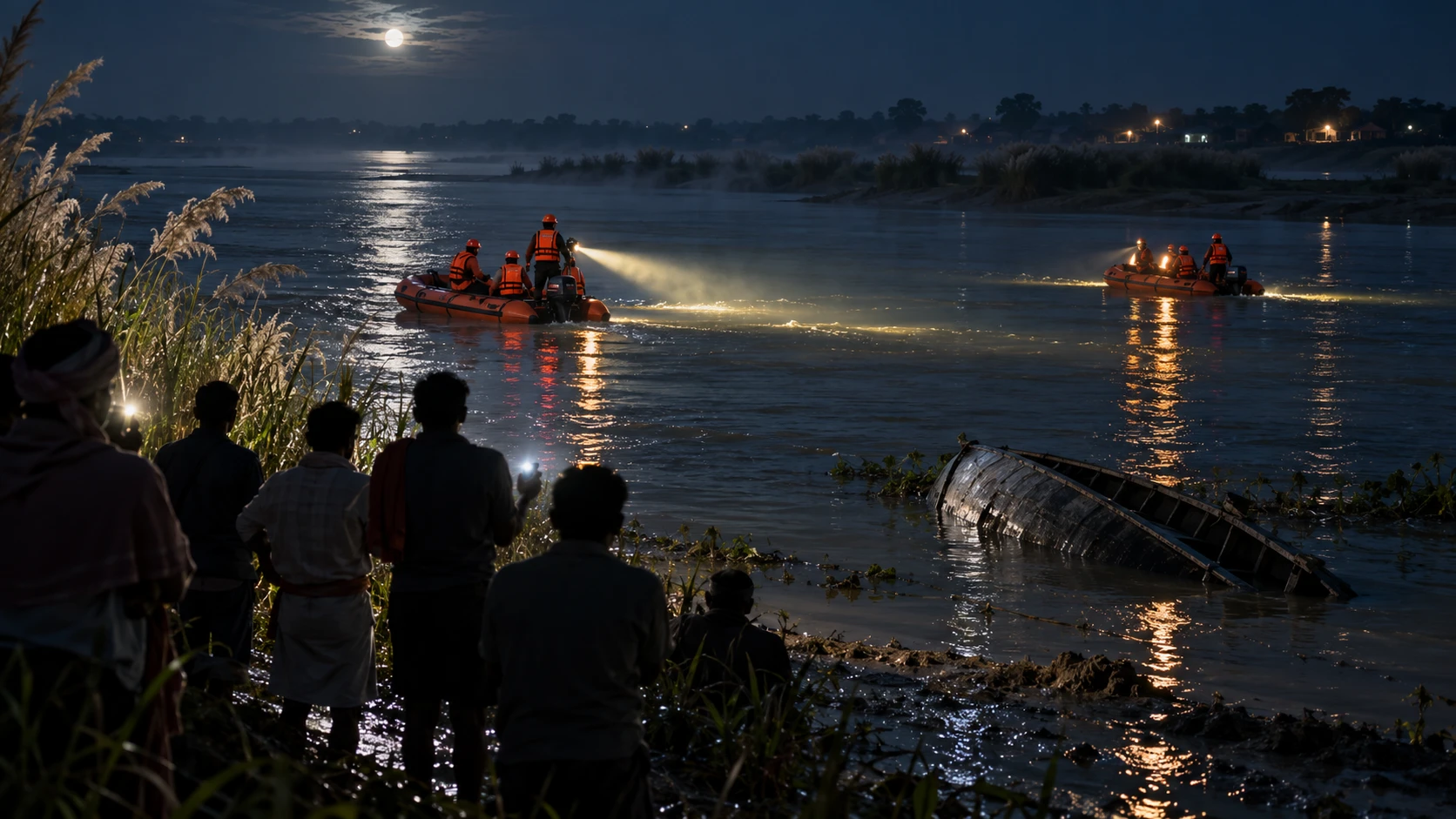
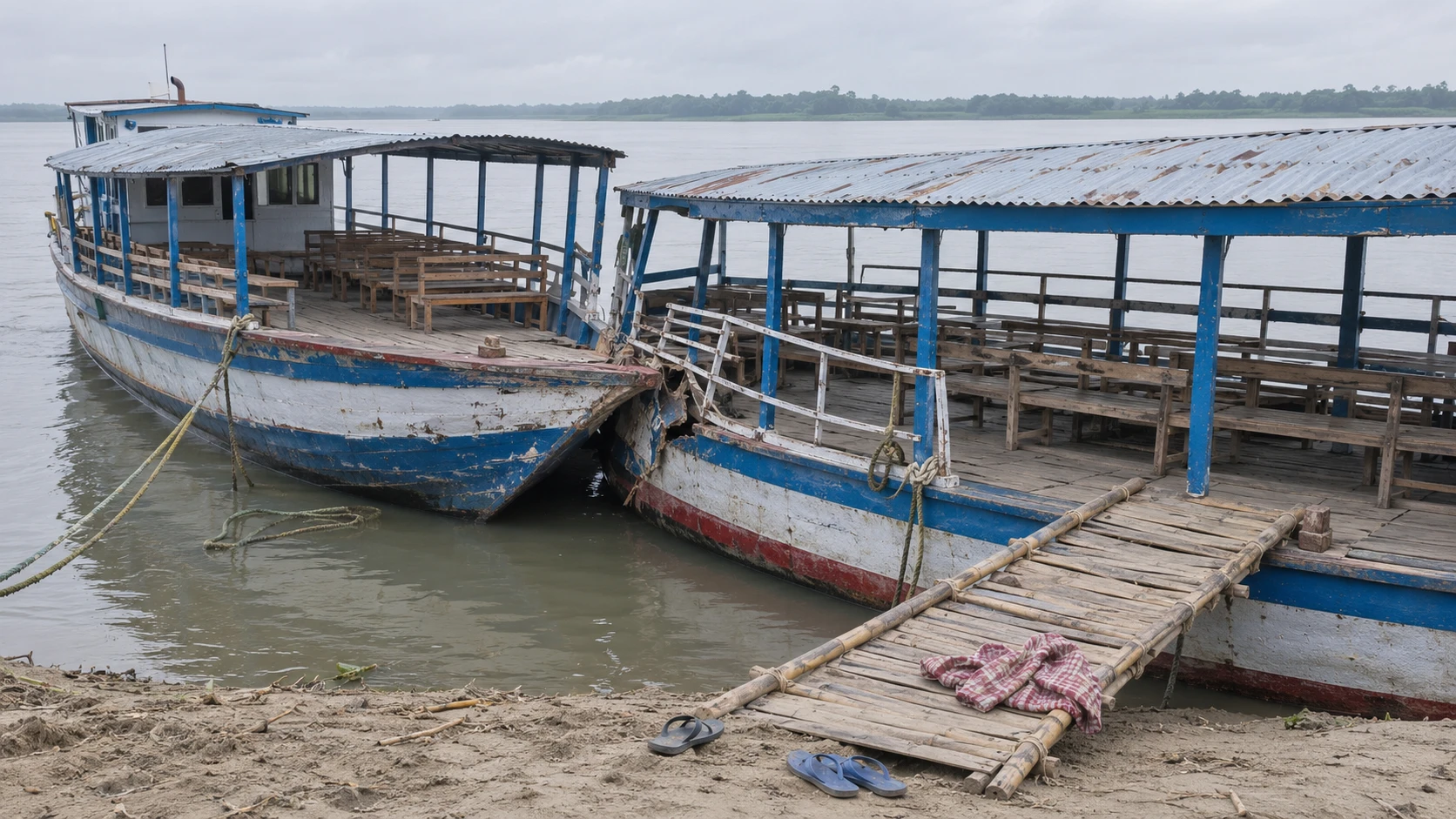
- If you are in the water after a boat tips, stay with the boat if it floats and call out. See the Raghopur boat capsize and Barpeta ferry collision case studies.
Crowd rules on steps and barricades
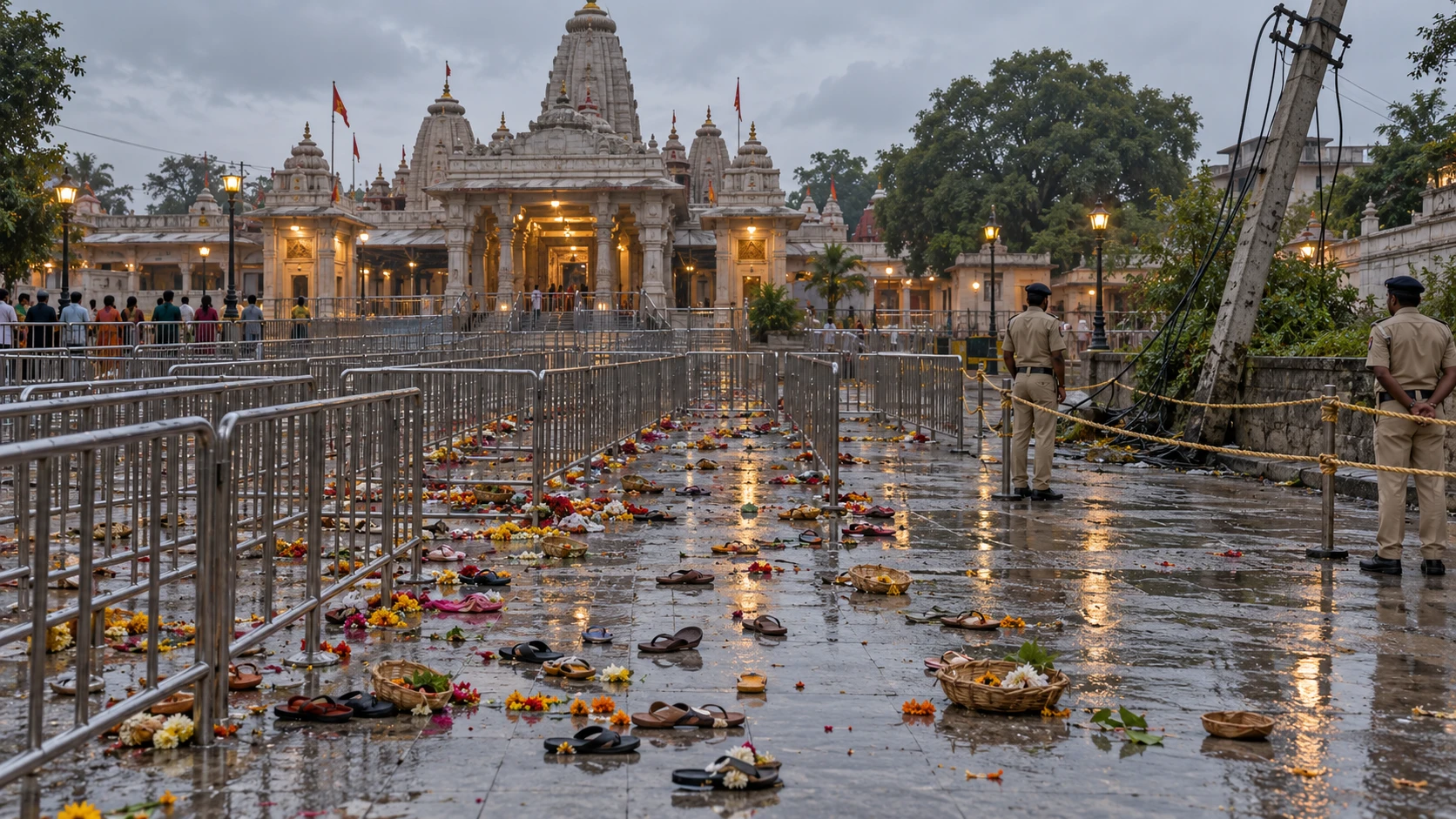
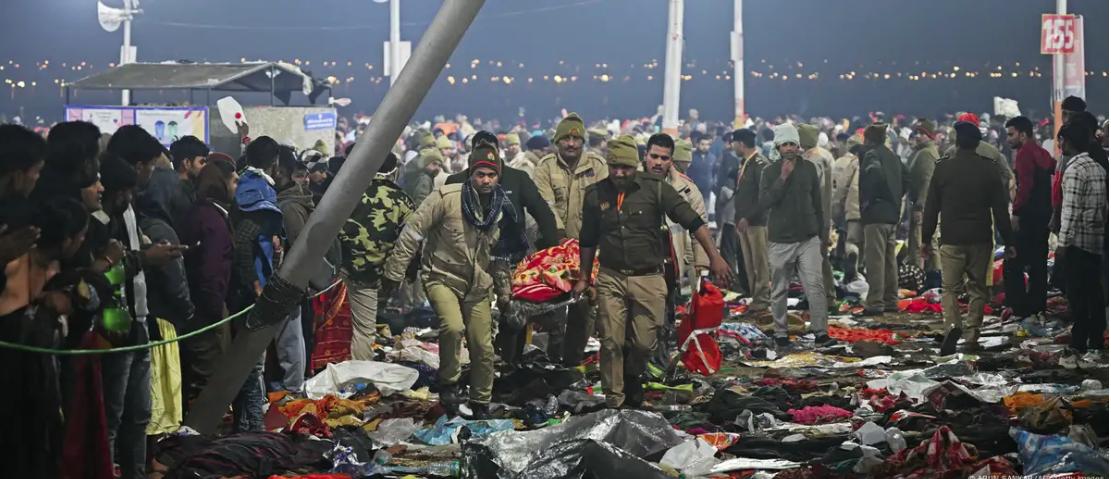
The NDMA crowd guide (2014) lists, among the causes of crowd disasters, a rush to board a ferry, a collision between inward and outward flows, a rumour on a narrow stairway and poor railings and barricades. It asks organisers to keep barricades visible and lit at night, to keep emergency exits unblocked, and to look after bathing ghats with enough space and flow control. It asks visitors to hold on when there is an obstruction and to ask the people behind to hold on too, and, if someone falls, to wait until the person is lifted or moved to safety before moving on.
- Go down and come up by the marked routes. Do not climb over a rope to save time.
- Do not stop on the steps to take photographs or to wait for someone. Step to the side where there is a landing.
- If a push starts, move sideways towards the edge, not against the flow. Keep your arms up in front of your chest to hold some space to breathe. Leave early if the crowd is so tight you cannot lift your arms. Our pages on pandal and mela crowds and the crowd crush survival guide have the detail.
- Do not repeat a rumour of a collapse or a current. Look first, and tell the volunteer or police officer what you actually saw.
If someone goes under
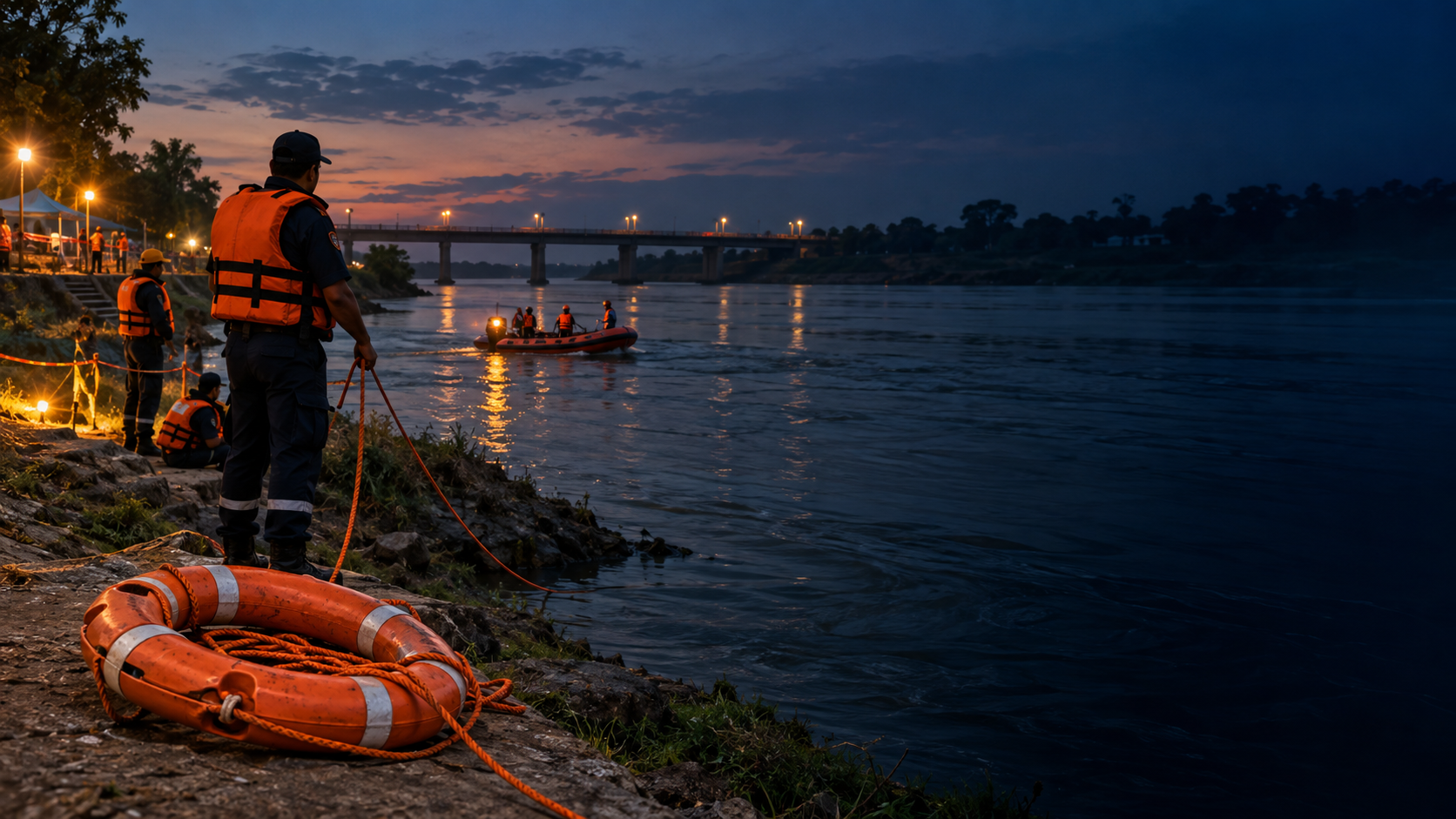
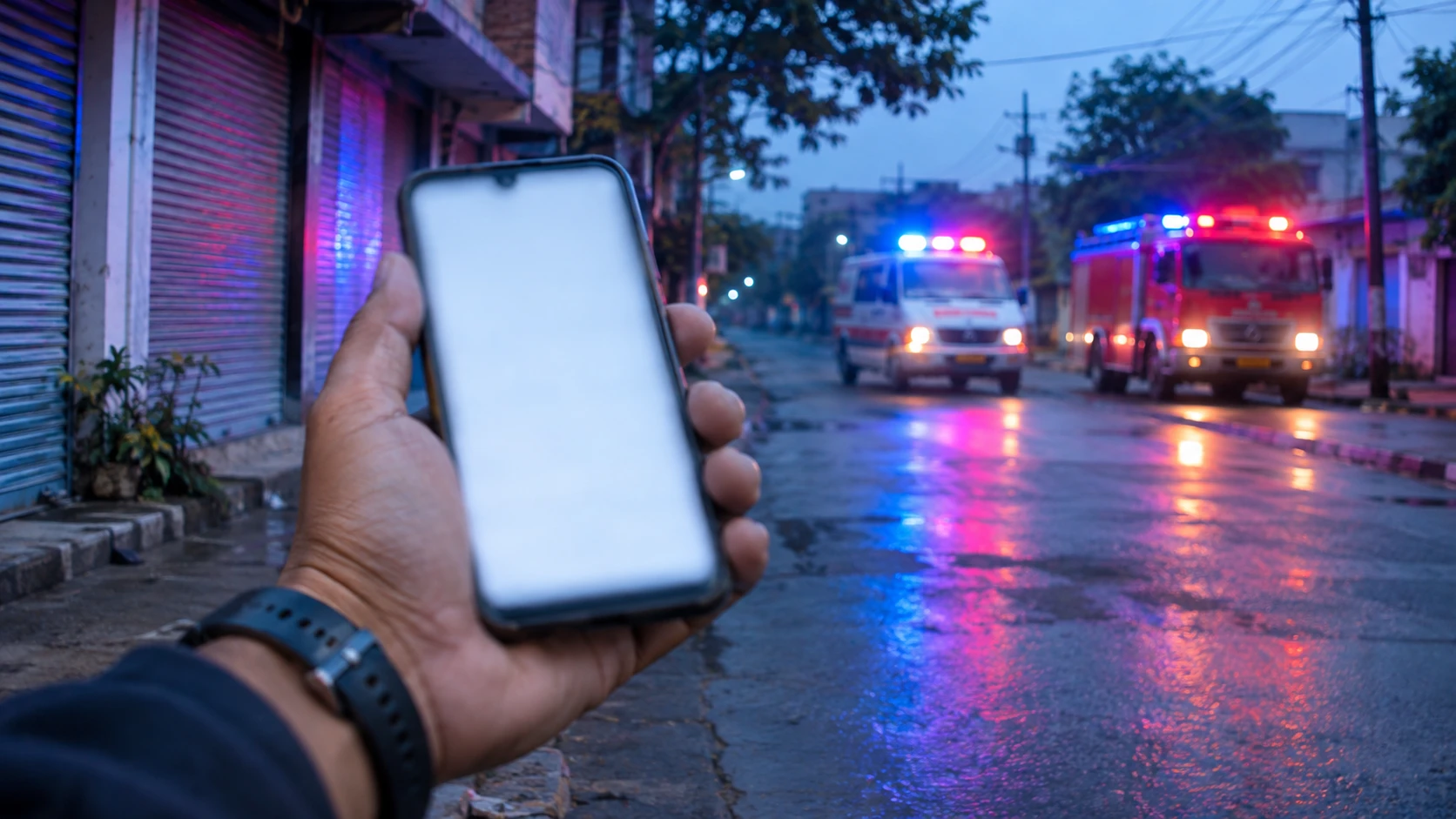
- Shout, point and keep your eyes on the spot. Ask one person to keep pointing at where the person was last seen. Send another to the divers and rescue team at the ghat, and call 112 or 108.
- Do not go in. The British Red Cross says not to put yourself at risk to save a person, or you risk drowning yourself. Several of the cases on this site, such as the Sai River immersion drowning, show a second and third person following the first into the water.
- Reach or throw. Lie on the steps or bank and reach with a long stick or pole. Throw a rope with a float, a lifebuoy or anything that floats, such as a sealed empty container. The American Red Cross and a US Army Corps of Engineers clip in the video list teach “reach or throw, don’t go”. We did not find an Indian official text on this technique, so this is foreign guidance.
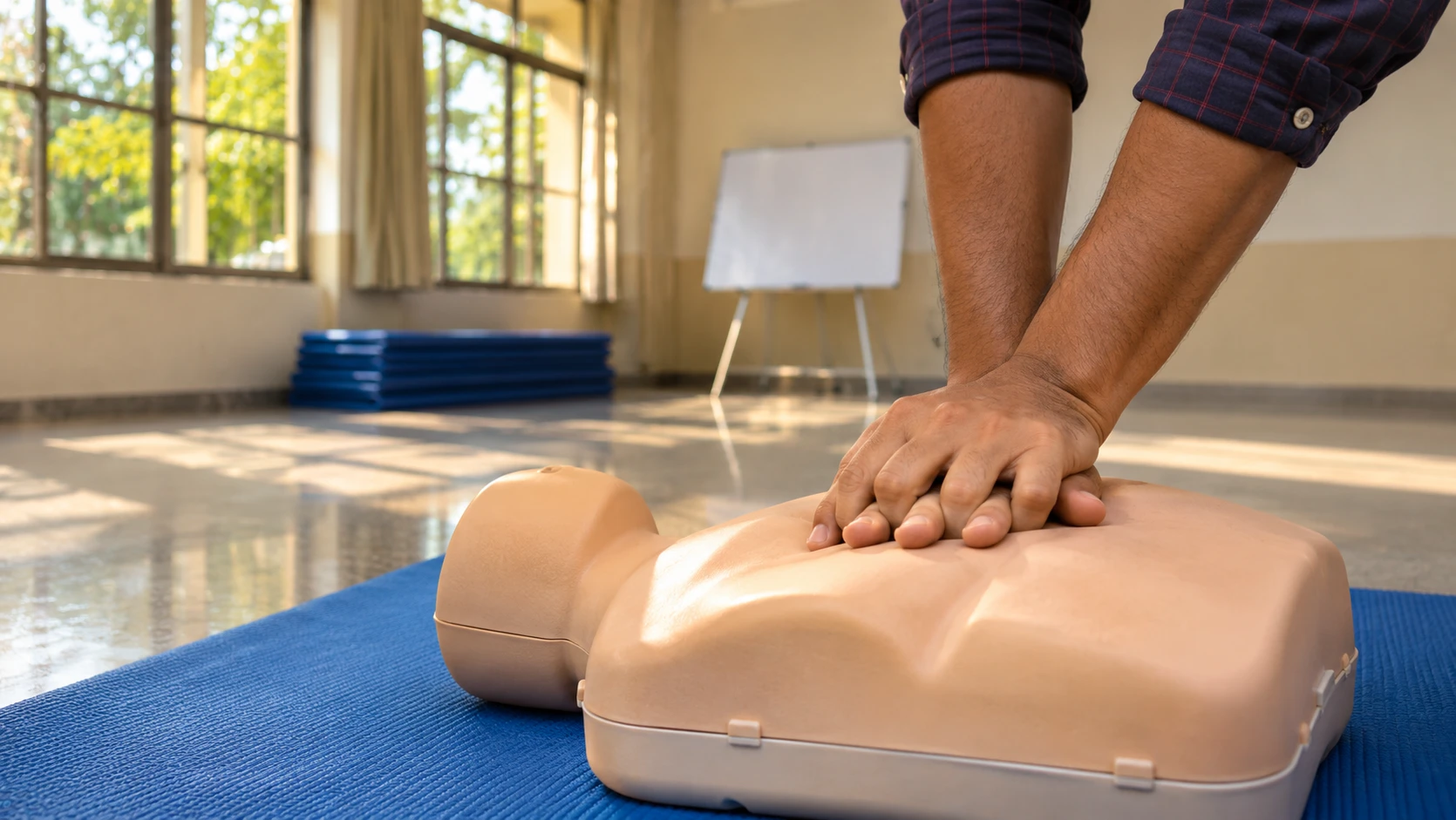
- Once they are out, check breathing. If the person is not breathing normally, start CPR. The British Red Cross says rescue breaths are especially important for a drowned person; it gives five rescue breaths first and then 30 chest compressions. India’s Resuscitation Council warns that compression-only CPR may not work after drowning, and that traditional CPR with breaths may improve survival. If you have not been trained to give breaths, hands-only compressions are better than doing nothing (our judgement). Our drowning rescue page has the steps.
- Even if they seem fine, take the person to hospital. Water in the lungs can cause trouble later, as our drowning page explains.
Do these today
- Find this year’s ghat notice from your district office or municipal body, and note the control room number.
- Agree with your family who holds which child and who stays with the elderly.
- Save 112 and 108 on every adult’s phone.
- Practise “reach or throw” with a pole or rope once, not for the first time at the ghat.
What we could not confirm
We did not find an official 2026 Chhath safety order for any district, so we do not state any ghat as safe or unsafe. The 2025 Patna and Bihar details come from local press, not from the district order. The NDMA boat-safety guidelines are described through a newspaper report, as we could not open the document itself. We found no Indian official text on reach-or-throw rescue; that comes from British and American sources. We did not watch the two videos in full, and found no Hindi or Bhojpuri video that we could verify. This page is general information.
What needs attention
- Past Chhath festivals have seen many drownings in one day; a 2021 report counted 33 across Bihar districts and a 2025 report described several while ghats were being cleaned.
- NDMA's crowd guide lists boarding rushes, colliding flows, rumours on narrow stairways and poor railings among the causes of crowd disasters.
- Rescuers who enter the water without a float can become victims; the Red Cross says not to put yourself at risk.
- Rescue breaths matter after drowning; the Resuscitation Council of India says compression-only CPR may not be effective for drowning.
- We found no official 2026 ghat order and no Indian official text on reach-or-throw rescue.
Controls that reduce risk
- Find the district's ghat notice and control room number before you go.
- Agree who holds which child and who stays with the elderly.
- Wear a life jacket on a boat and refuse an overloaded one.
- Save 112 and 108 on every adult's phone.
- Practise reach or throw once with a pole or rope.
Common unsafe practices
- Going beyond the barricade for a photograph, a dip or to fetch water.
- Stopping on the steps in a moving crowd.
- Jumping in after a drowning person without a float.
- Sending two or three untrained people into the water, one after the other.
- Boarding an overloaded boat, or removing the life jacket for a photograph.
- Repeating a rumour of a collapse or a current.


Leave a comment