
What happened here

 1 / 3
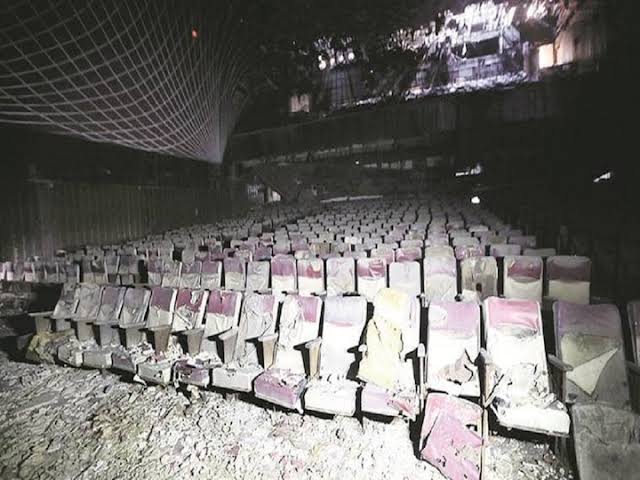
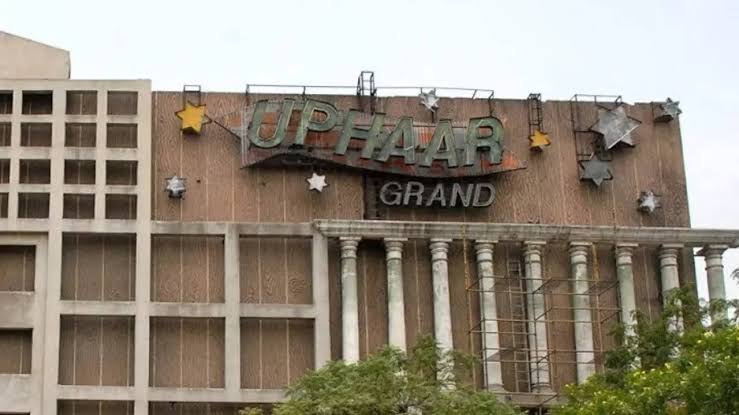
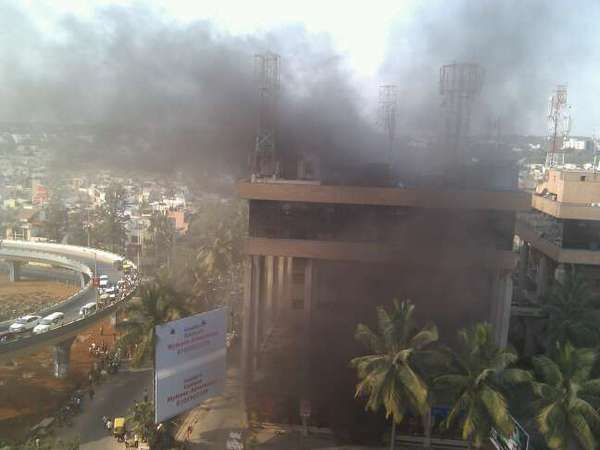
1 / 3 On 13 June 1997, a transformer fire in the ground-floor parking of Uphaar Cinema in South Delhi sent thick smoke up a stairwell and through the air-conditioning into a full matinee show. With one usable balcony exit, a locked stair door and no emergency lighting, 59 people died from the smoke and 103 were injured.
Quick answers
When and where did the Uphaar Cinema fire happen?
On 13 June 1997, during the matinee show at Uphaar Cinema in Green Park, South Delhi.
How many people died in the Uphaar Cinema fire?
59 people died and 103 were injured, according to the Supreme Court judgment. The deaths were caused by smoke and toxic fumes in the balcony and stairwell, not by flames.
What caused the Uphaar Cinema fire?
A Delhi Vidyut Board transformer in the ground-floor parking caught fire. Its oil leaked and set parked cars alight, and the smoke spread up the stairwell and through the air-conditioning into the cinema.
Why could people in the balcony not escape?
One balcony exit had been closed by a private box of extra seats, the central door was bolted from outside, the stair door to the foyer was locked, and the emergency lights and exit signs were not working.
Is the Uphaar cinema building still sealed?
No. In August 2023, after the trial had ended, a Delhi court allowed the building to be de-sealed and released to the owning company, LiveLaw reported.
On 13 June 1997, Uphaar Cinema in Green Park, South Delhi, was full for the matinee show of a newly released film. Shortly after the interval, a Delhi Vidyut Board transformer in the ground-floor parking caught fire. Fifty-nine people died and 103 were injured. The dead were in the balcony and its staircase, and they were killed by smoke, not by flames.
The reasons they could not get out are still worth knowing, because the same failures turn up in cinemas, banquet halls, hospitals and malls today.
The cinema
Uphaar, owned by the Ansal brothers, had a main hall and a balcony. Over the years seats were added and exits changed. According to the Supreme Court judgment of 13 October 2011, the balcony went from 287 seats to 302, plus two private boxes. One box of eight seats was built in front of the right-hand exit, which closed it for good. The central door from the foyer was used only for entry and was bolted from outside during shows. That left 302 people with one way out, at the top left corner of the balcony.
What happened that afternoon
Oil leaked from the burning transformer into the passage where cars were parked, and the cars caught fire. Transformer oil, petrol and diesel, car upholstery and foam stored in the parking area burned together and gave off thick smoke full of carbon monoxide and other poisonous gases.
The parking floor was walled in on all sides, so the smoke had nowhere to go. It was pushed up the stairwell that led to the balcony exit, and it was drawn into the air-conditioning ducts and blown into the auditorium, where it settled in the upper part of the hall around the balcony.
Then the power went off. The court record says the exit lights, emergency lights and public address system were all not working. People in the balcony felt their way through dark and smoke towards the one exit. The staircase outside it was also full of smoke, and the door from that staircase into the foyer was closed and locked.
The loss
Fifty-nine people died in the balcony and the stairwell from breathing in the smoke and fumes. The Quint reported that 23 of them were children. Another 103 people were injured as they tried to get out.
The rescue
Fire tenders and medical teams reached the cinema and brought out survivors. The Delhi High Court later noted that the fire service’s requests for better equipment had been stuck in red tape, and that crowds of onlookers get in the way of rescue work. It asked for gas masks, search lights and maps of underground water tanks for the fire brigade, fully equipped ambulances, and police training to keep crowds back.
The court cases
Families of the victims formed the Association of Victims of Uphaar Tragedy (AVUT) to fight for justice and for safer public venues. In its writ case, the Delhi High Court held the cinema owner, the Delhi Vidyut Board, the MCD and the licensing authority jointly liable. It awarded ₹18 lakh for each person over 20 who died, ₹15 lakh for each person aged 20 or under, ₹1 lakh to each injured person, and ₹2.5 crore in punitive damages from the cinema owner for a trauma centre.
In October 2011 the Supreme Court put the liability on the cinema owner and the Delhi Vidyut Board, at 85% and 15%, and dismissed the compensation claim against the MCD and the licensing authority. It cut the death compensation to ₹10 lakh and ₹7.5 lakh, kept ₹1 lakh for each injured person, and cut the punitive damages to ₹25 lakh. The criminal cases against the owners ran separately.
The building stayed sealed for years as case property. In August 2023, with the trial over, a Delhi court allowed it to be de-sealed and released to the owning company, LiveLaw reported.
What went wrong
- A transformer and car parking under a full cinema. The fire started in a place nobody was watching, right below hundreds of people.
- Seats added at the cost of exits. The extra box closed one balcony exit, and the gangways leading to the exits were made narrower.
- Smoke had an open path to people. It rose up the stairwell and travelled through the air-conditioning ducts into the hall.
- Locked and bolted doors. The central balcony door and the stair door to the foyer were both shut when people needed them.
- No light, no signs, no announcements. Emergency lighting, exit signs and the public address system were not working.
- Approvals on paper only. When the licensing authority approved more balcony seats, it was not told about the extra box or the closed exit.
What changed, and what still needs doing
The High Court accepted the recommendations of the Naresh Kumar committee, which inquired into the fire, and added its own. It wanted one specialised body, with experts in fire prevention, electricity, municipal sanctions, planning, public health and licensing, to inspect and license public places, instead of several departments passing the buck. It asked for enough inspection staff for the city’s cinemas and auditoriums, and for public-safety requests to be cleared within 90 days.
Uphaar had a licence. What failed was the daily reality: a closed exit, a locked door, dead emergency lights and a parking floor full of fuel. Rules help only when someone checks the building as it is.
If you are in a cinema, hall or mall
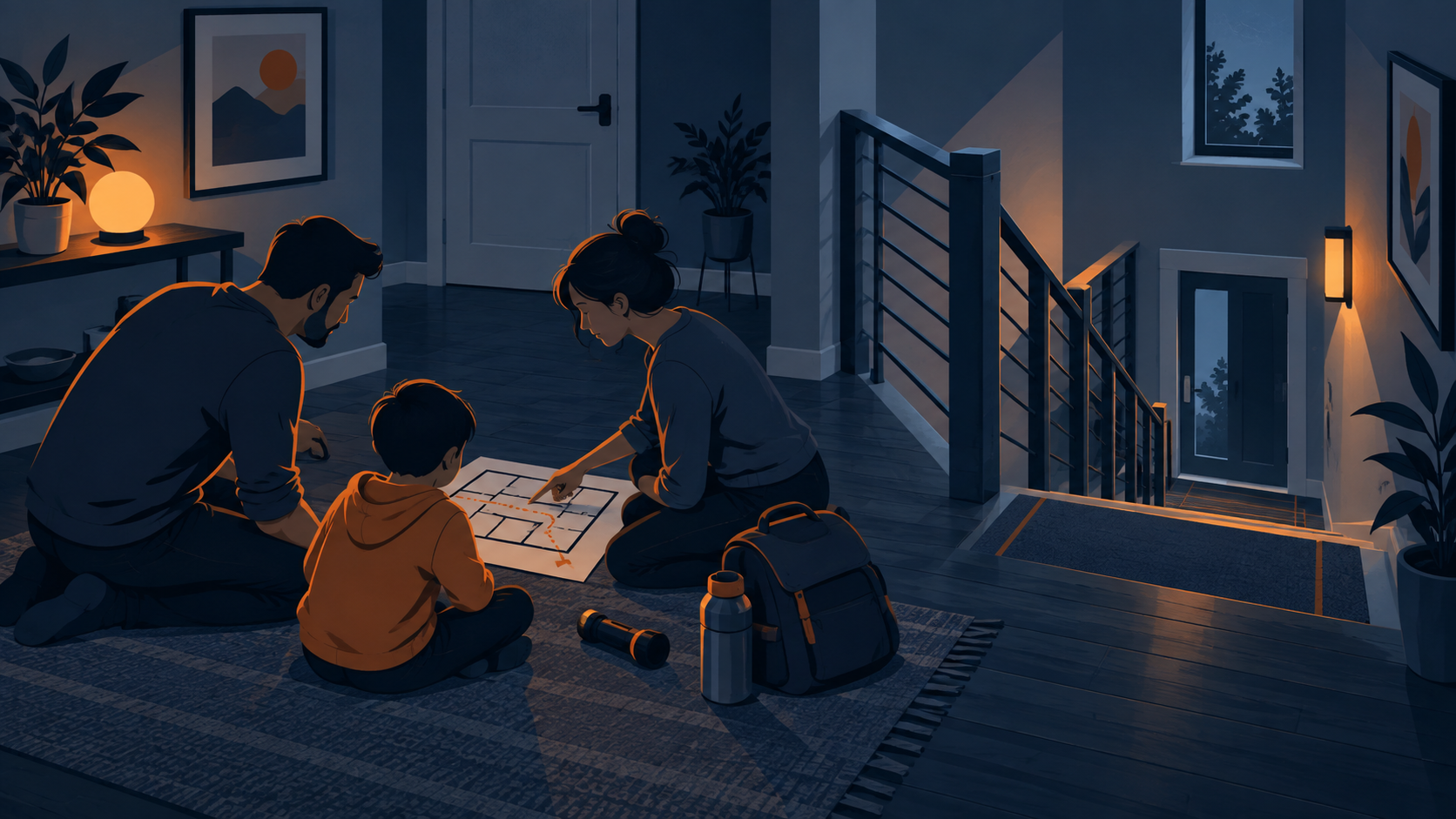
When you sit down, find the two nearest exits, including one behind you. If you smell smoke or the lights go out, do not wait for an announcement. Get up, keep low under the smoke, hold children by the hand and head for the exit. Do not go back for bags or phones. Once outside, call 112 or 101 and tell the fire brigade if anyone is still inside.
If you run a venue, walk every exit route before each show. Every exit door should open from inside without a key.
More on Delhi: see our Delhi fire and emergency safety guide for fire brigade numbers, every fire station and the local risks to know.
- A transformer in the parking area fails and oil contributes to fire spread
- Fire and smoke grow in the parking area
- Smoke enters stairways and the auditorium through building openings and ducts
- Occupants encounter darkness, smoke and unsafe or obstructed exits
- 59 people die, 103 are injured and long-running civil and criminal proceedings follow
Why consequences escalated
- The deaths were caused by smoke and toxic fumes, not by flames
- The walled-in parking floor forced smoke up the stairwell and into the air-conditioning ducts
- Added seats and a private box closed one balcony exit and narrowed the gangways
- The central balcony door was bolted from outside and the stair door to the foyer was locked
- Exit lights, emergency lights and the public address system were not working
- The licensing authority was not told about the extra box and the closed exit
Failures and risk multipliers
- Running a transformer and car parking under a full cinema without proper separation
- Adding seats and a private box at the cost of an exit and gangway width
- Bolting and locking exit doors while a show was running
- Letting smoke reach the stairwell and the air-conditioning
- Leaving emergency lights, exit signs and announcements out of order
- Treating a licence as proof of safety instead of checking the building
People closest to the evidence
“The central gangway in the balcony that led to the Entrance foyer could have been an effective and easy exit, but it was closed and bolted from outside, as that door was used only for entry into the balcony from the foyer.”
Justice R.V. Raveendran, Supreme Court of India · Judgment in MCD v Association of Victims of Uphaar Tragedy, 13 October 2011 · Source ↗
Actions that reduce risk
- Check that your licence and fire NOC match the building as it is today, seats and all
- Keep every exit, stair, gangway and fire-brigade access clear during every show
- Never lock or bolt an exit door from outside while people are inside
- Test the alarm, emergency lights, exit signs and announcement system on schedule
- Keep transformers, generators and parking separated from the audience, and keep stored goods out of parking areas
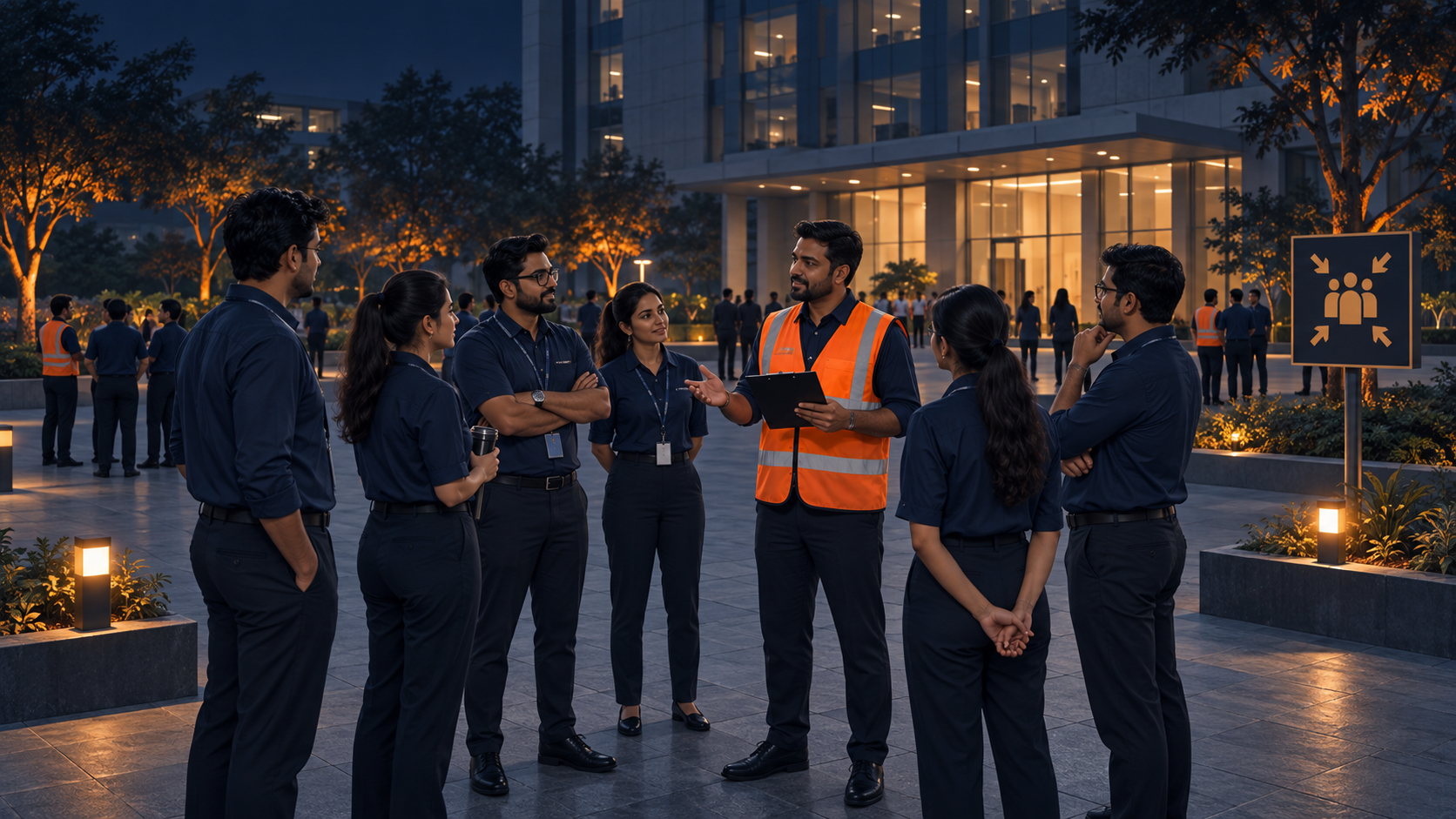
- Train every shift and run evacuation drills
- Write down every defect, name who will fix it and set a date
Leave a comment