
What happened here

 1 / 5
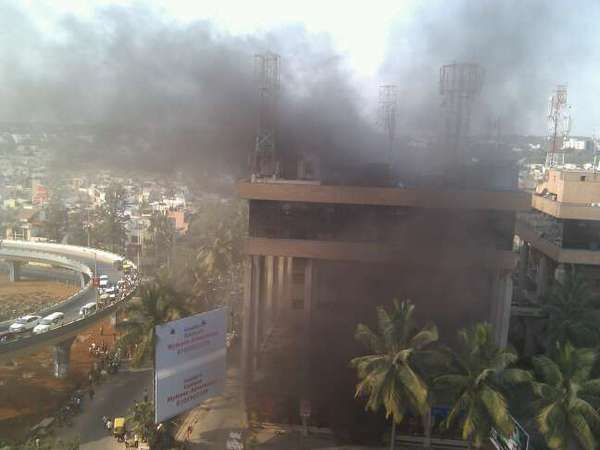
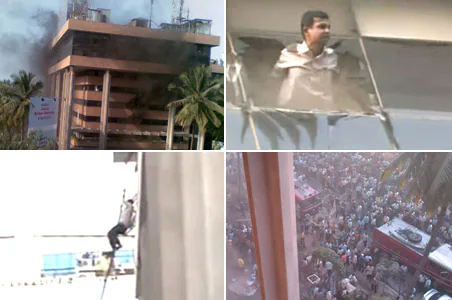
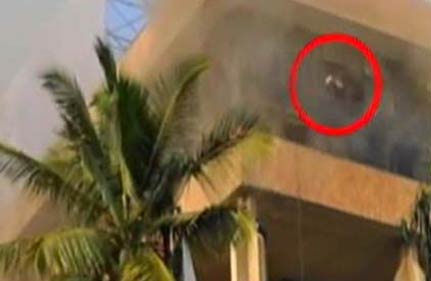
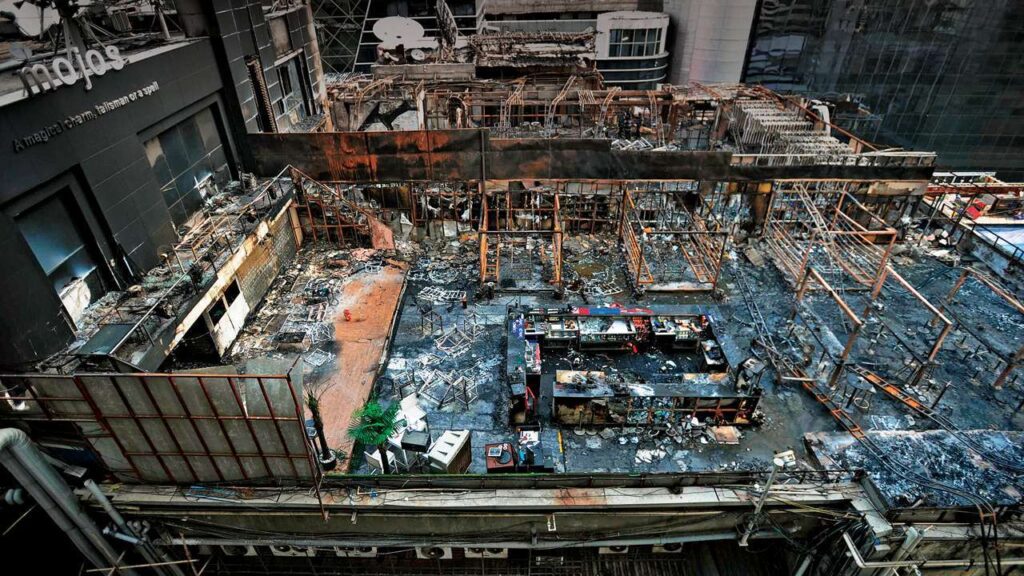
1 / 5 The Carlton Towers high-rise fire in Bengaluru killed nine people and injured 57. A Karnataka CAG audit documented delayed notification and failure of a summoned specialist high-rise vehicle to reach the scene.
Quick answers
What happened in the Carlton Towers fire in Bengaluru?
On 23 February 2010, a fire at Carlton Towers in Bengaluru killed nine people and injured 57, according to a Karnataka CAG audit.
What delays did the audit find in the Carlton Towers fire response?
The fire was reported to have begun at about 3:00 pm, but the control room received the call at about 4:30 pm, a gap of about 90 minutes. A special high-rise rescue vehicle summoned at about 4:45 pm did not reach the scene.
Is the cause of the Carlton Towers fire known?
The reviewed official source does not establish the exact ignition source. A basement short circuit or a particular equipment failure is therefore not presented as a final technical finding.
What should you do in a high-rise office fire?
Raise the alarm, use a protected stair rather than a lift, and leave belongings behind. If a route is smoke-filled, do not enter it; close a door between yourself and the smoke, call 112 and signal your location.
What happened
On 23 February 2010, a fire at Carlton Towers in Bengaluru killed nine people and injured 57. The Karnataka Comptroller and Auditor General later used the incident to document weaknesses in high-rise fire-response preparedness.
Emergency-response record
The CAG audit says the fire was reported to have begun at about 3:00 pm, while the fire-control room received the call at about 4:30 pm. Vehicles were deployed after the call. A special high-rise rescue vehicle was summoned at about 4:45 pm but did not reach the scene, according to its log-book record cited by the audit.
What the reviewed evidence establishes
The official audit supports the date, nine deaths, 57 injuries and the response-timing findings. It also says the department was not systematically analysing fire reports to identify preparedness gaps.
What remains uncertain
The reviewed official source does not establish the exact ignition source or every building-system condition described in early news accounts. This article therefore does not present a basement short circuit, a particular equipment failure or a precise smoke path as a final technical finding.
Practical survival lesson
In a high-rise fire, raise the alarm, use a usable protected stair rather than a lift, leave belongings behind and move away from smoke. If a route is smoke-filled or unsafe, do not enter it; close a door between yourself and smoke when possible, call 112 and signal your location.
Systemic lesson
High-rise safety depends on early notification, maintained alarms and exits, trained occupants, accessible fire-service routes and specialist rescue equipment that is ready and dispatched promptly.
More on Bengaluru: see our Bengaluru fire and emergency safety guide for fire brigade numbers, every fire station and the local risks to know.
- Fire reported to have begun at Carlton Towers, Bengaluru, as per the CAG audit
- Fire control room receives the call; vehicles are sent after it
- Special high-rise rescue vehicle is summoned but never reaches the scene, per its log book
- Nine people die and 57 are injured
- Karnataka CAG audit records the delays and says fire reports were not being analysed for gaps
Why consequences escalated
- A 90-minute delay between reported fire start and control-room call consumed rescue time
- Special high-rise capability was not mobilised with the initial response
- Traffic and vehicle readiness affected rescue access
- Smoke-safe stairs and defend-in-place decisions require reliable building information
- Fire reports must be analysed systematically to improve preparedness
Failures and risk multipliers
- About 90 minutes passed between the reported start of the fire and the call reaching the fire control room
- The high-rise rescue vehicle was not sent with the first response and then failed to arrive
- Nobody in the building raised the alarm with the fire brigade early enough
- The fire service was not studying its own fire reports to find gaps in readiness
Actions that reduce risk
- Building managers: make calling 101 or 112 the first step of your fire plan, not something done after trying to fight it
- Put the fire brigade's number and your full address beside every reception desk and security cabin
- Keep the approach road and entry for fire tenders and ladders clear at all hours
- Keep staircases smoke-tight with self-closing doors that are never wedged open
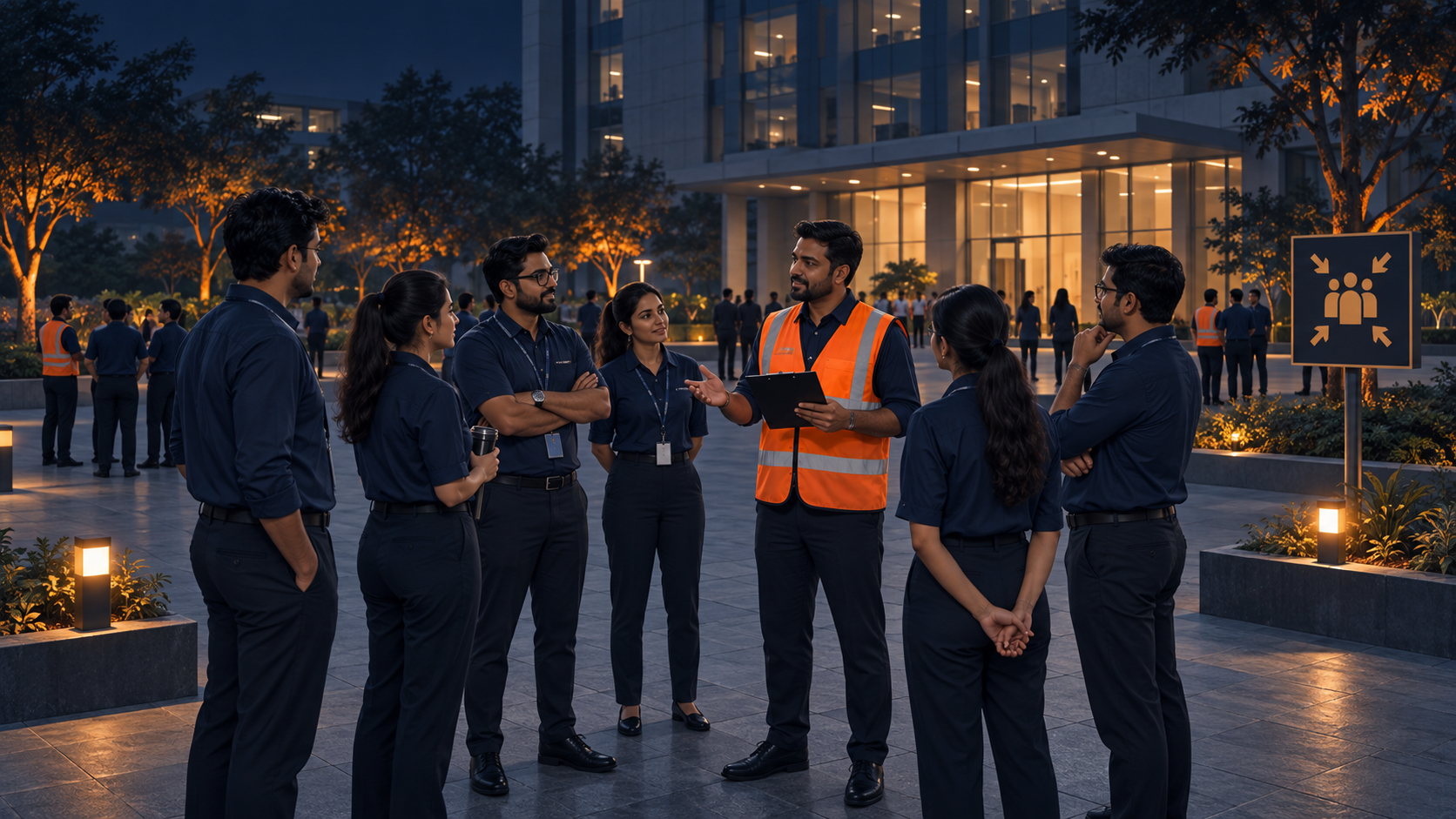
- Run an evacuation drill for every floor, including upper office floors, at least twice a year
- Check that alarms on every floor work and can be heard over office noise

Leave a comment