
What happened here
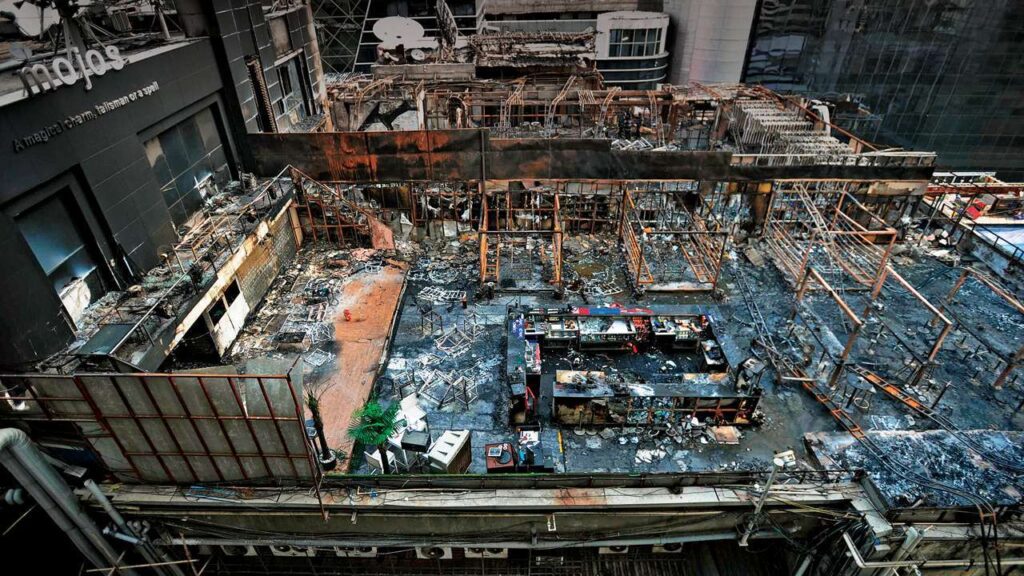
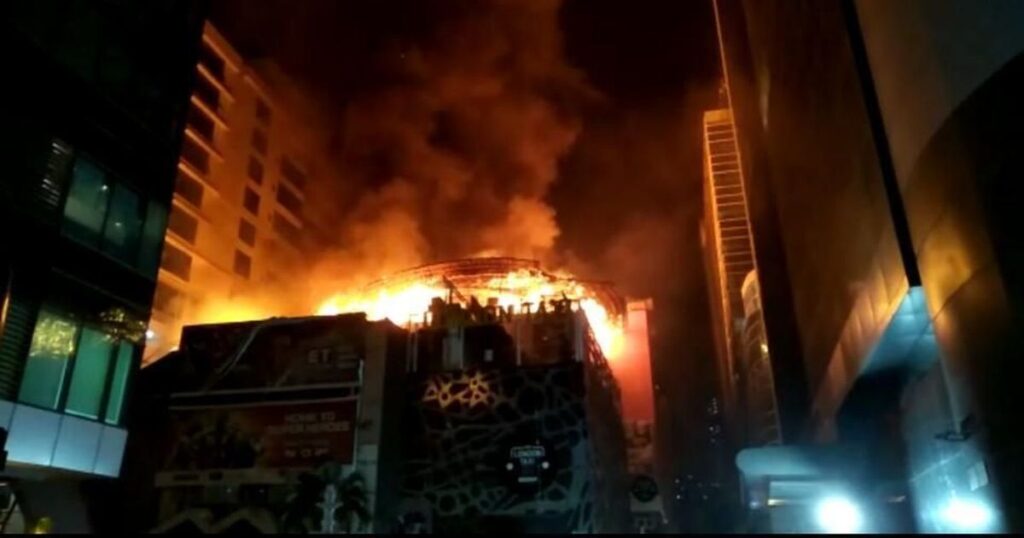 1 / 2
1 / 2 The Kamala Mills fire in Mumbai on 29 December 2017 killed 14 people, 11 women and 3 men, at two rooftop restaurants. They died of asphyxia after sheltering in a terrace toilet. Unauthorised enclosures, combustible décor, narrow and confusing escape routes and inspections that did not compare the premises with approved plans all played a part. For any restaurant or pub: get every change approved, keep décor non-combustible, keep two clear ways out and train staff to lead guests out.
Fourteen people went out for a night at two rooftop restaurants in Mumbai and never came home. Eleven were women and three were men. None of them died of burns. According to the MCGM enquiry report, all fourteen died of asphyxia after taking shelter in a toilet on the terrace of the 1Above restaurant, as smoke filled the space around them.
The place
Kamala Mills Compound in Lower Parel, Mumbai, is an old textile mill turned into a busy commercial complex of offices, restaurants, pubs and bars. Its buildings sit close together, connected by narrow lanes. By 2017 it was one of the city’s most popular places for a night out, and concerns had already been raised about unauthorised construction and fire safety in the compound.
What happened
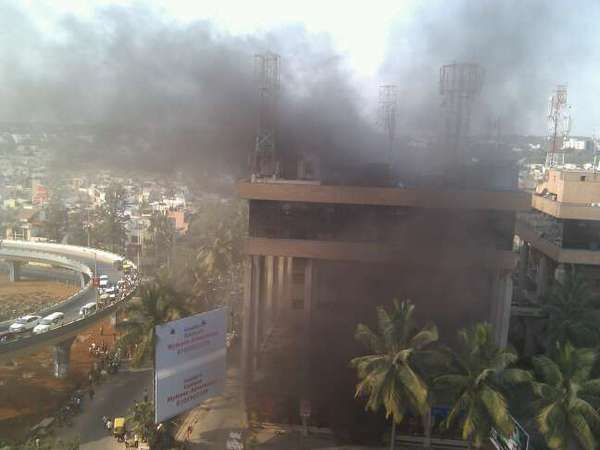
Shortly after midnight on 29 December 2017, a fire broke out at two restaurants on the terrace of the Trade House building in the compound: 1Above and Mojo’s Bistro. The police account reproduced in the MCGM enquiry report records the fire being reported at 00:15.
The fire spread fast. The terraces had been covered and enclosed with temporary structures and combustible décor. Escape routes were narrow, shared and confusing, and the late-night crowd made it harder to get out. People who could not find a clear way down took shelter in a washroom, and the smoke reached them there. The police account says more than 30 people were injured.
Why it was so deadly
- Illegal structures. Unauthorised rooftop extensions and enclosures added fuel and blocked or narrowed the ways out.
- Combustible décor. Bamboo, fabric and other temporary materials let the fire grow quickly.
- Poor escape routes. Exits were inadequate, and two adjoining venues shared a confusing escape environment.
- Weak fire safety. The establishments were found to fall short of fire safety rules, including on exits, alarms and storage of flammable material.
- Inspections that missed the problems. Different licensing departments held separate pieces of information, and nobody compared what was actually built on the terrace with the approved plans.
- Crowding. High footfall late at night made evacuation slower and more chaotic.
What followed
The Municipal Corporation of Greater Mumbai set up an enquiry committee to examine permissions, alterations, inspections and enforcement. The police booked the owners and staff of the restaurants, the owners of the compound and municipal officials. In the weeks after the fire, the city’s authorities inspected restaurants and other establishments, and acted against unauthorised structures and fire-safety violations.
In November 2020, a Mumbai sessions court discharged the two owners of the compound, who had argued they had no connection to the fire. The same court rejected the discharge pleas of the owners of the pub and restaurant, municipal officials and the other accused, who were to face charges under the Indian Penal Code and the Maharashtra Fire Prevention and Life Safety Measures Act. We could not find a verdict in reliable reporting. Until we can, treat the case as still before the courts.
Lessons for restaurants, pubs and banquet halls
- Every change needs approval and a fresh fire check. Covering a terrace, adding a mezzanine or putting up partitions changes the fire risk. Get it approved and reassessed before opening.
- Keep décor non-combustible. Avoid bamboo, dry grass, thermocol, foam and loose fabric, especially on ceilings and near kitchens and hookah counters.
- Keep two clear, signposted ways out. Exits must be wide enough for the crowd, lit, unlocked and never used for storage.
- Train staff to lead guests out. On every shift, someone should know how to raise the alarm, stop the music, switch on the lights and guide people to the exits, not to the toilets.
- Do not overcrowd. Stick to the number of people your exits can safely handle.
- Authorities must join up. Health, building, licensing and fire departments need to share information and inspect what is actually there, not just the papers.
When you go out
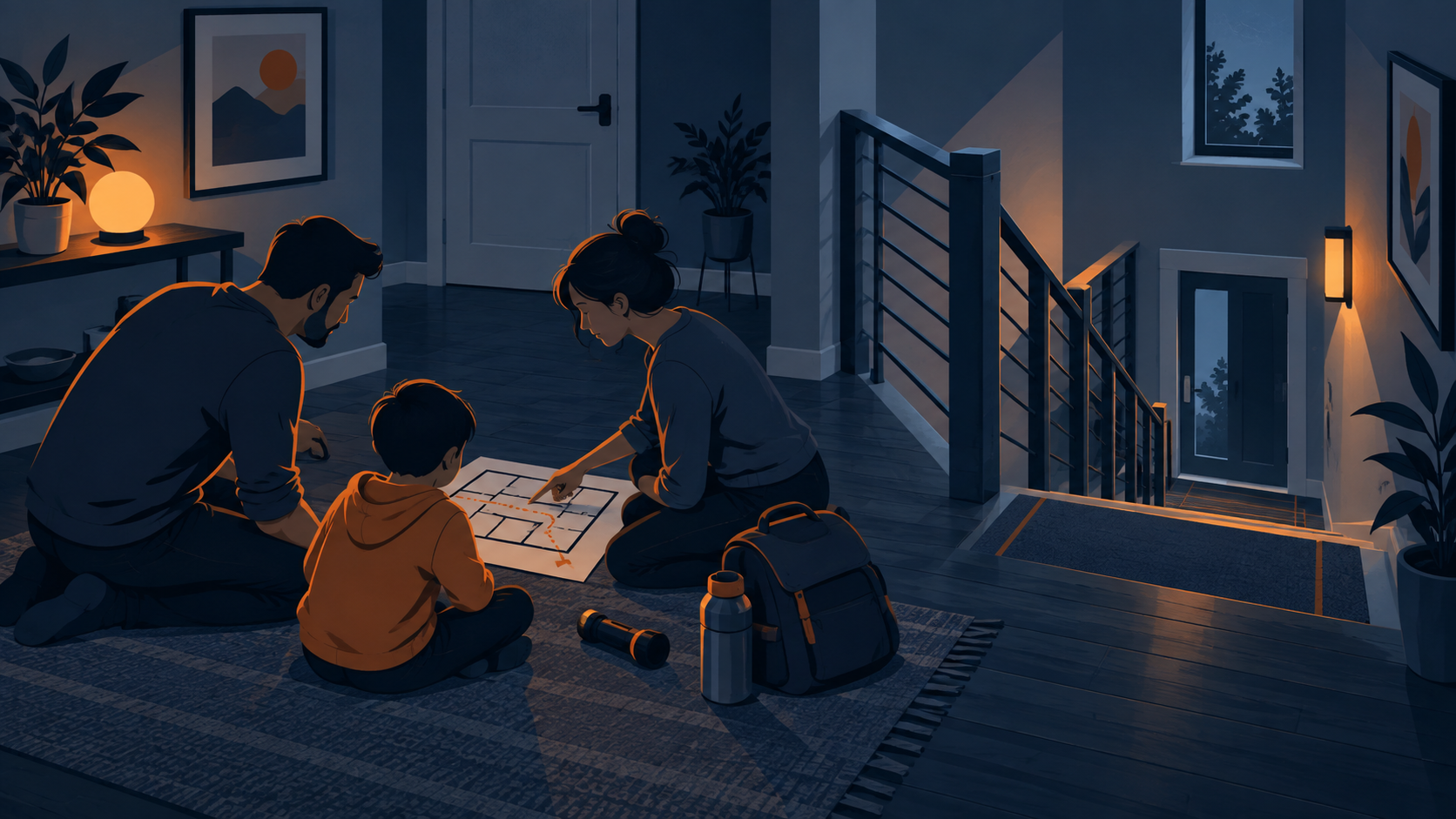
When you walk into a restaurant, pub or banquet hall, take ten seconds to spot the exit you came in by and a second one. If a fire alarm sounds or you see smoke, leave at once, towards the exit and down the stairs. Do not hide in a washroom or a closed room. That is the one place smoke will find you and rescuers may not.
Latest update (16 October 2026)
In April 2026 the Bombay High Court dismissed the BMC’s long-delayed applications to revive about 26 old appeals over illegal construction, which the BMC had sought to reopen after the Kamala Mills fire. Justice Jitendra Jain called the reasons for the delay very shocking, directed action against the officers responsible and their superiors, ordered disciplinary inquiries started in 2018 to be finished within four months, and allowed the BMC to carry out fresh inspections (Free Press Journal).
This order concerns civic action on illegal construction, not the criminal trial. We found no verdict in the criminal case by 16 October 2026.

More on Mumbai: see our Mumbai fire and emergency safety guide for fire brigade numbers, every fire station and the local risks to know.
- Fire at 1Above and Mojo's Bistro on the Trade House terrace is reported, as per the police account in the MCGM report
- Fourteen people die of asphyxia in a terrace toilet of 1Above; more than 30 are injured
- MCGM sets up an enquiry committee; city authorities inspect restaurants and act against unauthorised structures
- Mumbai sessions court discharges the two compound owners; the other accused are to face trial
- Bombay High Court dismisses BMC's long-delayed pleas to revive about 26 old illegal-construction appeals linked to the fire, and orders action against the officers responsible (Free Press Journal, 4 April 2026)
- No verdict in the criminal trial found
Why consequences escalated
- Unauthorised construction and combustible rooftop materials let the fire grow fast
- Two adjoining venues on one terrace created linked hazards and confusing ways out
- Narrow, enclosed and blocked routes made it hard for people to get out
- People who sheltered in a washroom were trapped by smoke; all 14 who died were found there
- Licensing departments each held part of the picture and did not notice the premises had changed
- Inspections must compare what is actually built and in use with the approved plans
Failures and risk multipliers
- Using combustible temporary structures and décor in a crowded rooftop venue
- Covering or enclosing spaces without valid approval and a fresh fire-safety check
- Leaving escape routes narrow, shared, confusing or blocked
- Not training staff to guide guests to safe exits straight away
- Letting more people in than the exits could safely handle
- Weak coordination between licensing, building, health and fire authorities
Actions that reduce risk
- Get every alteration, terrace cover or partition approved and reassessed for fire safety before use
- Replace combustible décor, especially on ceilings and near kitchens and hookah counters
- Keep two clear, lit, signposted and unlocked ways out, wide enough for your crowd
- Limit the number of guests to what your exits can safely handle
- Train every shift to raise the alarm, stop the music, turn on the lights and lead guests out
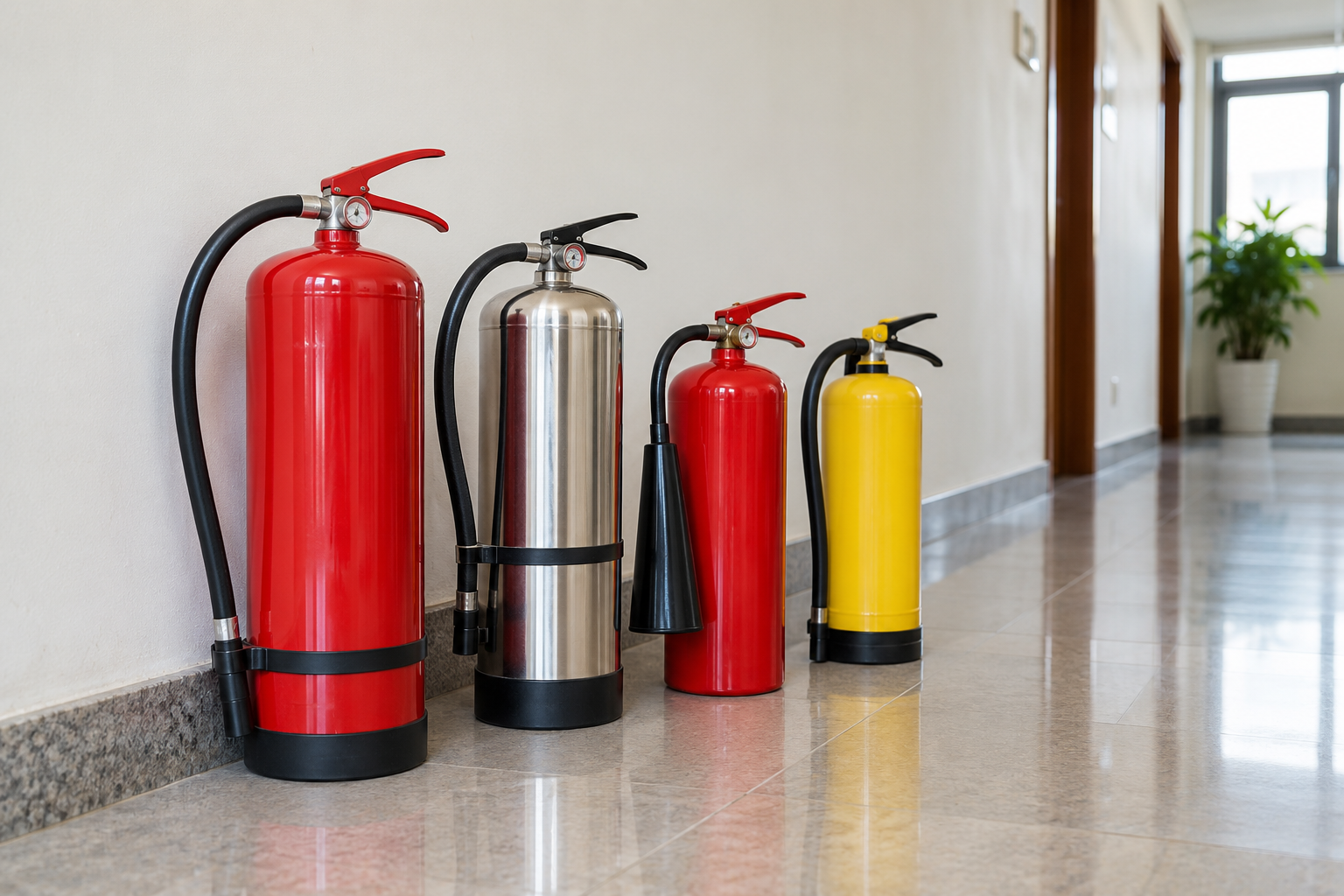
- Test alarms, emergency lights, extinguishers and sprinklers on schedule
- Authorities should inspect premises against the approved plans and share findings across departments
Leave a comment