
What happened here

An official incident review separating recorded response information from an unconfirmed ignition hypothesis.
Quick answers
What happened in the St John's Wood balcony fire in London?
On 7 September 2026, London Fire Brigade reported that a fourth-floor balcony at a house converted into flats on Abercorn Place, St John's Wood, was destroyed by fire. Six engines and about 40 firefighters attended.
Did an air conditioner cause the St John's Wood balcony fire?
The cause remains undetermined. An electrical event involving an air-conditioning unit is a possibility, not a confirmed finding, and the case does not establish a product defect, poor maintenance or resident misconduct.
How should building managers record equipment safety concerns?
Separate records into observations, maintenance documents and questions needing a competent assessment, keeping the date and author of each entry. Record the equipment identifier and symptom from a safe position and ask the responsible manager for a written follow-up.
What to do if a fire breaks out in your building?
Leave the danger area and call 112 from a safe place, then follow emergency-service instructions. Do not return for belongings.
What the official bulletin records
London Fire Brigade reports that a fourth-floor balcony at converted flats on Abercorn Place was destroyed on 7 September 2026. Six engines and approximately 40 firefighters attended. The cause remains undetermined; an electrical event involving an air-conditioning unit is a possibility, not a confirmed finding. Official LFB incident bulletin.
How to read the uncertainty
A location description, a damage description and a suspected ignition mechanism answer different questions. None should be substituted for the others. This case does not establish a product defect, poor maintenance or resident misconduct. Naming an appliance as a possibility does not identify the failed component or explain how the fire developed.
A useful review for building managers
As an editorial learning exercise, separate your own building records into three groups: observations, maintenance documents and questions requiring a competent assessment. Keep the original date and author of each entry. An unanswered question should remain open rather than becoming an accusation in a resident message.
For an equipment-related concern at your own property, record the equipment identifier and observable symptom from a safe position. Ask the responsible manager for an assessment and written follow-up. This is a practical record-keeping suggestion, not a finding about Abercorn Place.
Media context
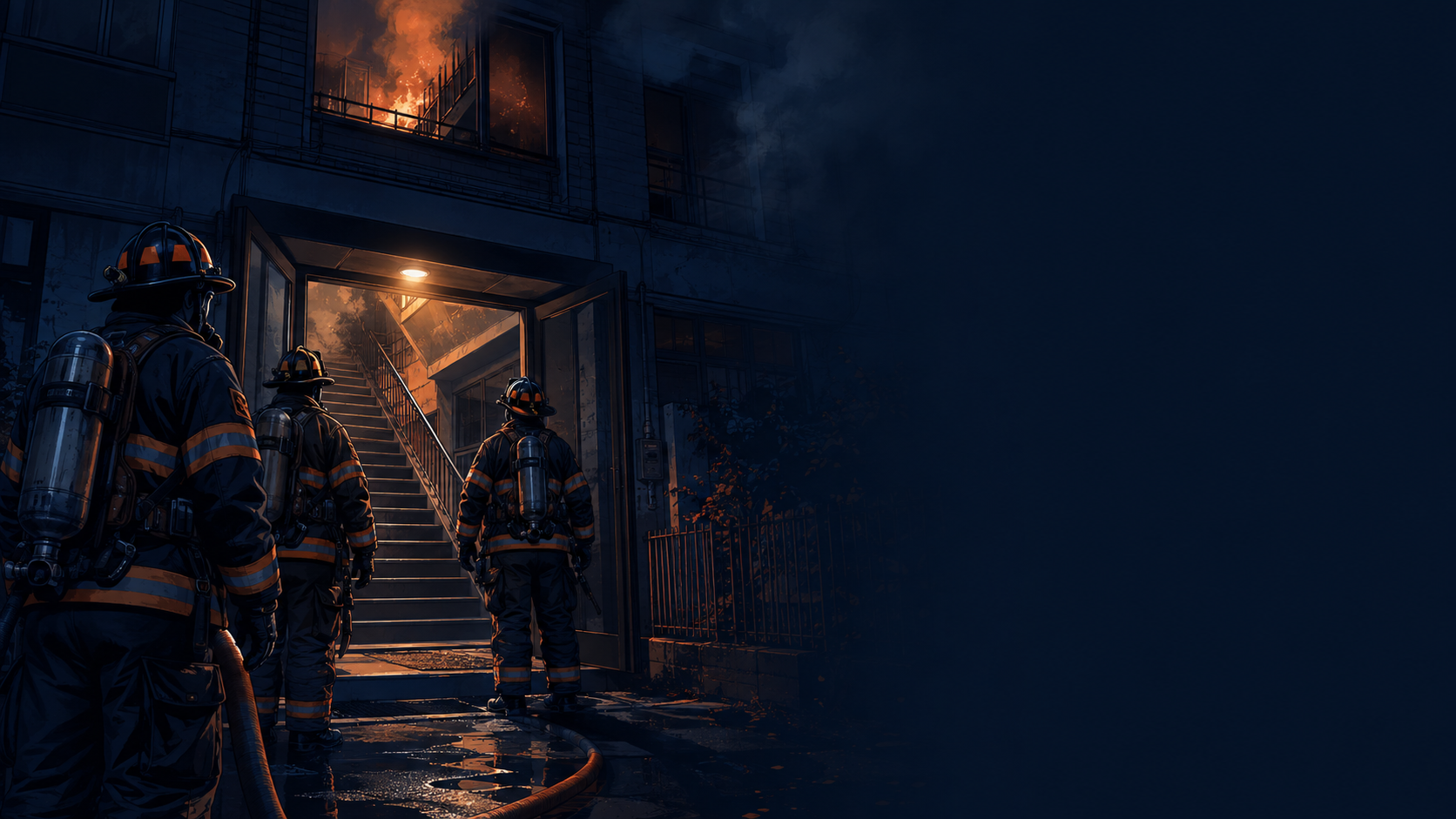
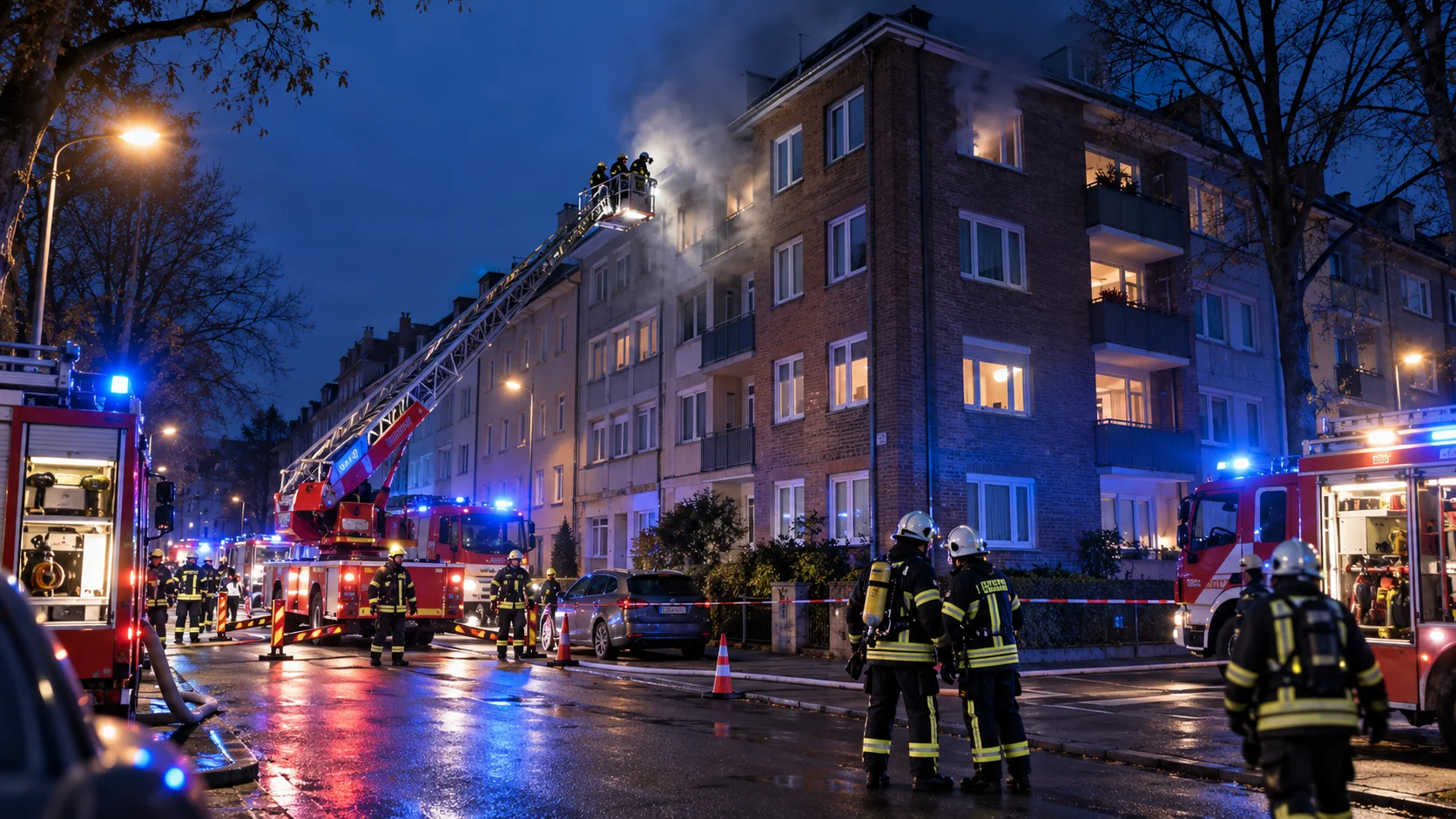
The cover is an AI-generated illustration, not a photograph of this incident. The video panel provides Indian safety learning; it does not show this fire. No verified exact-incident video was found in the sources checked.
- First emergency call
- Incident over
- Bulletin update
Why consequences escalated
- Editorial interpretation: preserve the distinction between a hypothesis and an established cause.
- A maintenance record can help frame questions without asserting blame.
Failures and risk multipliers
- No specific resident or maintenance failure has been established in the reviewed bulletin.
Actions that reduce risk
- Record observations with dates and attribution.
- Ask a competent professional to assess equipment concerns.
- Keep speculative causes out of public incident summaries.

Leave a comment