
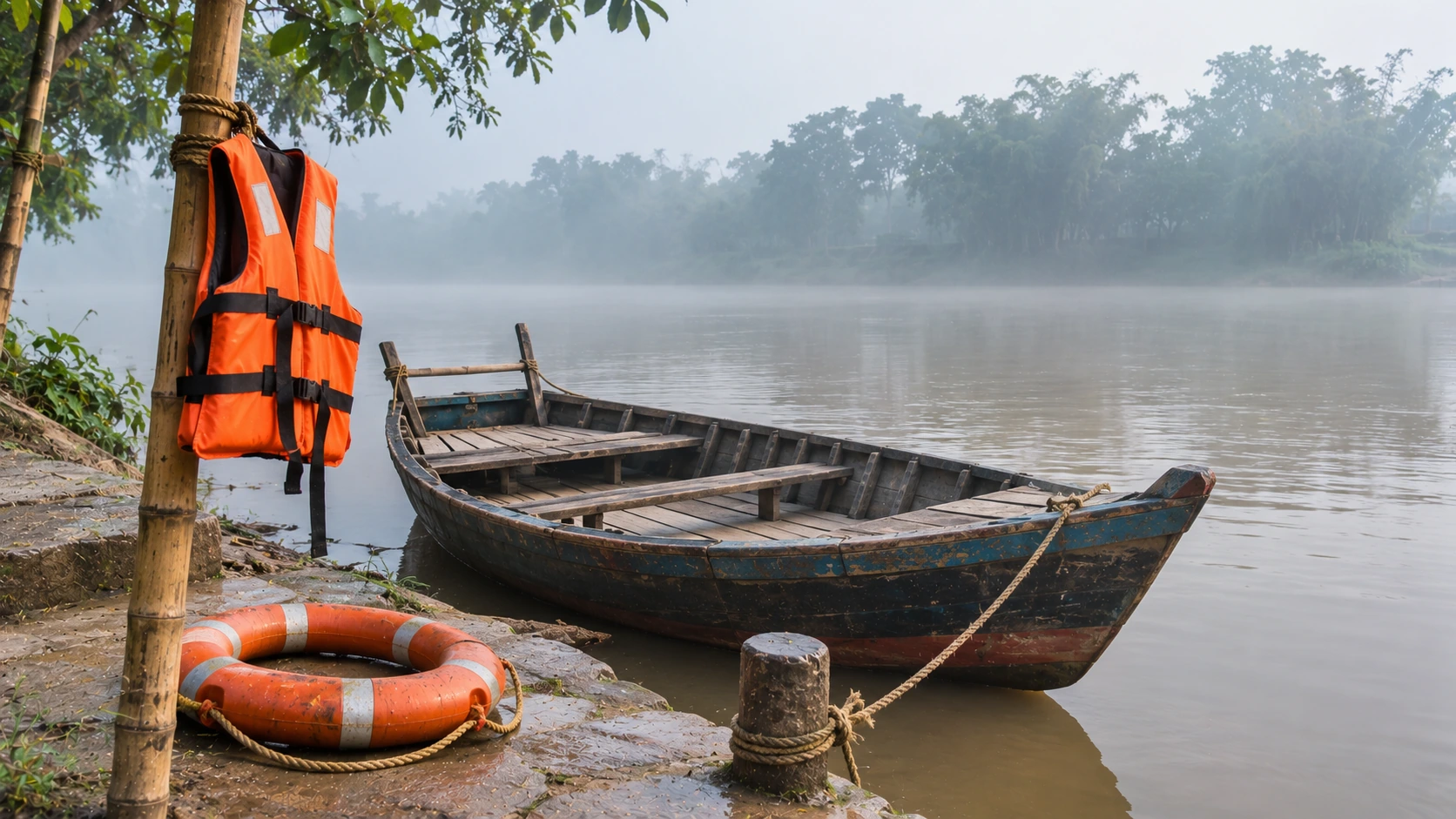
Quick answers
Is a life jacket compulsory on a boat in India?
For passenger vessels under the Inland Vessels Life Saving Appliances Rules, 2022, yes: one life jacket for every passenger and crew member, plus extra for children and infants. We could not confirm from the text we read whether small country boats on village crossings are covered, so always ask for a jacket for each person.
How many life jackets must a passenger vessel carry?
The rules say one for 100 per cent of the passengers and crew on board, extra jackets for children equal to 10 per cent of the vessel's certified capacity and for infants equal to 2.5 per cent. A child here means under 30 kg and an infant under 15 kg.
What should I check before boarding a ferry or country boat?
A life jacket for every person including the children, a seat or place for each passenger, a calm sky, daylight, and a licensed boat. If the boat is crowded to the edge or people are standing, wait for the next one.
Why do boats capsize when people crowd to one side?
A small boat floats on balance. When many people move to one side, or a heavy load is lifted or lowered on one side, it can tip. In the Kota case the boat lost its balance in the middle of the canal with seven people and an idol aboard.
What should I do if the boat capsizes?
Stay calm, put on a jacket, hold on to the capsized boat if it floats and keep children's heads above water. Do not try to swim far. This is general water-safety practice; we found no Indian official passenger guidance.
How can I help someone who has fallen into the water?
Shout for help, call 112, and throw something that floats. Do not jump in unless you are trained, because rescuers often drown too. Our page on saving a drowning person explains reach, throw and tow.
Are ferries allowed to run after dark?
It depends on the district. After the Barpeta collision, the district order barred passenger ferries after 4 pm until further orders. Where there is no such order, avoid dusk and night crossings.
Can an idol go on a small boat for immersion?
We advise not. In the Kota case, four young men died when a small boat with an idol lost its balance, at a spot officials said was prohibited for immersion. Organisers should use the designated site and a supervised arrangement.
In many parts of India a boat is not a holiday ride. It is the way to the school, the market, the shraddh feast or the temple across the river. That is why boat accidents here so often take children and whole families. In the last four weeks we have recorded a country boat that sank in the Ganga with 13 children dead, a small boat that tipped in a Kota canal with an idol on board, and two crowded ferries that collided at a ghat in Assam. This page gives you the checks to make before you step on, what the rules say about life jackets, and what to do if the boat starts to tip. Checked 10 November 2026.
In short
- No life jacket for you, no ride. Under the Inland Vessels Life Saving Appliances Rules, 2022, a passenger vessel must carry a life jacket for every person on board, plus extra jackets sized for children and infants.
- Count the people against the seats. If the boat is full to the edge, if people are standing, or if a crowd is still pushing in, wait for the next one.
- Put the jacket on before the boat leaves the bank, and fasten every strap. A jacket in the locker or under the seat does nothing.
- Do not take an idol, a heavy load or a cycle on a small boat. A weight lifted or lowered on one side can tip it.
- If someone falls in, throw something that floats and shout for help. Do not jump in after them.
What has happened this season
These are our own case studies. Causes are under inquiry in each, and we have named no one.
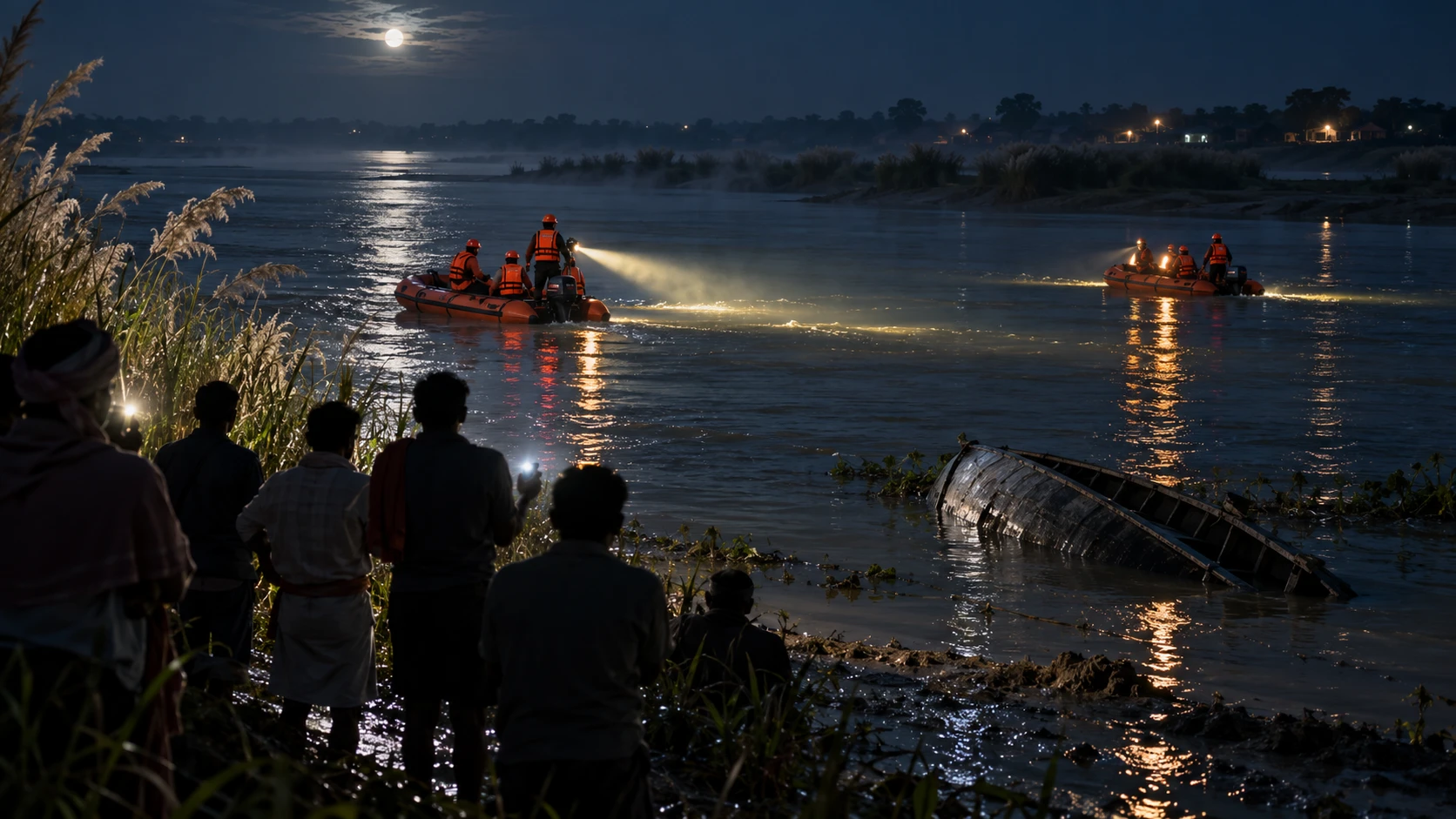
- Raghopur, Vaishali, Bihar, 13 October 2026. A small country boat carrying villagers across a Ganga channel to a shraddh feast overturned at about 8.30 pm. The District Magistrate said 13 bodies were recovered, all of children below 15, and six people were rescued. See the Raghopur case study.
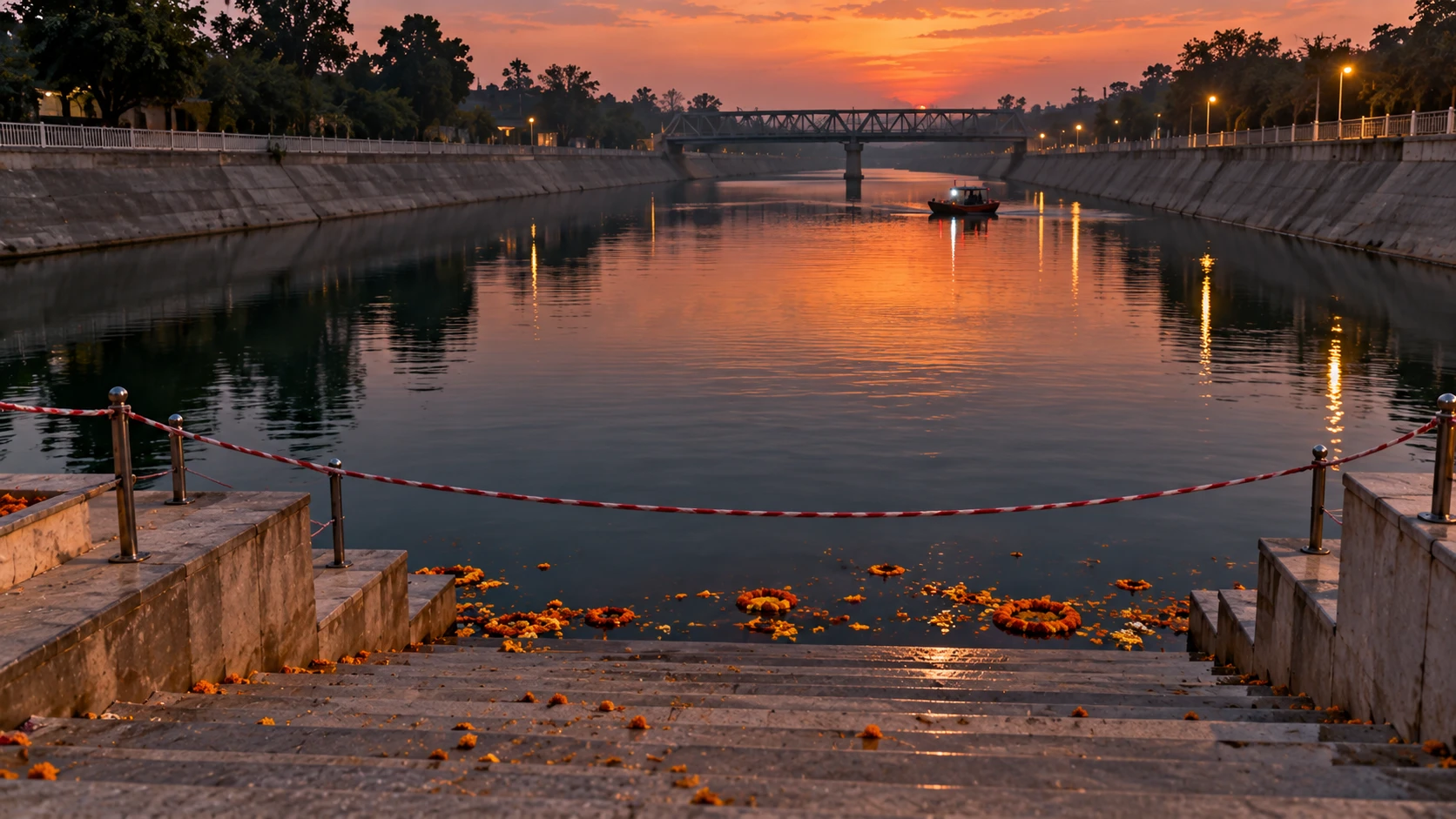
- Kota, Rajasthan, 20 October 2026. A small wooden boat with seven people and a Durga idol lost its balance in the middle of the Chambal canal. Three swam out; four young men died. The spot was a prohibited immersion area, and a negligence case was registered against the boatman. See the Kota case study.
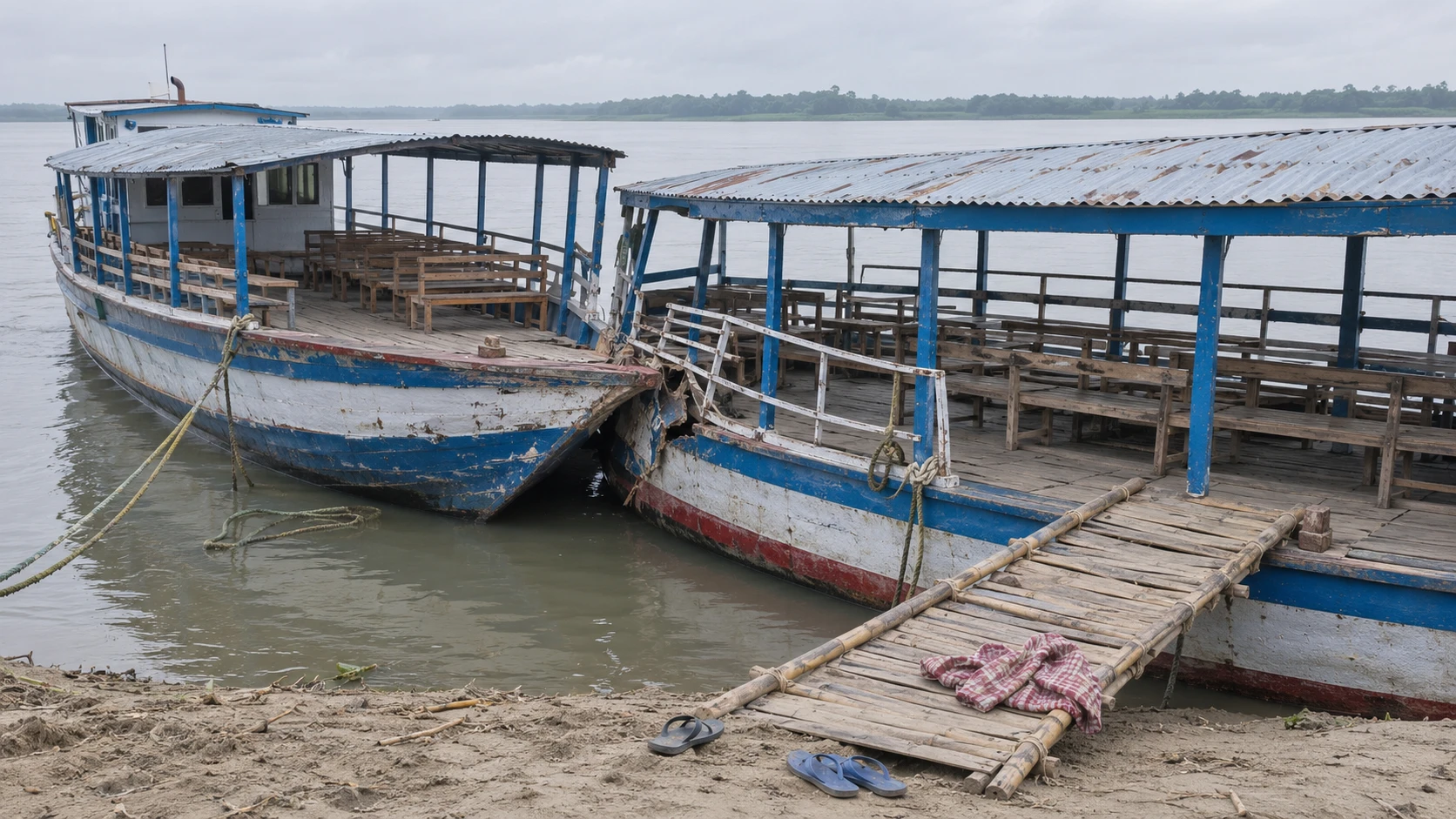
- Bahari ghat, Barpeta, Assam, 30 October 2026. Two mechanised passenger boats collided at the ferry ghat. ANI put the passengers at over 100 (a preliminary figure) and said neither boat had life jackets. The district said 15 people had minor injuries, nobody died, and that preliminary findings showed the private boats were running without valid licences. The Deputy Commissioner barred ferries from carrying passengers after 4 pm. See the Barpeta case study.
At the end of April 2026, a cruise carrying tourists capsized in a sudden storm at Bargi Dam in Jabalpur district, Madhya Pradesh. By 3 May 2026 the search had ended with the last bodies recovered and the death toll confirmed at 13 (IANS, The Hitavada); early reports gave lower counts, and an inquiry was ordered. On 3 May, Odisha told its boat operators to make passengers wear life jackets on boarding.
What the rules say about life jackets
The Inland Vessels Act, 2021 replaced the 1917 Act, and the Inland Vessels (Life Saving Appliances) Rules, 2022 were notified on 7 June 2022 as G.S.R. 425(E). We read the rules on a third-party legal site, so check them on India Code. For a Class I vessel, which means a passenger vessel:
- one life jacket each for 100 per cent of the passengers and crew on board;
- extra jackets for children (anyone under 30 kg) equal to 10 per cent of the passengers the vessel is certified to carry, and for infants (under 15 kg) equal to 2.5 per cent;
- at least 4 lifebuoys on a vessel up to 24 m, 6 on 24 to 45 m, and 8 above 45 m, with at least two carrying a self-igniting light and a 30 m floating line;
- life rafts or buoyant apparatus for 100 per cent of passengers and crew (smaller vessels may use extra lifebuoys);
- inflatable life jackets serviced at least every two years, or every year if used regularly.
Existing vessels were given one year to comply. We could not confirm from the text we read whether a small country boat like the one at Raghopur is covered, so do not assume that a boat on a village crossing carries any of this. Ask. Odisha has gone further than a rule on paper: it told operators that all boats must carry life jackets equal to their passenger capacity, plus lifebuoys and fire safety equipment, ordered surprise checks and warned of strict action for overloading (PTI, 3 May 2026). Its scheme gives private operators a 95 per cent subsidy on such equipment.
Before you get on: a checklist you can do in two minutes
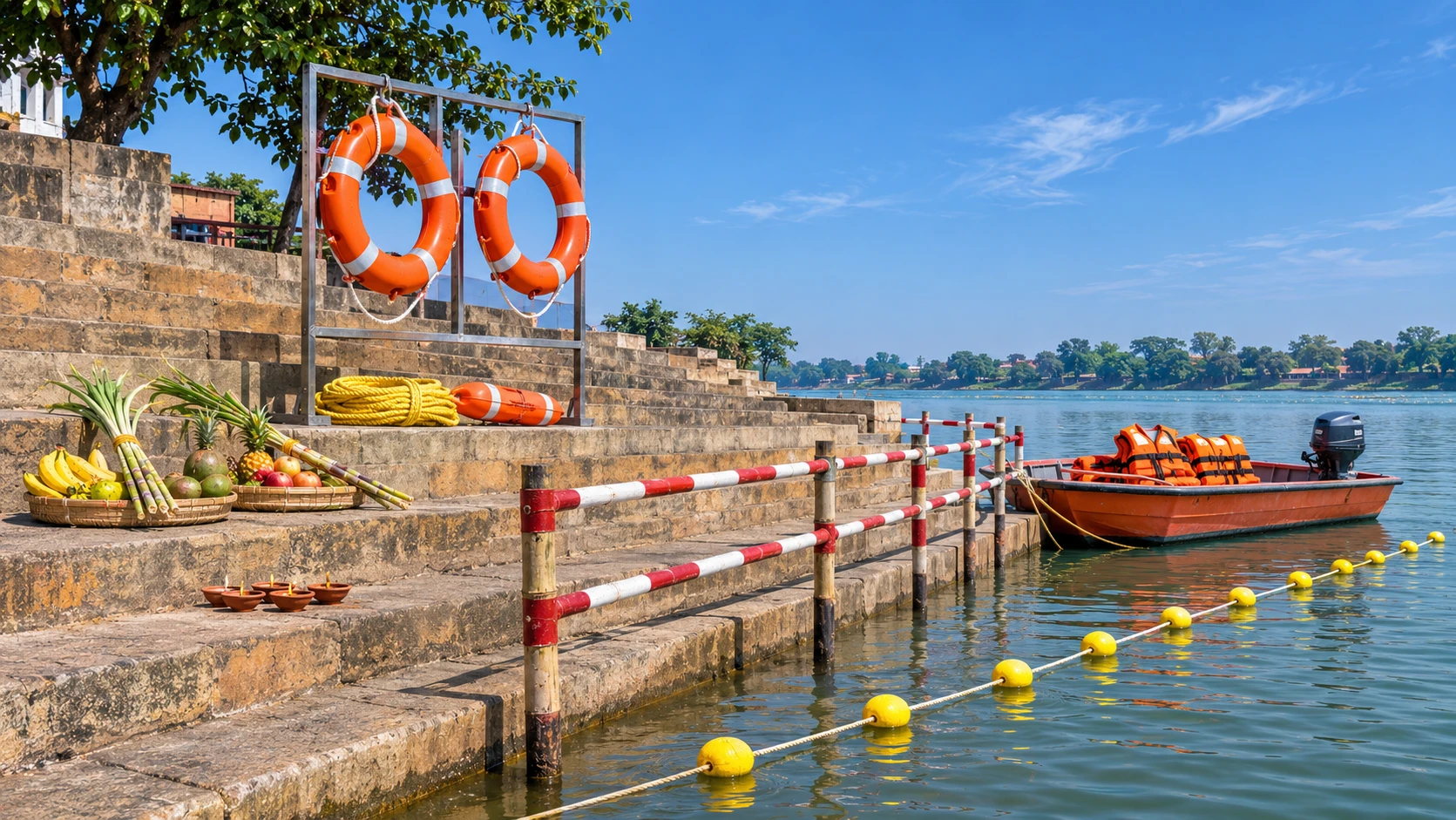
- Is there a life jacket for each person, and for the children? Look at them. They should have working straps and no tears. If the boatman says “there is no need, the river is calm”, that is your answer.
- Count heads. Does the boat have a seat or a place for each person? If it is a long ferry with a crowd at the ramp, do not push in.
- What time is it? Barpeta’s district order stops passenger ferries after 4 pm. Even where there is no such order, dusk and night crossings are the hardest to rescue from.
- What is the weather doing? The Bargi cruise capsized in a sudden storm. If the sky is dark or the wind is rising, wait ashore.
- Is the boat licensed? Barpeta’s preliminary findings were that the boats ran without valid licences. Ask the operator; a registered boat has a certificate on board.
- Keep children seated in the middle, and never let them lean over the side or stand on the bow.
On the boat
- Sit low and in the middle. Stay seated when the boat is moving.
- Do not all move to one side to look at a bird, a temple or another boat.
- Do not light a lamp, a stove or a diya on the boat, and keep crackers off it.
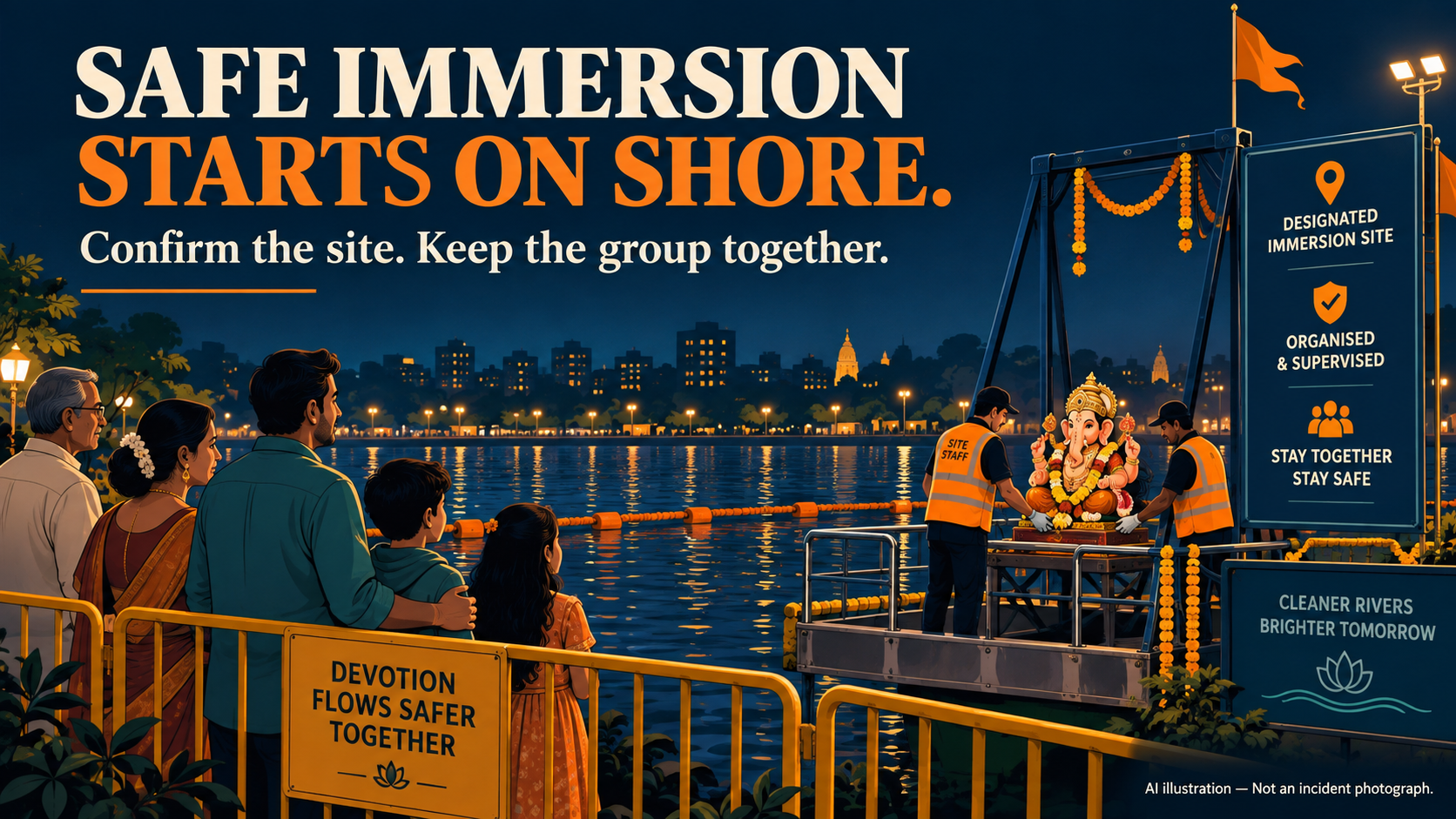
- Immersion: keep idols on a platform or a bigger vessel supervised by the organisers, not on a small private boat. See our shore-first immersion plan and ghat safety page.
If the boat starts to tip or sinks
We did not find an Indian official text for passengers in this situation, so the steps below are general water-safety practice, not from a named authority.
- Stay calm, tell everyone to sit down, and move weight to the middle. Sudden movement makes it worse.
- Put on a life jacket now if you have not. Help a child first, then yourself.
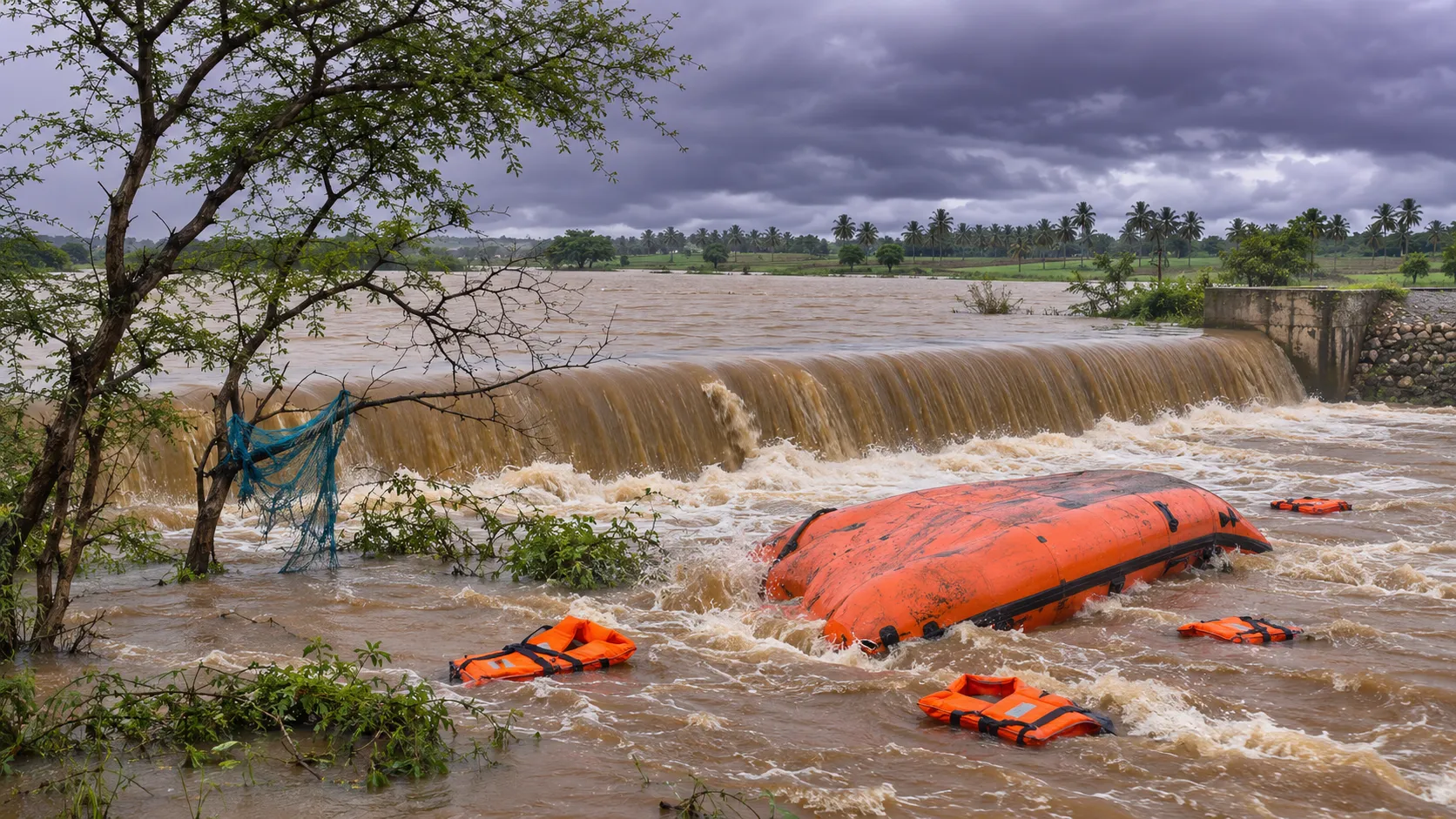
- If the boat turns over, hold on to it. A capsized boat usually floats and is easier for rescuers to see than a swimmer. Keep children’s heads above the water.
- Do not swim for the far shore unless it is very close. Cold, current and clothing tire you quickly.
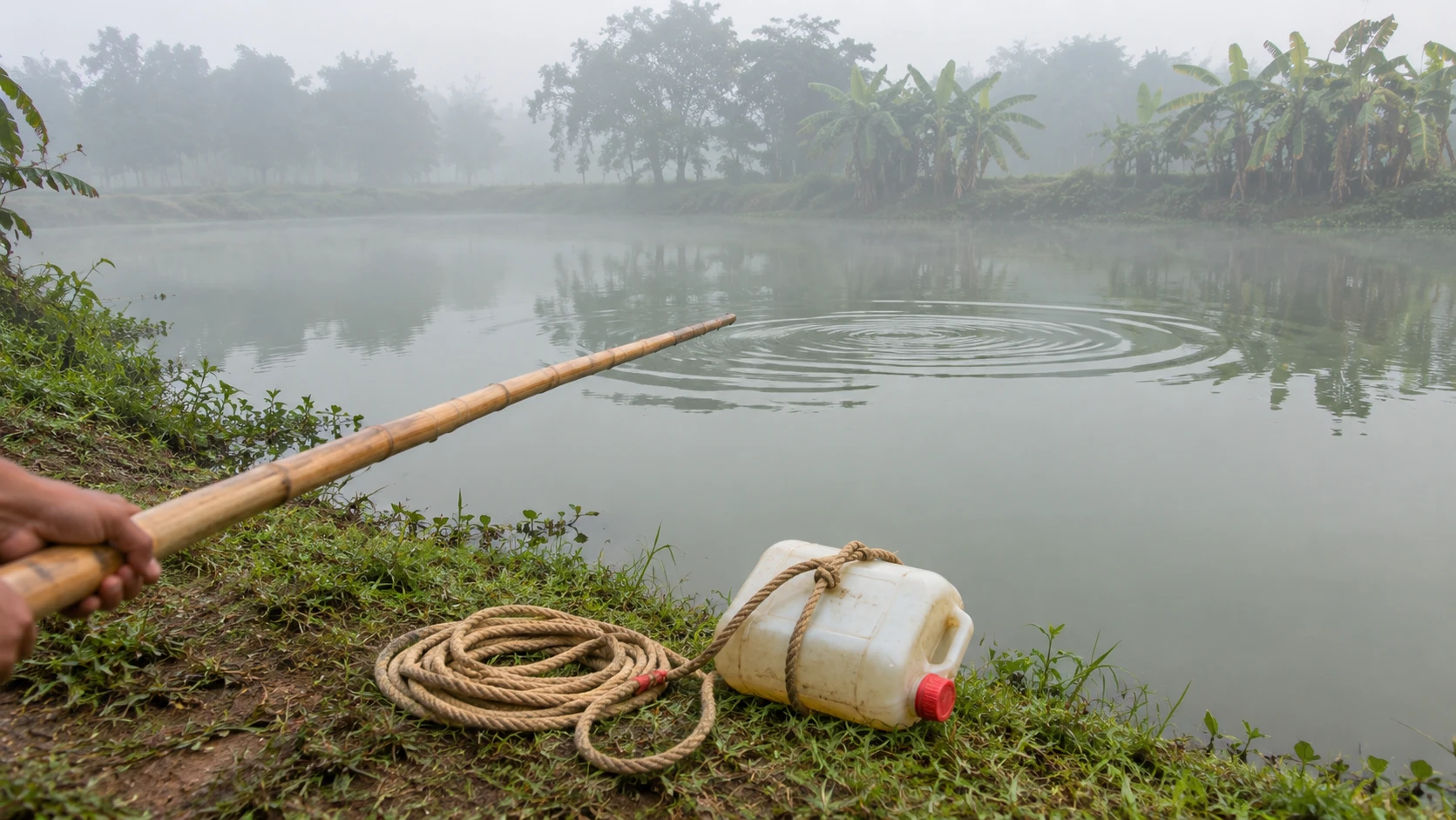
- On the bank, call 112 and tell the district control room if you can. Throw anything that floats: a jerrycan with the cap on, a plastic drum, a tube. Do not jump in after a person in the water. Our related page on saving a drowning person without risking your own life is listed below.
What not to do
- Do not board an overloaded boat because “others are going”.
- Do not let a crowd stand along the edge for a photo.
- Do not take young children without a jacket “just for a short crossing”.
- Do not enter water to save someone if you cannot swim; reach, throw, shout.
- Do not drink and then board a boat or let the boatman do so.
What we could not confirm
We read the Life Saving Appliances Rules on a third-party legal site, and we do not know how far they reach to small country boats and village crossings. The Odisha directive is from a PTI report, not an official order. The cause of the Bargi Dam accident is still under inquiry; early reports gave lower death counts than the final figure of 13 that IANS and The Hitavada reported. We found no Indian official guidance for what a passenger should do when a boat capsizes, so that section is general practice. The Raghopur, Kota and Barpeta details are from our case studies, which note where reports differ. This page is general information.
What needs attention
- Passenger vessels must carry a life jacket for every person on board under the 2022 rules; whether village country boats are covered is not clear from the text we read.
- Raghopur: a small boat carrying villagers to a feast overturned and 13 children died; the cause is under inquiry.
- Kota: a small boat with an idol and seven people lost balance; four died; the spot was prohibited for immersion.
- Barpeta: two crowded ferries collided and ANI said neither had life jackets; the district found no valid licences in preliminary checks.
- Odisha has told operators to ensure jackets for every passenger and has ordered surprise checks.
Controls that reduce risk
- Ask for a life jacket for each person before you board.
- Count people against seats and wait for the next boat if it is full.
- Put the jacket on before leaving the bank.
- Keep children seated in the middle.
- Save 112 on your phone.
Common unsafe practices
- Boarding a boat with no life jacket for everyone.
- Crowding to one side or standing in a moving boat.
- Taking an idol or heavy load on a small boat.
- Crossing at dusk or in rising wind.
- Letting children lean over the side.
- Jumping in to rescue someone without training.
Leave a comment