
What happened here
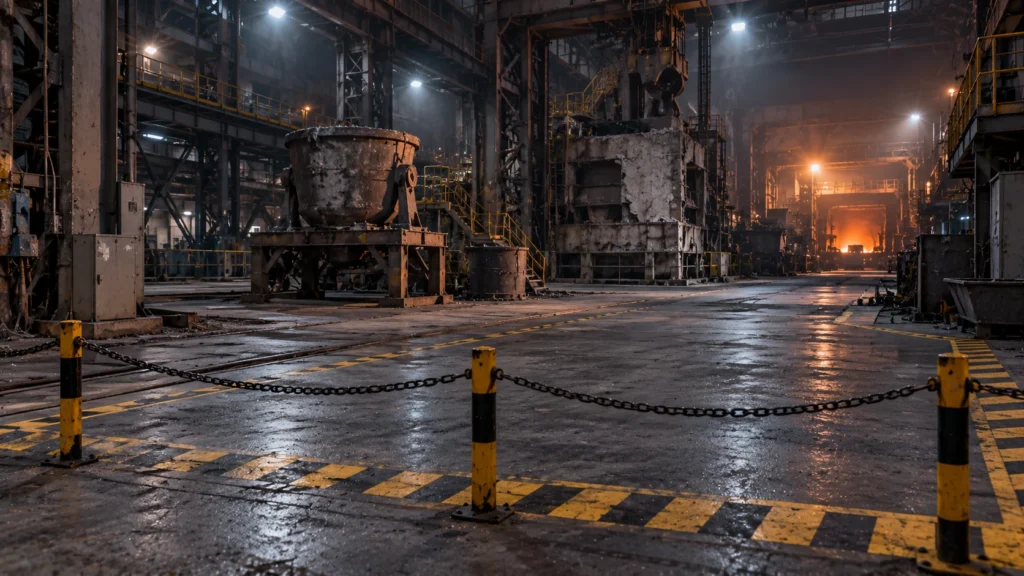
At about 1 a.m. on 17 October 2026 molten iron fell on a 42-year-old contractor from Bihar at a steel plant in Rasmada, Durg, Chhattisgarh. He died at Sector-9 Hospital, Bhilai, that afternoon. Reports differ on whether a nozzle came down or a furnace trial was under way. Police opened an inquest case and two outlets report a later FIR.
Quick answers
What happened at the JD Steel plant in Rasmada, Durg?
At about 1 a.m. on 17 October 2026, molten iron fell on a 42-year-old contractor from Bihar. He died at Sector-9 Hospital, Bhilai, the same afternoon.
What caused the molten iron to fall?
Not confirmed. Police are quoted as saying a nozzle of a machine came down; two other outlets report a furnace trial. The investigation is on.
Has anyone been booked?
Anjora outpost registered an unnatural-death case. On 21 October, Aaj Ki Jandhara and Nav Bharat Live reported an FIR against the director of J.D. Steel Industries and a contractor; we have not seen a police release.
What has the company said?
We found no statement from the company in any report. Bhilai Times says the owner could not be reached.
What should I do if someone is burned by hot metal?
Move them away from the heat, call 108 or 112, cool the burn with running water for 20 minutes, cover it loosely and do not pull off stuck material.
What happened
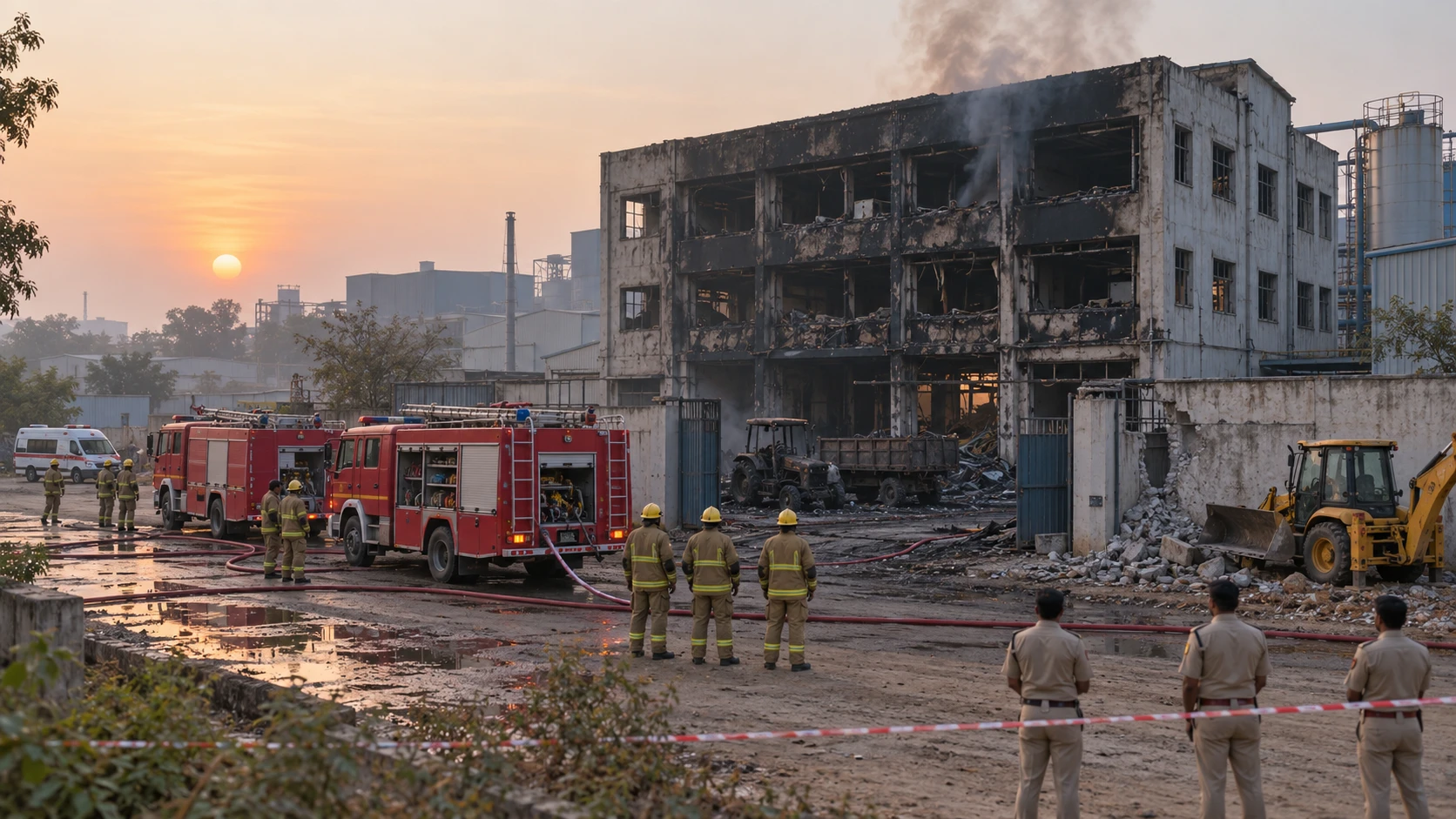
At about 1 a.m. on Saturday, 17 October 2026, molten iron fell on a contractor working at a steel plant in the Borai-Rasmada industrial area of Durg district, Chhattisgarh. He was 42 and had come from East Champaran in Bihar to do contract work at the plant. He suffered severe burns, was taken to Sector-9 Hospital in Bhilai and died there the same afternoon, at about 3.30 p.m., according to Bhilai Times, which cites police, and to CGKhabar and Dainik Jagran English. His post-mortem was done on 18 October and the body was taken to Bihar by the family.
We are not naming him. Several Hindi outlets have published his name, but his family does not need it repeated on this page. The plant appears under three names in the reports: JD Steel Plant (CGKhabar, Dainik Jagran English), JD Ispat (Amar Ujala, Bhilai Times) and J.D. Steel Industries (Aaj Ki Jandhara). We treat them as one plant, since all the reports place it at Rasmada or Borai-Rasmada, under Anjora outpost and Pulgaon police station.
What the reports say about the cause
This is where the accounts differ, so please read it carefully.
- The nozzle account. Amar Ujala and Bhilai Times, citing police, say a nozzle on a part of a machine they call a “Tindis” machine suddenly came down, and molten iron at an estimated 1,500 to 1,600 degrees Celsius fell on him. CGKhabar and Dainik Jagran English carry the same version. The temperature is a media estimate, not a measured figure. Bhilai Times itself notes that the technical cause is not confirmed.
- The furnace-trial account. On 21 October, Aaj Ki Jandhara and Nav Bharat Live reported that an induction furnace trial was under way and a large quantity of molten metal came out. They do not mention a nozzle. Neither article quotes a police officer on this point.
These two accounts may describe the same event in different words, or one may be incomplete. We cannot tell which. Reports also say the plant was still under construction, with some sections already working, and that the accident happened in a working section.
Police action
Anjora outpost first registered an unnatural-death (marg) inquest case, number 129/26, under Section 194 of the Bharatiya Nagarik Suraksha Sanhita (Bhilai Times, Dainik Jagran English). Additional Superintendent of Police Shobhraj Agrawal confirmed the incident and the case to Amar Ujala. On 21 October, Aaj Ki Jandhara and Nav Bharat Live reported that an FIR had been registered at Pulgaon police station against the director of J.D. Steel Industries and a contractor, under Sections 289 and 106(1) of the Bharatiya Nyaya Sanhita, on the basis of a preliminary inquiry. Section 289 deals with negligent conduct involving machinery and Section 106(1) with causing death by negligence. Aaj Ki Jandhara says the police are examining the cause, the safety precautions and the roles of those responsible. We have not seen the FIR itself or a police press note, and neither article names the persons booked, so please treat this as two media reports until the police confirm it.
The company, the video and what we could not verify
No statement from the company or its management has been published in any report we opened. Bhilai Times says the owner could not be reached and management at the plant gave no official response. District Panchayat member Priya Sahu has questioned the plant’s safety arrangements and alleged that a worker died of burns at another plant of the same company about two years ago, and that the family was paid ₹10 lakh after protests (Bhilai Times, CGKhabar, Dainik Jagran English). Dainik Jagran English says these claims are not independently verified, and we have not verified them either.
A video said to show the incident has circulated on social media, and some outlets have put it in their headlines. The reports themselves say its authenticity has not been confirmed. We have not embedded it or described what it shows, and we ask readers not to share it, out of respect for the man and his family.
About our sources. The reporting so far is mostly in Hindi from regional outlets: Amar Ujala, Bhilai Times, CGKhabar, Aaj Ki Jandhara and Nav Bharat Live, with English reports from Dainik Jagran English and NewsX. The police and the company have given limited detail. We found no government release and no national English wire report. Facts here are therefore as reported by these outlets, and we have said so wherever they differ.
Why this matters
Nobody can survive a direct splash of molten iron without specialised clothing and distance. It is also a hazard where the worst moment is often a surprise: a nozzle, a ladle, a runner or a furnace wall fails, and everything below it is in the line of fall. The risk is highest around new or recently commissioned equipment, trial runs and sections where construction and production are happening side by side, which is what the reports describe here. Contract workers are often the people standing closest to that work, and migrant contractors may be far from home and unfamiliar with a plant’s layout.
We have covered other deaths among Indian steel-plant contract workers, at Hazira in Surat and in the Bokaro ESL Steel gas exposure. The hazards differ, but the questions about contractors, supervision and emergency response are similar.
Lessons
These lessons are general hot-metal and workplace-safety practice. They are not findings about what went wrong at this plant, which is not yet known.
- Keep people out of the fall line. Around furnaces, ladles, tundishes, nozzles and tapping or pouring points, mark an exclusion zone on the floor and enforce it. During trials of new equipment, clear everyone who is not essential, and keep contractors outside the zone unless their task needs them there.
- Treat trial runs and commissioning as high risk. Hold a written risk assessment and a briefing before the first heat, and decide who stands where. Stop work if construction crews and production crews are working in the same space without a permit-to-work.
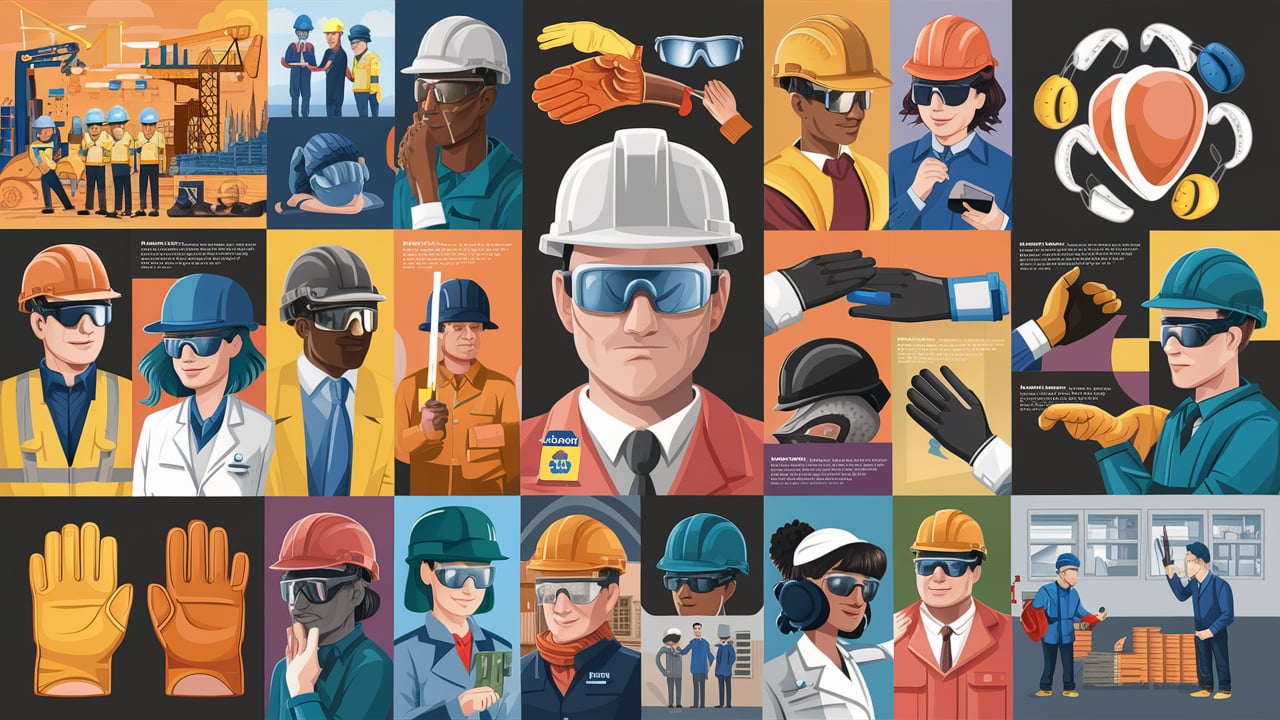
- Use PPE rated for molten-metal splash, and use it properly. Ordinary cotton or synthetic clothing is not enough; molten-metal protective clothing, face and neck protection and suitable footwear are chosen after a risk assessment. The UK Health and Safety Executive says everyone involved, including supervisors and maintenance staff, should be trained on the limits of the clothing, how to wear it and how to report damage. Our guides on PPE in the workplace and selecting PPE for industrial work cover the basics.
- Contract and migrant workers need the same protection. The main employer should brief every contractor on the hazards, the escape route, the muster point and the emergency numbers, in a language the worker understands, before they start. Ask who the principal employer is and who is responsible for your safety.
- Keep moisture away from molten metal. Water or damp tools meeting molten metal can cause violent splashing. Floors, moulds and tools around the pour must be dry.
- Keep escape routes clear. Stairs and exits near hot-metal work must be free of obstruction, so that a person who is hurt or on fire can reach safety and help can reach them.
- Know the emergency numbers. In Chhattisgarh, as elsewhere, 112 is the national emergency number, 101 is the fire service and 108 is the national ambulance number. Ambulance service varies by state, so also save the plant’s own emergency line and the nearest hospital that treats burns.
First aid for a burn from hot metal
This is general first aid, in line with NHS guidance, and does not replace training or a doctor. Our basic first aid guide has more.
- Get the person away from the heat. If clothing is on fire, smother the flames with a fire blanket or heavy cloth, or make the person stop, drop and roll.
- Call 108 or 112 straight away. A large or deep burn needs a hospital, so do not wait to see how it goes.
- Once the person is safe, cool the burn with cool running water for 20 minutes. If there is no running water, use cool bottled water or a wet towel. Do not use ice.
- Remove clothing and jewellery near the burn, but leave anything that is stuck to the skin. Do not pull off metal that has stuck.
- Cover the burn loosely with cling film or a clean, non-fluffy cloth. Do not apply creams, oils, butter or toothpaste and do not burst blisters.
- Keep the person warm and calm, and watch their breathing until the ambulance arrives.
What is still not known
Whether it was a nozzle fault or a furnace trial; what the man was doing at that spot; whether an exclusion zone, protective clothing and training were in place; whether the plant had approvals for the working sections; who exactly has been booked; what the company says; and whether the family has received any compensation. We will update this page when the police or the company release a statement.
- Molten iron falls on a contractor at the Rasmada steel plant; he is badly burned
- Taken to Sector-9 Hospital, Bhilai; dies at about 3.30 p.m.; Anjora outpost registers an unnatural-death inquest case
- Post-mortem is done; the body is handed to the family and taken to Bihar
- Regional outlets publish the story and a viral video; Additional SP Shobhraj Agrawal confirms the case
- Two outlets report an FIR against the director of J.D. Steel Industries and a contractor; the company's position is still unknown
Why consequences escalated
- Molten iron fell on the contractor during the night; he died the same afternoon in hospital.
- Police first registered an unnatural-death inquest; two outlets later report an FIR under BNS 289 and 106(1) against the director and a contractor.
- Reports differ on the mechanism: a nozzle coming down, or a molten-metal release during an induction furnace trial.
- The plant was reportedly under construction, with some sections already working.
- A district panchayat member has alleged an earlier burn death at another plant of the company; this is unverified.
Failures and risk multipliers
- Not yet established: the police are examining safety precautions, machine operation and responsibility.
- It is not known whether an exclusion zone, molten-metal PPE or a briefing for contractors was in place.
- The reports do not say what the man was doing at the spot when the metal fell.
Actions that reduce risk
- Keep non-essential people, including contractors, out of the fall line of furnaces, ladles, tundishes and nozzles.
- Run a written risk assessment and briefing before any trial or first heat of new equipment.
- Issue and train workers in PPE rated for molten-metal splash; brief contractors and migrant workers before they start.
- After a burn: get clear of the heat, call 108 or 112, cool with running water for 20 minutes, cover loosely, do not pull off stuck material.
- Save 112, 101 and 108 and the plant's own emergency line.
Leave a comment