
Quick answers
Why is preparing for disasters better than reacting at the last minute?
Prevention and early warning give more safety margin than last-second intervention. People also need short, practised actions and a clear decision to stop and escape, so plan and drill before an emergency.
How often should a household review its disaster plan?
Review the plan after every major household or hazard change, and after incidents or near misses. Follow current state and district advice for the specific hazard.
What can a family do to reduce disaster losses at home?
Protect the home with basic safety tools, insure property, save 112 with the full address displayed, agree on a primary and an alternate family meeting point, and keep one out-of-area contact.
How can businesses help reduce losses from disasters?
Businesses can treat safety as an investment rather than an expense by assessing hazards, maintaining equipment, keeping exits and alarms usable, training staff and practising evacuation.
You will often read that India loses “3% of its GDP” to disasters every year. The real picture is a little different, and in some ways more worrying. That 3% figure is the government’s estimate for road crashes alone. Floods, cyclones, droughts and other natural disasters cost India a further share of its economy on top of that.
What the estimates actually say
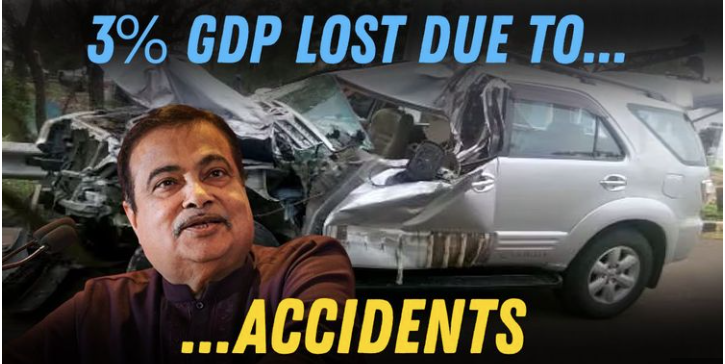
- Road crashes: Union Road Transport Minister Nitin Gadkari has repeatedly said that road accidents cause a socio-economic loss of about 3.14% of GDP. The figure comes from a study commissioned by his ministry, after adjusting for crashes that are never reported.
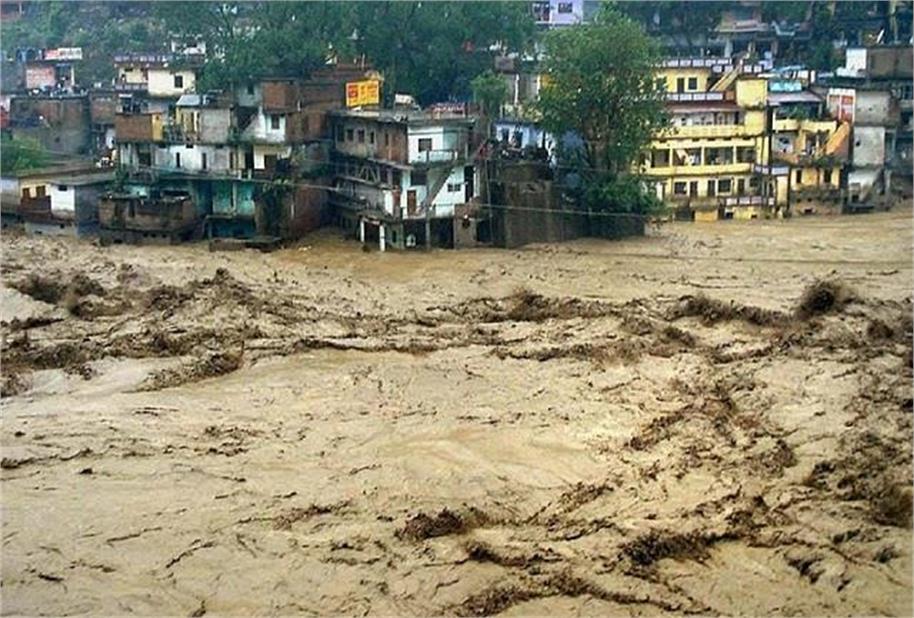
- Natural disasters: The OECD’s 2025 economic outlook for Southeast Asia, China and India estimates that from 1990 to 2024, India’s average yearly losses from natural disasters were about 0.4% of GDP, driven mostly by floods and landslides.
These two numbers measure different things and should not be added up casually. But together they show that preventable harm, on our roads and from hazards we can see coming, costs India a great deal every single year.
Why this matters
This is not only about lives, though lives come first. Disasters and crashes wipe out factories, crops, houses, roads and savings. A family that loses its earning member in a crash, or its shop in a flood, can be pushed back into poverty for years. Every rupee spent rebuilding after a fire or flood is a rupee not spent on schools, hospitals or jobs.
Two myths
“Disasters are unpredictable, so we cannot plan for them.” Many are not. We know when the monsoon and cyclone seasons come, which districts flood, which hills slide and which roads are black spots. India’s cyclone and flood warnings have improved a great deal. What is often missing is preparation on the ground.
“Prevention costs too much.” It usually costs far less than recovery. The UN Office for Disaster Risk Reduction (UNDRR) says every US$1 invested in making infrastructure resilient in low- and middle-income countries saves US$4 in avoided losses and disruption. Its Global Assessment Report 2025 cites studies showing an average return of US$15 for every US$1 spent on disaster risk reduction.
What you can do today
- Families: Keep basic safety tools at home (a smoke alarm, an extinguisher, a fire blanket and a first-aid kit), and insure your house and its contents. Keep copies of important documents in a waterproof bag and in your phone.
- Shopkeepers and small businesses: Insure stock against fire and flood, keep electrical wiring checked, and store goods off the floor in flood-prone areas.
- Companies: Treat safety as an investment, not an expense. Fire systems, drills and business continuity plans are cheaper than a shutdown.
- Government: Spend more on prevention, such as safer roads, flood defences and fire services, not only on relief after the event.
Every fire prevented saves not just a life but lakhs of rupees, and every crash avoided protects a family’s future. This week, check one thing: is your home or shop insured, and does the policy cover fire and flood?
What needs attention
- The widely quoted 3% of GDP loss refers to road crashes, not to natural disasters
- Natural disasters cost India roughly 0.4% of GDP a year on average, mostly through floods and landslides
- The two estimates use different methods and should not be simply added together
- Many disasters follow known seasons and known high-risk places, so they can be planned for
- Money spent on prevention and resilient infrastructure returns several times its cost
- Uninsured families and small businesses take the hardest hit and recover slowest
Controls that reduce risk
- Insure your home, shop and stock against fire and flood
- Keep a smoke alarm, extinguisher, fire blanket and first-aid kit at home
- Store documents in a waterproof bag and as copies on your phone
- Ask your company for a business continuity plan and regular fire drills
- Support local spending on safer roads, drains and fire services
Common unsafe practices
- Mixing up road-crash losses with natural disaster losses
- Quoting untraceable figures such as Japan spending 4% of GDP on prevention
- Spending only on relief after a disaster, not on prevention before it
- Leaving homes, shops and stock uninsured
- Treating safety spending as a cost rather than an investment
- Ignoring known flood seasons and black spots

Leave a comment