
Quick answers
How should I prepare before a flood?
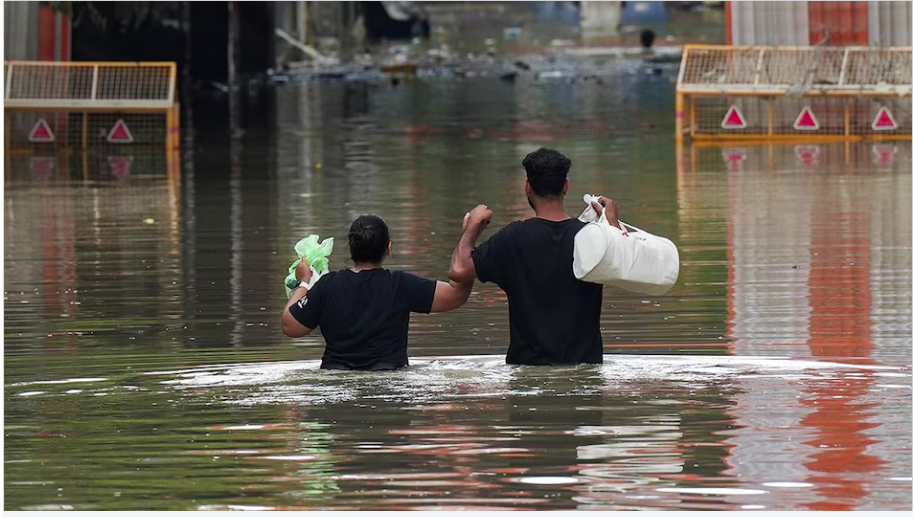
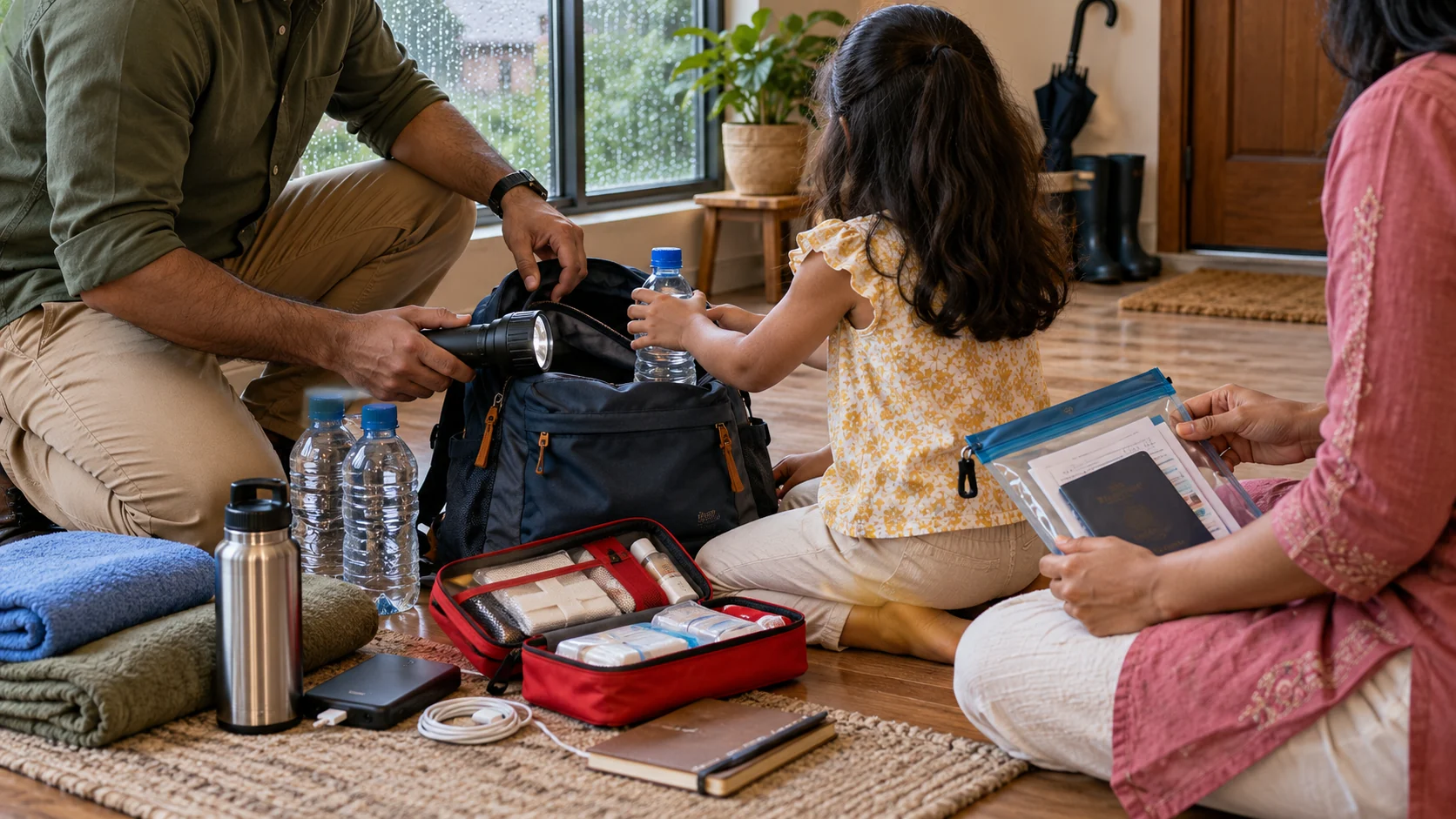
Follow IMD alerts and your district's advisories. Keep a kit with a torch, dry food, drinking water, a first-aid box, medicines and a charged power bank, put documents in waterproof bags, and know the way to higher ground or the nearest shelter.
What should I do during a flood?
Never walk or drive through moving water. Switch off the electricity at the main switch before you leave, but only if you are standing on a dry spot. Help older people, children and people with disabilities out first, and keep away from fallen power lines and open drains.
When is it safe to go back home after a flood?
Only when the authorities say it is safe. Drink boiled or packaged water, clean and disinfect surfaces before use, watch out for snakes, and get any wound or fever checked.
How many people die in floods in India?
States and UTs reported 2,849 deaths in 2023-24 and 2,979 in 2024-25 from floods, heavy rain, landslides and cyclones taken together. NCRB, which uses different categories and calendar years, recorded 361 flood deaths in 2024.
Why do cities keep flooding?
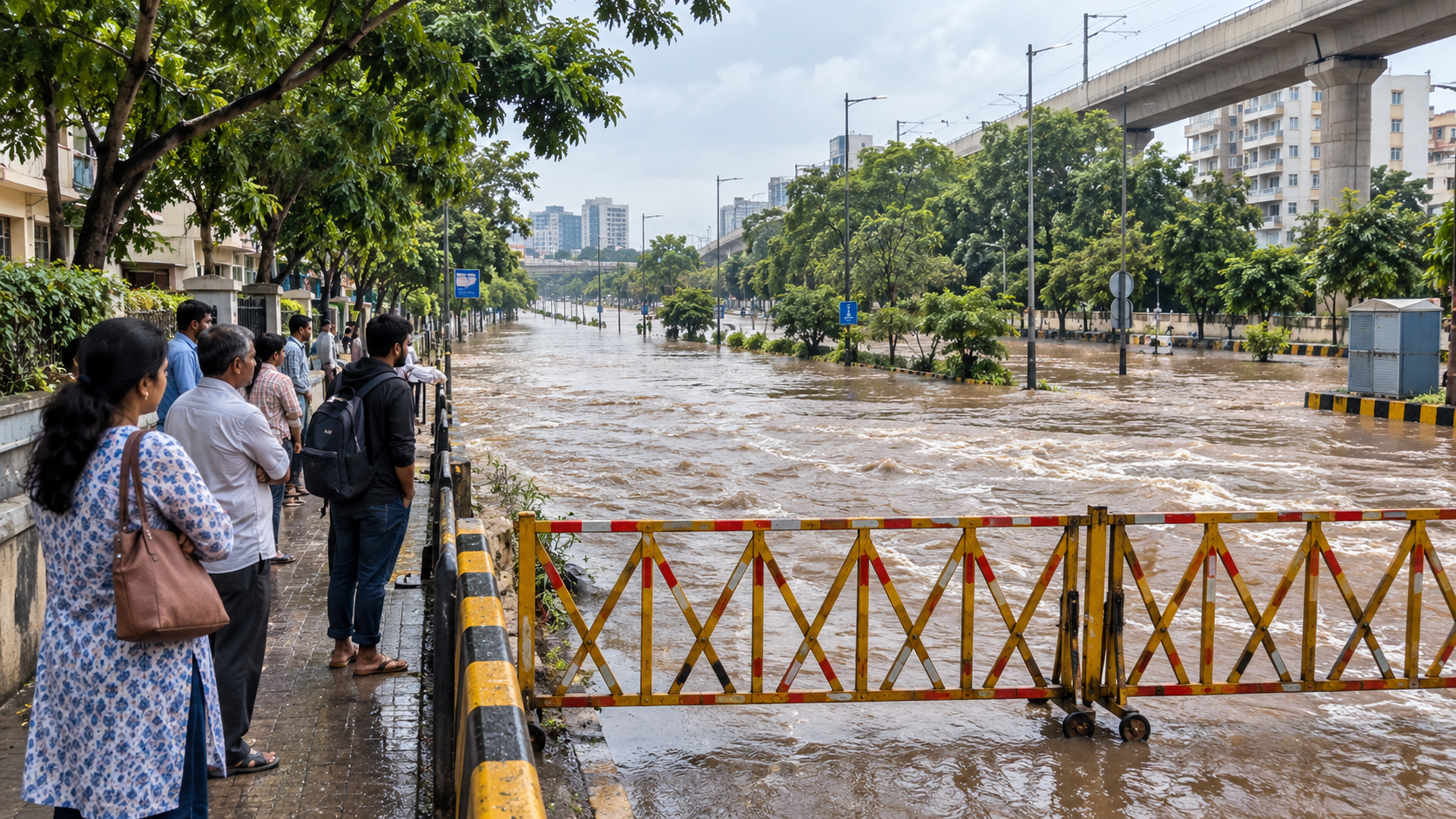
Concrete, choked drains and building over lakes and nalas leave rainwater nowhere to go, so the same towns go under year after year despite plans.
Floods, heavy rain, landslides and cyclones killed 2,849 people in 2023-24 and 2,979 people in 2024-25, according to figures reported by States and UTs. The same reports count 1.24 lakh houses damaged in 2023-24 and 3.70 lakh in 2024-25, with 9.39 lakh and 13.11 lakh hectares of crops hit.
Every monsoon we hear about crores of rupees in losses. We should talk just as loudly about the people who died and the families who have to start again from nothing.
Why this matters
Heavy rain is natural. But many flood deaths come from human failures: poor planning, blocked drains, weak embankments and warnings that do not reach people. India floods in the same places year after year. The same bridges wash away, the same colonies go under, and the same families rebuild.
Each death is a sign that a warning, an evacuation or a safe route failed somewhere.
Lives lost and damage: what States reported
| Year | Human lives lost | Cattle lost | Houses and huts damaged | Crop area affected |
|---|---|---|---|---|
| 2023-24 | 2,849 | 1,03,824 | 1,24,293 | 9.39 lakh ha |
| 2024-25 | 2,979 | 1,25,139 | 3,69,992 | 13.11 lakh ha |
Source: “Details of damages as reported by State/UT due to hydro-meteorological disasters during the last three years, i.e. 2023-24 to 2025-26” (provisional), Parliament reply annexure hosted by PIB, August 2026. These figures cover floods, heavy rain, landslides, cyclones and similar events together, not floods alone.
Why the counts differ
- NCRB’s Accidental Deaths & Suicides in India 2024 lists 361 deaths under “flood” and 351 under “landslide” for calendar year 2024. It uses different categories and a calendar year, so its totals do not match the States’ disaster reports.
- We found no verified all-India rupee figure for flood losses from 2019 to 2025, so we do not give one. The damage figures above (houses, cattle, crops) are the clearest official measure available.
What the numbers tell us
- Damage to homes nearly tripled between 2023-24 and 2024-25, while deaths rose slightly. Each damaged house is a family displaced, often for months.
- Roads are rebuilt faster than lives. Relief money repairs roads and bridges, but trauma, debt and lost livelihoods last for years.
- Cities flood too. Concrete, blocked drains and building over lakes and nalas turn heavy rain into urban floods.
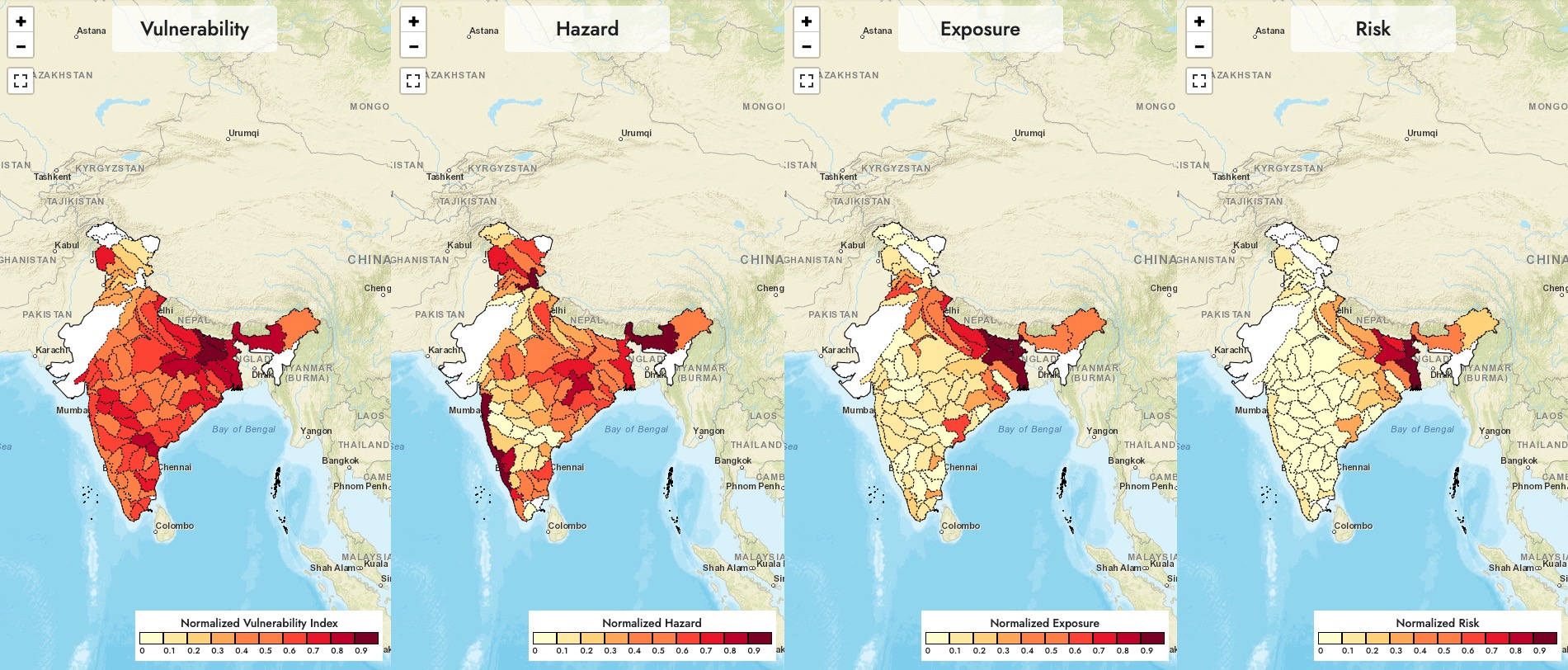
- The same places keep flooding: Assam, Bihar, Kerala, Maharashtra and Chennai, despite years of plans.
What your family can do
Before a flood
- Follow IMD alerts and your district administration’s advisories.
- Keep an emergency kit: torch, dry food, first-aid box, drinking water, medicines and a charged power bank.
- Keep important documents in waterproof bags and on your phone.
- Know your nearest higher ground or shelter, and how to get there.
During a flood
- Never walk or drive through moving water.
- Switch off the electricity at the main switch before leaving, but only if you can do it while standing on a dry spot.
- Help elderly people, children and people with disabilities to leave first.
- Keep away from fallen power lines and open drains, which may be hidden under the water.
- If someone is swept away, do not jump in. Call 112, and reach out with a stick or rope or throw something that floats.
After a flood
- Do not return home until the authorities say it is safe.
- Drink only boiled or packaged water, and clean and disinfect surfaces before use.
- Watch out for snakes, and get any wound or fever checked, since infections spread after floods.
What needs to change
- A flood resilience score for every city and district, published every year.
- Stronger river embankments and urban drainage that is actually maintained.
- Affordable flood insurance for low-income households.
- Early warnings that reach every village through mobile alerts and trained community volunteers, like VFF India’s network.
- Public dashboards showing how relief and rebuilding money is spent.
- A shift from relief after floods to resilience before them.
References
- Damages reported by States/UTs due to hydro-meteorological disasters, 2023-24 to 2025-26 (provisional), Parliament reply annexure hosted by PIB, August 2026
- National Crime Records Bureau: Accidental Deaths & Suicides in India 2024, Chapter 1
Money can rebuild a house, but not bring back the person who lived in it. Before this monsoon, put your documents in a waterproof bag and make sure everyone at home knows the way to higher ground.
What needs attention
- Nearly 3,000 people a year died in floods, heavy rain, landslides and cyclones in 2023-24 and 2024-25
- Houses damaged nearly tripled from 2023-24 to 2024-25
- State reports and NCRB count flood deaths very differently
- No verified all-India rupee figure for flood losses exists for 2019 to 2025
- The same states and cities flood year after year
- Displacement, debt and lost crops last long after the water goes
Controls that reduce risk
- Follow IMD and district alerts through the monsoon
- Pack a flood kit with water, food, torch, medicines and power bank
- Keep documents in waterproof bags with digital copies
- Know the way to higher ground or the nearest shelter
- Consider flood or home insurance if you live in a flood-prone area
- Report blocked drains and encroached nalas to your ward office
Common unsafe practices
- Walking or driving through moving floodwater
- Ignoring IMD and district warnings
- Keeping documents and medicines on the ground floor
- Jumping in to rescue someone without training
- Returning home before the area is declared safe
- Drinking untreated water after a flood
Leave a comment